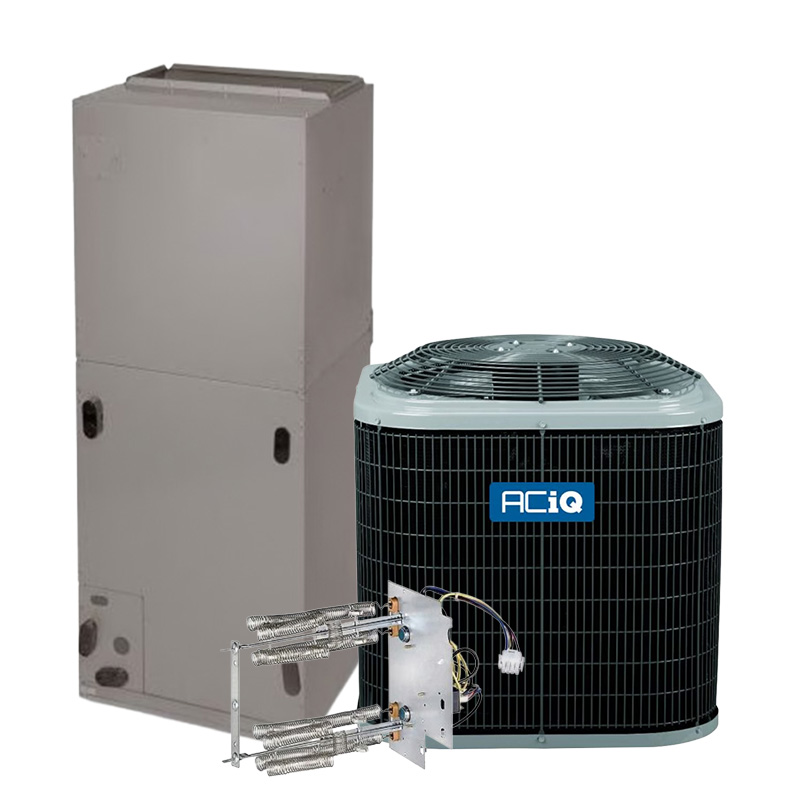
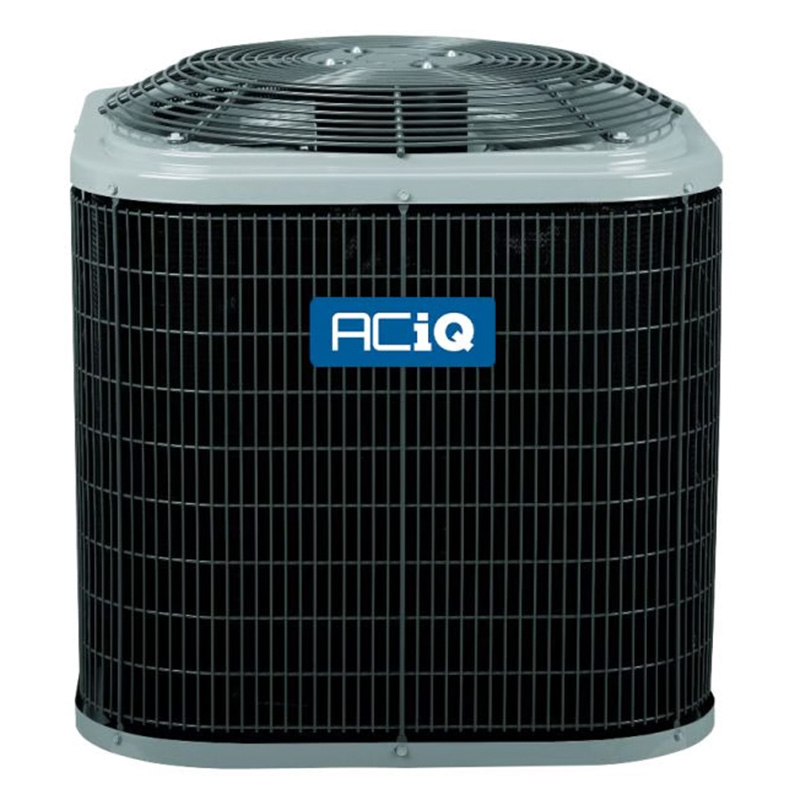
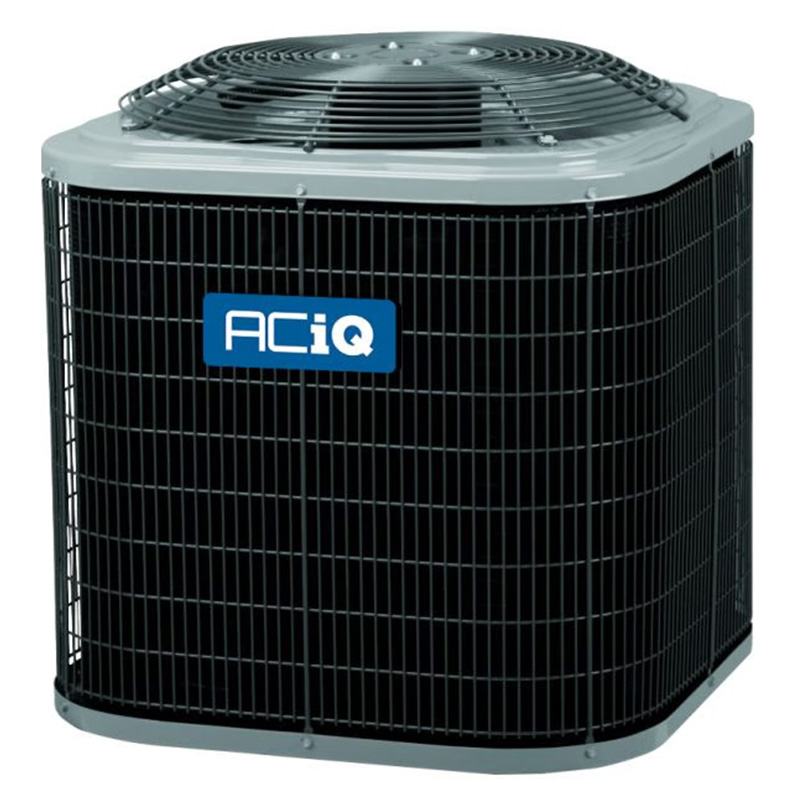
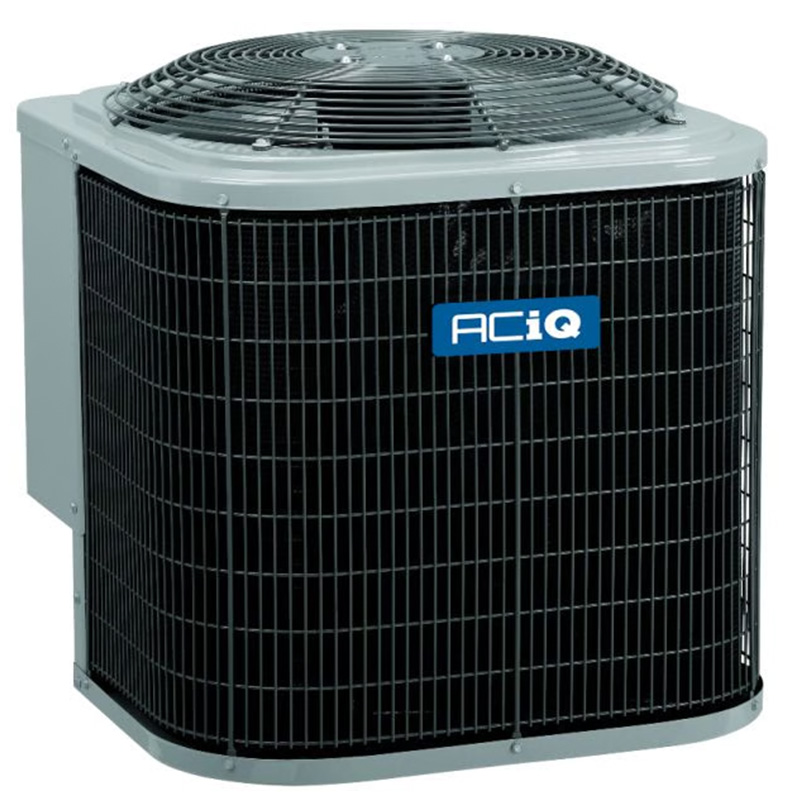
ACiQ 4 Ton Heat Pump AC System | 14.5 SEER2 AC | 21" Wide Variable Speed Multi-Positional Modular Air Handler | R454B
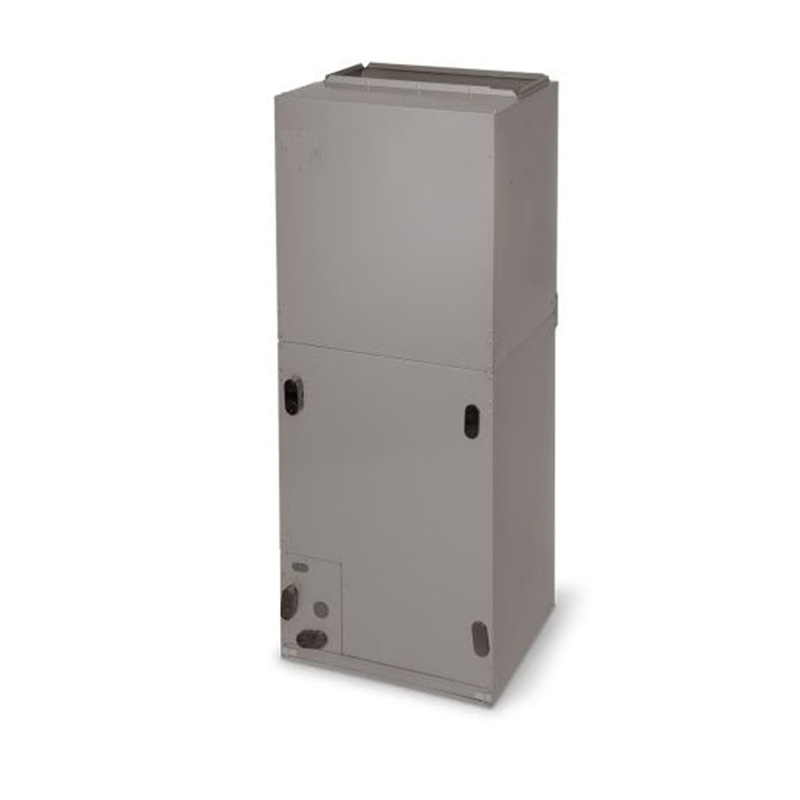
View on AC Direct see your lowest price →Check current price on AC Direct →
Key features
- Variable-speed inverter compressor for modulated capacity and improved humidity control
- 14.5 SEER2 efficiency rating meets current federal minimum standards with modest headroom
- 21-inch-wide air handler fits upflow, downflow, and horizontal installations
- R-454B refrigerant compliant with current low-GWP EPA requirements
- Ships direct with a 12-year parts warranty and no dealer markup built into the price
- 4-ton capacity suited to larger homes in the roughly 2,000 to 2,600 square foot range
About this system
The ACiQ 4-ton, 14.5 SEER2 heat pump system pairs a variable-speed inverter compressor outdoor unit with a 21-inch-wide, multi-positional modular air handler designed to fit upflow, downflow, and horizontal installations. At four tons, this system is sized for homes roughly in the 2,000 to 2,600 square foot range depending on insulation quality, climate zone, and duct layout. The R-454B refrigerant keeps it compliant with the current EPA low-GWP rules, so there is no regulatory clock ticking on the refrigerant itself the way there was with older R-22 or even R-410A equipment.
ACiQ is AC Direct’s house brand, and the value proposition is straightforward: variable-speed technology at a price point that typically sits well below comparable units from Carrier, Trane, or Lennox. The 14.5 SEER2 rating lands at the entry tier of variable-speed efficiency, which means meaningful comfort and humidity control benefits over a single-stage system, but buyers chasing the lowest possible utility bills should know that higher SEER2 ratings in the 17 to 20 range exist at a cost premium. This system suits homeowners who want inverter-driven comfort and modulation without paying name-brand markup, and who are comfortable sourcing their own contractor rather than relying on a factory dealer network.
The ACiQ 4-ton variable-speed heat pump offers genuine inverter comfort technology at a price that undercuts established name brands by a meaningful margin, making it a credible option for cost-conscious buyers with a qualified independent installer lined up. The trade-off is real: the brand is newer, long-term reliability data is thin, and the undisclosed manufacturer makes parts cross-referencing harder if something goes wrong years down the road. For buyers who do their homework on installation and can live with that uncertainty, the value case is solid.
Overall score is the average of the five ratings above.
What we like
- Variable-speed inverter operation delivers quieter, more even comfort than single-stage alternatives at this price tier
- 14.5 SEER2 clears current federal efficiency minimums and qualifies the system for the federal 25C tax credit
- 12-year parts warranty ships with the unit at no dealer network markup, which is strong coverage for the price
- R-454B refrigerant is current and compliant, avoiding the regulatory obsolescence risk that affected older refrigerant platforms
- Multi-positional air handler increases installation flexibility, especially in retrofit applications with awkward mechanical room layouts
Trade-offs
- No long-term independent reliability data exists yet; Consumer Reports has not ranked ACiQ due to insufficient field history
- The manufacturer is not publicly disclosed, which complicates parts sourcing and service history cross-referencing compared to a transparent name brand
- Sold direct rather than through a dealer network, so finding a contractor familiar with ACiQ equipment may require extra legwork
- 14.5 SEER2 sits at the low end of the variable-speed efficiency range; buyers in hot climates with high cooling loads will see stronger utility bill savings from higher-efficiency options
What homeowners and pros say about ACiQ
Early owner feedback on ACiQ equipment clusters around a few consistent themes: units run noticeably quieter than the older single-stage systems they replaced, first-season performance has matched or exceeded expectations, and the direct-purchase support line has been responsive when questions come up. That picture is genuinely encouraging, but it carries an important asterisk. Consumer Reports has not yet ranked ACiQ because the brand is too new to have accumulated the long-term field data those reliability scores require. Without that independent baseline, buyers are working from a limited sample of first- and second-year impressions rather than a statistically meaningful track record.
On the contractor side, the reception is more mixed. Technicians who have installed and serviced ACiQ units generally report that the equipment itself behaves like other inverter-driven systems from the larger ICP and Carrier manufacturing family, though that connection is unconfirmed speculation based on component similarities noted in installer forums rather than any official disclosure. The friction points that come up most often among service technicians are the ones baked into the business model: because the manufacturer is not publicly identified, cross-referencing parts when something fails outside the warranty window is harder than with a transparent name brand. Service also depends entirely on independent contractors, and not every tech has hands-on experience with ACiQ-branded boards and controls yet. The documented failure mode concerns to watch for in any variable-speed heat pump at this price tier, including capacitor wear, refrigerant coil integrity over time, and long-term inverter compressor reliability, remain open questions for ACiQ specifically because the long-term data simply does not exist yet.
Sources: Consumer Reports heat pump ratings, HVACDirect on the ACiQ brand, AHRI Directory of Certified Product Performance, U.S. DOE appliance and equipment efficiency standards.
What it costs to run
At 14.5 SEER2, cooling this 4-ton system for a typical 1200-hour cooling season at the U.S. average electricity rate of $0.17/kWh works out to roughly $675 per year in cooling, about $56 less per year than a minimum-efficiency 13.4 SEER2 unit of the same size. Your real cost depends on your climate and local rate.
Method: (48,000 BTU/hr ÷ 14.5 SEER2) × 1200 hours ÷ 1000 × $0.17/kWh. Rate source: U.S. EIA average; cooling hours: moderate-climate estimate.
How it compares
| Brand | Comparable model | SEER2 | Stage | Price position |
|---|---|---|---|---|
| ACiQ | 4-Ton 14.5 SEER2 Variable-Speed Heat Pump with Modular Air Handler | 14.5 | Variable | Value pick |
| Carrier | Performance Series 24PAA (Heat Pump) | 15.2 | Single-stage | Moderately higher with dealer markup and installation network pricing |
| Trane | XR15 Heat Pump (4TWR) | 15.0 | Single-stage | Moderately to significantly higher through Trane dealer network |
| Lennox | Merit Series ML14XP1 Heat Pump | 15.0 | Single-stage | Moderately higher through Lennox dealer network |
Competitor rows are comparable single-stage units at similar efficiency; price is relative position, not a quote.
Questions about this system
Can any licensed HVAC technician install and service this system, or do I need a certified ACiQ dealer?
Any licensed HVAC contractor who works with R-454B refrigerant and variable-speed equipment can install and service this unit. ACiQ sells direct rather than through a dealer network, so there is no factory-authorized dealer requirement, but you should confirm your contractor is familiar with inverter-driven heat pump systems and has the correct refrigerant handling certification for R-454B.
Does the 14.5 SEER2 rating qualify for the federal 25C energy tax credit?
Heat pumps must meet a 15.2 SEER2 threshold to qualify for the 25C federal tax credit as of current IRS guidance. At 14.5 SEER2, this system does not meet that threshold, so buyers specifically seeking the tax credit should verify the current requirements and consider whether a higher-efficiency ACiQ or competing model crosses that line before purchasing.
What happens to the 12-year warranty if I cannot identify the original manufacturer for a parts claim?
The warranty is administered through ACiQ and AC Direct directly, not through the underlying manufacturer, so warranty claims go back to ACiQ regardless of who built the equipment. The parts-sourcing concern is more relevant after the warranty period expires, when a technician may need to cross-reference components to find third-party alternatives if ACiQ-branded parts are unavailable.
Is R-454B refrigerant widely available, and can my current technician handle it?
R-454B is an A2L mildly flammable refrigerant that requires technicians to have completed A2L handling training and use compatible equipment. It is becoming more widely stocked as the industry transitions away from R-410A, but availability varies by region. Confirm your contractor is already set up for A2L refrigerants before committing to this system.
How does the variable-speed compressor on this unit actually affect my comfort compared to a standard single-stage heat pump?
A variable-speed inverter compressor can ramp output up or down to match the actual load rather than cycling fully on and off. In practice this means more consistent temperatures room to room, lower humidity levels during shoulder-season cooling, and quieter operation because the unit rarely runs at full capacity. The trade-off at 14.5 SEER2 is that the efficiency gains are more modest than on higher-SEER2 variable-speed systems, though the comfort benefits are still real.
Specifications
| Cooling capacity | 4 Ton |
| Efficiency | 14.5 SEER2 |
| Refrigerant | R-454B |