ACiQ 4 Ton Package Unit Heat Pump AC | 13.4 SEER2 Downflow / Horizontal Airflow | R454B
View on AC Direct see your lowest price →Check current price on AC Direct →
Key features
- 13.4 SEER2 efficiency meets current federal minimum standards for most U.S. regions
- Downflow and horizontal airflow configuration suits crawlspace, rooftop, or slab installations
- R-454B refrigerant complies with A2L low-GWP requirements replacing R-410A
- Self-contained package unit combines compressor, coil, and air handler in one outdoor cabinet
- 4-ton capacity targets roughly 1,800 to 2,400 square feet depending on load conditions
- 12-year parts warranty included without dealer markup
About this system
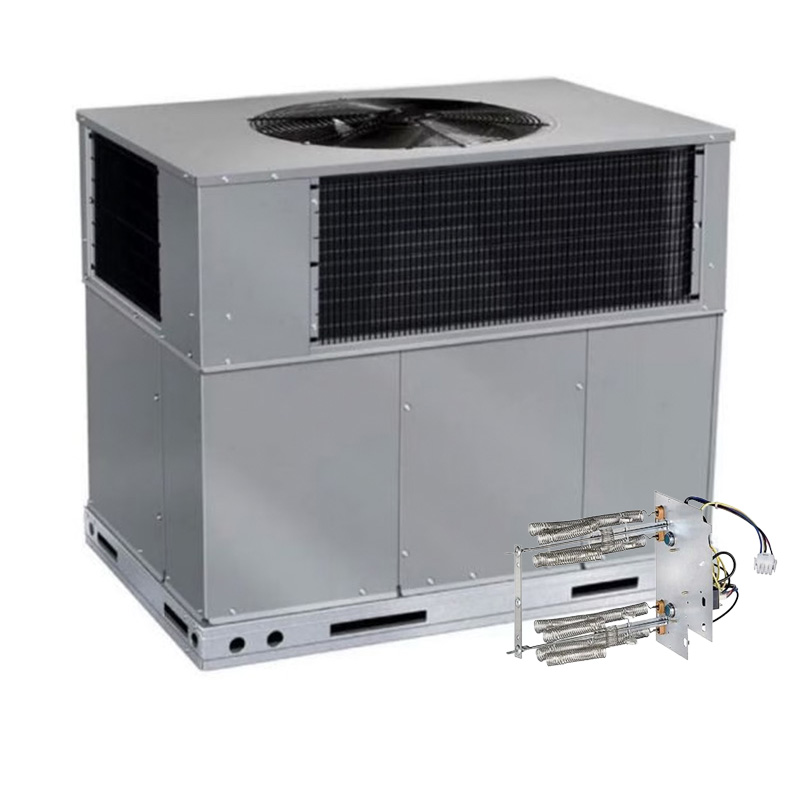
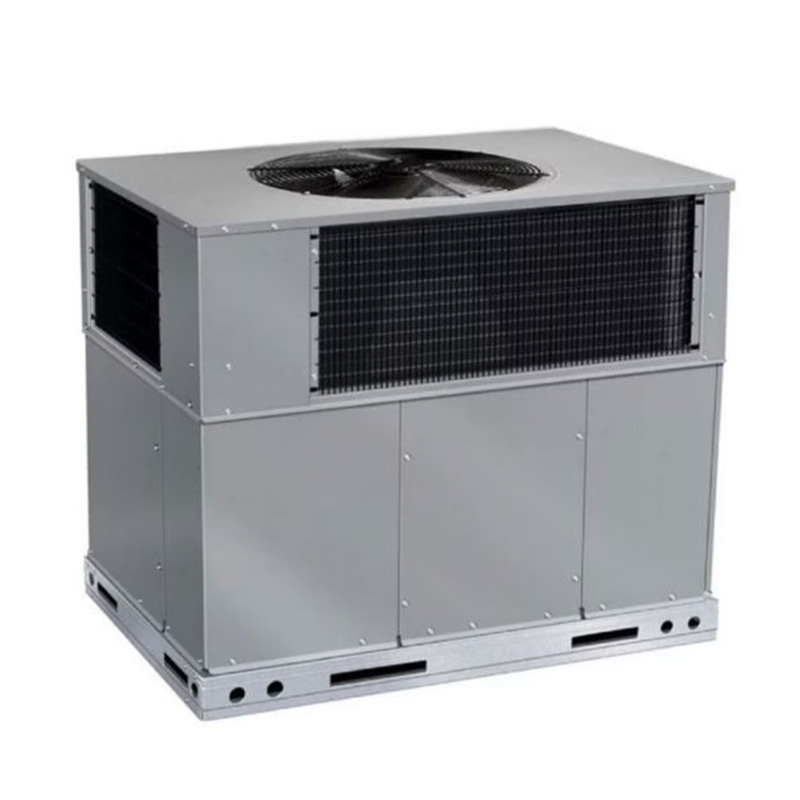
The ACiQ 4-ton package unit heat pump is a self-contained, all-in-one system that houses the compressor, coil, and air handler in a single outdoor cabinet. That makes it the right call for homes without a utility closet or attic space for a separate air handler, or for manufactured homes, additions, and light commercial spaces where downflow or horizontal airflow is the only practical option. At 4 tons, it is sized for roughly 1,800 to 2,400 square feet depending on your climate, insulation, and local load calculations, so a Manual J assessment before purchase is worth the time.
The 13.4 SEER2 rating sits at the federal minimum efficiency tier for new equipment sold in most U.S. regions as of 2023. That is not a knock on the unit, it just means you are buying baseline efficiency rather than a premium efficiency upgrade. Operating costs will be lower than older 10 or 13 SEER systems you may be replacing, but noticeably higher than a 16 or 18 SEER2 variable-speed alternative. The system runs on R-454B, a low-global-warming-potential refrigerant that replaces R-410A, which is being phased down. That future-proofs the refrigerant side of the equipment and keeps it compliant with evolving EPA regulations, though it also means any technician who services it will need the updated 608 certification for A2L refrigerants.
The ACiQ 4-ton package heat pump is a competitive entry-level option for buyers who need a downflow or horizontal package configuration and want to avoid dealer markup on warranty coverage. The trade-off is baseline efficiency, an undisclosed manufacturer, and thinner long-term reliability data than you get with a legacy brand. It makes sense as a budget-first replacement but demands careful contractor vetting since there is no factory dealer network behind it.
Overall score is the average of the five ratings above.
What we like
- Price undercuts name-brand package units in the same efficiency tier
- 12-year parts warranty ships with the unit at no added dealer cost
- R-454B refrigerant is forward-compatible with upcoming EPA phase-down rules
- Package configuration simplifies installation where indoor equipment space is unavailable
- Early owner feedback points to quiet operation and responsive customer support
Trade-offs
- 13.4 SEER2 is minimum-tier efficiency, so long-term energy savings are modest compared to higher-SEER2 alternatives
- Manufacturer identity is not disclosed, making parts cross-referencing and service history harder to verify
- No factory dealer network means warranty service depends entirely on finding an independent contractor willing to handle the brand
- Consumer Reports has not yet assigned a reliability score due to insufficient long-term data on the brand
What homeowners and pros say about ACiQ
Early owners of ACiQ equipment tend to report that the units run quietly and that the company responds when problems arise, which matters for a direct-to-consumer brand without a local dealer to absorb complaints. Because ACiQ is relatively new, Consumer Reports has not yet collected enough long-term data to assign a reliability score, so there is no independent third-party benchmark to point to yet. That is not unusual for a newer brand, but it is a real gap compared to Carrier or Trane, where decades of field data inform reliability estimates. Forum discussion suggests the underlying hardware may come from the ICP and Carrier manufacturing family, but that has not been confirmed and should not be treated as settled fact when making a purchase decision.
From a contractor perspective, the documented friction points with ACiQ and similar direct-sale brands center on parts sourcing and service responsibility. Because the manufacturer is not disclosed, a technician cannot easily cross-reference a failed capacitor, coil, or compressor to a widely stocked OEM equivalent the way they can with a named brand. Coil integrity, capacitor reliability, and compressor lifespan are the components that define long-term value in any heat pump, and with a newer brand those are precisely the areas where field data is still accumulating. The upside the brand consistently offers is the 12-year parts warranty arriving without dealer inflation, which removes one of the more frustrating variables in budget equipment purchasing.
Sources: Consumer Reports heat pump ratings, HVACDirect on the ACiQ brand, AHRI Directory of Certified Product Performance, U.S. DOE appliance and equipment efficiency standards.
What it costs to run
At 13.4 SEER2, cooling this 4-ton system for a typical 1200-hour cooling season at the U.S. average electricity rate of $0.17/kWh works out to roughly $731 per year in cooling, about $0 less per year than a minimum-efficiency 13.4 SEER2 unit of the same size. Your real cost depends on your climate and local rate.
Method: (48,000 BTU/hr ÷ 13.4 SEER2) × 1200 hours ÷ 1000 × $0.17/kWh. Rate source: U.S. EIA average; cooling hours: moderate-climate estimate.
How it compares
| Brand | Comparable model | SEER2 | Stage | Price position |
|---|---|---|---|---|
| ACiQ | 4-Ton Package Heat Pump 13.4 SEER2 Downflow/Horizontal R-454B | 13.4 | Single-stage | Value pick |
| Carrier | WeatherMaster 50XC Series Package Heat Pump | 14.0-15.0 | Single-stage | Moderately higher than ACiQ with dealer network markup |
| Trane | XR14c Package Heat Pump | 14.0 | Single-stage | Higher than ACiQ reflecting brand premium and dealer distribution |
| Lennox | XPH14 Package Heat Pump | 14.0 | Single-stage | Higher than ACiQ with Lennox dealer pricing and installation included |
Competitor rows are comparable single-stage units at similar efficiency; price is relative position, not a quote.
Questions about this system
Can any licensed HVAC contractor install this unit, or does it need to be an ACiQ-authorized dealer?
ACiQ sells direct and does not operate a factory dealer network, so any licensed HVAC contractor can install it. The practical challenge is that some contractors are reluctant to install equipment they did not supply, and you will want to confirm the technician has updated EPA 608 certification to handle R-454B, the A2L refrigerant this unit uses.
What does the 12-year warranty actually cover, and are there registration requirements?
ACiQ advertises a 12-year parts warranty, but you should read the warranty document carefully before purchase to confirm what triggers the coverage, whether registration within a specific window is required, and whether labor costs are included or are your responsibility. Labor is typically not covered under parts-only warranties.
Is 13.4 SEER2 going to cost me noticeably more to run than a higher-efficiency unit?
Yes, compared to a 16 or 18 SEER2 system the operating cost difference over a decade can be meaningful depending on your local electricity rates and how many cooling and heating hours your climate demands. The savings on upfront cost may or may not offset higher utility bills depending on how long you own the home, so running a rough payback calculation with your utility rate is worthwhile.
Since the manufacturer is not publicly disclosed, how hard is it to find replacement parts?
ACiQ parts are available through AC Direct's parts channel, but because the underlying manufacturer has not been confirmed, cross-referencing components to widely stocked aftermarket suppliers is more difficult than with a Carrier or Trane unit. A local contractor who has not worked with ACiQ before may face longer lead times sourcing parts if something needs replacing outside the warranty period.
Does this unit work as a standalone heating and cooling system, or does it need a backup heat source in cold climates?
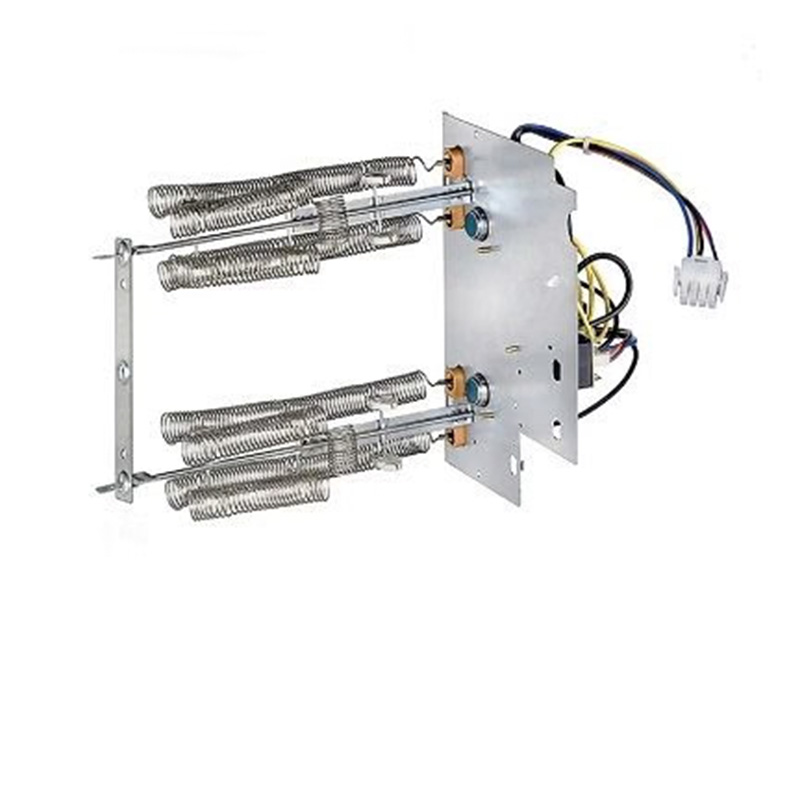
Package heat pumps have a heating capacity that drops as outdoor temperatures fall, and at sustained temperatures below around 30 to 35 degrees Fahrenheit most single-stage units at this efficiency tier will struggle to maintain setpoint without a supplemental heat strip. Check the unit's published heating capacity at low ambient temperatures and plan for auxiliary electric heat strips if you are in a cold climate.
Specifications
| Cooling capacity | 4 Ton |
| Efficiency | 13.4 SEER2 |
| Configuration | Downflow |
| Refrigerant | R-454B |