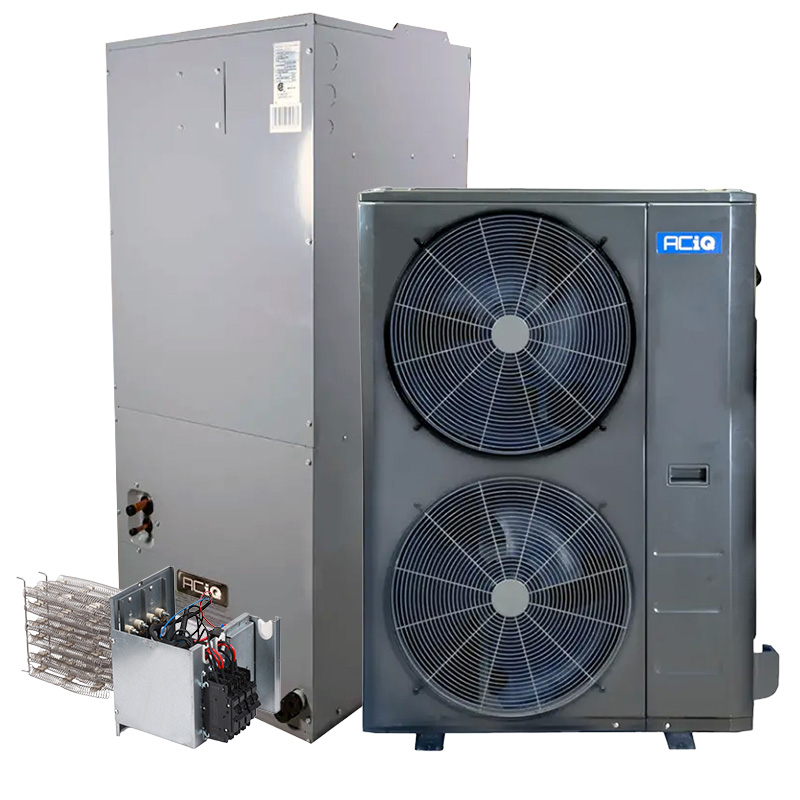
ACiQ 4 Ton Split Heat Pump AC System | 16.5 SEER2 High Efficiency Inverter Heats Down To -22° F and Beyond | R454B
View on AC Direct see your lowest price →Check current price on AC Direct →
Key features
- 16.5 SEER2 variable-speed inverter compressor for continuous capacity modulation
- Rated heating operation down to -22°F outdoor ambient temperature
- R-454B low-GWP refrigerant, compliant with current EPA guidelines
- 4-ton capacity suited to larger residential applications
- 12-year parts warranty included, with no dealer markup added to the base price
- Direct-to-consumer distribution model reduces purchase price versus dealer-channel brands
About this system
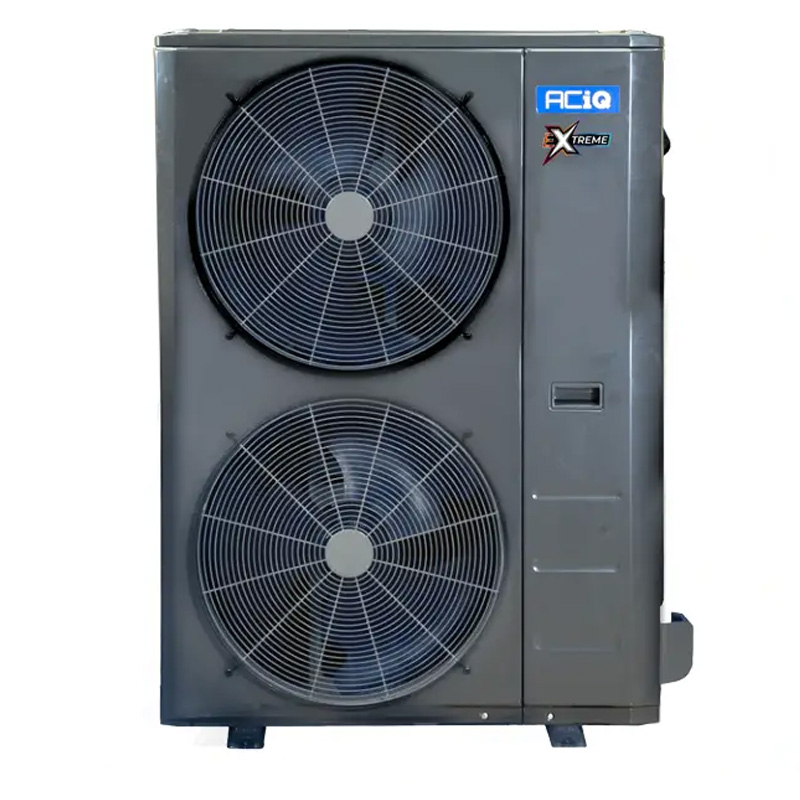
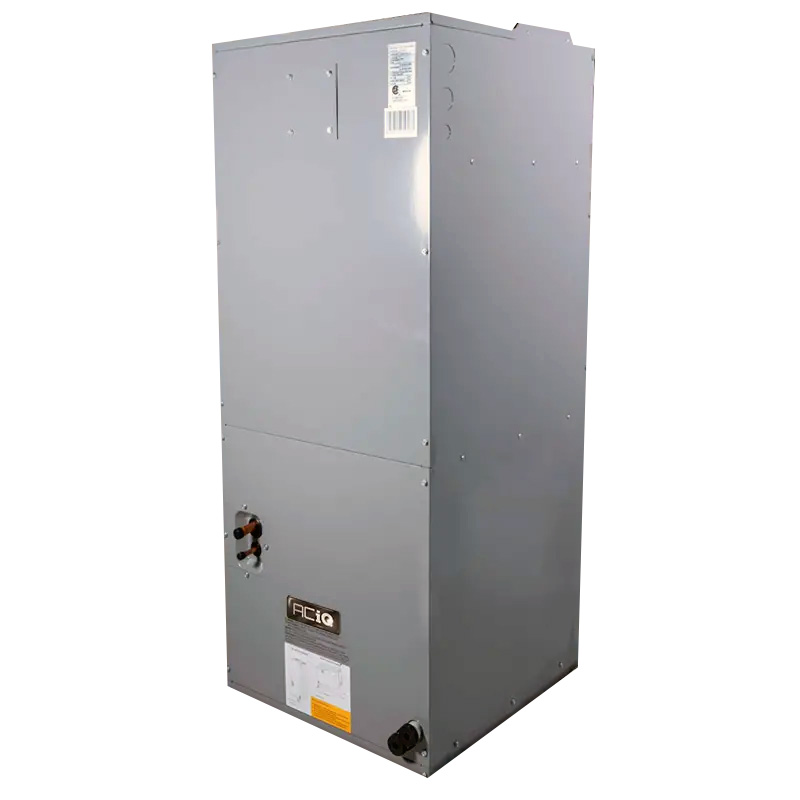
The ACiQ 4-ton 16.5 SEER2 split heat pump is built around a variable-speed inverter compressor and is rated to extract usable heat from outdoor air down to -22°F, putting it in the same functional category as cold-climate heat pumps from far pricier name brands. At 4 tons it is sized for larger homes, typically in the 1,800 to 2,400 square foot range depending on climate zone and insulation, and the R-454B refrigerant charge brings it in line with current EPA low-GWP requirements. The inverter drive means the compressor modulates output continuously rather than cycling on and off at full blast, which translates to steadier indoor temperatures, lower sound levels during normal operation, and meaningfully reduced energy consumption compared to single-stage equipment at the same nominal SEER2 number.
This system suits budget-conscious homeowners in colder climates who want variable-speed performance without paying name-brand dealer markup, and it is especially relevant for anyone replacing aging R-22 or R-410A equipment and wanting to future-proof against refrigerant regulations. The direct-to-consumer model removes the distributor and dealer layer from the price, which is a real financial advantage, but it also means installation and any future service depend entirely on finding a qualified independent contractor willing to work on a brand they may not stock parts for. Buyers should confirm that a local contractor is comfortable with the unit before purchasing.
The ACiQ 4-ton 16.5 SEER2 heat pump delivers genuine cold-climate inverter performance at a price point that undercuts comparable variable-speed systems from Carrier, Trane, and Lennox by a meaningful margin. Early owner feedback is largely positive, but the brand is new enough that long-term reliability is unproven, and the undisclosed manufacturer makes parts sourcing and contractor familiarity real practical concerns. For a cost-conscious buyer with a willing local contractor, it is a credible choice; for buyers who prioritize established service networks and documented multi-year track records, the calculus is less clear.
Overall score is the average of the five ratings above.
What we like
- 16.5 SEER2 is a legitimately high-efficiency rating, not an entry-level number, and reflects real inverter hardware
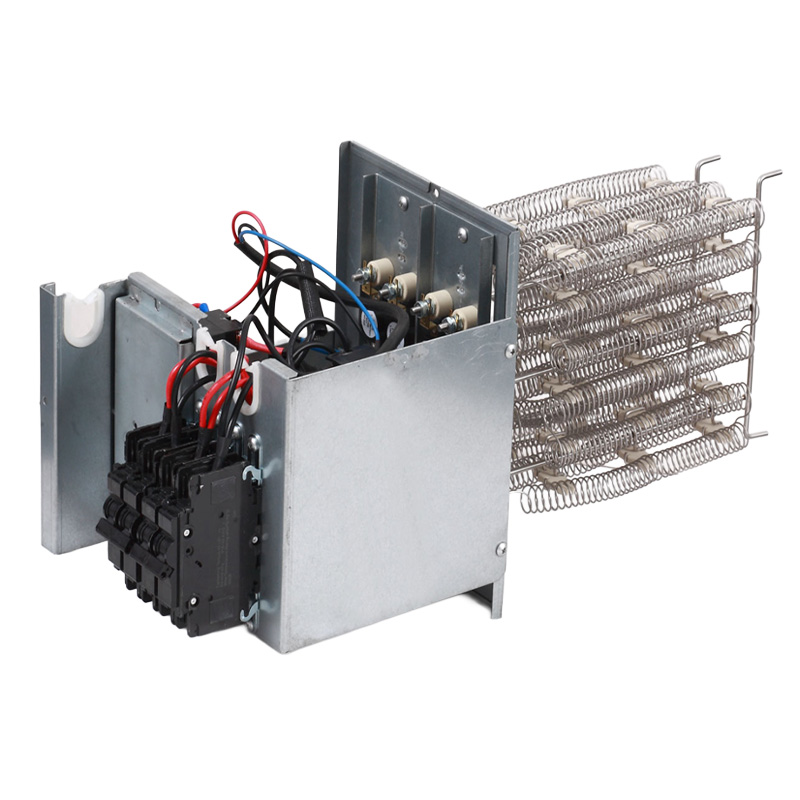
- -22°F low-ambient heating rating reduces or eliminates dependence on backup electric resistance heat in most U.S. climates
- 12-year parts warranty is longer than the 10-year standard on most name-brand equipment sold through dealers
- Inverter compressor modulation keeps sound levels low during typical part-load operation
- R-454B refrigerant avoids the phasedown risk that still hangs over R-410A equipment
Trade-offs
- The actual manufacturer is not publicly disclosed, making it harder for contractors to cross-reference parts, service bulletins, or failure history
- Consumer Reports has not yet assigned a reliability score due to insufficient long-term field data, so buyers are relying on early reviews rather than actuarial evidence
- No factory dealer network means service quality depends entirely on whichever independent contractor you can find locally
- A 4-ton inverter system with cold-climate capability is a complex install; wiring, line sets, and commissioning must be done correctly or efficiency and reliability will both suffer
What homeowners and pros say about ACiQ
Early owners of ACiQ equipment report quiet operation and consistent comfort once the system is properly commissioned, and responsive customer support from AC Direct is a recurring positive theme in Google and independent retailer reviews. Consumer Reports has not yet assigned ACiQ a reliability score because the brand is too new to the market to have accumulated the kind of long-term failure-rate data that informs their rankings, which is an honest limitation buyers should weigh. The most frequently cited concern among HVAC forum participants is not the hardware itself but the service ecosystem: because the manufacturer is undisclosed, a contractor who encounters a problem cannot easily pull up a service history or cross-reference parts with a familiar brand family, and that ambiguity makes some professionals reluctant to touch the equipment.
On the specific question of failure modes, the documented risks align with what you would expect from any inverter-driven heat pump rather than anything ACiQ-specific: capacitor degradation over time, refrigerant coil integrity under repeated thermal cycling, and the long-term durability of the inverter-driven compressor itself are the components that bear watching. None of these are known to be disproportionate problems for ACiQ units at this early stage, but the absence of a long field record means that assessment is provisional. For a buyer who does thorough homework, lines up a contractor in advance, and registers the warranty properly, ACiQ’s pricing advantage over name brands is real and the early evidence is encouraging, even if the full picture will not be clear for several more years.
Sources: Consumer Reports heat pump ratings, HVACDirect on the ACiQ brand, AHRI Directory of Certified Product Performance, U.S. DOE appliance and equipment efficiency standards.
What it costs to run
At 16.5 SEER2, cooling this 4-ton system for a typical 1200-hour cooling season at the U.S. average electricity rate of $0.17/kWh works out to roughly $593 per year in cooling, about $138 less per year than a minimum-efficiency 13.4 SEER2 unit of the same size. Your real cost depends on your climate and local rate.
Method: (48,000 BTU/hr ÷ 16.5 SEER2) × 1200 hours ÷ 1000 × $0.17/kWh. Rate source: U.S. EIA average; cooling hours: moderate-climate estimate.
How it compares
| Brand | Comparable model | SEER2 | Stage | Price position |
|---|---|---|---|---|
| ACiQ | 4-Ton 16.5 SEER2 Inverter Heat Pump (R-454B) | 16.5 | Variable | Value pick |
| Carrier | Infinity 24 (25VNA0) | 16.0-22.0 depending on configuration | Variable | Significantly higher, sold through dealer network with markup |
| Trane | XV20i (4TWV0) | Up to 20 SEER2 | Variable | Significantly higher, dealer-installed with regional pricing variation |
| Lennox | XP21 Series | Up to 17.8 SEER2 | Variable | Higher, available through Lennox dealer network only |
Competitor rows are comparable single-stage units at similar efficiency; price is relative position, not a quote.
Questions about this system
Will a standard HVAC contractor be able to install and service this unit, or does it require ACiQ-specific training?
Any licensed contractor who works with inverter-driven split systems and R-454B refrigerant can install the unit, since no proprietary ACiQ certification exists. The practical issue is that some contractors are reluctant to install equipment they did not sell, and parts sourcing can be less straightforward than with brands carried by local HVAC distributors, so it is worth confirming contractor willingness before you buy.
Does the -22°F heating rating mean the system heats effectively at that temperature, or just that it will not shut off?
At extreme low ambient temperatures, an inverter heat pump runs at maximum capacity and its COP drops significantly, so it is producing far less heat per watt at -22°F than at 17°F or 47°F. The rating means the compressor is engineered to operate without lockout at that temperature, but supplemental heat strips or a backup heat source are still advisable for sustained deep-cold periods in most installations.
Is the 12-year warranty valid if a homeowner hires their own contractor rather than going through ACiQ's network?
ACiQ sells direct and does not maintain a contractor network, so the warranty is designed to apply through independent installation; review the specific warranty documentation for registration requirements and any conditions around licensed installation, since coverage typically requires the unit to be installed by a licensed HVAC technician.
Who actually manufactures ACiQ equipment, and does it matter for parts availability?
ACiQ is AC Direct's house brand and the underlying manufacturer has not been publicly disclosed, though forum discussion points toward a connection to the ICP and Carrier manufacturing family without confirmation. It matters practically because if a part fails outside warranty, your contractor may not be able to simply pull a cross-referenced component from a local supply house the way they could with a Carrier, Goodman, or Trane unit.
How does 16.5 SEER2 compare to what is currently available, and is it worth paying more for higher efficiency?
16.5 SEER2 is a solid mid-to-upper tier rating for a split heat pump; minimum federal standards currently sit around 14.3 SEER2 for this size and region, so this unit is meaningfully above the floor. Going to 18 or 20 SEER2 yields additional savings but at a steeper price premium, and the payback period lengthens; for most households 16.5 SEER2 hits a reasonable balance between upfront cost and operating efficiency.
Specifications
| Cooling capacity | 4 Ton |
| Efficiency | 16.5 SEER2 |
| Refrigerant | R-454B |