ACiQ 48000 BTU 6 Zone / Room Mini Split Heat Pump AC System | Heats Down To -13°F & Beyond | Choose Your Indoor Units | R454B

View on AC Direct see your lowest price →Check current price on AC Direct →
Key features
- 48,000 BTU (4-ton nominal) multi-zone capacity supports up to 6 indoor units simultaneously
- Inverter-driven variable-speed compressor for part-load efficiency and quiet operation
- Cold-climate heat pump rated to operate in heating mode down to -13°F and beyond
- R-454B refrigerant: lower global-warming potential, compliant with current EPA phase-down trajectory
- 12-year warranty included at purchase with no dealer markup or registration hurdle
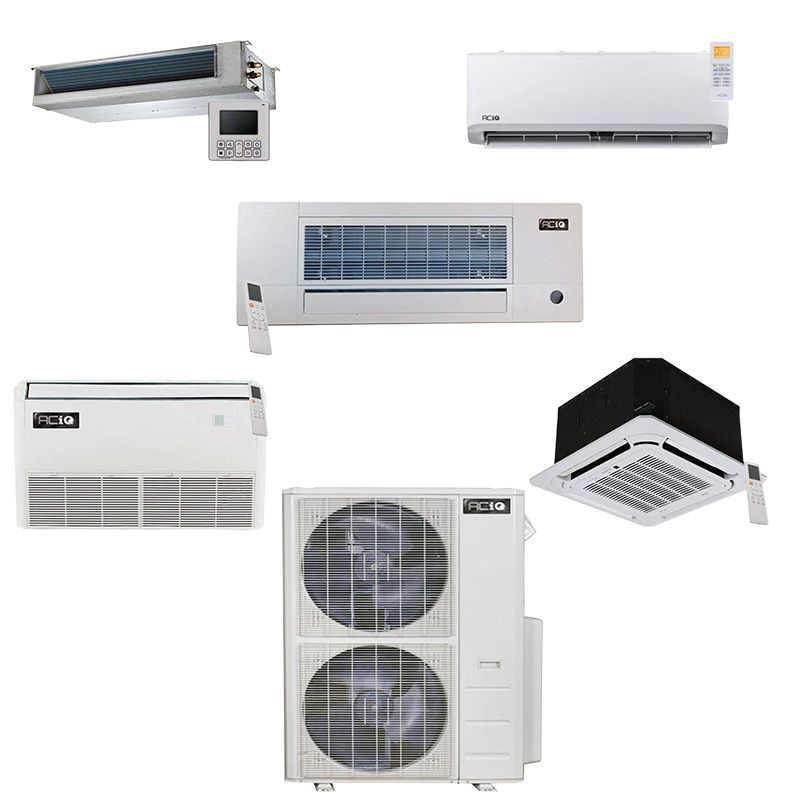
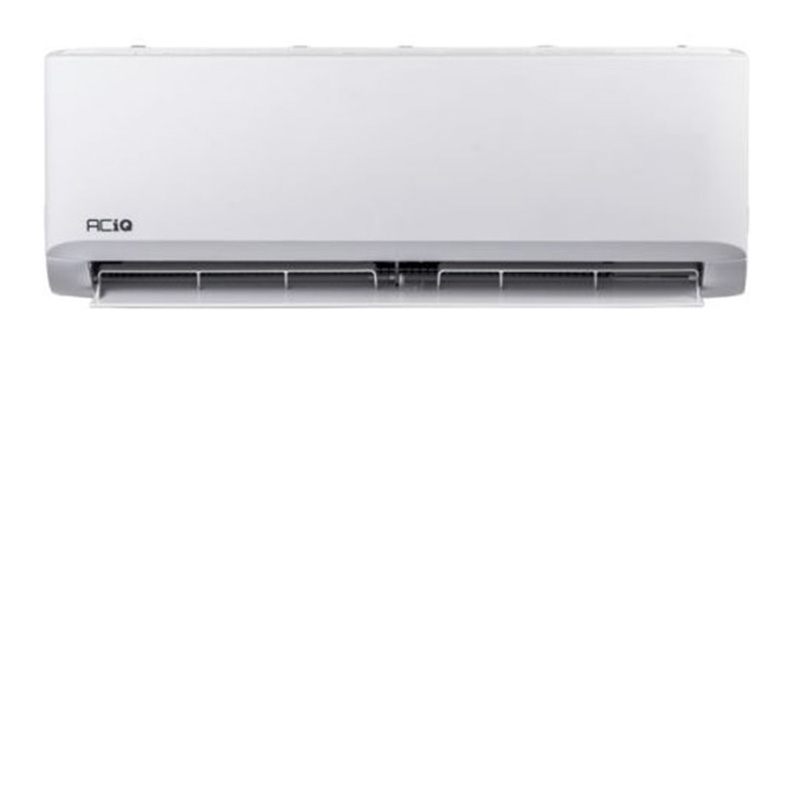
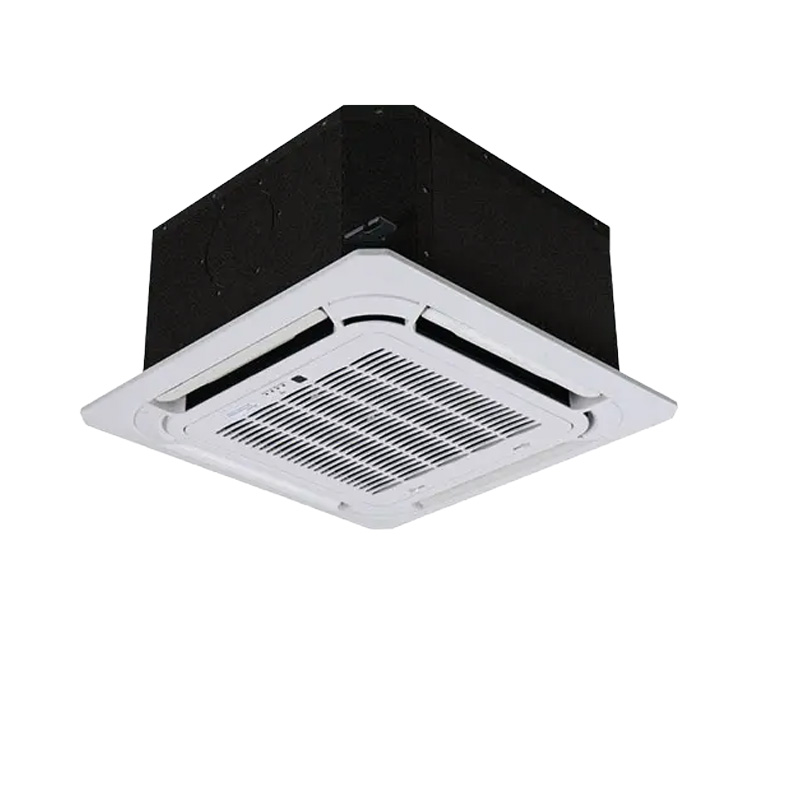
- Mix-and-match indoor unit selection lets buyers choose wall cassettes, ceiling cassettes, or other styles per zone
About this system
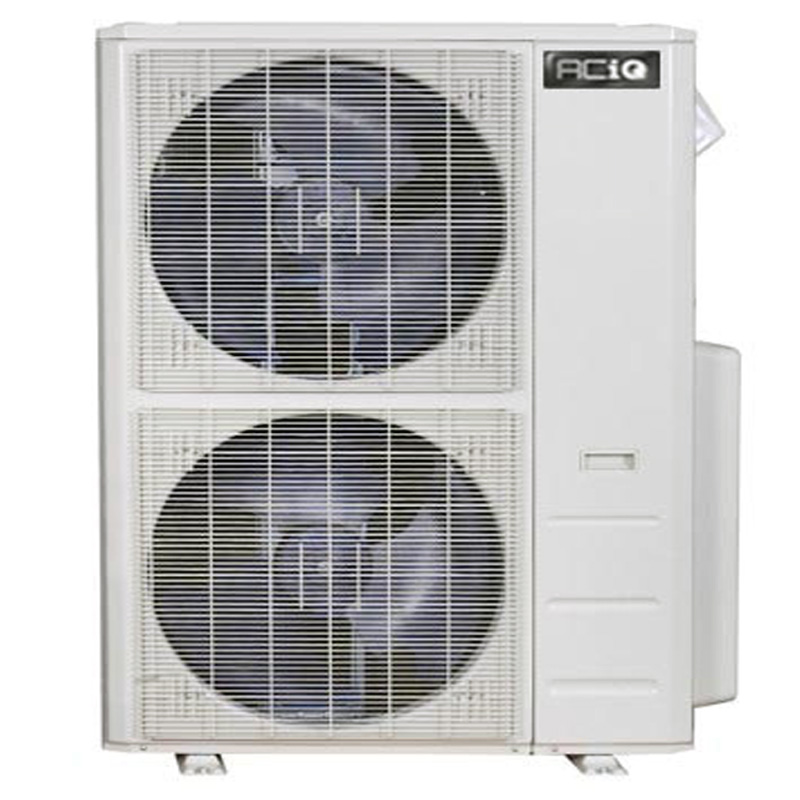
The ACiQ 48,000 BTU six-zone mini split system is a ductless heat pump platform designed for homeowners who need to condition multiple rooms or spaces simultaneously without running new ductwork. At four nominal tons of capacity, it can serve up to six indoor units at once, making it a practical fit for larger homes, multi-room additions, workshops with attached living quarters, or light commercial spaces where zoning flexibility matters. The system runs on R-454B refrigerant, a lower global-warming-potential replacement for R-410A that aligns with current EPA phase-down requirements, so you are not buying into a refrigerant that will be harder to source in coming years.
ACiQ is AC Direct’s value house brand, and this system follows the brand’s core proposition: inverter-driven variable-speed compressor technology, a cold-climate heat pump rating that allows heating operation down to -13 degrees Fahrenheit and beyond, and a 12-year warranty, all at a price point that undercuts Mitsubishi, Daikin, and Fujitsu equivalents by a meaningful margin. The trade-off is that ACiQ is a newer brand without the long independent reliability record those names carry, the actual manufacturer is not publicly disclosed, and service depends on finding an independent contractor rather than a brand-certified dealer network. Buyers who are comfortable with that uncertainty and who prioritize upfront cost savings will find the specifications competitive; buyers who want a proven multi-decade track record and a robust local service infrastructure should factor that gap into the decision.
The ACiQ 6-zone 48,000 BTU system offers genuinely competitive specifications, cold-climate heating capability, and a 12-year warranty at a price that beats most name-brand equivalents by a noticeable margin. The honest caveat is that the brand is relatively new, Consumer Reports has not yet ranked it for long-term reliability, and the undisclosed manufacturer makes parts sourcing and service history harder to verify than it would be with a Mitsubishi or Daikin. For budget-conscious buyers willing to accept some uncertainty around long-term support, it is a credible option; for buyers who want a proven 15-year track record before committing, the established Japanese brands are the safer path.
Overall score is the average of the five ratings above.
What we like
- Lower upfront cost than comparable Mitsubishi, Daikin, or Fujitsu six-zone systems
- Cold-climate rated heating to -13°F makes it viable in northern climates without a backup heat source in most conditions
- 12-year warranty ships with the unit at no added cost, which is longer coverage than many competitors offer at this price tier
- R-454B refrigerant is forward-compatible with the EPA's ongoing phase-down of higher-GWP refrigerants
- Early owner feedback is largely positive on quiet operation, reliable startup performance, and responsive customer support
Trade-offs
- No Consumer Reports reliability ranking yet due to insufficient long-term field data, so multi-year failure rates are genuinely unknown
- Undisclosed manufacturer makes it harder to cross-reference parts, service bulletins, or technician familiarity compared to named brands
- Service depends on independent contractors rather than a brand-certified dealer network, which can mean inconsistent installation quality and longer repair wait times depending on your area
- Six-zone multi-split systems require careful load calculation and refrigerant line sizing across all branches; installation complexity is higher than a single-zone unit and mistakes are harder to diagnose later
What homeowners and pros say about ACiQ
Early owner feedback on ACiQ equipment, including multi-zone systems, clusters around three themes: quieter-than-expected operation once the system is running, solid performance through the first one to two heating and cooling seasons, and a customer support team that owners describe as responsive when questions come up. That is an encouraging early signal, but it is worth being direct about what is not yet known. Consumer Reports has not ranked ACiQ due to insufficient long-term data, which means there is no independent source yet tracking how these compressors, coils, or control boards hold up at the five- and ten-year marks. The documented concern that comes up in installer and forum discussions is not a specific ACiQ failure mode so much as a structural one: because the actual manufacturer is not publicly disclosed, a technician who encounters an unfamiliar fault code or needs an obscure replacement part cannot easily cross-reference the equipment against a parent brand’s service history or parts catalog. That ambiguity is manageable for minor issues but could become a real problem if a major component fails outside the warranty window.
HVAC contractors who have installed ACiQ equipment generally report that the refrigerant circuit and inverter hardware behave like standard industry equipment and are not unusually difficult to work on. The concern professionals raise more often is the direct-sale model itself: without a dealer network, there is no local contractor who has been factory-trained on the brand or who stocks ACiQ-specific parts. For a six-zone system, which has more interconnected components and more potential points of failure than a single-zone unit, that service infrastructure gap is worth thinking through before purchasing. The 12-year warranty is a genuine asset and longer than many competitors offer, but warranty service still depends on finding a contractor willing to do the work, and in some markets that is easier said than done.
Sources: Consumer Reports heat pump ratings, HVACDirect on the ACiQ brand, AHRI Directory of Certified Product Performance, U.S. DOE appliance and equipment efficiency standards.
How it compares
| Brand | Comparable model | SEER2 | Stage | Price position |
|---|---|---|---|---|
| ACiQ | 48,000 BTU 6-Zone Multi-Split Heat Pump (R-454B) | Not publicly specified | Variable (inverter-driven) | Value pick |
| Mitsubishi Electric | MXZ-6C48NAHZ2 (6-zone M-Series) | Up to 18+ SEER2 depending on indoor unit mix | Variable (inverter-driven) | Significantly higher than ACiQ |
| Daikin | 4MXS36TVJU / 5MXS48TVJU series (multi-zone) | 16-18 SEER2 range depending on configuration | Variable (inverter-driven) | Moderately to significantly higher than ACiQ |
| Fujitsu | AOU48RLXFZ1 (Halcyon multi-zone) | 16-18 SEER2 range depending on indoor unit mix | Variable (inverter-driven) | Moderately higher than ACiQ |
Competitor rows are comparable single-stage units at similar efficiency; price is relative position, not a quote.
Questions about this system
Can I mix different indoor unit types across the six zones, for example wall-mount heads in bedrooms and a ceiling cassette in a living area?
ACiQ's mix-and-match configuration is one of the system's selling points, and the platform is designed to accept different indoor unit styles on the same outdoor unit. You should confirm that the total combined BTU load of your chosen indoor units does not exceed the outdoor unit's capacity and that each indoor unit model is explicitly listed as compatible, since not all cassette types are interchangeable across every configuration.
How does the -13°F heating rating work in practice, and do I still need supplemental heat?
The cold-climate rating means the compressor can extract heat from outdoor air and deliver it indoors even when outdoor temperatures drop to -13°F and somewhat below, which is a genuine advantage over standard heat pumps that lose most of their heating output below 20 to 25°F. In practice, capacity and efficiency both decrease as temperatures drop, so in climates that regularly see extended periods well below zero you may still want supplemental heat for the coldest nights, but for most cold-climate regions this system can serve as a primary heat source.
If I need a repair, how do I find a qualified technician since ACiQ does not have a dealer network?
ACiQ sells direct and relies on independent HVAC contractors for installation and service, so you will need to find a licensed local contractor who is comfortable working on a brand they may not have installed before. This is manageable for many contractors since the underlying refrigerant and inverter technology is industry-standard, but it does mean you cannot call a brand-certified service center, and some contractors will decline to service equipment they did not supply.
What does the 12-year warranty actually cover, and are there registration or contractor requirements to validate it?
ACiQ advertises the 12-year warranty as included at purchase without a dealer markup or separate registration fee, which is a meaningful differentiator from brands that require professional registration to unlock full coverage. You should read the warranty document carefully before purchasing to confirm exactly what components are covered, what exclusions apply, and whether professional installation by a licensed contractor is required to keep the warranty valid, since that is a common condition on extended coverage terms.
Is R-454B refrigerant more expensive or harder to source than R-410A right now?
R-454B is a newer refrigerant and is not yet as universally stocked as R-410A, so some smaller HVAC shops may not carry it on their service trucks today. However, because R-410A is being phased down under EPA rules, R-454B and similar lower-GWP refrigerants are where the industry is heading, which means availability is expected to improve over time rather than shrink, making this a more future-compatible choice than a system still running on R-410A.
Specifications
| Furnace output | 48000 BTU |
| Refrigerant | R-454B |