Daikin 10 Ton AC And 240000 BTU Gas/Electric Commercial Package Unit – 14.8 IEER, Two Stage, 81% AFUE, R32
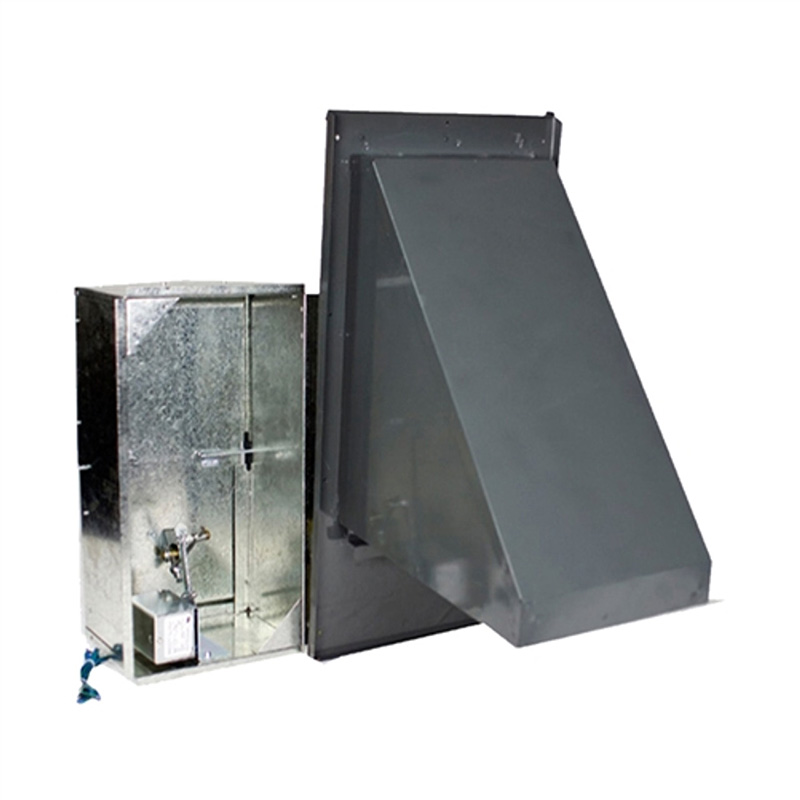
View on AC Direct see your lowest price →Check current price on AC Direct →
Key features
- 240,000 BTU (10-ton) cooling capacity for large commercial spaces
- Two-stage compressor operation for improved humidity control and part-load efficiency
- 81% AFUE gas heating section in a single packaged cabinet
- 14.8 IEER efficiency rating measured under real-world part-load conditions
- R-32 refrigerant with lower global warming potential than R-410A
- 12-year parts warranty with required registration within 60 days of installation
About this system
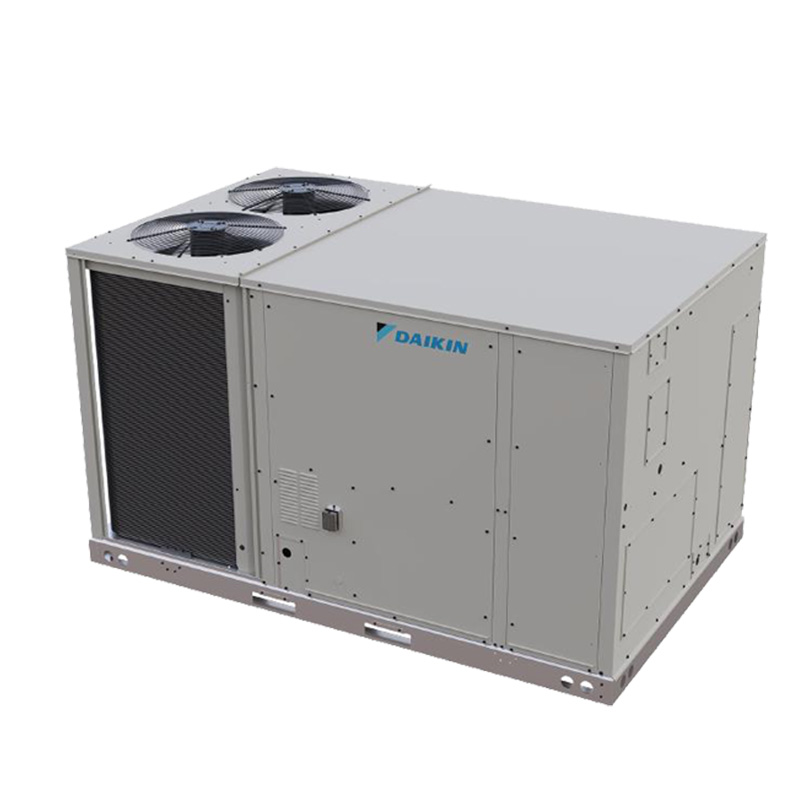
The Daikin 10-ton gas/electric commercial package unit is a self-contained rooftop or ground-level system that combines 240,000 BTU of cooling capacity with an 81% AFUE gas furnace in a single cabinet. That configuration makes it a strong fit for light commercial buildings, large retail spaces, warehouses, schools, or any application where running refrigerant lines or gas piping separately through a structure is impractical or code-restricted. At 10 tons, this unit is firmly in commercial territory and should be sized by a licensed mechanical engineer or experienced commercial HVAC contractor using a proper Manual J or ACCA-equivalent load calculation.
The two-stage operation is a meaningful upgrade over single-stage units at this capacity. Running at the lower stage the majority of the time reduces short-cycling, improves humidity control in the conditioned space, and extends compressor life compared to a unit that bangs on and off at full load constantly. The 81% AFUE gas section sits at the baseline efficiency tier for commercial packaged gas heating; it is code-compliant in most jurisdictions but not a high-efficiency rating, meaning roughly 19 cents of every heating dollar goes out the flue. R-32 refrigerant carries a lower global warming potential than the R-410A it replaces in many product lines, which is relevant to facilities managers tracking environmental compliance. The 14.8 IEER rating reflects integrated part-load energy efficiency, a more realistic commercial efficiency metric than peak-load SEER2.
Installation of a 10-ton packaged unit is a serious commercial job. It typically requires a crane or equipment lift for rooftop placement, 3-phase electrical service, gas line sizing, curb or pad work, and ductwork connections. This is not a DIY or residential contractor project. Budget for professional commissioning, which Daikin requires for the warranty to be valid and which is genuinely important at this capacity to verify refrigerant charge, gas pressure, airflow, and controls before the building occupants depend on it.
The Daikin 10-ton gas/electric package unit is a well-built, two-stage commercial system from the world's largest HVAC manufacturer, with above-baseline efficiency and a strong durability reputation among industry experts. The 81% AFUE heating section is not high-efficiency, and Daikin's documented weaknesses in parts availability and service responsiveness are a genuine operational risk for a commercial building that cannot afford extended downtime. Buyers who secure a strong service contract with a Daikin-authorized commercial contractor will get the most out of this platform.
Overall score is the average of the five ratings above.
What we like
- Two-stage operation reduces short-cycling and improves humidity control at large capacities
- Daikin is consistently rated among the longest-lasting brands by HVAC experts and Consumer Reports
- R-32 refrigerant positions the unit well for tightening environmental regulations
- 14.8 IEER reflects real-world part-load efficiency, meaningful for buildings with varying occupancy
- Single packaged cabinet simplifies installation by consolidating heating and cooling in one unit
Trade-offs
- 81% AFUE is baseline efficiency for gas heating; higher-efficiency alternatives exist at this capacity
- Electronic control boards and circuit errors are the most commonly documented failure mode across Daikin commercial units
- Parts availability and warranty claim handling are Daikin's most persistent service complaints, which is a serious concern at commercial scale
- Premium brand pricing means higher upfront cost compared to several competitors at similar efficiency tiers
What homeowners and pros say about Daikin
Among HVAC professionals who work with commercial package equipment, Daikin occupies an interesting position: respected for build quality and expected longevity, but approached with caution when it comes to service and parts logistics. Industry forums and contractor communities frequently cite Daikin as a brand that holds up well mechanically over the long run, consistent with Consumer Reports placing it among the longer-lasting brands in durability assessments. The concern that comes up repeatedly is what happens when something does go wrong. Parts lead times and warranty processing are the most persistent complaints in Daikin’s documented service record, and at 10-ton commercial capacity, a unit sitting down waiting on a control board or compressor part is a serious operational and financial problem for a building owner.
The specific failure modes worth knowing before committing to this platform are electronic control board and circuit board errors, which represent the most frequently documented issue category on Daikin commercial equipment and can manifest as error codes, unresponsive controls, or complete shutdowns. Compressor degradation and increased noise on startup and shutdown are also documented over time. PissedConsumer rates Daikin around 1.4 out of 5, though that platform skews heavily toward complaint-driven reviews and does not reflect the full ownership population. The more balanced picture from experts and trade professionals is a brand that earns its durability reputation but requires a committed, Daikin-authorized service contractor relationship to manage the service side of ownership effectively.
Sources: PissedConsumer Daikin reviews, AHRI Directory of Certified Product Performance, U.S. DOE appliance and equipment efficiency standards, Daikin product specifications.
How it compares
| Brand | Comparable model | SEER2 | Stage | Price position |
|---|---|---|---|---|
| Daikin | 10-Ton Gas/Electric Commercial Package Unit (this unit) | N/A (14.8 IEER) | Two-stage | Premium tier |
| Carrier | WeatherMaster 50XC / 48XC Series (10-ton) | N/A (IEER rated) | Two-stage | Comparable premium pricing, often slightly higher installed |
| Trane | Precedent PKG Series (10-ton gas/electric) | N/A (IEER rated) | Single-stage or two-stage depending on configuration | Comparable to Daikin; Trane typically in the same premium band |
| Lennox | LCA/LGA Packaged Rooftop Series (10-ton) | N/A (IEER rated) | Single-stage or two-stage depending on model | Generally competitive with Daikin at this capacity; premium positioning |
Competitor rows are comparable single-stage units at similar efficiency; price is relative position, not a quote.
Questions about this system
Is 3-phase power required for a 10-ton packaged unit like this?
Most 10-ton commercial package units, including this Daikin, are designed for 3-phase electrical service, which is standard in commercial buildings but typically absent in residential settings. Confirm the electrical requirements with the unit's submittal data sheet and your licensed electrician before purchase, as retrofitting single-phase service to 3-phase is expensive and sometimes impractical.
What does the 12-year parts warranty actually cover, and what do I need to do to keep it valid?
Daikin's 12-year parts warranty covers the compressor and other major components but requires product registration within 60 days of installation to activate. Daikin also requires installation by a licensed contractor, and failure to register on time typically reduces coverage to a shorter base warranty. Keep all installation paperwork and confirm registration was completed by your contractor.
How does 81% AFUE compare to other commercial packaged gas units, and does it matter for my operating costs?
81% AFUE is the baseline efficiency tier for commercial packaged gas heating and is code-compliant in most U.S. jurisdictions, but it is not a high-efficiency rating. Units in the 90%+ AFUE range are available at this capacity and will cost less to operate annually in heating-dominated climates; in mild climates where heating loads are modest, the payback on higher AFUE may not justify the added cost.
What are the most common failure points I should watch for on this unit?
Based on documented Daikin commercial unit failure patterns, the areas to monitor most closely are the electronic control boards and circuit boards, which are the most frequently cited failure mode and can leave the system throwing error codes or unresponsive. Compressor performance degradation over time and increasing noise on startup and shutdown are also reported. Establishing a preventive maintenance contract that includes annual controls inspection is a worthwhile investment.
Can this unit be installed on a rooftop, and what does that installation typically involve?
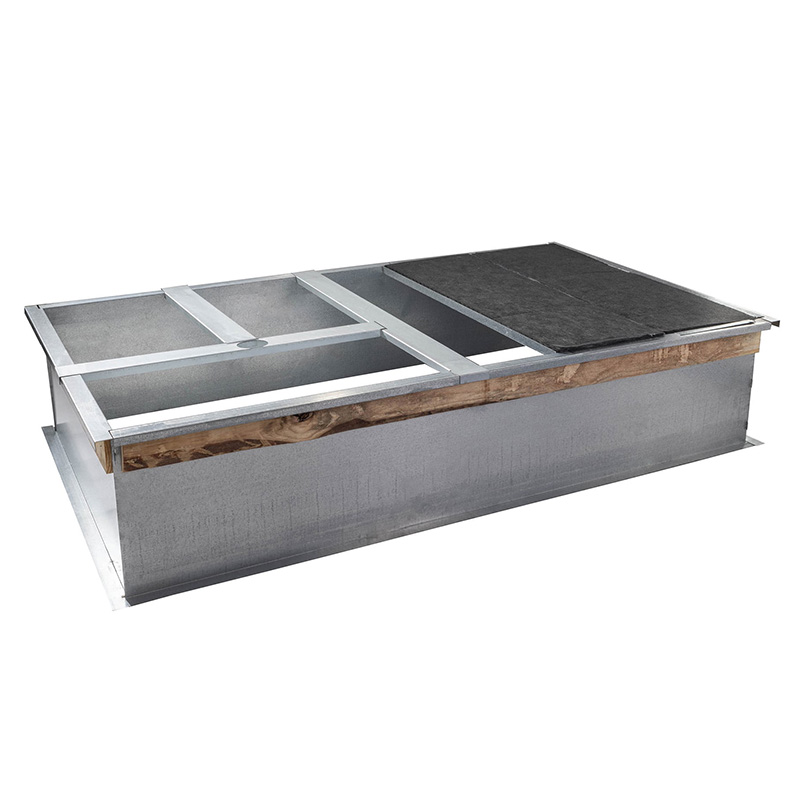
Yes, commercial package units like this are designed for rooftop installation on a properly sized and rated curb, which is typically ordered separately and matched to the unit's footprint. Rooftop placement at 10 tons usually requires a crane or mechanical lift, structural confirmation that the roof deck can carry the unit weight, and coordinated gas, electrical, and duct connections. This is a licensed commercial HVAC and electrical contractor job, and the complexity and crane cost should be factored into the total project budget.
Specifications
| Cooling capacity | 10 Ton |
| Furnace output | 240000 BTU |
| Furnace efficiency | 81% AFUE |
| Refrigerant | R-32 |