Daikin 10 Ton Commercial Package Unit AC With Electric Heat – 15.2 IEER, 460/3/60, Two Stage, R32
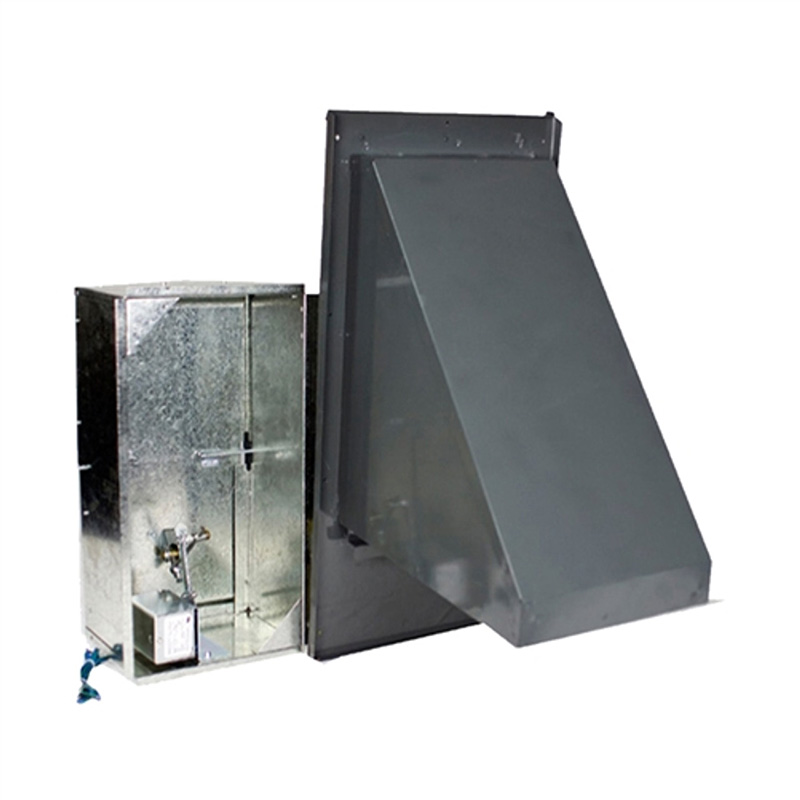
View on AC Direct see your lowest price →Check current price on AC Direct →
Key features
- 10-ton cooling capacity on 460V/3-phase/60Hz commercial power
- 15.2 IEER two-stage compressor for part-load efficiency and dehumidification
- R-32 refrigerant with lower global-warming potential than R-410A
- Self-contained package cabinet combining cooling and electric heat in one unit
- 12-year parts warranty with registration within 60 days of installation
- Two-stage operation reduces energy draw and wear during mild weather
About this system
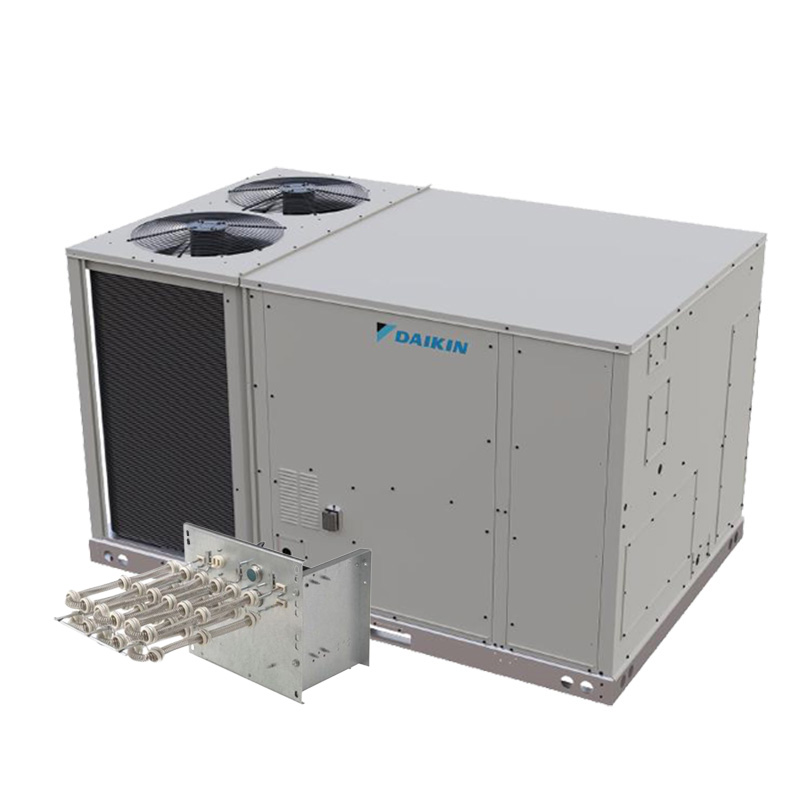
The Daikin 10-ton commercial package unit is a self-contained rooftop or ground-mount system that houses the compressor, condenser coil, evaporator coil, and electric heat strip in a single cabinet. Aimed at light commercial buildings such as small offices, retail spaces, restaurants, and warehouses in the 8,000 to 12,000 square-foot range, it runs on a 460-volt, three-phase, 60 Hz power supply, which is standard commercial electrical service and a hard requirement that rules out most residential applications. The two-stage compressor lets the unit operate at a reduced capacity during moderate weather, cutting run-time energy use and improving dehumidification compared with a single-stage design.
The 15.2 IEER (Integrated Energy Efficiency Ratio) rating is the commercial equivalent of SEER for package equipment and represents a solid mid-tier efficiency position for a 10-ton unit, meaningfully better than code-minimum products but not at the top of the commercial efficiency ladder. The system uses R-32 refrigerant, a lower global-warming-potential option compared with the older R-410A that still dominates much of the commercial market. Electric heat is built in, eliminating the need for a separate gas connection, which simplifies installation on buildings without natural gas service but does mean higher operating costs for heating in cold climates versus a gas-heat equivalent.
This unit is best suited for facilities managers, property owners, or mechanical contractors who need a proven brand with strong build quality, have access to three-phase power, and are comfortable with the premium price point Daikin commands across its commercial line. It is not a fit for single-phase residential or light commercial sites, nor for operators whose primary concern is the lowest upfront cost.
This Daikin 10-ton commercial package unit offers solid mid-tier efficiency, a proven two-stage compressor, and the build durability that puts Daikin among the longer-lasting brands according to Consumer Reports and industry experts. The premium price, documented electronic control issues, and historically inconsistent parts and service support are real trade-offs that facilities managers should weigh before committing.
Overall score is the average of the five ratings above.
What we like
- Two-stage operation improves part-load efficiency and humidity control versus single-stage competitors
- R-32 refrigerant positions the unit well ahead of coming regulatory pressure against higher-GWP refrigerants
- Daikin's build quality and component longevity are consistently recognized by Consumer Reports and HVAC professionals
- 15.2 IEER clears typical code minimums by a meaningful margin, reducing long-term energy costs
- Self-contained cabinet simplifies site installation where separate indoor and outdoor units would be impractical
Trade-offs
- Electronic control board and circuit board errors are the most frequently cited failure mode, occasionally leaving the unit unresponsive
- Parts availability and warranty claims handling draw consistent complaints, which matters significantly on a 10-ton commercial unit with costly downtime
- Electric heat is expensive to operate in cold climates compared with a gas-heat package unit
- Premium brand pricing means higher upfront cost than comparable single-stage or entry-tier commercial units from competing brands
What homeowners and pros say about Daikin
Among facilities managers and commercial HVAC contractors, Daikin’s reputation splits along a clear fault line. Industry professionals and Consumer Reports consistently rank the brand among the longer-lasting options in the market, citing solid component quality and extended equipment life as genuine differentiators. On complaint-heavy platforms like PissedConsumer, however, the brand scores around 1.4 out of 5, a number driven heavily by pricing frustrations and service experience rather than mechanical failure alone. For a 10-ton commercial package unit, the stakes are higher than a residential system, and the documented failure modes become more operationally significant: electronic control board errors and circuit board faults are the most cited issues, sometimes causing the unit to go unresponsive or cycle error codes without obvious cause, which in a commercial setting means lost productivity and emergency service calls.
Compressor performance degradation and outright compressor failure have appeared in documented complaints, and units can become progressively noisier with age, showing rattling or humming on start and stop cycles. For this specific product, the R-32 refrigerant adds a servicing consideration: not every commercial HVAC technician is currently equipped for A2L refrigerants, which can affect response time and cost when the unit needs attention. The parts availability and warranty handling complaints that follow Daikin across its product line are the most practical concern for a 10-ton commercial installation where downtime is not acceptable. Registering within 60 days of installation to secure the 12-year parts warranty, and establishing a service relationship with a Daikin-authorized contractor before a problem occurs, are the two most consistent pieces of advice from experienced operators of this equipment.
Sources: PissedConsumer Daikin reviews, AHRI Directory of Certified Product Performance, U.S. DOE appliance and equipment efficiency standards, Daikin product specifications.
How it compares
| Brand | Comparable model | SEER2 | Stage | Price position |
|---|---|---|---|---|
| Daikin | 10-Ton Commercial Package Unit – 15.2 IEER, Two-Stage, R-32 | N/A (15.2 IEER) | Two-stage | Premium tier |
| Carrier | 50XC / WeatherExpert Series 10-Ton | N/A (IEER ~15.0-15.5 depending on config) | Two-stage | Comparable premium pricing, often slightly above mid-market |
| Trane | Precedent 10-Ton Package Unit (YSC/WSC Series) | N/A (IEER ~14.8-15.2 range) | Single-stage or two-stage depending on model | Premium tier, broadly comparable to Daikin |
| Lennox | LRP16 / Landmark Series 10-Ton Commercial Package | N/A (IEER ~15.0 range) | Single-stage or two-stage depending on configuration | Mid-to-premium tier, often positioned slightly below Daikin and Trane at similar efficiency |
Competitor rows are comparable single-stage units at similar efficiency; price is relative position, not a quote.
Questions about this system
Does this unit require three-phase power, and can I use it on a single-phase 240V supply?
Yes, the 460/3/60 electrical specification means it requires three-phase, 460-volt commercial power. It cannot be adapted to residential single-phase 240V service, so confirm your building's electrical supply before purchasing.
What does the 12-year parts warranty actually cover, and what do I need to do to activate it?
Daikin's 12-year parts warranty covers factory components but requires the unit to be registered with Daikin within 60 days of installation. Missing that window typically drops coverage to a shorter base period, so make sure your installing contractor completes registration promptly.
How does IEER differ from SEER2, and is 15.2 IEER a good rating for a 10-ton commercial unit?
IEER (Integrated Energy Efficiency Ratio) is the efficiency metric used for commercial unitary equipment and reflects performance across a weighted range of operating conditions, similar in concept to SEER2 but not numerically comparable to it. A 15.2 IEER on a 10-ton package unit is a solid mid-tier rating that exceeds typical energy code minimums but is not at the top of the commercial efficiency range.
Why does this unit use R-32 refrigerant, and does that affect servicing or refrigerant cost?
R-32 has a significantly lower global-warming potential than R-410A and is increasingly favored under current and upcoming refrigerant regulations. It requires technicians certified to handle A2L mildly flammable refrigerants and specific recovery equipment, so confirm your service contractor is equipped for R-32 before the unit goes out of warranty.
What are the most common problems reported on Daikin commercial package units like this one?
The most documented issues across Daikin's commercial line are electronic control and circuit board errors that can leave the unit throwing error codes or becoming unresponsive, compressor cooling loss or outright failure in some units, and increasing noise such as rattling or humming on start-up and shutdown. Parts availability and warranty claim processing are the most frequent service-side complaints, which is worth factoring into your service contract planning.
Specifications
| Cooling capacity | 10 Ton |
| Refrigerant | R-32 |