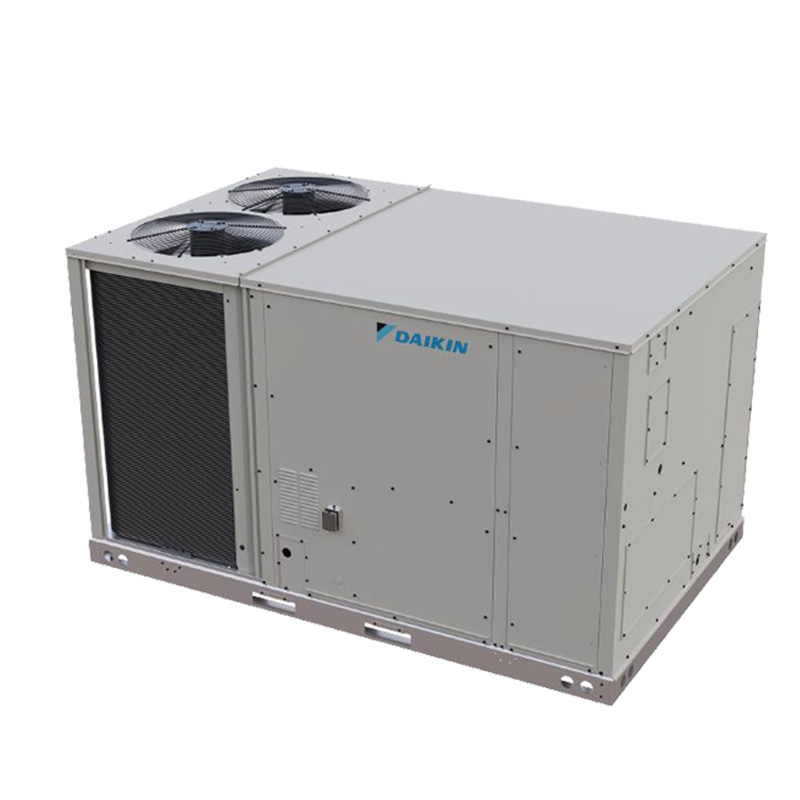
Daikin 12.5 Ton Commercial Package Unit AC Cooling Only – 15.2 IEER, 460/3/60, Two Stage, R32
View on AC Direct see your lowest price →Check current price on AC Direct →
Key features
- 12.5-ton cooling-only commercial package unit with self-contained rooftop or ground-mount cabinet
- Two-stage compression for part-load efficiency and more stable zone temperatures
- 15.2 IEER efficiency rating for competitive part-load energy performance in commercial applications
- R-32 refrigerant with lower global warming potential than R-410A
- 460/3/60 three-phase electrical configuration for commercial power infrastructure
- 12-year parts warranty with required registration within 60 days of installation
About this system
The Daikin 12.5-ton commercial package unit is a self-contained cooling-only system designed for light commercial applications such as small office buildings, retail spaces, warehouses, and schools. All mechanical components, including the compressor, condenser coil, and evaporator, ship in a single cabinet that mounts on a rooftop curb or ground pad, which keeps mechanical equipment out of occupied space and simplifies service access. The 460/3/60 electrical configuration means this unit is built strictly for three-phase commercial power, not residential single-phase supply, so it belongs on projects where a licensed commercial electrician and mechanical contractor are already part of the job.
The two-stage compression is one of the most practically useful features at this tonnage. Rather than cycling fully on and off to meet load, the unit runs at a reduced stage during moderate weather and steps up to full capacity on peak days. That translates to more consistent space temperatures, lower demand spikes on the electric bill, and reduced wear compared to single-stage cycling. The 15.2 IEER (Integrated Energy Efficiency Ratio) rating is the commercial equivalent of a seasonal efficiency metric and sits at a competitive level for rooftop equipment in this class, though it is not the top tier available. R-32 refrigerant has a lower global warming potential than R-410A and is increasingly common in commercial equipment as the industry phases down high-GWP refrigerants, but technicians servicing the unit will need equipment rated for R-32 handling.
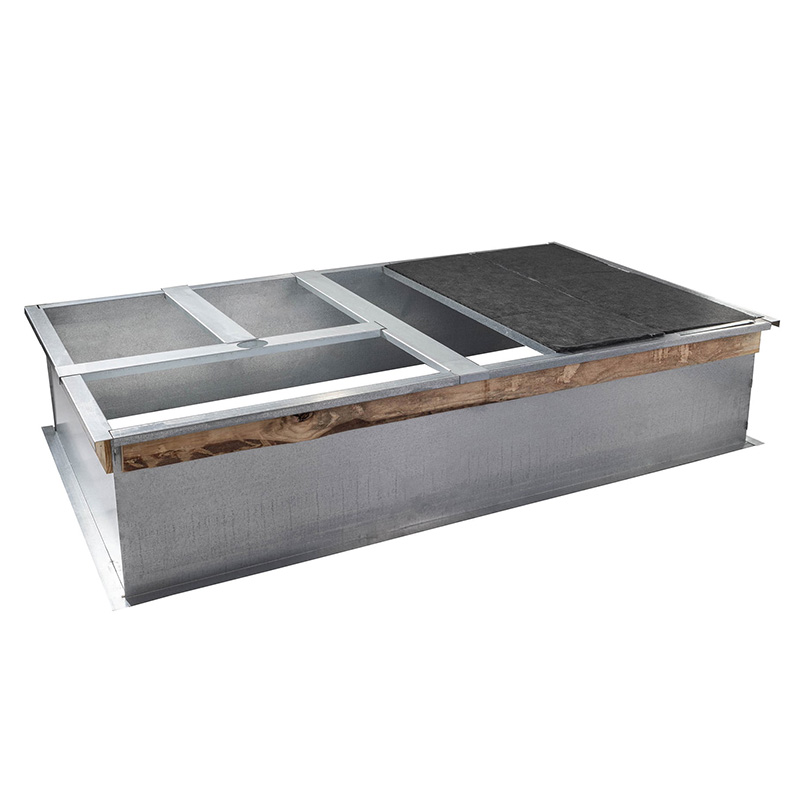
This is a purpose-built commercial product, not a scaled-up residential unit. Buyers should plan for professional commissioning, curb-compatible ductwork, and the electrical infrastructure that three-phase equipment demands. The price point reflects Daikin’s position at the premium end of the commercial market, and the 12-year parts warranty (requiring registration within 60 days of installation) adds meaningful long-term value when installation is handled correctly from the start.
The Daikin 12.5-ton commercial package unit is a well-engineered rooftop system that delivers genuine two-stage efficiency and long-term durability in light commercial settings, backed by one of the better parts warranties in the category. The trade-offs are real: premium acquisition cost, documented electronic control and parts-support issues, and a three-phase requirement that limits the buyer pool to projects with the right electrical infrastructure. It is a sound long-term investment for buyers who can absorb the upfront cost and have reliable commercial service contractors in their area.
Overall score is the average of the five ratings above.
What we like
- Two-stage compression reduces energy consumption and temperature swings during the majority of operating hours when loads are below peak
- 15.2 IEER is a competitive efficiency figure for commercial rooftop equipment at this tonnage
- Daikin's build quality is consistently rated among the most durable in the industry by HVAC experts and Consumer Reports
- R-32 refrigerant positions the unit favorably as regulations on high-GWP refrigerants tighten
- 12-year parts warranty is longer than the industry standard when registered on time
Trade-offs
- Electronic control boards and circuit board errors are the most frequently documented failure mode, and parts sourcing complaints are common when boards need replacement
- Premium price over comparable Carrier, Trane, or Lennox commercial package units at similar efficiency tiers
- Parts availability and warranty claim handling are recurring complaints, which matters most when a commercial building loses cooling mid-summer
- Some units develop compressor issues or increasing operational noise over time, and R-32 servicing requires technicians with specific certified equipment
What homeowners and pros say about Daikin
Among HVAC professionals who work in the light commercial rooftop space, Daikin’s package equipment earns consistent respect for build quality and component longevity. Industry forums and contractor feedback align with Consumer Reports placing Daikin among the longer-lasting brands, and many commercial service techs note that Daikin sheet metal and coil construction holds up well in rooftop environments over a decade-plus of service life. That reputation is a genuine differentiator at this tonnage. However, the same professionals are quick to flag the electronic control board issues as the unit’s most frustrating weak point: boards can throw cryptic fault codes or become unresponsive, and sourcing replacements through Daikin’s commercial parts network has drawn consistent complaints about lead times and warranty claim friction.
On PissedConsumer, Daikin scores approximately 1.4 out of 5, though that platform skews heavily toward complaint-driven reviews and reflects a small sample dominated by price shock and service disputes rather than a balanced cross-section of owners. The contrast with expert and Consumer Reports assessments is significant, and buyers should weigh both. For this specific 12.5-ton, three-phase unit, the practical advice from the field is consistent: vet your local Daikin commercial distributor for parts stock depth before committing, ensure your installing contractor registers the equipment within the 60-day window to lock in the 12-year parts warranty, and have your service contractor confirm they carry R-32 certified equipment before the first service call is needed.
Sources: PissedConsumer Daikin reviews, AHRI Directory of Certified Product Performance, U.S. DOE appliance and equipment efficiency standards, Daikin product specifications.
How it compares
| Brand | Comparable model | SEER2 | Stage | Price position |
|---|---|---|---|---|
| Daikin | 12.5-Ton Cooling-Only Commercial Package Unit, Two-Stage, R-32 | N/A (15.2 IEER) | Two-stage | Premium tier |
| Carrier | 48XC / WeatherMaker 48 Series (12.5-ton commercial rooftop) | N/A (IEER comparable tier) | Two-stage | Similar premium tier, slightly lower acquisition cost in most markets |
| Trane | Precedent Series WCD/WSC (12.5-ton commercial rooftop) | N/A (IEER comparable tier) | Two-stage | Similar to slightly above Carrier, competitive with Daikin |
| Lennox | LGH/LCH 150 Series (12.5-ton commercial rooftop) | N/A (IEER comparable tier) | Two-stage | Generally mid-to-premium tier, often slightly below Daikin list price |
Competitor rows are comparable single-stage units at similar efficiency; price is relative position, not a quote.
Questions about this system
Does this unit work on single-phase 208/230V power like most commercial strip malls?
No. This unit is rated 460/3/60, meaning it requires three-phase 460-volt power exclusively. Single-phase buildings cannot run this equipment without a phase converter, which adds cost and complexity and is generally not recommended for equipment of this size. Confirm your service entrance before specifying this unit.
What does two-stage mean in practice for a commercial building, and is it worth the cost over a single-stage unit?
Two-stage means the compressor operates at a reduced capacity during mild conditions and steps up to full output only when the load demands it. For most commercial buildings, the unit will spend the majority of its operating hours at the lower stage, which reduces energy use, lowers demand charges, and extends compressor life compared to constant full-load cycling. The efficiency and comfort gains are real and typically justify the cost premium over a single-stage unit in climates with long shoulder seasons.
What is the 12-year parts warranty, and what does registration actually require?
Daikin's 12-year parts warranty covers the cost of replacement parts but not labor. To activate it, the equipment must be registered with Daikin within 60 days of the installation date; missing that window drops coverage to a shorter base warranty. Registration is typically handled by the installing contractor, so confirm with them before the job is complete that the registration has been submitted.
Are R-32 refrigerant systems harder or more expensive to service than R-410A units?
R-32 requires technicians to use recovery and charging equipment specifically rated for it, since it has different pressure characteristics and is mildly flammable (A2L classification). Most established commercial HVAC contractors in metropolitan areas have already updated their equipment, but in rural markets you may face a smaller pool of qualified technicians. Confirm service availability in your area before purchase.
What are the most common failure points owners of this type of Daikin commercial unit should watch for?
Documented failure modes across Daikin commercial equipment include electronic control board errors that can leave the unit unresponsive or displaying fault codes, compressor issues that result in reduced or lost cooling capacity, and increasing operational noise such as rattling or humming at startup and shutdown. Parts availability and warranty handling are the most consistent service complaints, so establishing a relationship with a stocking Daikin commercial distributor before a failure occurs is practical advice.
Specifications
| Cooling capacity | 12.5 Ton |
| Refrigerant | R-32 |