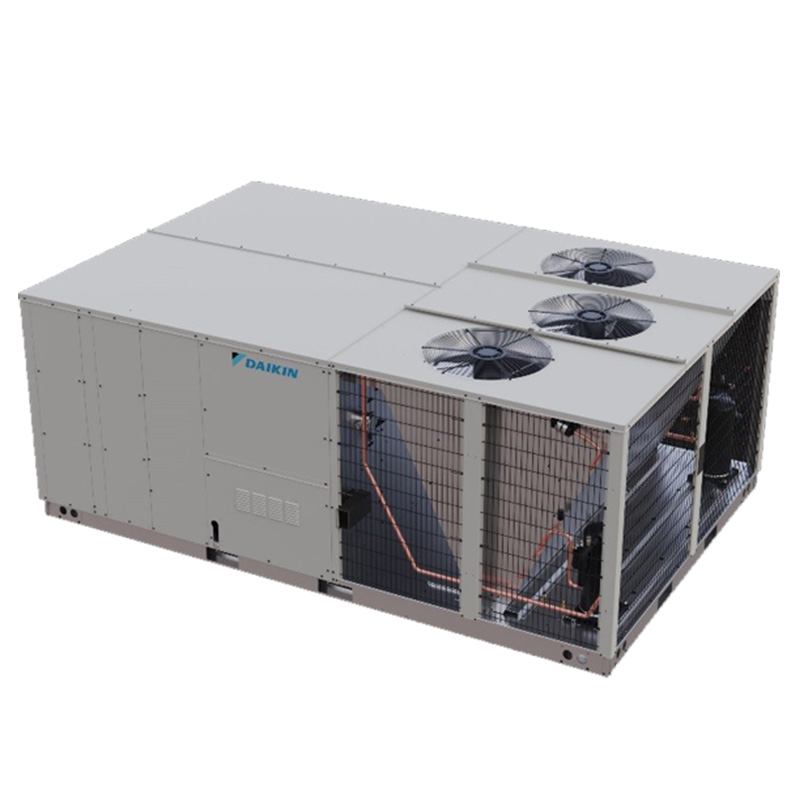
Daikin 15 Ton AC And 400000 BTU Gas/Electric Commercial Package Unit – 14 IEER, Two Stage, 81% AFUE, R32
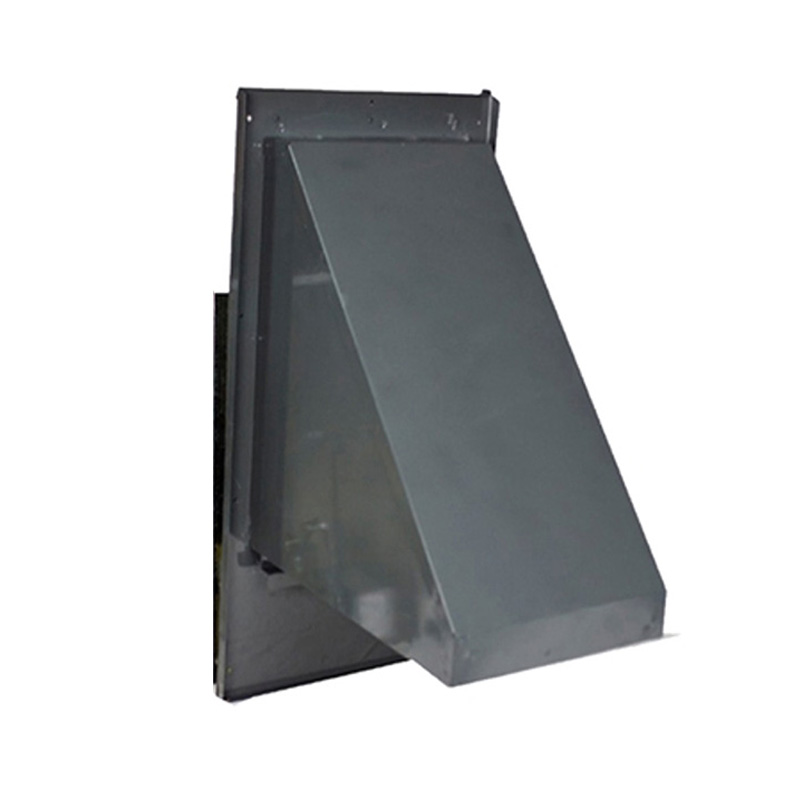
View on AC Direct see your lowest price →Check current price on AC Direct →
Key features
- 15-ton cooling capacity with 400,000 BTU gas heat in a single commercial package unit
- Two-stage operation reduces energy consumption and temperature swings during partial-load conditions
- 14 IEER efficiency rating meets current commercial energy codes for this equipment class
- R-32 refrigerant with lower global warming potential compared to R-410A
- 81% AFUE standard-efficiency gas heat section suitable for most commercial heating climates
- 12-year parts warranty available with registration within 60 days of installation
About this system
The Daikin 15-ton, 400,000 BTU gas/electric commercial package unit is built for large commercial applications where a single rooftop or ground-mounted unit needs to handle serious cooling and heating loads under one cabinet. At 15 tons of cooling capacity paired with 400,000 BTU of gas heat at 81% AFUE, this unit is sized for mid-size retail spaces, warehouses, schools, churches, or office buildings that require centralized, high-capacity conditioning without a split-system installation. Two-stage operation means the compressor and burner can run at a reduced stage during moderate demand, trimming energy use and preventing the temperature swings associated with single-stage cycling.
The 14 IEER (Integrated Energy Efficiency Ratio) rating is the commercial equivalent of SEER2 and reflects solid but not exceptional efficiency for a rooftop package unit of this class. It meets current commercial energy code minimums in most jurisdictions but is not a premium high-efficiency tier. R-32 refrigerant is a meaningful environmental upgrade over R-410A, carrying a lower global warming potential, and is increasingly the industry direction. The gas heat section runs at 81% AFUE, which is standard-efficiency non-condensing territory and acceptable for commercial packaged equipment but leaves roughly 19 cents of every heating dollar going out the flue. Buyers prioritizing heating efficiency should note that condensing commercial packaged units with higher AFUE do exist at higher upfront cost.
This system suits facilities managers and commercial contractors who want Daikin’s build quality and global parts network backing a large rooftop unit, and who are comfortable with the brand’s premium price point and the requirement to register within 60 days to secure the 12-year parts warranty. It is not a residential product and requires licensed commercial HVAC contractors for sizing, installation, and startup.
This Daikin commercial package unit delivers robust two-stage performance and R-32 refrigerant in a well-built cabinet backed by one of the longer-lasting brands in the industry, but the 81% AFUE heating efficiency and 14 IEER cooling efficiency are code-compliant rather than premium, and the premium price tag demands careful warranty registration and a plan for parts sourcing given Daikin's documented service support complaints. For a large commercial facility that values build longevity over first-cost savings, it is a credible choice, but buyers expecting top-tier efficiency or painless service experiences should weigh the trade-offs honestly.
Overall score is the average of the five ratings above.
What we like
- Daikin's globally recognized build quality and durability, consistently rated among longer-lasting commercial HVAC brands by industry experts
- Two-stage compressor and burner reduce energy consumption and improve comfort compared to single-stage packaged units in this class
- R-32 refrigerant offers a lower environmental impact and positions the unit ahead of older R-410A inventory
- 12-year parts warranty is competitive for commercial packaged equipment when registration is completed on time
- Massive 15-ton / 400,000 BTU capacity handles large commercial spaces in a single cabinet, simplifying mechanical room or rooftop design
Trade-offs
- 81% AFUE is standard-efficiency gas heat; condensing commercial packaged alternatives offer higher heating efficiency for energy-intensive climates
- 14 IEER meets code minimums but is not a high-efficiency tier, meaning ongoing energy costs will be higher than with premium-IEER alternatives
- Daikin's parts availability and warranty handling draw consistent complaints, and at commercial scale a delayed part or disputed claim can mean extended downtime
- Electronic control boards and circuit boards are the most frequently documented failure mode across Daikin commercial units, and sourcing replacements can be slow
What homeowners and pros say about Daikin
Among facilities managers and commercial HVAC contractors, Daikin’s large package units earn consistent respect for build quality and longevity. Industry experts and sources such as Consumer Reports place Daikin among the longer-lasting commercial HVAC brands, a reputation that matters on a 15-ton rooftop unit expected to run for 15 to 20 years under heavy load cycles. That durability case is real and is the primary reason contractors and owners choose Daikin at its premium price point over competitors offering lower first costs.
The friction points are equally documented, however. Daikin’s PissedConsumer rating sits at approximately 1.4 out of 5, heavily weighted toward complaints about parts availability delays and warranty claim handling, which are the most consistent service criticisms across the brand. At commercial scale, those delays translate directly into downtime costs. The specific failure modes seen on Daikin commercial equipment, including electronic control board errors that can leave a unit unresponsive, compressor cooling loss, and increasing operational noise over time, are worth discussing with your service contractor before installation so that a response plan is in place. Buyers who go in with realistic expectations about Daikin’s service ecosystem, and who register the warranty within the required 60-day window, tend to get the durability benefit; those who expect frictionless warranty support are the ones who end up on the complaint sites.
Sources: PissedConsumer Daikin reviews, AHRI Directory of Certified Product Performance, U.S. DOE appliance and equipment efficiency standards, Daikin product specifications.
How it compares
| Brand | Comparable model | SEER2 | Stage | Price position |
|---|---|---|---|---|
| Daikin | 15-Ton Gas/Electric Commercial Package Unit (this unit) | 14 IEER | Two-stage | Premium price tier for commercial packaged equipment |
| Carrier | WeatherMaster 50XC / 48XC Series (15-ton rooftop) | 14-16 IEER depending on configuration | Two-stage or single-stage | Comparable premium pricing, often slightly higher on high-IEER configurations |
| Trane | Precedent WCD / WSD Series (15-ton rooftop gas/electric) | 14-16 IEER depending on configuration | Single-stage or two-stage | Comparable premium pricing, strong dealer network often reflected in installed cost |
| Lennox | Landmark LGH/LCH Series (15-ton commercial rooftop) | 14-15 IEER | Two-stage | Mid-to-premium pricing, often slightly below Carrier and Trane at equivalent efficiency tiers |
Competitor rows are comparable single-stage units at similar efficiency; price is relative position, not a quote.
Questions about this system
Does the 12-year parts warranty cover the compressor separately, and what happens if I miss the 60-day registration window?
Daikin's 12-year parts warranty, which typically includes the compressor, requires registration within 60 days of installation. Missing that window generally drops coverage to a shorter base warranty period, so scheduling registration immediately after startup is critical on a unit of this investment level.
Is 81% AFUE acceptable for a commercial gas package unit, or should I pay more for a higher-efficiency option?
81% AFUE is standard for non-condensing commercial packaged gas heat and meets code in most climates, but roughly 19% of fuel energy exits as flue gas. In colder climates or facilities with heavy heating hours, a condensing unit at 90%+ AFUE can provide meaningful operating cost savings that may offset the higher upfront cost over the equipment life.
What does 14 IEER mean in practical terms for a 15-ton commercial unit, and is it enough to satisfy current energy codes?
IEER (Integrated Energy Efficiency Ratio) measures part-load and full-load cooling efficiency on commercial equipment; 14 IEER is the code-compliant baseline for many jurisdictions at this tonnage, not a premium tier. It will satisfy standard energy codes in most states but may not meet stricter Title 24 or local stretch-code requirements without verification.
R-32 refrigerant is newer to me. Will it be easy to find a service technician who can work on it, and are there handling differences?
R-32 is an A2L mildly flammable refrigerant, and technicians are required to follow specific handling and recovery procedures that differ from R-410A work. It is becoming more common as the industry transitions away from high-GWP refrigerants, but confirming your service contractor is certified and equipped for A2L refrigerants before installation is important, especially for a 15-ton commercial unit.
What are the most common service issues I should budget for over the life of this unit?
Based on documented Daikin failure patterns, electronic control boards and circuit board errors are the most frequently reported issues, sometimes causing the unit to go unresponsive or display fault codes. Compressor degradation over time and increasing operational noise, including rattling or humming on start and stop, are also documented. Budgeting for a service contract that covers controls diagnostics and having a conversation with your contractor about parts lead times before a failure occurs is strongly recommended.
Specifications
| Cooling capacity | 15 Ton |
| Furnace output | 400000 BTU |
| Furnace efficiency | 81% AFUE |
| Refrigerant | R-32 |