Daikin 20 Ton Commercial Package Unit AC With Electric Heat – 14.2 IEER, 208-230/3/60, Two Stage, R32
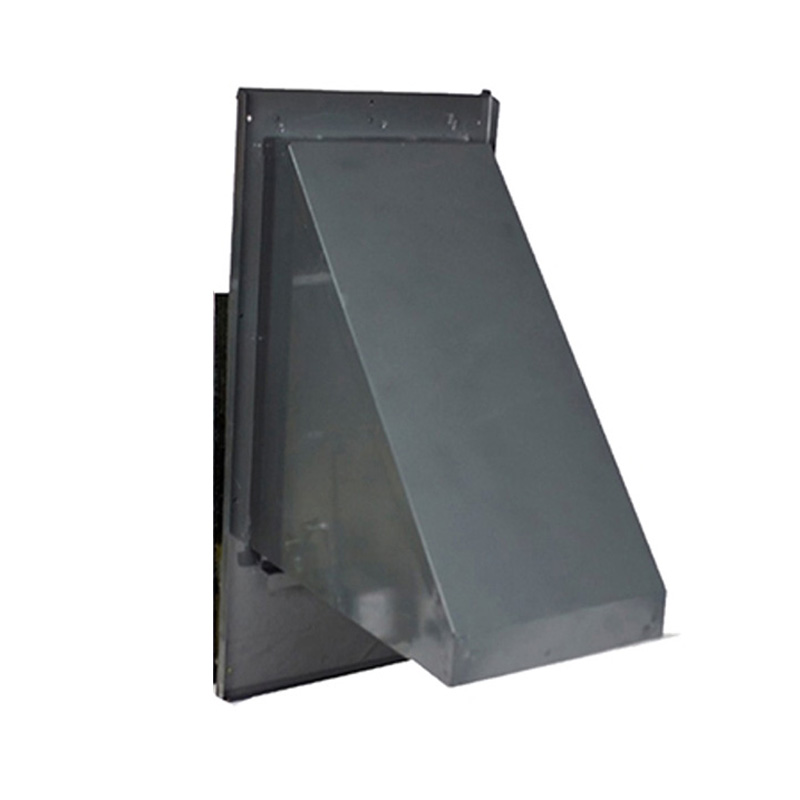
View on AC Direct see your lowest price →Check current price on AC Direct →
Key features
- 20-ton cooling capacity for medium-to-large commercial applications
- 14.2 IEER two-stage operation for reduced part-load energy consumption
- R-32 refrigerant with lower global warming potential than R-410A
- Self-contained package unit design with integrated electric heat
- 208-230V / 3-phase / 60Hz electrical configuration for commercial power
- 12-year parts warranty available with registration within 60 days of installation
About this system
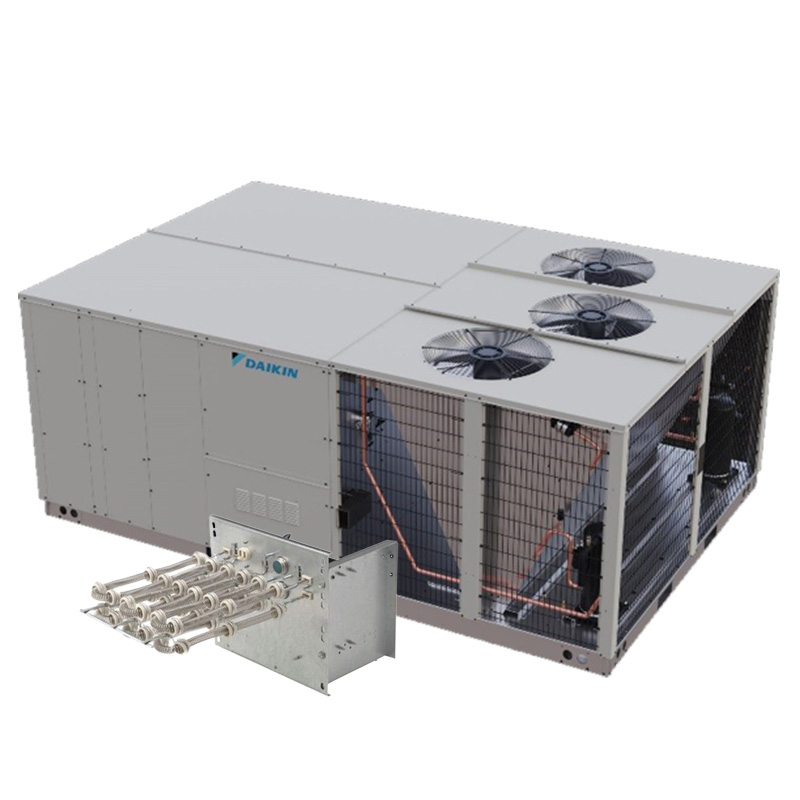
The Daikin 20-ton commercial package unit is a self-contained rooftop or ground-level system designed for medium-to-large commercial spaces such as retail stores, warehouses, light industrial facilities, and multi-tenant office suites. With 20 tons of cooling capacity, it handles buildings roughly in the 12,000 to 20,000 square foot range depending on local climate, insulation, and internal heat load. The two-stage operation means the compressor can run at a reduced capacity during moderate weather, cutting energy consumption and avoiding the temperature swings that plague single-stage equipment. The 14.2 IEER (Integrated Energy Efficiency Ratio) rating reflects how the unit performs across a real-world mix of part-load conditions, which is the more meaningful number for commercial equipment that rarely runs at full load.
This unit uses R-32 refrigerant, a lower-global-warming-potential option that Daikin has championed aggressively as the industry moves away from R-410A. R-32 operates at higher pressures than R-410A, so any future service work requires technicians who are current on handling it. The 208-230/3/60 electrical configuration means it requires a three-phase power supply, standard in commercial construction but not present in most light-duty or residential settings. Buyers should confirm their building’s electrical service before ordering. As a package unit, all components including the compressor, evaporator coil, condenser coil, and electric heat strips are housed in one cabinet, simplifying installation relative to split systems and reducing refrigerant line run concerns.
The Daikin 20-ton commercial package unit offers solid two-stage efficiency and the long service life Daikin is consistently recognized for, making it a credible choice for commercial buyers who prioritize durability. The R-32 refrigerant transition and three-phase requirement add planning complexity, and Daikin's well-documented parts availability and customer service issues mean buyers should vet their service contractor carefully before committing. At Daikin's premium price point, the long-term value proposition depends heavily on local technician support.
Overall score is the average of the five ratings above.
What we like
- Two-stage compressor reduces runtime hours and energy costs at part load versus single-stage alternatives
- 14.2 IEER is competitive for this equipment class and delivers real-world efficiency gains in variable-load commercial settings
- Daikin's build quality and component longevity are consistently rated among the best in the industry by HVAC experts and Consumer Reports
- R-32 refrigerant positions the system well ahead of future refrigerant regulations phasing out higher-GWP options
- All-in-one package unit design eliminates split-system refrigerant line concerns and can simplify rooftop installation logistics
Trade-offs
- Electronic control boards are the most documented failure point for Daikin commercial equipment, with error code lockouts reported as a recurring service issue
- Parts availability and warranty claims handling draw consistent complaints, which is a significant risk on a 20-ton commercial unit where downtime is expensive
- R-32 refrigerant requires certified technicians familiar with its higher operating pressures, narrowing the available service pool in some markets
- Premium brand pricing means higher upfront cost than comparable-capacity units from competitors, and the value case weakens if local dealer support is thin
What homeowners and pros say about Daikin
HVAC professionals who work on Daikin commercial equipment regularly point to the build quality and component longevity as genuine strengths. Consumer Reports and independent HVAC experts consistently place Daikin among the longer-lasting brands, and that reputation holds at the commercial package level as much as in residential lines. However, the PissedConsumer platform shows roughly 1.4 out of 5 across a complaint-heavy sample, with the recurring themes being price shock on service calls and difficulty getting parts or warranty support resolved quickly. That gap between long-term durability reputation and short-term service experience is real and worth taking seriously on a 20-ton unit where an extended outage carries real business costs.
The specific failure modes documented on Daikin commercial equipment include electronic control board errors that can leave the unit throwing codes or unresponsive, compressor performance loss over time, and increasing mechanical noise on startup and shutdown as units age. None of these are unique to Daikin, but the parts availability complaints mean that when a control board does fail, sourcing the replacement can take longer than it would with a brand that has deeper domestic parts distribution. Facility managers who have had positive experiences with Daikin at this scale consistently credit a strong local dealer relationship as the deciding factor, which underscores that the brand performs best when dealer and service infrastructure is already in place before the unit is purchased.
Sources: PissedConsumer Daikin reviews, AHRI Directory of Certified Product Performance, U.S. DOE appliance and equipment efficiency standards, Daikin product specifications.
How it compares
| Brand | Comparable model | SEER2 | Stage | Price position |
|---|---|---|---|---|
| Daikin | 20-Ton Commercial Package Unit (R-32, Two-Stage, Electric Heat) | N/A (14.2 IEER) | Two-stage | Premium pricing tier |
| Carrier | 48/50XC Series Commercial Package Unit | N/A (IEER varies by configuration) | Two-stage | Comparable premium pricing, often within range of Daikin at this tonnage |
| Trane | Precedent Series Commercial Package Unit | N/A (IEER varies by configuration) | Two-stage available | Premium tier, broadly similar to Daikin with wider national service availability |
| Lennox | LGH/LCH Series Commercial Package Unit | N/A (IEER varies by configuration) | Two-stage available | Premium tier, typically competitive with Daikin at large commercial tonnages |
Competitor rows are comparable single-stage units at similar efficiency; price is relative position, not a quote.
Questions about this system
Does this unit require three-phase power, and can I use it with single-phase service?
Yes, this unit is rated 208-230/3/60, meaning it requires a three-phase electrical supply. It cannot be run on standard single-phase commercial or residential service without a phase converter, which adds cost and is generally not recommended by manufacturers for equipment of this size. Confirm your building's electrical service before ordering.
What does the 14.2 IEER rating mean in practical terms for my energy bills?
IEER measures efficiency across a weighted mix of part-load operating conditions, which better reflects how a commercial system actually runs than a peak-load-only rating. A 14.2 IEER is competitive for this capacity class and will deliver measurable savings compared to older or lower-rated units, particularly during the shoulder seasons when the unit runs at reduced stage. Actual savings depend on your local utility rates, building envelope, and operating hours.
How does R-32 refrigerant affect service and maintenance costs?
R-32 operates at higher pressures than R-410A and requires technicians with current training and compatible recovery equipment. In areas with strong commercial HVAC infrastructure this is rarely a problem, but in smaller markets you may find fewer qualified contractors. R-32 is not flammable in the concentrations used in this equipment class, but it is classified A2L (mildly flammable), so your service technician should be aware of handling protocols.
What are the most common failure points I should watch for on this Daikin commercial unit?
Based on documented service patterns for Daikin commercial equipment, electronic control boards and circuit board errors are the most frequently reported issue, sometimes causing the unit to lock out or display error codes without a clear mechanical failure. Compressor performance degradation and noise development on start and stop cycles are also noted. Proactive annual maintenance contracts that include control board inspection and compressor checks are worth the investment on a 20-ton unit.
What are the conditions for the 12-year parts warranty, and what does it cover?
Daikin's 12-year parts warranty requires the unit to be registered within 60 days of installation. Without registration, coverage typically drops to a shorter baseline period. The warranty covers parts but not labor, refrigerant, or diagnostic costs, so factor in service labor expenses when evaluating total cost of ownership. Warranty claims have drawn complaints around responsiveness and parts lead times, so documenting registration and keeping records of maintenance is advisable.
Specifications
| Cooling capacity | 20 Ton |
| Refrigerant | R-32 |