Daikin 4 Ton Commercial Package Unit Heat Pump AC – 13.7 SEER2, 208-230/3/60, Single Stage, R32
View on AC Direct see your lowest price →Check current price on AC Direct →
Key features
- 13.7 SEER2 single-stage heat pump in a self-contained package configuration
- R-32 refrigerant with significantly lower global warming potential than R-410A
- 208-230V / 3-phase / 60Hz electrical supply for light commercial applications
- 4-ton (48,000 BTU nominal) capacity suited to small commercial or large residential spaces
- 12-year parts warranty available with registration within 60 days of installation
- Daikin commercial-grade construction with the brand's documented long-service-life reputation
About this system
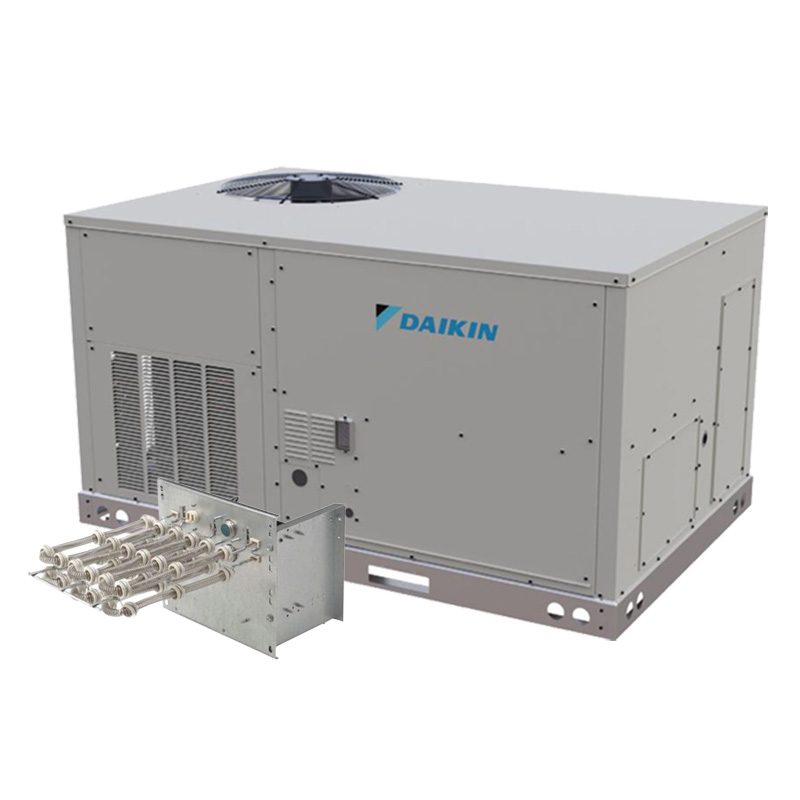
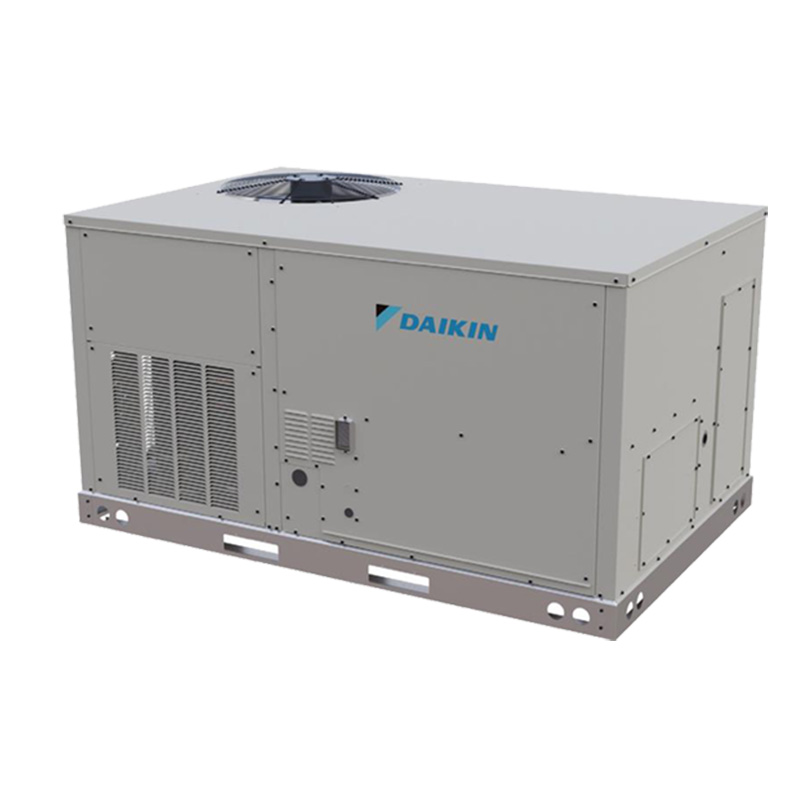
The Daikin 4-Ton Commercial Package Unit Heat Pump operates on a 208-230V/3-phase/60Hz electrical supply, making it a purpose-built solution for light commercial buildings, small offices, retail spaces, and multi-unit residential properties that have three-phase power available. At 4 tons, it handles roughly 1,600 to 2,200 square feet of conditioned space depending on insulation, climate, and internal heat loads. The single-stage compressor runs at full capacity whenever it cycles on, which keeps the initial cost and mechanical complexity lower than variable-speed alternatives but means the unit does not modulate output to match partial-load conditions.
A 13.7 SEER2 rating sits at the regulatory minimum tier for new equipment under current federal standards. That is honest baseline efficiency, not a standout performer. On a three-phase commercial circuit, operating costs are generally lower per kWh than single-phase residential power, which partially offsets the modest efficiency rating in practice. The use of R-32 refrigerant is a forward-looking choice: R-32 has a global warming potential roughly two-thirds lower than the R-410A it replaces, and it is the direction the industry is moving. Technicians working with this unit will need R-32 certification and compatible recovery equipment, which is worth confirming with your service contractor before purchase.
This unit is a practical, code-compliant choice for a light commercial operator who needs a three-phase package heat pump without paying a premium for efficiency tiers they may not recoup in a commercial setting. Daikin's build quality holds up well over time, but prospective buyers should go in clear-eyed about the brand's parts-support reputation and plan service relationships accordingly. It is not the most efficient option on the market, and the single-stage design means comfort control is coarser than staged or variable systems.
Overall score is the average of the five ratings above.
What we like
- Daikin's well-documented durability gives this unit a realistic long service life with proper maintenance
- R-32 refrigerant is future-ready, with lower environmental impact and good thermodynamic efficiency
- Three-phase power compatibility is genuinely useful for light commercial properties where single-phase units are not appropriate
- Self-contained package design simplifies rooftop or ground-level installation without a separate air handler
- 12-year parts warranty is competitive for the commercial segment when registration is completed on time
Trade-offs
- 13.7 SEER2 is entry-level efficiency; operating costs will be higher than 15+ SEER2 alternatives over a long service life
- Single-stage operation cycles on at full capacity, which can cause temperature swings and shorter run cycles in mild weather
- Daikin's parts availability and warranty claim handling draw consistent complaints, a real operational risk for commercial users who cannot tolerate downtime
- Electronic control board failures are the most documented failure mode and can leave the system unresponsive until a board is sourced, which may take time given parts-support issues
What homeowners and pros say about Daikin
Among HVAC professionals who work on commercial rooftop equipment, Daikin’s package units earn a consistent reputation for solid mechanical construction and above-average service life. That durability reputation is reflected in assessments from sources like Consumer Reports and commercial HVAC specialists who place Daikin among the longer-lasting brands in the industry. However, the same contractors frequently flag a real operational concern: when something does go wrong, sourcing control boards and other electronic components can be slow, and the warranty claim process draws sustained criticism. On complaint-oriented review platforms, Daikin scores poorly, with PissedConsumer placing the brand at roughly 1.4 out of 5 across reviews that skew heavily toward price and service disputes.
For this specific R-32 commercial package unit, the documented failure modes worth monitoring are electronic control and circuit board errors (the most common complaint, capable of leaving the system fully unresponsive), compressor performance degradation over time, and increasing mechanical noise on startup and shutdown. Owners who plan ahead by establishing a service relationship with a Daikin-authorized commercial contractor before installation, completing the warranty registration within the required 60-day window, and budgeting for a service agreement tend to report much better long-term outcomes than those who treat the unit as a set-and-forget installation.
Sources: PissedConsumer Daikin reviews, AHRI Directory of Certified Product Performance, U.S. DOE appliance and equipment efficiency standards, Daikin product specifications.
What it costs to run
At 13.7 SEER2, cooling this 4-ton system for a typical 1200-hour cooling season at the U.S. average electricity rate of $0.17/kWh works out to roughly $715 per year in cooling, about $16 less per year than a minimum-efficiency 13.4 SEER2 unit of the same size. Your real cost depends on your climate and local rate.
Method: (48,000 BTU/hr ÷ 13.7 SEER2) × 1200 hours ÷ 1000 × $0.17/kWh. Rate source: U.S. EIA average; cooling hours: moderate-climate estimate.
How it compares
| Brand | Comparable model | SEER2 | Stage | Price position |
|---|---|---|---|---|
| Daikin | 4-Ton Commercial Package Heat Pump, 13.7 SEER2, R-32 | 13.7 | Single-stage | Value pick |
| Carrier | WeatherMaster 50XC (4-ton commercial package heat pump) | 14-15 | Single-stage | Slightly higher than Daikin at this tier |
| Trane | Precedent WCD (4-ton commercial package heat pump) | 14-15 | Single-stage | Comparable to or slightly above Daikin, with stronger parts network |
| Lennox | LRP14HP (commercial packaged heat pump series, 4-ton) | 14 | Single-stage | Similar price tier to Daikin, with wider dealer availability in some regions |
Competitor rows are comparable single-stage units at similar efficiency; price is relative position, not a quote.
Questions about this system
Does this unit require R-32 certified technicians for service, and is that easy to find?
Yes, R-32 is a mildly flammable (A2L) refrigerant and technicians need specific training and compatible recovery equipment to work on it legally. R-32 certification is becoming more common as the industry transitions away from R-410A, but you should confirm your service contractor is already equipped before committing to this unit, particularly in smaller markets where R-32-certified technicians may still be scarce.
What does the 12-year parts warranty actually cover and what are the conditions?
Daikin's 12-year parts warranty covers manufacturer-defective components but requires the unit to be registered within 60 days of the installation date. Without registration, the coverage typically drops to a shorter base warranty. The warranty does not cover labor costs, refrigerant, or failures caused by improper installation or maintenance, so factor in service contract costs separately.
How does single-stage operation affect comfort and energy use in a commercial setting?
A single-stage compressor runs at 100 percent capacity every time it cycles on, regardless of how much heating or cooling is actually needed at that moment. In mild weather or partially occupied spaces, this leads to shorter, more frequent cycles that can cause noticeable temperature swings and slightly higher wear on the compressor over time compared to staged or variable-speed alternatives.
What are the most common failure points owners of Daikin commercial package units report?
Electronic control board and circuit board errors are the most frequently documented failure mode, sometimes causing the unit to go unresponsive or display persistent error codes. Compressor issues, including gradual loss of cooling capacity or outright failure, are also reported. A third pattern is increasing operational noise over time, including rattling or humming on start and stop cycles.
Is this unit suitable for a rooftop installation, and what curb or ductwork connections are required?
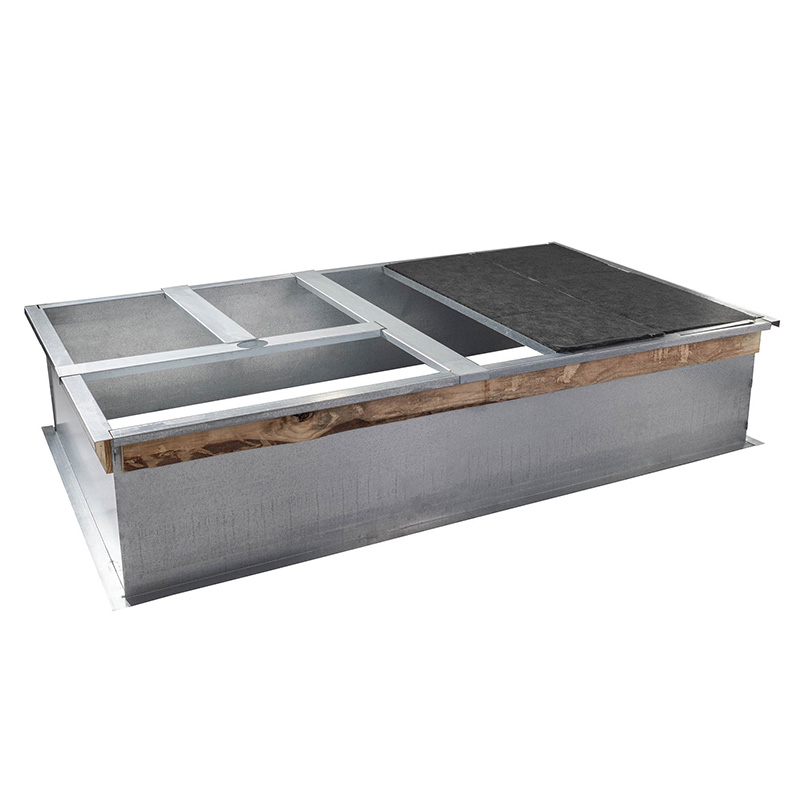
Commercial package units are specifically designed for rooftop or ground-level pad installation with all components self-contained in a single cabinet, connecting to the building's duct system through supply and return openings. You will need a properly sized roof curb matched to this unit's footprint and a licensed commercial HVAC contractor for the duct connections, electrical three-phase hookup, and refrigerant commissioning.
Specifications
| Cooling capacity | 4 Ton |
| Efficiency | 13.7 SEER2 |
| Refrigerant | R-32 |