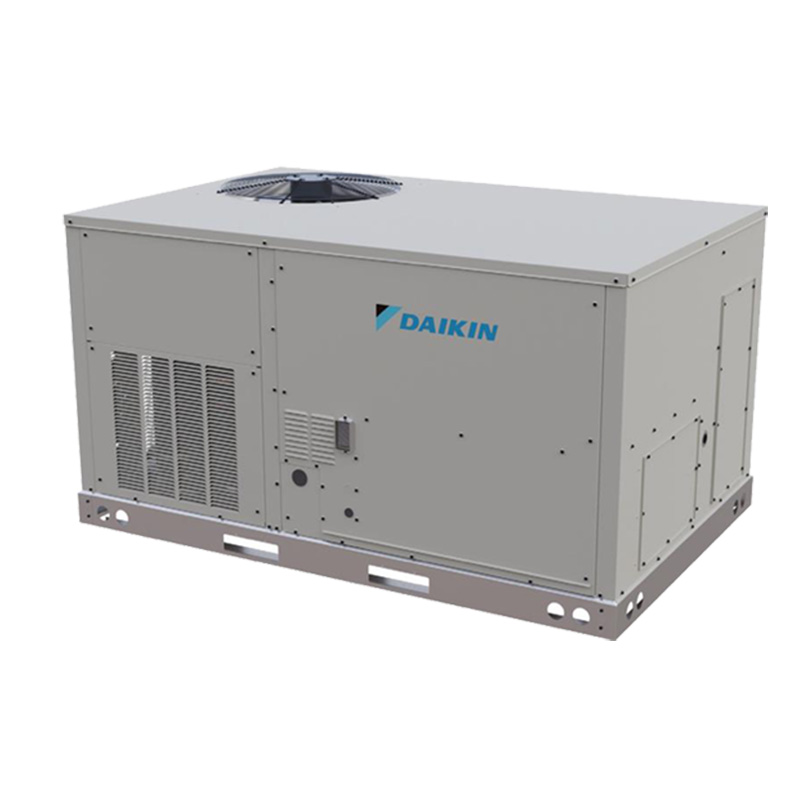
Daikin 5 Ton AC And 140000 BTU Gas/Electric Commercial Package Unit – 13.7 SEER2, Single Stage, 81% AFUE, R32
View on AC Direct see your lowest price →Check current price on AC Direct →
Key features
- 5-ton cooling capacity with 13.7 SEER2 efficiency rating
- 140,000 BTU gas heat at 81% AFUE, single-stage operation
- R-32 refrigerant with lower global warming potential than R-410A
- Self-contained package unit design for rooftop or ground-mount installation
- 12-year parts warranty with registration within 60 days of install
- Built by the world's largest HVAC manufacturer with a documented long-lifespan track record
About this system
The Daikin 5-ton gas/electric commercial package unit combines a 13.7 SEER2 cooling system with a 140,000 BTU gas furnace section rated at 81% AFUE into a single rooftop or ground-level cabinet. That all-in-one configuration suits light commercial buildings, large retail spaces, restaurants, or any structure where mechanical room space is tight and a single curb-mounted unit is more practical than a split system. At 5 tons, it is sized for spaces roughly in the 2,000 to 2,500 square foot range under typical commercial load conditions, though actual sizing depends on insulation, occupancy, and local climate.
The 13.7 SEER2 rating lands this unit at the federal minimum efficiency threshold for commercial packaged equipment, so it is an entry-level efficiency choice rather than a premium one. The 81% AFUE furnace section means roughly 19 cents of every heating dollar goes up the flue, which is acceptable for moderate-climate markets but will show up on energy bills in cold-weather regions. R-32 refrigerant is a forward-looking choice, carrying a lower global warming potential than the R-410A it replaces and positioning this unit ahead of anticipated regulatory changes. Single-stage operation keeps the mechanical design straightforward and service familiar to most commercial HVAC technicians.
This Daikin package unit is a solid, durably built choice for commercial applications where a single-cabinet solution is required and efficiency is not the top priority. The R-32 refrigerant and Daikin's well-documented build quality are genuine strengths, but the entry-level 13.7 SEER2 and 81% AFUE ratings mean operating costs will be higher than mid- or high-efficiency alternatives over a typical 15-to-20-year service life. Buyers should factor in Daikin's known parts availability and warranty service friction before committing.
Overall score is the average of the five ratings above.
What we like
- Daikin's long-lifespan reputation backed by Consumer Reports and independent HVAC experts
- R-32 refrigerant is lower-GWP and positions the unit ahead of regulatory refrigerant transitions
- All-in-one package configuration simplifies installation and reduces rooftop penetrations
- Single-stage mechanical design is straightforward for commercial technicians to service
- 12-year parts warranty is competitive for the commercial packaged unit segment
Trade-offs
- 13.7 SEER2 is at the federal minimum efficiency floor, so energy costs will be higher than two-stage or variable-speed alternatives
- 81% AFUE heating efficiency is below mid-efficiency (90%+) furnace standards and will cost more to operate in colder climates
- Daikin's parts availability and warranty claim handling draw consistent complaints that can extend downtime on a commercial building
- Electronic control board errors and compressor issues are documented failure modes that can be costly to resolve if parts are slow to arrive
What homeowners and pros say about Daikin
Among HVAC professionals who work on commercial packaged equipment, Daikin earns respect for the physical durability of its cabinets and refrigerant-side components. Consumer Reports and independent longevity assessments consistently place Daikin among the longer-lasting brands, which matters for a commercial package unit expected to sit on a rooftop for 15 to 20 years. At the same time, technicians frequently flag the electronic control boards as a weak point, with units throwing error codes or becoming unresponsive in ways that require board replacement rather than a simpler fix. Compressor performance degradation over time is also a documented issue in the field, and the rattling and humming that develops at startup and shutdown is a known characteristic as units accumulate years of service.
On the ownership side, the picture is more complicated. The PissedConsumer platform shows Daikin sitting at roughly 1.4 out of 5 across a few dozen reviews, though that channel is heavily weighted toward frustrated customers rather than satisfied ones and should be read as a signal about service friction rather than a representative sample. The recurring theme in those complaints is warranty handling and parts delays, which for a commercial building can translate directly into lost business or tenant complaints during downtime. If you are purchasing this unit for a commercial application, establishing a relationship with a Daikin-authorized service contractor before installation rather than after a breakdown is the most practical way to manage that known risk.
Sources: PissedConsumer Daikin reviews, AHRI Directory of Certified Product Performance, U.S. DOE appliance and equipment efficiency standards, Daikin product specifications.
What it costs to run
At 13.7 SEER2, cooling this 5-ton system for a typical 1200-hour cooling season at the U.S. average electricity rate of $0.17/kWh works out to roughly $893 per year in cooling, about $20 less per year than a minimum-efficiency 13.4 SEER2 unit of the same size. Your real cost depends on your climate and local rate.
Method: (60,000 BTU/hr ÷ 13.7 SEER2) × 1200 hours ÷ 1000 × $0.17/kWh. Rate source: U.S. EIA average; cooling hours: moderate-climate estimate.
How it compares
| Brand | Comparable model | SEER2 | Stage | Price position |
|---|---|---|---|---|
| Daikin | 5-Ton Gas/Electric Commercial Package Unit (this unit) | 13.7 | Single-stage | Value pick |
| Carrier | WeatherMaster 48LC/50LC Series | 14.0-14.5 | Single-stage | Comparable to slightly higher than this unit |
| Trane | Precedent WCD/WCH Series | 14.0-15.0 | Single-stage to two-stage | Moderately higher than this unit |
| Lennox | LGH/LCH Commercial Packaged Series | 14.0-16.0 | Single-stage to two-stage | Higher than this unit, especially at upper efficiency tiers |
Competitor rows are comparable single-stage units at similar efficiency; price is relative position, not a quote.
Questions about this system
Is 13.7 SEER2 going to cost me significantly more to run than a higher-efficiency package unit?
Yes, over a 15-to-20-year service life the difference adds up. A 16 or 17 SEER2 unit can reduce cooling-season electricity consumption by 15 to 20 percent compared to a 13.7 SEER2 unit running the same hours. In warmer climates with long cooling seasons, that gap is meaningful enough to justify pricing out higher-efficiency alternatives before purchasing.
What does the 12-year parts warranty actually cover, and what do I need to do to activate it?
The 12-year parts warranty covers the major refrigerant-side and mechanical components, but it requires product registration within 60 days of installation. Missing that window typically drops coverage to a shorter base warranty. Labor is not included, and Daikin's warranty service process has drawn consistent complaints about processing times and parts availability, so confirm your installing contractor's experience handling Daikin warranty claims.
Is R-32 refrigerant a problem for service technicians in my area?
R-32 is increasingly common in commercial equipment, but it is not yet universal in all service markets. It is mildly flammable (A2L classification), which means technicians need specific training and equipment to handle it safely. Before purchasing, confirm that local commercial HVAC service companies in your area are already certified and equipped for R-32 work.
What are the most common things that go wrong with Daikin package units in the field?
Electronic control board faults are the most frequently reported issue, sometimes causing the unit to become unresponsive or display persistent error codes. Compressor degradation and outright compressor failure are also documented. Units can develop increased noise, including rattling or humming at startup and shutdown, as they age. Parts availability is the service complaint most often cited by technicians and building owners.
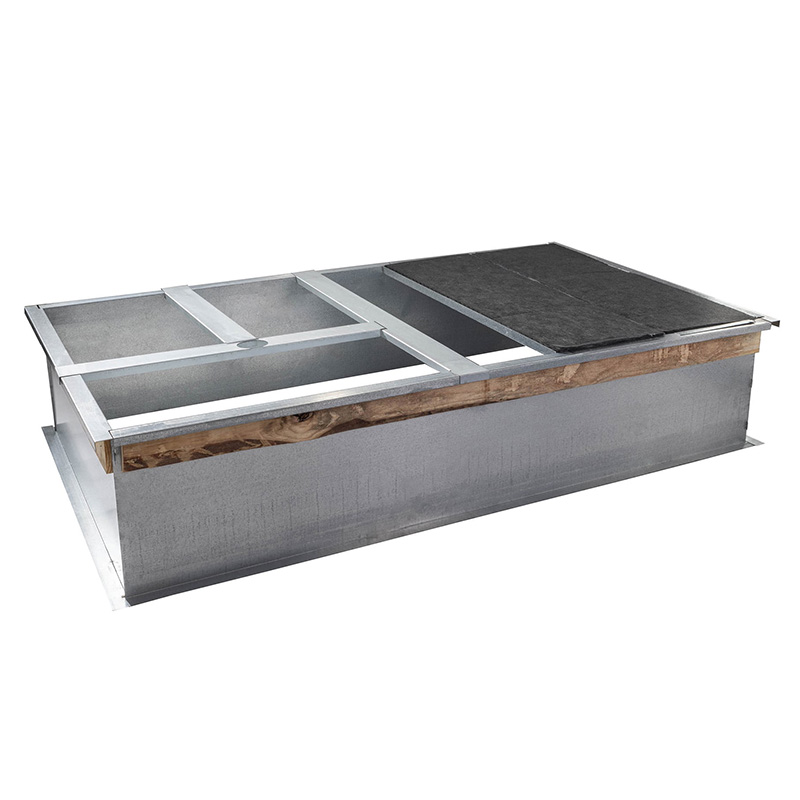
Can this unit be installed on a rooftop curb, and does it require any special electrical service?
Yes, this is a standard commercial package unit designed for rooftop curb mounting or ground-level installation with appropriate ductwork connections. You will need to confirm the unit's voltage and phase requirements match your building's electrical service, and the gas supply line must be sized for the 140,000 BTU input. A licensed commercial HVAC contractor should pull permits and verify structural load capacity for rooftop installations.
Specifications
| Cooling capacity | 5 Ton |
| Efficiency | 13.7 SEER2 |
| Furnace output | 140000 BTU |
| Furnace efficiency | 81% AFUE |
| Refrigerant | R-32 |