Daikin 5 Ton AC And 90000 BTU Gas/Electric Commercial Package Unit – 13.7 SEER2, Single Stage, 81% AFUE, R32
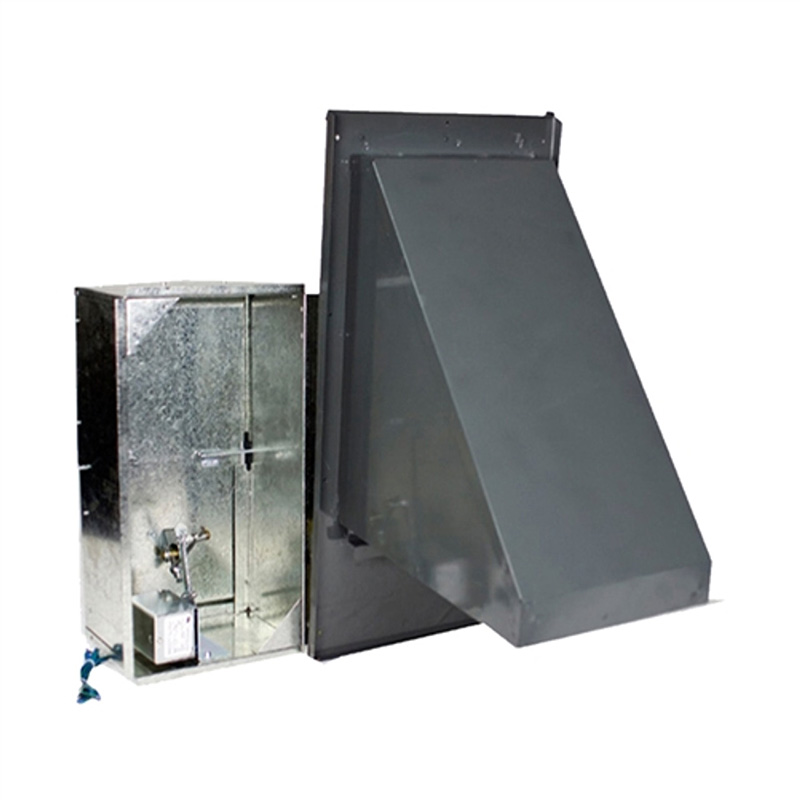
View on AC Direct see your lowest price →Check current price on AC Direct →
Key features
- 5-ton cooling capacity with 13.7 SEER2 single-stage compressor and R-32 refrigerant
- Integrated 90,000 BTU gas furnace at 81% AFUE for combined heating and cooling in one cabinet
- Self-contained package unit design simplifies installation with a single duct connection point
- R-32 refrigerant offers a lower global warming potential versus legacy R-410A systems
- 12-year parts warranty available with registration within 60 days of installation
- Built by Daikin, the world's largest HVAC manufacturer, with a track record for durable long-life construction
About this system
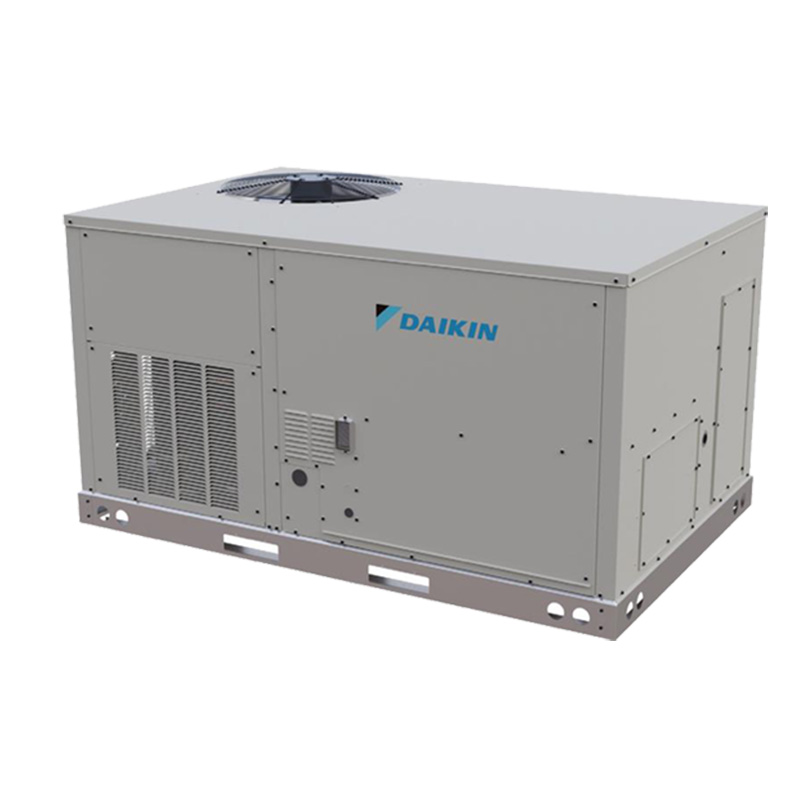
The Daikin 5-ton gas/electric commercial package unit is a self-contained rooftop or ground-mount system that combines a 90,000 BTU, 81% AFUE gas furnace section with a 13.7 SEER2 air conditioner in a single cabinet. Everything ships in one box and connects to a single set of supply and return ducts, making it a practical solution for light commercial spaces, retail units, restaurants, and large homes in climates where both heating and cooling loads are significant. The R-32 refrigerant charge is a step toward lower global-warming-potential refrigerants, and the single-stage compressor delivers reliable, straightforward on/off cooling without the added complexity of variable-speed components.
At 5 tons and 90,000 BTU of heating, this unit is sized for spaces roughly in the 2,000 to 2,500 square foot range depending on local climate and building envelope, though a proper Manual J load calculation should always dictate final sizing. The 13.7 SEER2 rating sits at the federally required minimum efficiency tier for many regions, so operating costs will be higher than two-stage or variable-speed alternatives. The 81% AFUE gas section is similarly entry-level for furnace efficiency; up to 19% of fuel energy exits as flue gas rather than heating the space. Buyers prioritizing lower utility bills should weigh the long-term fuel and energy cost difference against the upfront price advantage of this unit.
This unit delivers the convenience of a true all-in-one gas/electric package from a manufacturer with a well-established durability reputation, but the 13.7 SEER2 and 81% AFUE specs are at the low end of the efficiency range, meaning ongoing utility costs will be higher than more efficient alternatives. It suits buyers where simplicity of installation and Daikin's build quality matter more than minimizing operating expenses.
Overall score is the average of the five ratings above.
What we like
- All-in-one package design eliminates separate indoor air handler and outdoor condenser, reducing installation complexity and rooftop penetrations
- Daikin's manufacturing quality is consistently recognized by HVAC professionals and Consumer Reports as producing longer-lasting equipment
- R-32 refrigerant has a lower environmental impact than R-410A and is increasingly well-supported by technicians
- Single-stage operation is straightforward to diagnose and service, with fewer variable-speed components that can fail
- 12-year parts warranty with registration is competitive against many commercial package units at this efficiency tier
Trade-offs
- 13.7 SEER2 is minimum-tier efficiency, resulting in higher electricity costs compared to 15+ SEER2 alternatives over the system's lifespan
- 81% AFUE is a low-efficiency furnace rating; condensing furnace sections at 90%+ AFUE exist at this BTU output and will save meaningfully on gas bills in colder climates
- Daikin's parts availability and warranty service draw consistent complaints, and finding local dealers stocked with Daikin commercial parts can be difficult in some regions
- Electronic control board errors and compressor failures are the most documented failure modes in Daikin commercial units, and repair costs can be significant if they occur outside the warranty window
What homeowners and pros say about Daikin
Among HVAC professionals, Daikin’s commercial package units earn respect for solid construction and longevity, an assessment echoed by Consumer Reports and industry experts who consistently rank Daikin among the longer-lasting brands. Technicians who work with these units regularly note that the cabinets hold up well in rooftop environments and that the mechanical components tend to outlast cheaper alternatives. That durability reputation carries real weight when evaluating a unit expected to run for 15 or more years in a commercial setting.
The picture is more complicated on the consumer review side. Daikin’s rating on PissedConsumer sits at approximately 1.4 out of 5, a score driven heavily by complaints about pricing disputes, difficulty reaching customer service, and frustration over parts sourcing during repairs. The specific failure modes most commonly documented on this product line include electronic control board and circuit board errors that can leave the system throwing error codes or failing to respond, compressor problems that show up as lost cooling capacity, and units that develop rattling or humming noises over time. Warranty service complaints center on difficulty getting claims processed and on locating Daikin-stocked parts through local distributors, which is worth factoring in if you are located outside a major metro area with strong Daikin dealer coverage.
Sources: PissedConsumer Daikin reviews, AHRI Directory of Certified Product Performance, U.S. DOE appliance and equipment efficiency standards, Daikin product specifications.
What it costs to run
At 13.7 SEER2, cooling this 5-ton system for a typical 1200-hour cooling season at the U.S. average electricity rate of $0.17/kWh works out to roughly $893 per year in cooling, about $20 less per year than a minimum-efficiency 13.4 SEER2 unit of the same size. Your real cost depends on your climate and local rate.
Method: (60,000 BTU/hr ÷ 13.7 SEER2) × 1200 hours ÷ 1000 × $0.17/kWh. Rate source: U.S. EIA average; cooling hours: moderate-climate estimate.
How it compares
| Brand | Comparable model | SEER2 | Stage | Price position |
|---|---|---|---|---|
| Daikin | 5-Ton Gas/Electric Commercial Package Unit (this unit) | 13.7 | Single-stage | Value pick within Daikin's commercial package lineup |
| Carrier | WeatherMaster 48TC | 14.0 | Single-stage | Comparable to slightly above this Daikin unit depending on dealer and region |
| Trane | Precedent WCC | 14.0 | Single-stage | Generally priced at a modest premium over this Daikin unit reflecting Trane's brand positioning |
| Lennox | LRP16GE | 16.0 | Single-stage | Higher upfront cost than this Daikin unit, with efficiency gains that offset some of the price difference over time |
Competitor rows are comparable single-stage units at similar efficiency; price is relative position, not a quote.
Questions about this system
Is 13.7 SEER2 enough, or will I pay significantly more in electricity over time compared to a 15 SEER2 unit?
At 5 tons running several hundred hours per season, the gap between 13.7 and 15 SEER2 translates to a measurable difference in annual electricity cost, often enough to offset the price premium of a higher-efficiency unit within a few years in warmer climates. If the system will see heavy summer use, pricing out a 15 SEER2 alternative is worth the exercise before purchasing.
What does the 81% AFUE mean for my heating bills compared to a 90% AFUE unit?
An 81% AFUE furnace sends roughly 19 cents of every gas dollar out the flue as waste heat, while a 90% AFUE unit wastes about 10 cents. Over a full heating season in a cold climate, that 9-point difference can add up to a noticeable amount on your gas bill, so the trade-off is most significant if your heating degree days are high.
What are the most common repair issues reported on Daikin commercial package units like this one?
Electronic control board and circuit board errors are the most frequently reported failure mode, sometimes causing the unit to become unresponsive or display error codes. Compressor issues and progressive noise increases, including rattling or humming on startup and shutdown, are also documented. Parts availability and warranty claim handling are the most common service frustrations Daikin owners report.
How does the 12-year parts warranty work, and what happens if I miss the 60-day registration window?
Daikin's 12-year parts warranty requires the homeowner or business owner to register the unit within 60 days of the installation date. Missing that window typically drops coverage to a shorter base warranty period, often 5 years on parts. It is worth setting a calendar reminder immediately after installation so the registration does not get overlooked.
Why does this unit use R-32 refrigerant, and will it be easy to find a technician who can service it?
R-32 has a global warming potential roughly one-third that of R-410A, so Daikin's shift to R-32 is an environmental step forward. Technician familiarity with R-32 is growing steadily, but it is still less universally handled than R-410A in some markets, so confirming your local service contractors are equipped and certified to work with R-32 before purchasing is a practical precaution.
Specifications
| Cooling capacity | 5 Ton |
| Efficiency | 13.7 SEER2 |
| Furnace output | 90000 BTU |
| Furnace efficiency | 81% AFUE |
| Refrigerant | R-32 |