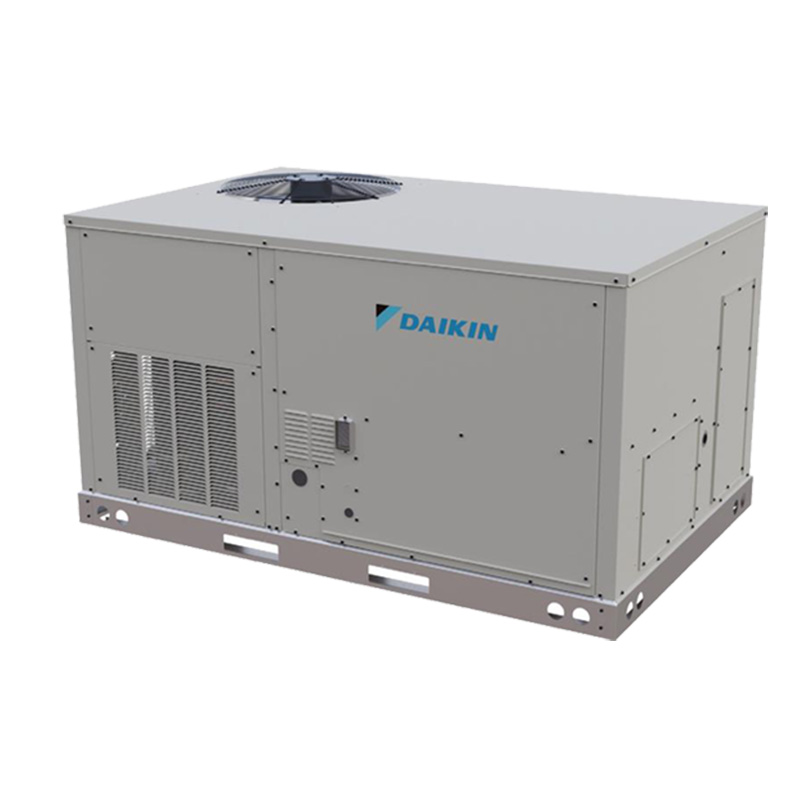
Daikin 6 Ton AC And 115000 BTU Gas/Electric Commercial Package Unit – 16.7 IEER, Two Stage, 81% AFUE, R32
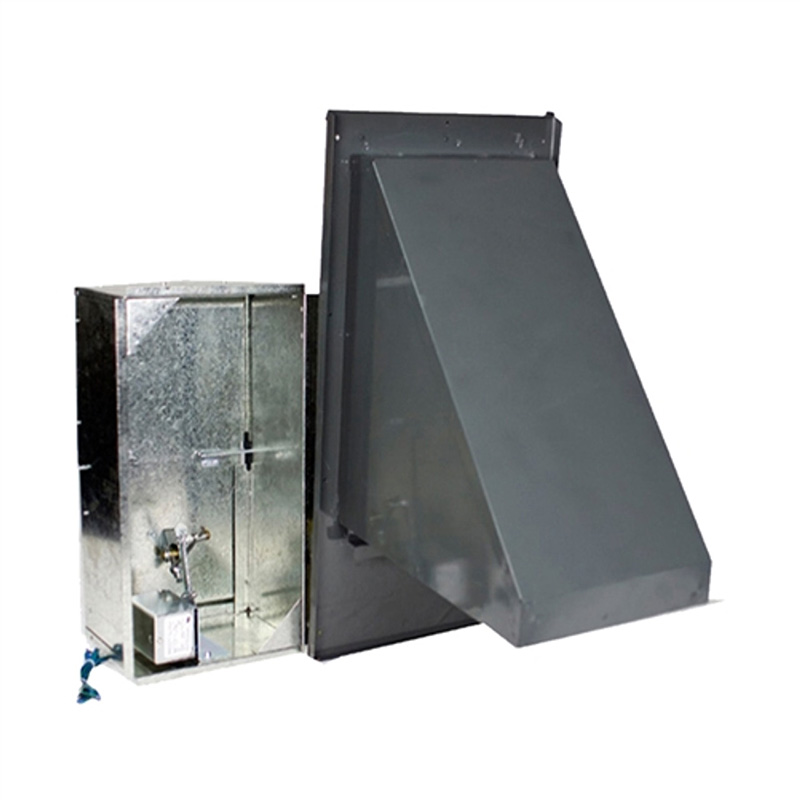
View on AC Direct see your lowest price →Check current price on AC Direct →
Key features
- 6-ton (115,000 BTU) all-in-one gas/electric commercial package unit
- Two-stage scroll compressor for part-load efficiency and quieter operation
- 16.7 IEER commercial cooling efficiency rating
- 81% AFUE gas furnace section with direct-spark ignition
- R-32 refrigerant with lower global warming potential than R-410A
- 12-year parts warranty with required registration within 60 days of installation
About this system
The Daikin 6-ton gas/electric commercial package unit is a rooftop or ground-mount all-in-one system designed for light commercial buildings, larger retail spaces, churches, and multi-zone office suites that need both serious cooling capacity and gas heat under a single cabinet. At 115,000 BTU of heating output with an 81% AFUE furnace section and a two-stage cooling compressor, the unit handles wide load swings better than a single-stage system would, running at low stage on mild days to save energy and reduce noise, then stepping up when the building demands full capacity.
The 16.7 IEER rating is the commercial efficiency metric used instead of SEER2 for packaged units, and this figure sits solidly in the mid-efficiency tier for commercial equipment of this class. It is not a premium-efficiency unit, and the 81% AFUE on the heating side is code-minimum territory in many jurisdictions, so buyers in colder climates or states with stricter energy codes should verify local requirements before purchasing. The R-32 refrigerant charge is a meaningful forward-looking specification: R-32 has a lower global warming potential than the R-410A it is replacing industry-wide, and refrigerant availability for future service should be good as the market transitions.
This system is built for facilities managers, commercial contractors, and business owners who want a single-source rooftop package from a manufacturer with a documented record of long equipment life. The two-stage operation makes it a reasonable fit for spaces with variable occupancy, and the package configuration keeps refrigerant line runs and installation labor relatively straightforward compared to split systems at this tonnage. That said, the 81% AFUE heating section and mid-tier IEER mean buyers prioritizing operating-cost efficiency over capital cost should weigh higher-efficiency alternatives before committing.
This Daikin commercial package unit delivers solid two-stage performance and a long-life build from the world's largest HVAC manufacturer, but the 81% AFUE heating section and mid-tier IEER mean it is not the most efficient option at this size class. It is a dependable workhorse for the right application, provided you have a qualified commercial contractor who knows Daikin equipment and can handle parts sourcing if service is needed.
Overall score is the average of the five ratings above.
What we like
- Two-stage compressor reduces energy use and humidity problems on mild-load days versus single-stage alternatives
- R-32 refrigerant is better positioned for long-term serviceability as the industry moves away from R-410A
- Daikin's documented reputation for durable, long-lasting equipment stands out at commercial scale
- Package configuration simplifies rooftop installation and eliminates long refrigerant line runs
- 12-year parts warranty is competitive for commercial equipment when registration is completed on time
Trade-offs
- 81% AFUE is code-minimum in many regions and meaningfully less efficient than 90%+ units available in this class
- Electronic control boards and circuit boards are the most frequently reported failure point, with error codes sometimes rendering the unit unresponsive
- Parts availability and warranty claim handling are consistent complaints from service contractors and building owners
- Premium Daikin pricing means the upfront cost is higher than comparable mid-tier commercial package units from competing brands
What homeowners and pros say about Daikin
Among HVAC professionals who work on commercial accounts, Daikin’s reputation sits in a specific place: the equipment tends to be well-built and outlasts some competing brands, but getting warranty work processed and sourcing parts through official channels is a recurring frustration. On review platforms where customers self-select to write reviews, Daikin scores around 1.4 out of 5 on PissedConsumer, a channel that skews heavily toward complaints and covers a relatively small sample of reviews. That number is dominated by price shock and service handling issues rather than equipment failure reports. The more balanced picture from Consumer Reports and experienced HVAC contractors puts Daikin among the longer-lasting commercial brands, which matters a great deal for a 6-ton package unit that a business owner expects to run for 15-plus years.
For this specific gas/electric package unit, the documented failure modes worth knowing before buying are electronic control board and circuit board errors, which are the most commonly reported technical complaint and can leave the unit in a lockout state requiring a technician visit even if no mechanical component has failed. Compressor issues and gradual cooling capacity loss have also been reported in the field. On the noise side, some units develop rattling or humming on start and stop cycles as they age. None of these failure modes are unique to Daikin at the commercial level, but parts availability concerns are more pronounced here than with some competitors, so building owners should factor in the importance of having a reliable, Daikin-authorized service contractor before committing to this system.
Sources: PissedConsumer Daikin reviews, AHRI Directory of Certified Product Performance, U.S. DOE appliance and equipment efficiency standards, Daikin product specifications.
How it compares
| Brand | Comparable model | SEER2 | Stage | Price position |
|---|---|---|---|---|
| Daikin | 6-Ton Gas/Electric Commercial Package Unit (16.7 IEER, Two-Stage, 81% AFUE, R-32) | N/A (16.7 IEER) | Two-stage | Value pick |
| Carrier | WeatherMaster 50XC Series (6-ton commercial package) | N/A (IEER rated) | Two-stage | Similar to slightly higher than Daikin at this tonnage |
| Trane | Voyager TC Series (6-ton commercial rooftop package) | N/A (IEER rated) | Single-stage or two-stage depending on configuration | Comparable to Daikin, with premium configurations priced higher |
| Lennox | LGH/LCH Series (6-ton commercial gas/electric package) | N/A (IEER rated) | Two-stage | Generally comparable, higher on premium-efficiency configurations |
Competitor rows are comparable single-stage units at similar efficiency; price is relative position, not a quote.
Questions about this system
Is 81% AFUE going to pass code for my commercial building?
That depends on your state and local energy code. Many jurisdictions, particularly in the northern US, have already adopted minimum AFUE requirements of 80% or higher, but some states and newer code cycles require 90%+ AFUE for commercial gas heating. Check with your local code authority or mechanical engineer before purchasing, because swapping out the heating section after installation is not a realistic option with a package unit.
What does the 12-year parts warranty actually cover, and what can void it?
Daikin's 12-year parts warranty covers the compressor and major components, but it requires product registration within 60 days of installation to activate. Failure to register drops coverage to a shorter base warranty. Labor is not included in the parts warranty, so repair costs on a commercial unit can still be significant even with parts covered.
How does two-stage cooling actually benefit a commercial space compared to single-stage?
On days when the building load is below peak, the compressor runs at low stage, which means longer, quieter run cycles that remove more humidity and use less electricity than short-cycling at full capacity. Only when the space genuinely needs full cooling does the unit ramp to the second stage. For spaces with variable occupancy like offices or churches, this translates to more consistent comfort and reduced energy consumption during shoulder seasons.
What are the most common service issues I should plan for with Daikin commercial package units?
Based on documented failure patterns, electronic control boards and circuit board errors are the top reported issue, sometimes causing the unit to lock out or throw error codes that require a technician to clear. Compressor failures and gradual loss of cooling capacity have also been reported. Parts availability and slow warranty processing are frequent complaints from contractors, so it is worth establishing a relationship with a Daikin-authorized commercial service provider before you need emergency repairs.
Why does this unit use R-32 instead of R-410A, and does that affect service costs?
Daikin has been an industry leader in transitioning to R-32, which has a significantly lower global warming potential than R-410A and is also used as a base component in many next-generation refrigerants. For service, R-32 requires technicians with the appropriate certification and handling equipment since it is mildly flammable, but it is increasingly stocked by commercial HVAC supply houses. In the medium term, R-32 availability should actually be more stable than R-410A as regulatory pressure on the older refrigerant increases.
Specifications
| Cooling capacity | 6 Ton |
| Furnace output | 115000 BTU |
| Furnace efficiency | 81% AFUE |
| Refrigerant | R-32 |