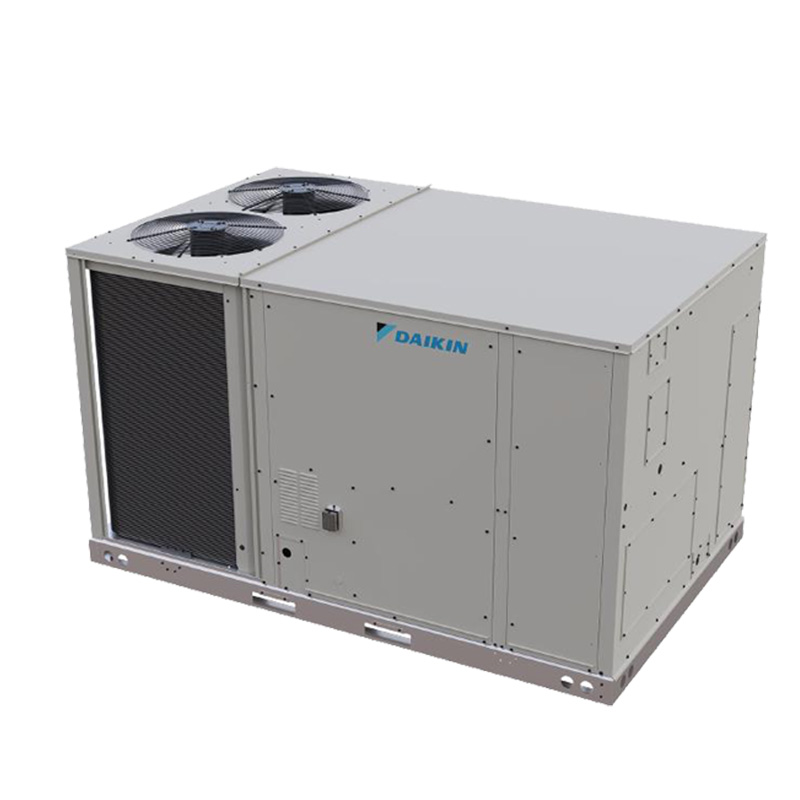
Daikin 7.5 Ton AC And 130000 BTU Gas/Electric Commercial Package Unit – 16 SEER2, Two Stage, 81% AFUE, R32
View on AC Direct see your lowest price →Check current price on AC Direct →
Key features
- 7.5-ton two-stage cooling at 16 SEER2 for improved part-load efficiency and humidity control
- 130,000 BTU gas heating section rated at 81% AFUE in a single packaged rooftop cabinet
- R-32 refrigerant with lower global warming potential than R-410A and reduced charge requirements
- Two-stage compressor reduces short-cycling and lowers operating noise during light-load conditions
- 12-year parts warranty available with registration within 60 days of installation
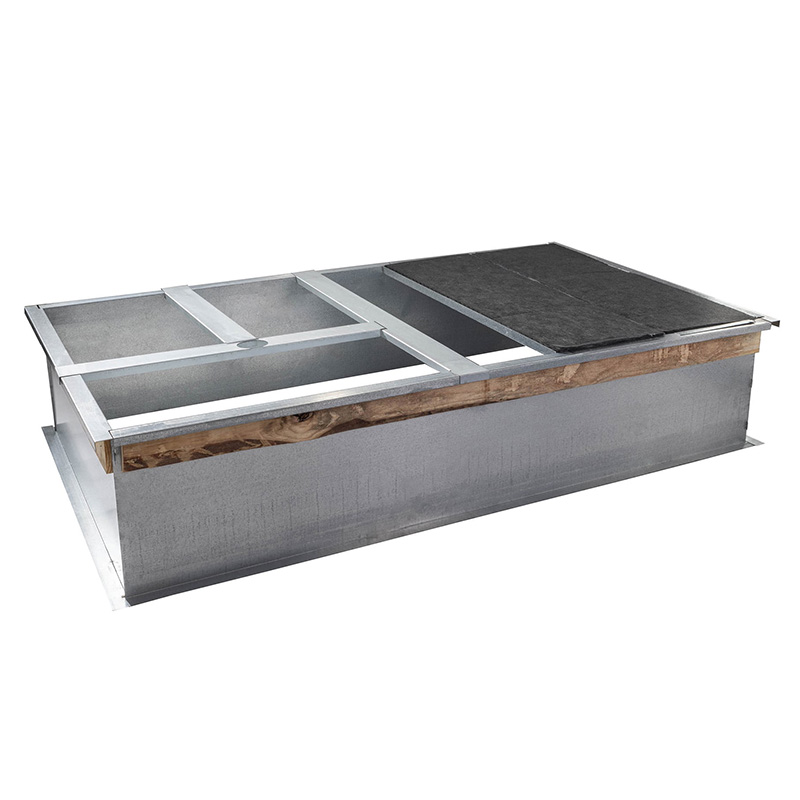
- Commercial packaged format with a single roof curb footprint, simplifying installation and duct connections
About this system
The Daikin 7.5-ton gas/electric commercial package unit combines a 16 SEER2 two-stage cooling system with an 81% AFUE gas furnace section in a single rooftop-ready cabinet. At 130,000 BTU of heating capacity, it is sized for mid-size commercial spaces: small office buildings, retail suites, light industrial bays, or large mixed-use floors typically in the 3,000 to 5,000 square foot range depending on climate zone and insulation quality. The two-stage compressor allows the unit to run at a lower capacity during mild weather, which reduces short-cycling, lowers humidity, and cuts energy consumption compared to single-stage competitors at the same nominal tonnage.
The switch to R-32 refrigerant is a meaningful spec detail. R-32 carries a global warming potential roughly one-third that of the outgoing R-410A and operates at higher efficiency per unit of charge, so less refrigerant is needed per fill. That matters both from an environmental compliance standpoint and from a long-term serviceability perspective as R-410A availability tightens under EPA phasedown rules. The 16 SEER2 rating lands in the upper-mid tier for commercial package equipment, not a top-tier variable-speed figure but meaningfully above minimum-efficiency commercial replacements. The 81% AFUE gas section is straightforward single-pass combustion and is adequate but not a standout efficiency number for organizations tracking energy costs closely.
This unit is best suited to commercial buyers who want a proven packaged rooftop format from a manufacturer with serious global manufacturing depth, are willing to pay a premium for build quality and longevity, and have access to a qualified commercial HVAC contractor familiar with Daikin’s control interface and R-32 handling requirements. It is not an entry-level price point and it is not a DIY candidate.
The Daikin 7.5-ton gas/electric package unit is a well-engineered commercial rooftop with a genuine two-stage compressor, forward-looking R-32 refrigerant, and the build quality Daikin is consistently credited for by industry experts. The trade-offs are real: the 81% AFUE gas section trails high-efficiency alternatives, Daikin's parts availability and customer service have documented problems, and the price premium requires confidence that the durability advantage will pay out over the equipment's life.
Overall score is the average of the five ratings above.
What we like
- Two-stage compressor delivers better humidity control and efficiency at partial load versus single-stage commercial units
- R-32 refrigerant positions the unit well for long-term regulatory compliance as R-410A is phased out
- 16 SEER2 is above the commercial minimum efficiency threshold, reducing operating costs relative to baseline replacements
- Daikin's build quality is consistently rated among the most durable in the industry by HVAC experts and Consumer Reports
- Single packaged rooftop cabinet keeps mechanical systems off the ground and simplifies the installation footprint
Trade-offs
- 81% AFUE gas heat is adequate but below the 90%+ figures available from competing high-efficiency package units, adding to heating season operating costs
- Electronic control board failures and circuit board errors are the most commonly documented failure mode, sometimes leaving the unit unresponsive
- Parts availability and warranty claim handling draw consistent complaints, which matters especially for a commercial building where downtime costs money
- Premium price point over Carrier, Trane, and Lennox comparable commercial package units without a clear service-network advantage in most markets
What homeowners and pros say about Daikin
Among HVAC professionals working in the commercial rooftop space, Daikin’s hardware reputation is solid. Industry experts and Consumer Reports place Daikin among the longer-lasting commercial brands, and contractors who work regularly with the equipment cite its build consistency as a genuine advantage over lower-cost competitors. That reputation comes with a caveat that shows up across service channels: the documented electronic control board failures are the first thing experienced Daikin technicians mention, with units occasionally going unresponsive or cycling through error codes that require board replacement rather than a simple field repair. Compressor degradation and units growing noisier over time with rattling or humming on start and stop are also part of the real-world service picture, not just edge cases.
On the consumer side, the picture is more uneven. PissedConsumer’s aggregate of reviews scores Daikin at roughly 1.4 out of 5, a number heavily weighted by price shock and parts and service frustrations rather than mechanical failure stories, and that channel skews sharply toward complaints by its nature. The parts availability issue is the thread that runs through the most credible negative feedback: when a control board fails on a commercial rooftop in mid-July, waiting on Daikin’s parts and warranty process is where building owners report the real pain. For a commercial buyer, the practical takeaway is to verify that your local Daikin commercial distributor carries stock before committing, and to treat the 60-day warranty registration window as a hard deadline rather than an administrative detail.
Sources: PissedConsumer Daikin reviews, AHRI Directory of Certified Product Performance, U.S. DOE appliance and equipment efficiency standards, Daikin product specifications.
What it costs to run
At 16 SEER2, cooling this 7.5-ton system for a typical 1200-hour cooling season at the U.S. average electricity rate of $0.17/kWh works out to roughly $1148 per year in cooling, about $222 less per year than a minimum-efficiency 13.4 SEER2 unit of the same size. Your real cost depends on your climate and local rate.
Method: (90,000 BTU/hr ÷ 16 SEER2) × 1200 hours ÷ 1000 × $0.17/kWh. Rate source: U.S. EIA average; cooling hours: moderate-climate estimate.
How it compares
| Brand | Comparable model | SEER2 | Stage | Price position |
|---|---|---|---|---|
| Daikin | 7.5-Ton Gas/Electric Commercial Package Unit (R-32, Two-Stage) | 16 | Two-stage | Premium tier |
| Carrier | WeatherMaster 48/50XC Series (7.5 Ton Gas/Electric) | 15-16 | Two-stage | Comparable to slightly below Daikin at this efficiency tier |
| Trane | Precedent YSC/YHC Series (7.5 Ton Gas/Electric) | 15-16 | Single-stage or two-stage depending on configuration | Comparable to Daikin with wider service network in most commercial markets |
| Lennox | LGH/LCA Commercial Package Unit (7.5 Ton Gas/Electric) | 15-16 | Two-stage | Generally comparable to Daikin; higher-AFUE options available in the same series |
Competitor rows are comparable single-stage units at similar efficiency; price is relative position, not a quote.
Questions about this system
Why does an 81% AFUE matter on a commercial rooftop unit and should I be concerned about it?
81% AFUE means roughly 19 cents of every heating dollar escapes as exhaust, which is the standard for basic commercial gas heat rather than a premium figure. For buildings in mild climates where heating runs are short, the impact on annual energy bills is modest. In colder climates or buildings with high heating loads, stepping up to a 90%+ AFUE packaged unit from Carrier or Lennox will produce a measurable reduction in gas costs over the equipment's life.
What does switching to R-32 refrigerant mean for service and maintenance going forward?
R-32 requires technicians with specific training and certifications because it is mildly flammable, so not every commercial HVAC contractor is currently equipped to service it. On the positive side, R-32 is not subject to the EPA phasedown hitting R-410A, so refrigerant availability and cost should remain stable long-term. Confirm your service contractor is R-32 certified before committing to this unit.
What is the most common thing that goes wrong with Daikin commercial package units?
The most consistently documented failure mode across Daikin equipment is electronic control board and circuit board errors, which can leave the unit throwing error codes or failing to respond to thermostat calls. Compressor degradation and increasing operational noise over time are also reported. Parts availability is where most of the service frustration originates, as documented by the recurring complaints about Daikin's service support network.
How does the 12-year parts warranty registration requirement work and what happens if I miss the 60-day window?
Daikin requires the unit to be registered within 60 days of installation to unlock the 12-year parts warranty. If registration is missed, the warranty typically reverts to a shorter base period, often 5 years on parts. Given Daikin's documented complaints about warranty handling, keeping proof of registration and the original installation date on file is important for any future claim.
Is a 7.5-ton package unit something a general commercial HVAC contractor can install, or does it need a Daikin specialist?
Any licensed commercial HVAC contractor can handle the physical installation, rooftop curb mounting, ductwork connection, and gas piping. The R-32 refrigerant handling does require specific certification that not all contractors carry yet, so that is the primary qualification to verify before hiring. Daikin's control interface and diagnostic system are proprietary, so a contractor familiar with Daikin commercial equipment will work through commissioning and error codes more efficiently than one encountering it for the first time.
Specifications
| Cooling capacity | 7.5 Ton |
| Efficiency | 16 SEER2 |
| Furnace output | 130000 BTU |
| Furnace efficiency | 81% AFUE |
| Refrigerant | R-32 |