Daikin 7.5 Ton Commercial Package Unit AC Cooling Only – 16 IEER, 460/3/60, Two Stage, R32
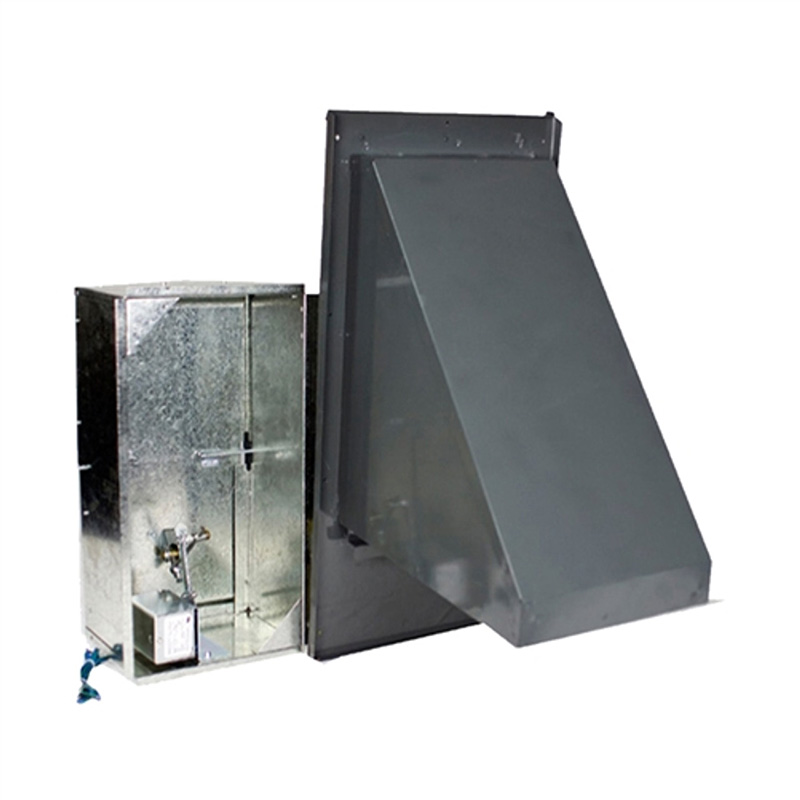
View on AC Direct see your lowest price →Check current price on AC Direct →
Key features
- 7.5-ton cooling capacity on 460V/3-phase/60Hz commercial power
- Two-stage compressor for improved part-load efficiency and reduced short-cycling
- 16 IEER rating indicating solid integrated part-load energy performance
- R-32 refrigerant with approximately 68% lower GWP than R-410A
- Self-contained package configuration for rooftop curb or ground-pad installation
- 12-year parts warranty with required registration within 60 days of installation
About this system
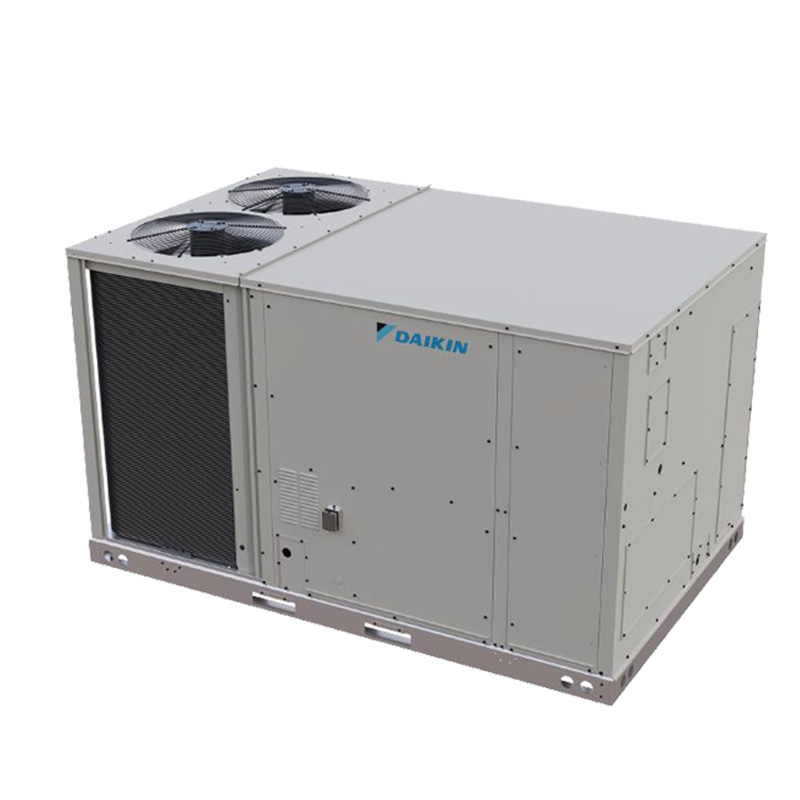
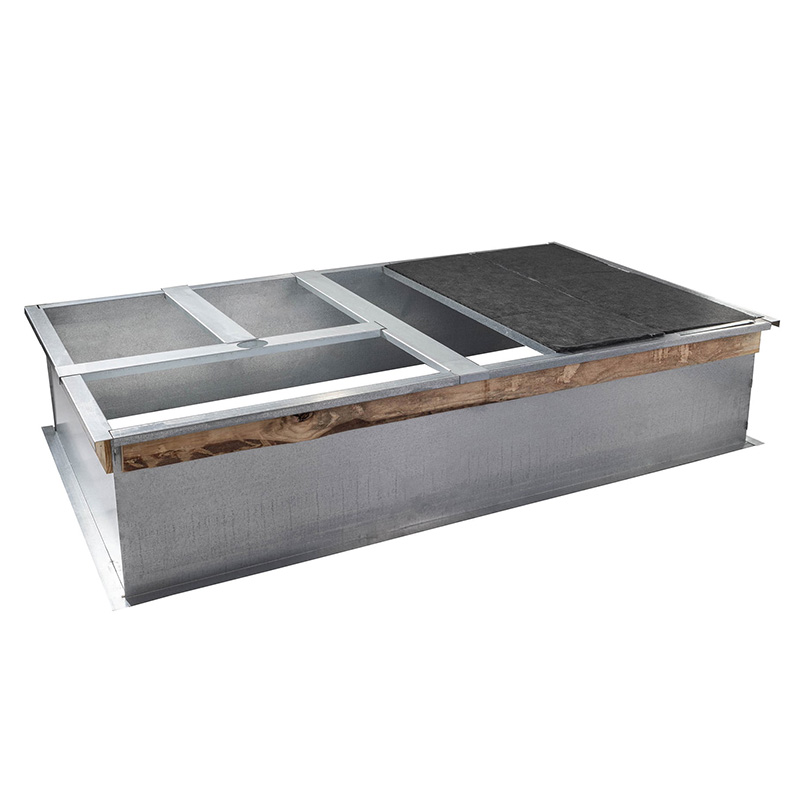
The Daikin 7.5-ton commercial package unit is a self-contained, rooftop-ready cooling system built for mid-size commercial applications: retail spaces, light industrial buildings, restaurants, and office suites in the 3,000 to 5,000 square foot range depending on local climate and building envelope. Everything, the compressor, condenser coil, evaporator coil, and blower, ships in a single cabinet that drops onto a rooftop curb or sits on a ground pad, making it a practical choice wherever a split system would be logistically difficult or code-restricted.
Running on 460V three-phase 60Hz power, this unit is strictly a commercial install and will not work in standard residential service. The two-stage compressor is a meaningful operational advantage over single-stage packaged units: at partial load the system runs on the lower stage, reducing short-cycling, lowering sound levels, and trimming energy consumption during mild weather, which represents the majority of annual run hours for most climates. The 16 IEER (Integrated Energy Efficiency Ratio) rating governs commercial cooling efficiency and reflects solid part-load performance, though prospective buyers should confirm current ratings directly with Daikin since IEER figures can be updated when equipment is tested under revised standards. R-32 refrigerant carries a global warming potential roughly two-thirds lower than R-410A, positioning this unit ahead of older refrigerant platforms as regulations continue to tighten.
Daikin manufactures much of its own compressor and controls technology, which can mean better system integration but also tighter reliance on proprietary parts. At 7.5 tons and three-phase power, installation involves crane or lift access for rooftop placement, proper curb sizing, dedicated electrical service, and commissioning by a certified commercial technician. This is not a straightforward install, and the total project cost will reflect that.
The Daikin 7.5-ton commercial package unit offers a well-engineered two-stage platform with a competitive efficiency rating and a forward-looking refrigerant choice, backed by a brand with a strong durability track record in commercial applications. The premium price point and documented weaknesses in parts availability and electronic controls support deserve honest consideration before committing. For buyers who can secure a qualified service contractor familiar with Daikin commercial equipment, it is a capable long-term investment; for those in markets with thin Daikin dealer coverage, the service risk is real.
Overall score is the average of the five ratings above.
What we like
- Two-stage operation cuts energy use during partial-load conditions, which represent the majority of annual run hours
- R-32 refrigerant reduces environmental exposure and positions the unit ahead of refrigerant transition requirements
- 16 IEER reflects strong integrated efficiency for a commercial package unit in this class
- Daikin's build quality and compressor longevity are consistently recognized by HVAC professionals and industry evaluators
- All-in-one package cabinet simplifies rooftop installation compared to split-system field refrigerant work
Trade-offs
- Electronic control boards and circuit boards are the most frequently cited failure point, sometimes causing error codes or complete unresponsiveness
- Parts availability and warranty claim handling draw consistent complaints, which matters acutely in a commercial downtime scenario
- Compressor failures, including gradual loss of cooling capacity and outright failure, appear in documented service records
- Units can develop rattling or humming on start and stop cycles as they age, which may require investigation in noise-sensitive occupancies
What homeowners and pros say about Daikin
Among HVAC professionals who work in commercial rooftop applications, Daikin’s build quality and compressor longevity are generally respected, and the brand consistently appears alongside Carrier and Trane when contractors discuss longer-lasting commercial equipment. However, two documented failure modes come up repeatedly in service discussions: electronic control and circuit board errors that can leave a unit throwing fault codes or going completely unresponsive, and compressor issues ranging from gradual capacity loss to full failure. For a 7.5-ton commercial unit serving an occupied building, either of those failure modes represents a genuine business disruption, which makes the choice of a service contractor with strong Daikin commercial parts access more important than it might be with a brand that has deeper regional distribution.
Owner feedback on complaint-oriented platforms such as PissedConsumer skews heavily negative, with Daikin sitting around 1.4 out of 5 on that channel, driven mainly by service response times, parts delays, and warranty handling frustrations rather than by equipment design itself. That rating reflects a self-selected complaint audience and should be read alongside the more balanced assessments from industry evaluators and Consumer Reports, which place Daikin among the more durable commercial brands for long-term lifespan. The honest takeaway is that the hardware tends to hold up well when it is properly installed and serviced, but the support infrastructure around parts and warranty claims is a documented weak point. Units can also develop mechanical noise over time, particularly rattling or humming on start and stop cycles, which is worth monitoring and investigating promptly to avoid compressor stress.
Sources: PissedConsumer Daikin reviews, AHRI Directory of Certified Product Performance, U.S. DOE appliance and equipment efficiency standards, Daikin product specifications.
How it compares
| Brand | Comparable model | SEER2 | Stage | Price position |
|---|---|---|---|---|
| Daikin | 7.5-Ton Commercial Package Unit, Two-Stage, R-32, 16 IEER | N/A (commercial IEER: 16) | Two-stage | Premium tier |
| Carrier | WeatherMaster 48/50XC Series, 7.5-Ton | N/A (commercial IEER rated) | Two-stage | Comparable premium pricing, broad parts network nationwide |
| Trane | Precedent Series, 7.5-Ton Package Unit | N/A (commercial IEER rated) | Single- or two-stage depending on configuration | Comparable to slightly above Daikin, widest commercial service network |
| Lennox | LGH/LCH Series, 7.5-Ton Commercial Package | N/A (commercial IEER rated) | Single- or two-stage depending on model | Comparable premium range, strong efficiency options in class |
Competitor rows are comparable single-stage units at similar efficiency; price is relative position, not a quote.
Questions about this system
What electrical service does this unit actually require, and can an existing panel support it?
This unit requires 460V three-phase 60Hz power, which is standard commercial service but is not available in most residential buildings or small strip retail spaces without a transformer or service upgrade. You will need a licensed electrician to confirm your building's service capacity and run a dedicated circuit before the unit is ordered.
How does two-stage cooling actually affect my energy bill compared to a single-stage package unit?
On mild days when the building does not need full cooling output, the compressor runs on the lower stage rather than cycling on and off at full capacity. This reduces energy consumption during partial-load hours, which in most climates make up the majority of the cooling season. Real-world savings depend on your climate zone, building insulation, and occupancy patterns, but two-stage operation generally produces measurable efficiency gains over a comparable single-stage unit.
What does the 12-year parts warranty actually cover, and what can void it?
The 12-year parts warranty covers covered components against defects but requires product registration within 60 days of installation to activate the full term. Failure to register typically drops coverage to a shorter base period. The warranty does not cover labor, refrigerant, or damage from improper installation, and Daikin's documented service complaints suggest that parts sourcing and warranty claim processing can be slow, so understanding your contractor's relationship with Daikin's commercial distribution network matters.
Is R-32 refrigerant readily available for service calls, and are there any handling differences my technician needs to know?
R-32 is classified as A2L, meaning it is mildly flammable, which requires technicians to use compatible recovery equipment and follow A2L handling procedures. Availability is growing as more manufacturers adopt R-32, but not every HVAC service shop stocks it yet. Confirm that your service contractor is equipped and certified to handle A2L refrigerants before installation.
What are the most common service issues I should watch for and budget around with this unit?
Based on documented service history with Daikin commercial equipment, electronic control board failures are the most frequent issue, sometimes manifesting as error codes, unresponsive controls, or unexpected shutdowns. Compressor performance degradation and outright compressor failure also appear in service records. Parts lead times and warranty handling are the most common frustration points reported by owners and contractors, so budgeting for a service contract with a stocked Daikin distributor nearby is a reasonable precaution.
Specifications
| Cooling capacity | 7.5 Ton |
| Refrigerant | R-32 |