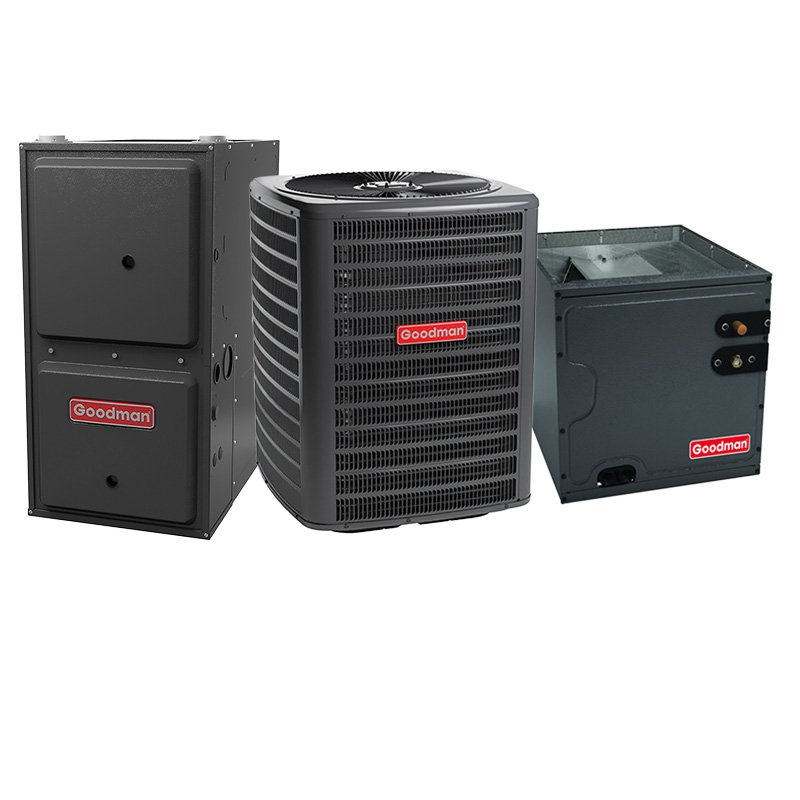
Goodman 1.5 Ton 14.5 SEER2 60000 BTU 80% AFUE Two Stage Multi-Speed ECM Gas Furnace System – Low NOX For California Downflow | R32
View on AC Direct see your lowest price →Check current price on AC Direct →
Key features
- 1.5-ton cooling capacity, 14.5 SEER2 rated efficiency
- 60,000 BTU two-stage gas furnace at 80% AFUE, Low NOx certified for California
- Multi-speed ECM blower motor for quieter, more efficient airflow
- Downflow configuration for under-unit duct systems
- R-32 refrigerant with lower global warming potential than R-410A
- Two-stage gas valve reduces temperature swings and runtime noise
About this system
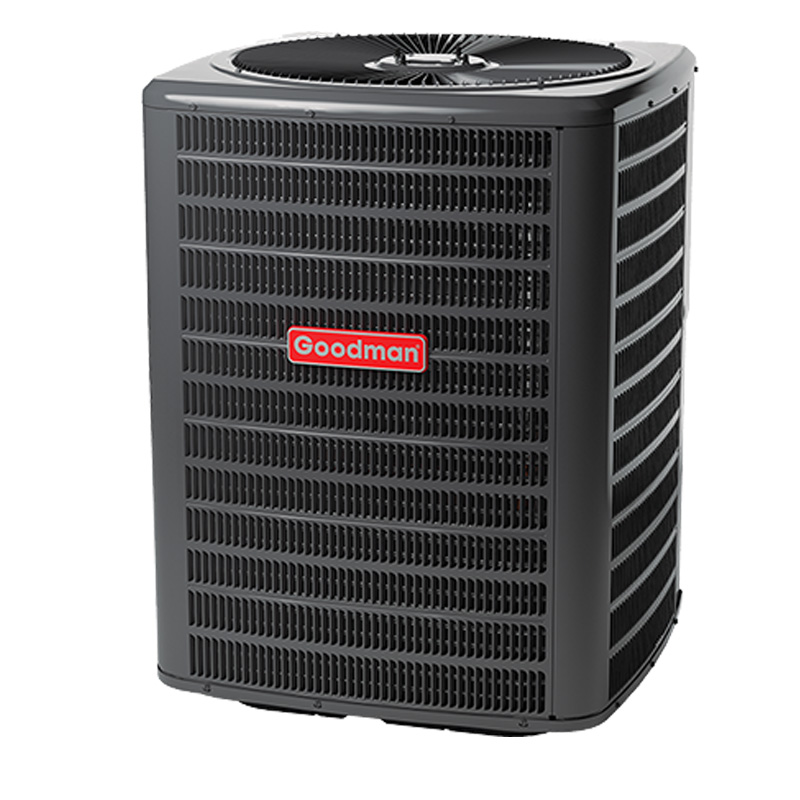
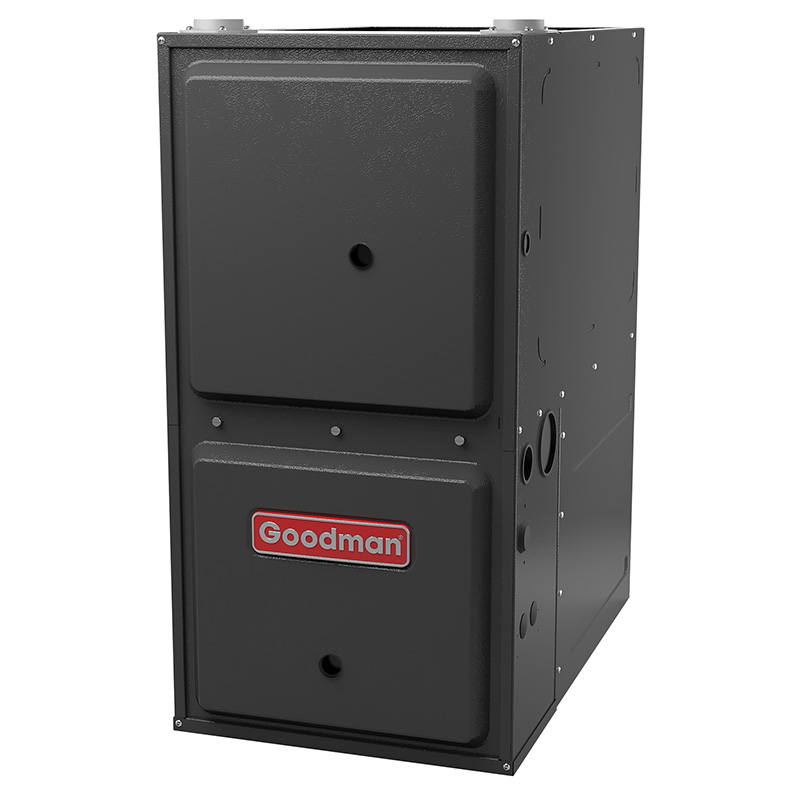
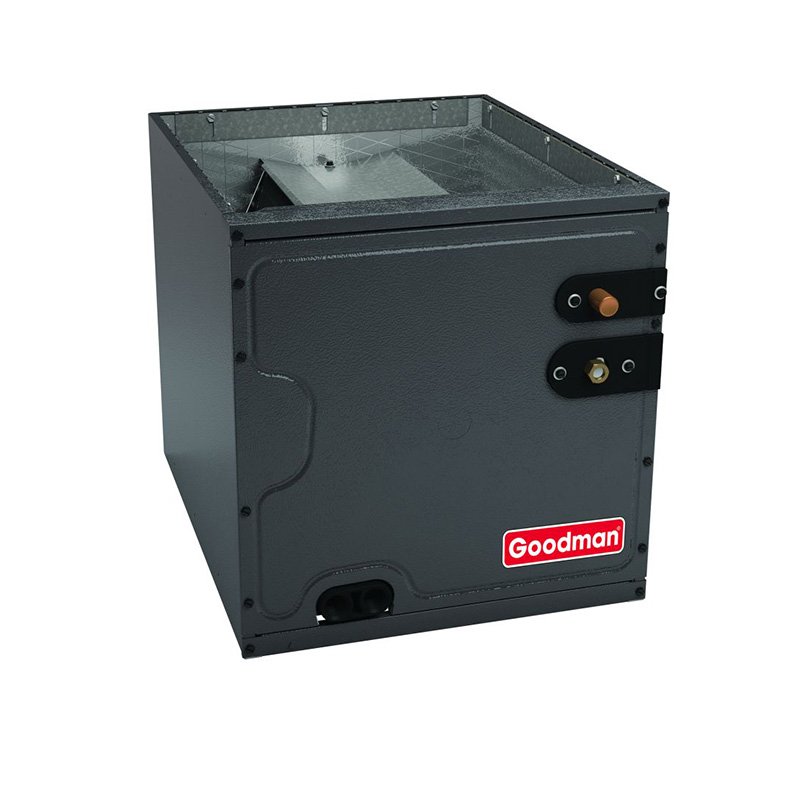
The Goodman GLXS4BA1810 is a 1.5-ton, 14.5 SEER2 split system paired with a 60,000 BTU 80% AFUE two-stage, multi-speed ECM gas furnace, configured specifically for downflow installations and certified for California’s Low NOx emissions requirements. It runs on R-32 refrigerant, a lower global-warming-potential refrigerant now appearing more frequently in residential equipment. At 1.5 tons, this system is sized for smaller homes, conditioned spaces, or additions in the 600 to 900 square foot range depending on local climate and insulation levels.
The two-stage furnace and multi-speed ECM blower are genuine upgrades over single-stage, fixed-speed equipment. Two-stage heating means the furnace runs at a lower fire rate most of the time, cycling up to full output only on the coldest days. That translates to fewer large temperature swings, quieter operation, and somewhat better humidity control compared to a single-stage unit. The ECM blower motor is meaningfully more efficient than a standard PSC motor and supports variable airflow that works with the two-stage valve. The 80% AFUE rating is a baseline efficiency tier, not a high-efficiency one, so roughly 20 cents of every dollar spent on gas exits through the flue rather than heating the home. Buyers in climates with moderate heating loads will find this acceptable; those with long, cold winters may want to price a 96% AFUE alternative before committing.
The downflow configuration is a specific requirement, not a universal fit. Downflow furnaces discharge air from the bottom and are used when ductwork runs beneath the unit, common in crawlspace homes or certain manufactured housing setups. Confirming your existing duct layout matches this orientation is a mandatory step before purchase. The R-32 refrigerant charge also means your installing technician must be equipped and certified to handle R-32, which is still less universal in the field than R-410A, so confirming contractor readiness upfront avoids delays.
This system offers a genuine step up from basic single-stage equipment at a price point that is typically 15 to 25 percent below comparable Carrier, Trane, or Lennox two-stage packages. The two-stage furnace and ECM blower deliver real comfort improvements, but the 80% AFUE furnace is entry-level efficiency, and Goodman's long-term reliability record leans heavily on installation quality and the luck of the draw on components after year seven.
Overall score is the average of the five ratings above.
What we like
- Two-stage furnace reduces temperature swings and improves comfort over single-stage units
- ECM blower motor cuts fan electricity use and supports variable airflow
- Priced 15 to 25 percent below comparable Trane, Carrier, and Lennox two-stage systems
- Low NOx certified, meeting California emissions standards out of the box
- R-32 refrigerant has a lower global warming potential than R-410A
Trade-offs
- 80% AFUE is baseline efficiency; roughly one-fifth of fuel cost exits through the flue
- Dual-run capacitors are the most documented early failure point, typically requiring a 300 to 600 dollar service call
- Compressor lifespan averages 10 to 14 years versus 15 to 20 years for premium brands, per owner reports
- Downflow-only configuration limits compatibility; not interchangeable with horizontal or upflow duct layouts
What homeowners and pros say about Goodman
Homeowners shopping Goodman tend to split into two camps: those who appreciate getting more features for less money, and those who regret the choice after an unexpected repair bill a few years in. On Google dealer review pages, Goodman equipment sits at around 3.8 out of 5 across hundreds of reviews per location, with affordability consistently cited as the reason buyers chose it. On ConsumerAffairs, the score drops to roughly 2.5 out of 5, a channel that skews toward frustrated owners, where the recurring pattern is repair costs climbing after approximately year seven. Neither number tells the whole story, but together they suggest a brand that performs acceptably when installed well and maintained, but shows its budget origins over time.
HVAC technicians who service Goodman equipment frequently point out that the dual-run capacitor is the most common callout, typically a straightforward repair in the 300 to 600 dollar range but one that tends to happen more than once on older units. Evaporator coil leaks are documented in a meaningful share of owner accounts and represent a more significant repair cost. Compressors on Goodman systems tend to average 10 to 14 years of service life compared to 15 to 20 years reported on premium brands, which matters when sizing up the total cost of ownership. A small minority of owners report refrigerant leaks within the first year, and techs generally attribute those to installation quality or charge issues rather than factory defects, reinforcing the well-known point that with Goodman equipment in particular, who installs it matters as much as what you bought.
Sources: ConsumerAffairs Goodman owner reviews, AHRI Directory of Certified Product Performance, U.S. DOE appliance and equipment efficiency standards, Goodman product specification sheets.
What it costs to run
At 14.5 SEER2, cooling this 1.5-ton system for a typical 1200-hour cooling season at the U.S. average electricity rate of $0.17/kWh works out to roughly $253 per year in cooling, about $21 less per year than a minimum-efficiency 13.4 SEER2 unit of the same size. Your real cost depends on your climate and local rate.
Method: (18,000 BTU/hr ÷ 14.5 SEER2) × 1200 hours ÷ 1000 × $0.17/kWh. Rate source: U.S. EIA average; cooling hours: moderate-climate estimate.
How it compares
| Brand | Comparable model | SEER2 | Stage | Price position |
|---|---|---|---|---|
| Goodman | GLXS4BA1810 (this system) | 14.5 | two-stage | Value pick |
| Carrier | Comfort 14 (24ACC4 series) | 14.3-14.5 | single-stage | Typically 15 to 25 percent more than Goodman |
| Trane | XR14 series | 14.3-15.0 | single-stage | Typically 15 to 25 percent more than Goodman |
| Lennox | Merit 14ACX series | 14.3-15.0 | single-stage | Typically 15 to 25 percent more than Goodman |
Competitor rows are comparable single-stage units at similar efficiency; price is relative position, not a quote.
Questions about this system
Is a downflow furnace the same as a standard upflow unit? Can I use this in any installation?
No. A downflow furnace draws return air from the top and discharges conditioned air from the bottom into ductwork below the unit. It cannot be swapped into an upflow or horizontal application. Verify your existing duct layout is a true downflow configuration before purchasing, because returning or exchanging a correctly shipped unit is costly.
Will my current HVAC technician be able to work with R-32 refrigerant?
Not automatically. R-32 requires specific recovery equipment, handling procedures, and technician familiarity that is still less common than R-410A in many service areas. Ask your installer explicitly whether they are set up for R-32 before scheduling, and confirm parts availability in your region for future service calls.
How significant is the two-stage furnace compared to a standard single-stage unit at this price point?
The difference is real and noticeable for day-to-day comfort. Running at the lower stage most of the time means longer, gentler heat cycles with less temperature swing and less on-off noise. It is not a dramatic efficiency gain over single-stage at 80% AFUE, but comfort and humidity handling both improve meaningfully.
What are the most likely repair calls I should budget for over the first ten years?
Dual-run capacitor failure is the most frequently documented issue on Goodman equipment and typically costs 300 to 600 dollars to fix. Evaporator coil leaks show up in a meaningful share of owner accounts and are more expensive to address. A small number of owners report refrigerant leaks within the first year, which is usually tied to installation quality rather than a manufacturing defect.
Does 80% AFUE qualify for any federal or California efficiency incentives?
As of current federal Inflation Reduction Act guidelines, gas furnaces must meet higher efficiency thresholds (typically 97% AFUE in northern climate zones) to qualify for the 25C tax credit. An 80% AFUE furnace generally does not qualify for those credits. Check with your utility for any applicable local rebates, as programs vary by provider and change periodically.
Specifications
| Cooling capacity | 1.5 Ton |
| Efficiency | 14.5 SEER2 |
| Furnace output | 60000 BTU |
| Furnace efficiency | 80% AFUE |
| Configuration | Downflow |
| Refrigerant | R-32 |
| Model | GLXS4BA1810 |