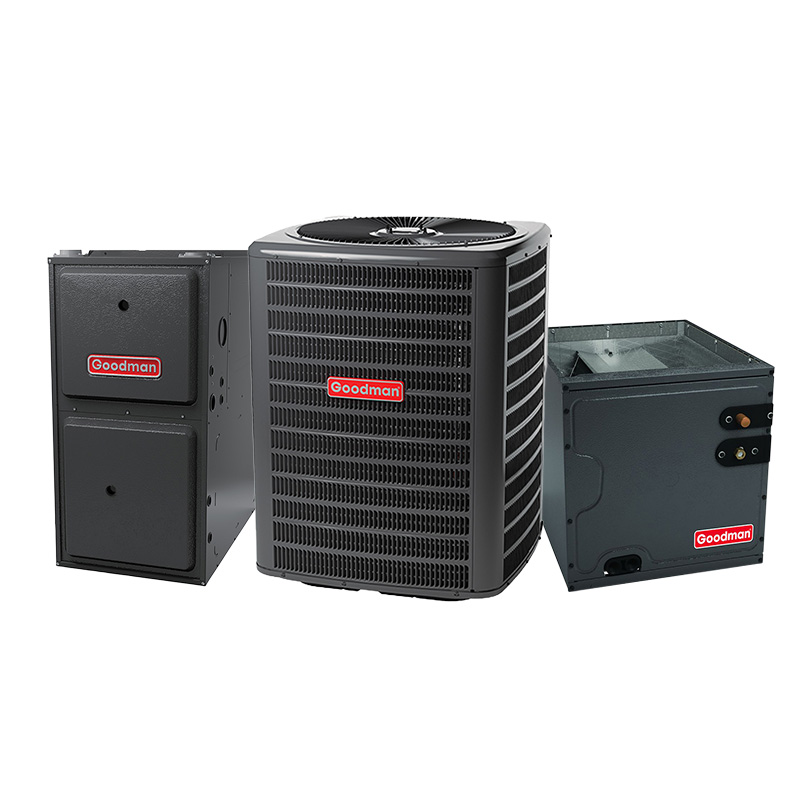
Goodman 1.5 Ton 14.5 SEER2 Dual Fuel Heat Pump & Gas Furnace Hybrid System – Modulating Variable-Speed, 60000 BTU Gas Furnace, 97% AFUE, Upflow, R32
View on AC Direct see your lowest price →Check current price on AC Direct →
Key features
- 1.5-ton variable-speed heat pump rated 14.5 SEER2 for baseline cooling efficiency
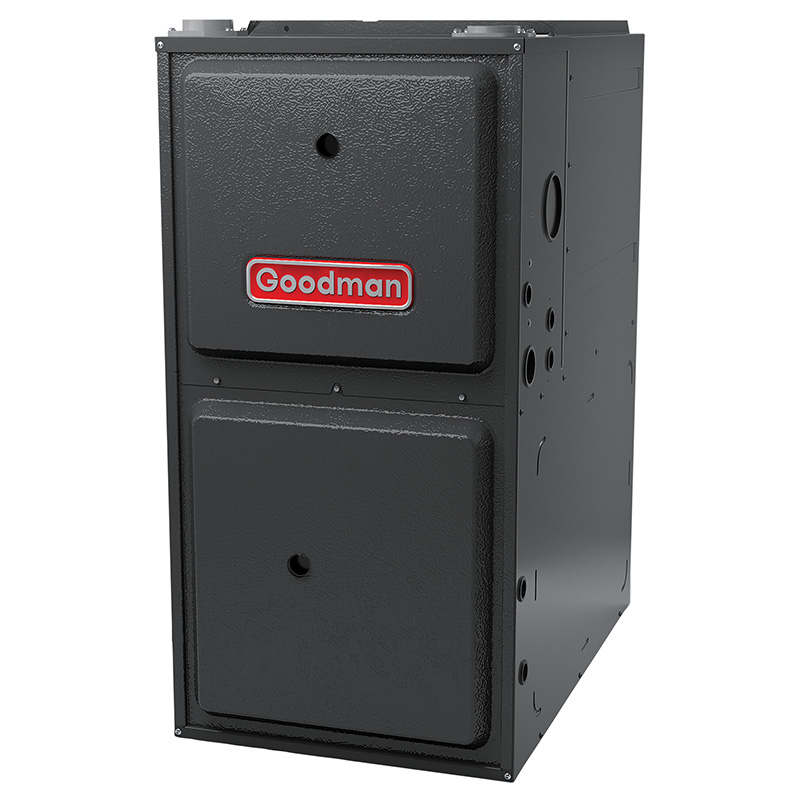
- 60,000 BTU modulating gas furnace at 97% AFUE for high-efficiency heating in cold weather
- Dual-fuel hybrid logic automatically switches between heat pump and gas heat based on outdoor temperature
- Upflow configuration for basement or ground-floor air handler installations
- R-32 refrigerant with lower global-warming potential than legacy R-410A systems
- Variable-speed blower motor for improved humidity control and quieter part-load operation
About this system
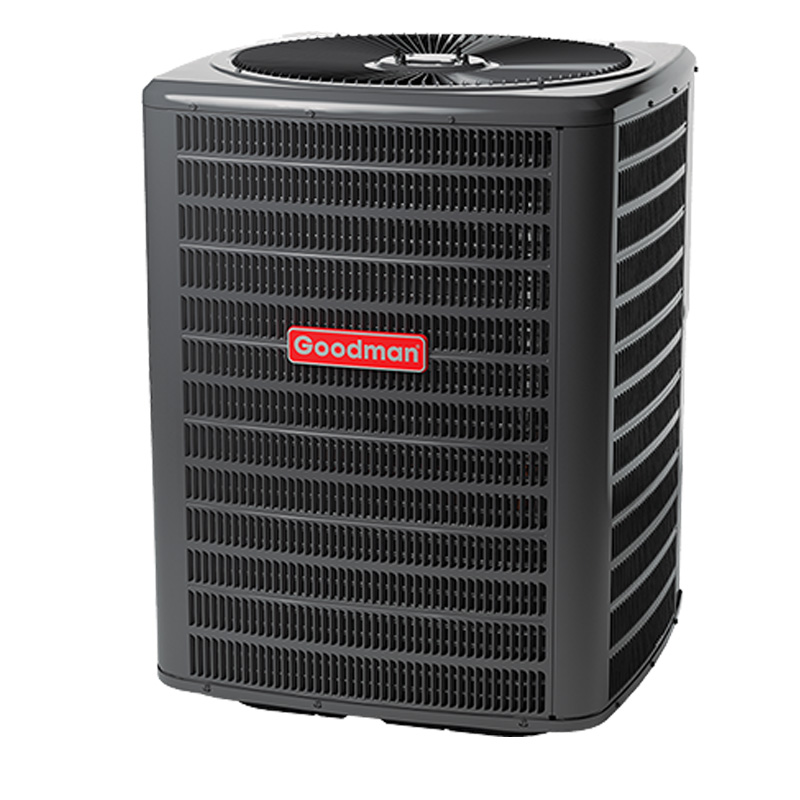
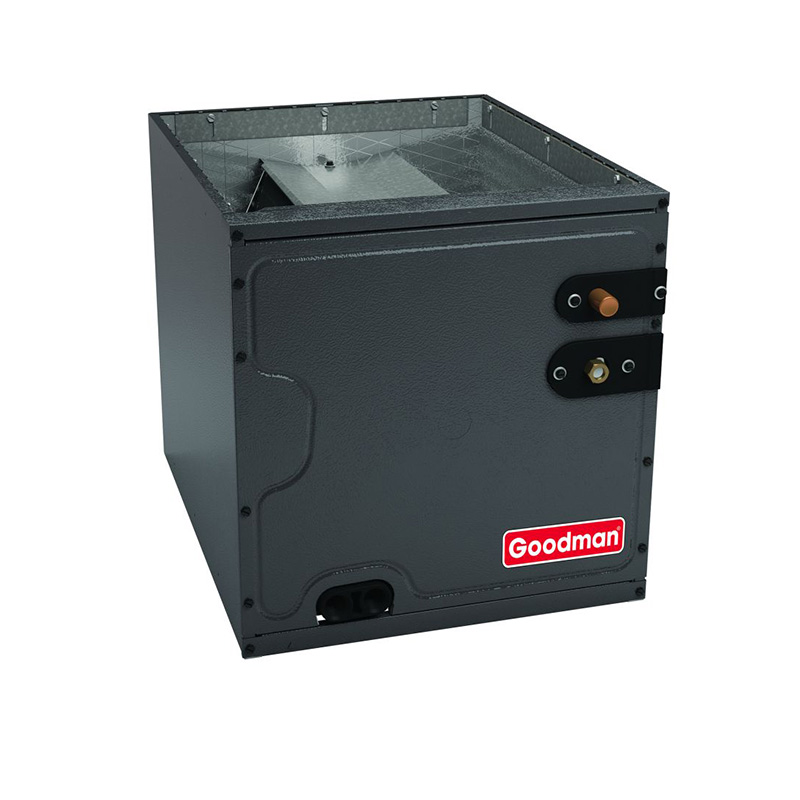
The Goodman GLZS4BA1810 is a 1.5-ton dual-fuel hybrid system that pairs a variable-speed, modulating heat pump with a 60,000 BTU, 97% AFUE upflow gas furnace. The hybrid setup means the system automatically chooses the most cost-effective heat source depending on outdoor temperature: the heat pump handles mild weather efficiently, while the gas furnace takes over when temperatures drop below the point where electric heating loses its economic edge. For a smaller home in a climate with both cold winters and warm summers, this configuration can meaningfully reduce annual energy costs compared to a straight gas-only or electric-only setup.
At 14.5 SEER2, this unit sits at the entry level of current federal minimum efficiency requirements, which is adequate but not exceptional. The 97% AFUE rating on the furnace side is genuinely high-tier and will recover meaningful fuel savings over older 80% units. The variable-speed blower and modulating gas valve allow the furnace to run at partial capacity during moderate demand, which improves humidity control, temperature consistency, and quiet operation compared to single-stage equipment. R-32 refrigerant has a lower global-warming potential than the R-410A it is replacing across the industry, which matters for long-term serviceability as refrigerant regulations continue to tighten.
The GLZS4BA1810 offers a genuinely capable hybrid heating solution at a price point that is hard to match from premium brands, and the 97% AFUE furnace is a real standout spec. However, 14.5 SEER2 cooling efficiency is only minimally compliant with current standards, and Goodman's documented reliability track record means long-term ownership costs depend heavily on installer quality and how proactively you handle maintenance.
Overall score is the average of the five ratings above.
What we like
- 97% AFUE furnace is among the most efficient gas heat ratings available, offering real fuel savings over mid-efficiency equipment
- Dual-fuel hybrid logic provides automatic, cost-optimized switching between electric and gas heat across seasons
- Modulating gas valve and variable-speed blower improve comfort and humidity management versus single-stage systems
- Priced roughly 15 to 25 percent below comparable Carrier, Trane, and Lennox hybrid systems
- R-32 refrigerant improves long-term serviceability as R-410A is phased out industry-wide
Trade-offs
- 14.5 SEER2 is the minimum compliant efficiency tier; homeowners in hot climates with high cooling loads will see better energy savings from a higher-SEER2 unit
- Compressor lifespan averages 10 to 14 years versus 15 to 20 years for premium-brand compressors, which matters more on a variable-speed system where replacement costs are higher
- Dual-fuel hybrid systems add installation complexity, including gas line, electrical, and control wiring, making installer skill especially critical for this configuration
- Documented evaporator coil leak reports and a minority of first-year refrigerant leak cases suggest quality control variability that can produce early service calls
What homeowners and pros say about Goodman
Homeowners who post about Goodman equipment on forums and review platforms tend to split along a clear line: those who had a skilled installer and kept up with maintenance often report years of trouble-free service and praise the value, while those who dealt with a rushed or inexperienced installation frequently encounter problems within the first few years. On ConsumerAffairs, Goodman scores around 2.5 out of 5, a platform that skews toward people motivated to write after a frustrating experience, and the recurring complaint is repair costs that accelerate after roughly year seven. Google dealer reviews average closer to 3.8 out of 5 across hundreds of reviews per location, where affordability is the most cited reason for satisfaction.
HVAC technicians who service Goodman equipment consistently flag the dual-run capacitor as the most common call-back item, though they also note it is one of the cheaper fixes in the industry, typically 300 to 600 dollars. More expensive are the evaporator coil leaks that show up in a notable share of owner accounts, and a smaller group of owners report refrigerant issues within the first year, which technicians generally attribute to install or charging errors rather than a manufacturing defect. Compressor longevity averaging 10 to 14 years, compared to 15 to 20 years for premium brands, is the other factor pros mention when advising customers on long-term cost of ownership for a system like this GLZS4BA1810.
Sources: ConsumerAffairs Goodman owner reviews, AHRI Directory of Certified Product Performance, U.S. DOE appliance and equipment efficiency standards, Goodman product specification sheets.
What it costs to run
At 14.5 SEER2, cooling this 1.5-ton system for a typical 1200-hour cooling season at the U.S. average electricity rate of $0.17/kWh works out to roughly $253 per year in cooling, about $21 less per year than a minimum-efficiency 13.4 SEER2 unit of the same size. Your real cost depends on your climate and local rate.
Method: (18,000 BTU/hr ÷ 14.5 SEER2) × 1200 hours ÷ 1000 × $0.17/kWh. Rate source: U.S. EIA average; cooling hours: moderate-climate estimate.
How it compares
| Brand | Comparable model | SEER2 | Stage | Price position |
|---|---|---|---|---|
| Goodman | GLZS4BA1810 | 14.5 | Variable / Modulating | Value pick |
| Carrier | Performance 14 Dual Fuel (25HCE4 series) | 14.5 | Two-stage | Typically 15 to 25 percent more than Goodman |
| Trane | XR14c Dual Fuel (4TXK4 series) | 14.5 | Single-stage | Typically 15 to 25 percent more than Goodman |
| Lennox | Merit 14HPX Dual Fuel series | 14.5 | Single-stage | Typically 15 to 25 percent more than Goodman |
Competitor rows are comparable single-stage units at similar efficiency; price is relative position, not a quote.
Questions about this system
What outdoor temperature should I set the dual-fuel switchover point at?
The optimal balance point varies by local gas and electricity rates, but most HVAC technicians set it between 35 and 40 degrees Fahrenheit as a starting point. Your installer should calculate the exact crossover temperature based on your utility costs and local climate, since setting it too high wastes gas and setting it too low loses the efficiency advantage of the heat pump.
Is a 1.5-ton unit large enough for my home?
A 1.5-ton system is typically sized for roughly 600 to 900 square feet of conditioned space, though this varies widely based on insulation quality, window area, ceiling height, and climate. An HVAC contractor should perform a Manual J load calculation before installation to confirm the system is properly sized, since both undersizing and oversizing create real comfort and efficiency problems.
How does R-32 refrigerant affect servicing and repair costs?
R-32 is being adopted broadly across the HVAC industry as R-410A is phased out, so service technicians are increasingly familiar with it and equipment is becoming widely available. It does require specific recovery equipment and handling procedures, so confirm your servicing contractor is certified and equipped for R-32 before you commit to a service agreement.
What are the most common repair issues I should budget for?
Based on Goodman's documented failure patterns, dual-run capacitors are the most frequently reported component failure and typically cost between 300 and 600 dollars to repair, usually a straightforward fix. Evaporator coil leaks and refrigerant charge issues appear in a meaningful share of owner reports, and these are more expensive repairs, so keeping up with annual maintenance and choosing an experienced installer reduces the risk considerably.
Does this system qualify for federal tax credits or utility rebates?
The heat pump component may qualify under the federal 25C energy efficiency tax credit if it meets the current Consortium for Energy Efficiency tier requirements; verify the specific model's CEE rating before claiming the credit. The 97% AFUE furnace generally qualifies for the 25C furnace credit as well. Check your utility company's website for any additional rebates on high-efficiency hybrid systems, since programs vary significantly by region.
Specifications
| Cooling capacity | 1.5 Ton |
| Efficiency | 14.5 SEER2 |
| Furnace output | 60000 BTU |
| Furnace efficiency | 97% AFUE |
| Configuration | Upflow |
| Refrigerant | R-32 |
| Model | GLZS4BA1810 |