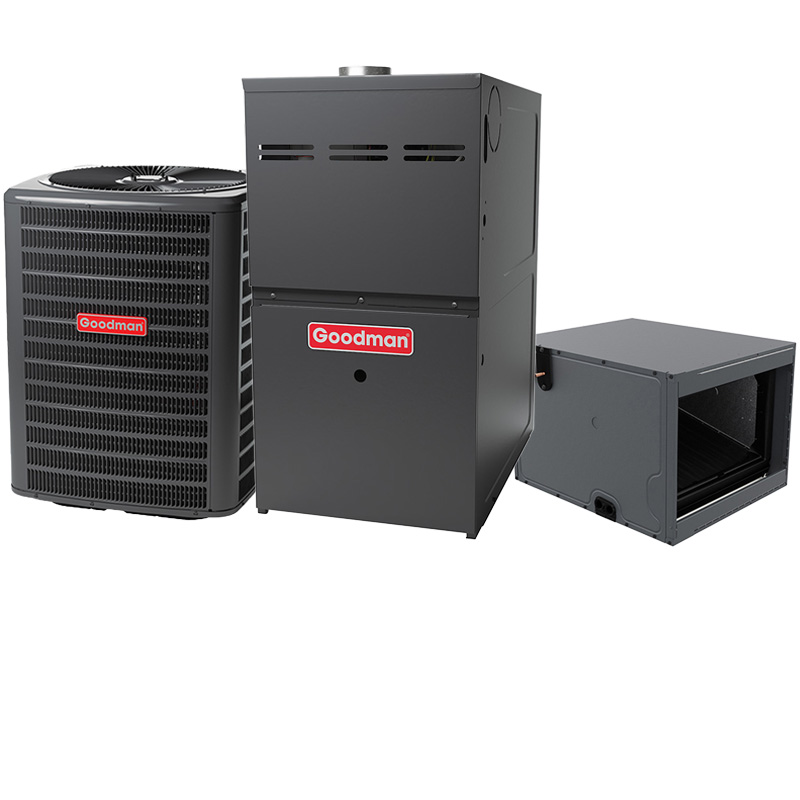
Goodman 1.5 Ton 14.7 SEER2 60000 BTU 80% AFUE Multi-Speed ECM Gas Furnace System – Horizontal | R32
View on AC Direct see your lowest price →Check current price on AC Direct →
Key features
- 14.7 SEER2 cooling efficiency, meeting 2023 federal minimums with slight headroom
- 60,000 BTU capacity at 80% AFUE, converting 80 cents of every heating dollar to warmth
- Multi-speed ECM blower motor for quieter operation and lower blower electricity draw
- Horizontal configuration for attic, crawlspace, and side-discharge mechanical room installs
- R-32 refrigerant with lower global warming potential than R-410A
- Factory-tested refrigerant circuit with pre-charged line sets available from select suppliers
About this system
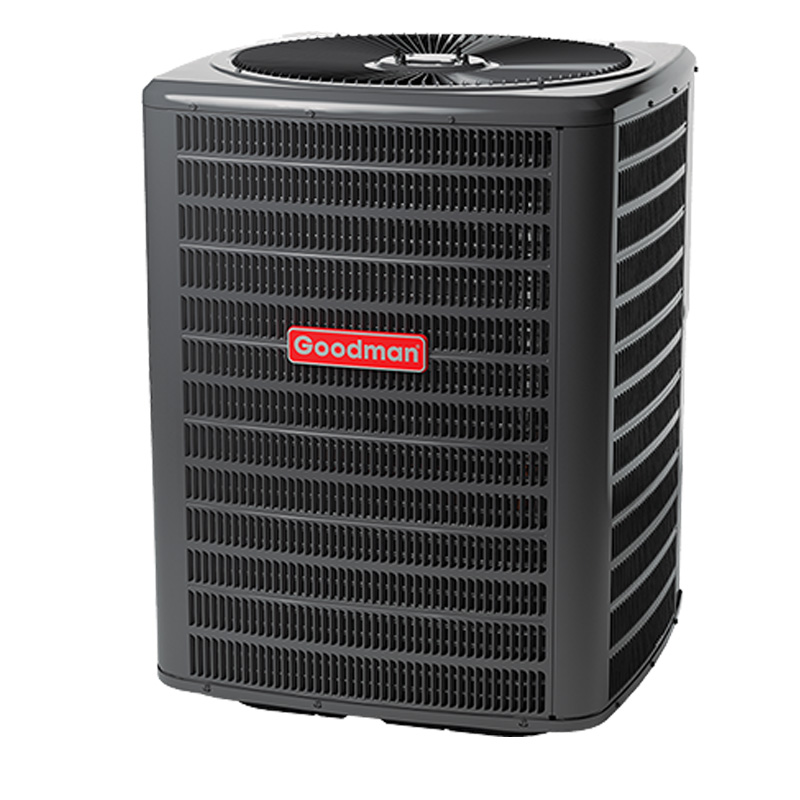
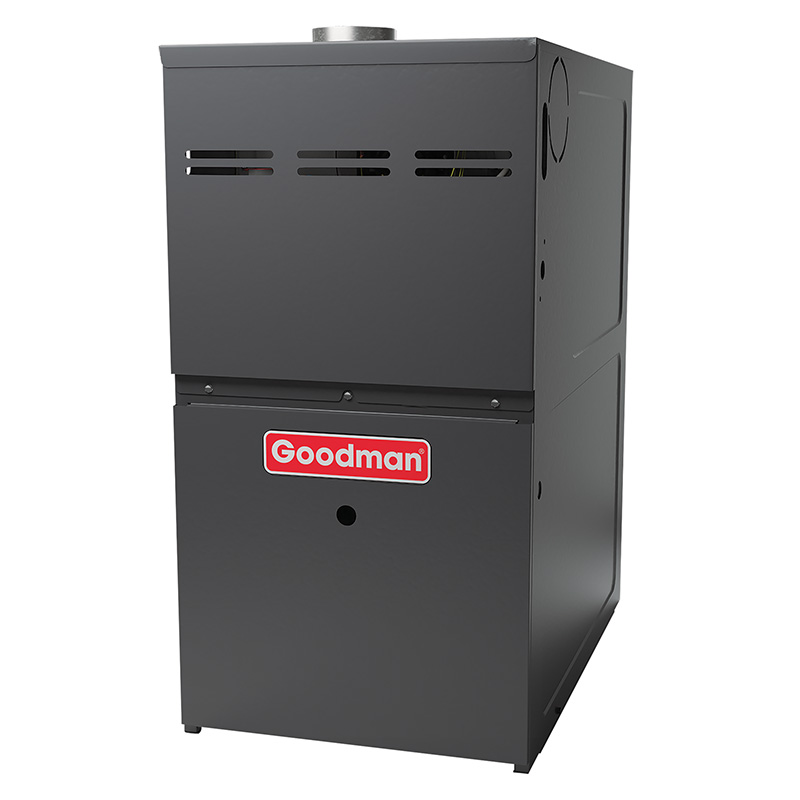
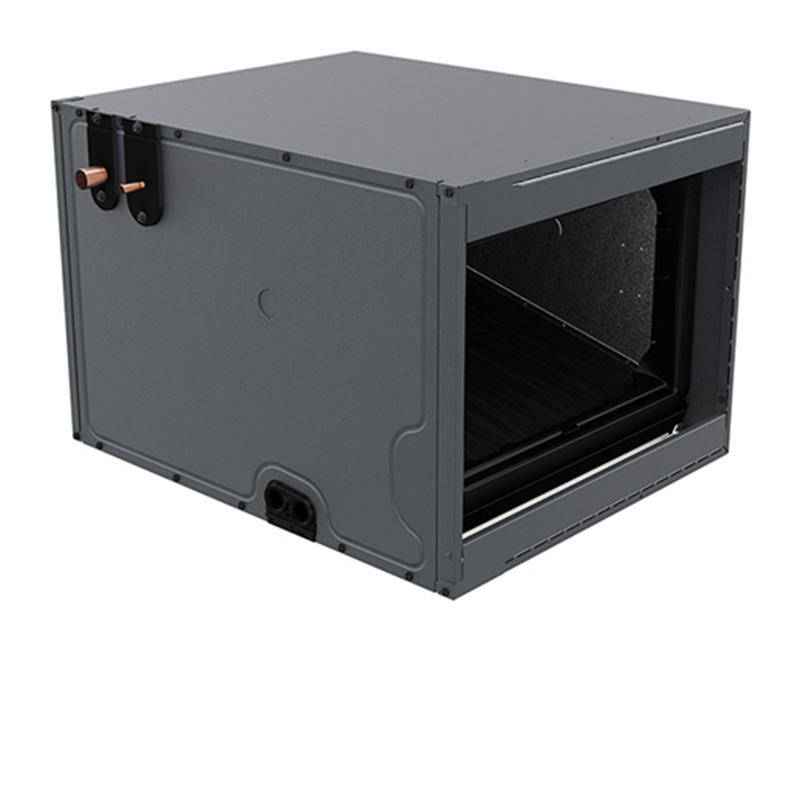
The Goodman 1.5-ton, 14.7 SEER2 horizontal gas system pairs a 60,000 BTU, 80% AFUE multi-speed ECM furnace with a 1.5-ton cooling coil in a side-discharge orientation. The horizontal configuration makes it a practical fit for attic installations, crawlspace platforms, or tight mechanical rooms where vertical units simply will not work. At 1.5 tons, the cooling side is sized for smaller conditioned spaces, typically in the 400 to 650 square foot range depending on local climate and insulation, so accurate Manual J load calculation before purchase is not optional here.
The 14.7 SEER2 rating lands just above the federal minimum that took effect in 2023, which means running costs will be competitive with entry-level equipment but will not match a 16 or 18 SEER2 system over a 10-year period. The 80% AFUE furnace is similarly a code-compliant baseline rather than a high-efficiency choice. Where this system earns its place is the ECM blower motor, which draws significantly less electricity than a standard PSC motor and handles multi-speed airflow more smoothly, improving comfort and reducing operating noise relative to single-speed alternatives. R-32 refrigerant has a lower global warming potential than R-410A and is increasingly the industry standard, though it does require certified technicians and compatible service tools during future maintenance.
This Goodman horizontal package is a reasonable budget entry for homeowners who need a side-discharge configuration and cannot justify a premium brand price, provided the installation is done by an experienced technician. The specs are firmly at the entry-level tier for both efficiency and heating performance, so buyers should go in with realistic expectations about long-term operating costs and mid-life repair frequency. The savings up front are real, but they come with trade-offs in compressor longevity and documented coil-leak risk that are worth factoring into the total cost of ownership.
Overall score is the average of the five ratings above.
What we like
- Priced roughly 15 to 25 percent below comparable Carrier, Trane, and Lennox systems
- Horizontal orientation opens up attic and crawlspace installation locations unavailable to vertical units
- ECM blower motor reduces blower electricity consumption compared to standard PSC motors
- R-32 refrigerant is environmentally preferable and increasingly well-supported by service technicians
- Dual-run capacitor failures, the most documented weak point, are generally a low-cost repair in the $300 to $600 range
Trade-offs
- 80% AFUE and 14.7 SEER2 are entry-level ratings; higher-efficiency options exist at modest cost increases
- Compressor lifespan averages 10 to 14 years versus 15 to 20 years for premium-brand compressors
- Evaporator coil leaks appear in a meaningful share of owner reviews and can be a costly mid-life repair
- A minority of owners report refrigerant leaks in the first year, typically traced to install quality or factory charge issues
What homeowners and pros say about Goodman
Among homeowners, Goodman tends to split opinion along a predictable line. Buyers who vetted their installer carefully and landed a clean, properly commissioned system often report years of trouble-free operation and are quick to credit the upfront savings. Those who ran into problems point most often to repair bills that begin accumulating after year seven or eight, a pattern consistent with Goodman’s roughly 2.5 out of 5 rating on ConsumerAffairs, where the platform’s complaint-heavy audience tends to document exactly that kind of mid-life cost creep. Google dealer reviews tell a somewhat better story, averaging around 3.8 out of 5, with affordability cited most frequently as a reason buyers were glad they chose the brand.
HVAC technicians who work on Goodman equipment regularly tend to view it as solid value-tier hardware whose longevity is almost entirely a function of how well it was installed and commissioned. They note that dual-run capacitor failures are the most common service call, typically a straightforward fix in the $300 to $600 range. Evaporator coil leaks surface often enough in owner feedback to be a genuine concern rather than an outlier, and compressor lifespan averages 10 to 14 years in real-world service versus the 15 to 20 years technicians associate with premium brands. A small but documented share of first-year refrigerant leak reports points back to install or factory charge issues rather than equipment defects. For this horizontal system specifically, technicians emphasize that proper leveling for condensate drainage and careful line-set handling during the R-32 charge are non-negotiable steps that separate a trouble-free install from an early warranty call.
Sources: ConsumerAffairs Goodman owner reviews, AHRI Directory of Certified Product Performance, U.S. DOE appliance and equipment efficiency standards, Goodman product specification sheets.
What it costs to run
At 14.7 SEER2, cooling this 1.5-ton system for a typical 1200-hour cooling season at the U.S. average electricity rate of $0.17/kWh works out to roughly $250 per year in cooling, about $24 less per year than a minimum-efficiency 13.4 SEER2 unit of the same size. Your real cost depends on your climate and local rate.
Method: (18,000 BTU/hr ÷ 14.7 SEER2) × 1200 hours ÷ 1000 × $0.17/kWh. Rate source: U.S. EIA average; cooling hours: moderate-climate estimate.
How it compares
| Brand | Comparable model | SEER2 | Stage | Price position |
|---|---|---|---|---|
| Goodman | 1.5T 14.7 SEER2 / 60K BTU 80% AFUE Horizontal R-32 | 14.7 | Multi-speed | Value pick |
| Carrier | Comfort Series (24ACC / 58SC pairing) | 14.3 to 15.2 | Single-stage | Typically 15 to 25 percent more than Goodman |
| Trane | XR14 / S8X1 pairing | 14.3 to 15.0 | Single-stage | Typically 15 to 25 percent more than Goodman |
| Lennox | Merit Series (ML14XC1 / ML180 pairing) | 14.3 to 15.0 | Single-stage | Typically 15 to 25 percent more than Goodman |
Competitor rows are comparable single-stage units at similar efficiency; price is relative position, not a quote.
Questions about this system
Is a 1.5-ton system actually big enough for my space, and how do I know?
A 1.5-ton unit typically handles 400 to 650 square feet in a moderately insulated home, but that range shifts considerably based on ceiling height, window area, local climate, and insulation values. The only reliable answer comes from a Manual J load calculation performed by your HVAC contractor before equipment is ordered. Oversizing causes short-cycling and humidity problems; undersizing leaves the system running continuously on peak days.
What does the horizontal configuration mean, and is it harder to service?
Horizontal means the air handler lies on its side and discharges air from the end rather than the bottom, making it suitable for attic platforms, crawlspaces, and some closet configurations where vertical clearance is limited. Servicing is generally similar to a vertical unit, though filter access and coil cleaning can be slightly more awkward depending on how the unit is positioned. Make sure your contractor accounts for proper condensate drainage, since a tilted or improperly leveled horizontal unit can overflow the drain pan.
Can any certified HVAC tech work on R-32 refrigerant, or do I need a specialist?
Any EPA Section 608 certified technician is legally qualified to handle R-32, but the technician also needs R-32-compatible recovery equipment and leak detection tools, since the refrigerant has different handling characteristics than R-410A. Before scheduling service, confirm with your contractor that they have the right equipment on hand. R-32 is mildly flammable, which is why it is classified A2L and why the correct tools matter.
Goodman's ConsumerAffairs score is low. Should I be worried?
Goodman scores around 2.5 out of 5 on ConsumerAffairs, a platform where dissatisfied owners are far more likely to post than satisfied ones, so the score reflects a complaint-skewed sample rather than the full ownership population. Google dealer reviews average closer to 3.8 out of 5. The recurring concern in negative reviews is repair costs rising after roughly year 7, consistent with documented issues like dual-run capacitor failures and evaporator coil leaks. This is a real trade-off with value-tier equipment, not a reason to dismiss the brand entirely, but it is worth building a service budget for mid-life maintenance.
What warranty does Goodman include, and what does it actually cover?
Goodman typically includes a 10-year parts limited warranty when the unit is registered within a set window after installation, covering most major components including the compressor, heat exchanger, and coil. The warranty does not cover labor, refrigerant, or diagnostic fees, which are often the larger portion of a real-world repair bill. Read the registration requirements carefully, since missing the registration window can drop coverage to as little as five years on some components.
Specifications
| Cooling capacity | 1.5 Ton |
| Efficiency | 14.7 SEER2 |
| Furnace output | 60000 BTU |
| Furnace efficiency | 80% AFUE |
| Configuration | Horizontal |
| Refrigerant | R-32 |