Goodman 1.5 Ton 14 SEER2 40000 BTU 96% AFUE Two Stage Multi-Speed ECM Gas Furnace System – Downflow | R32
View on AC Direct see your lowest price →Check current price on AC Direct →
Key features
- 1.5-ton cooling capacity with 14 SEER2 efficiency rating
- 40,000 BTU two-stage gas furnace at 96% AFUE
- Multi-speed ECM blower motor for quieter, more consistent airflow
- Downflow cabinet orientation for under-unit duct delivery
- R-32 refrigerant charge with lower global warming potential than R-410A
- Two-stage heating reduces temperature swings and short-cycling on mild days
About this system
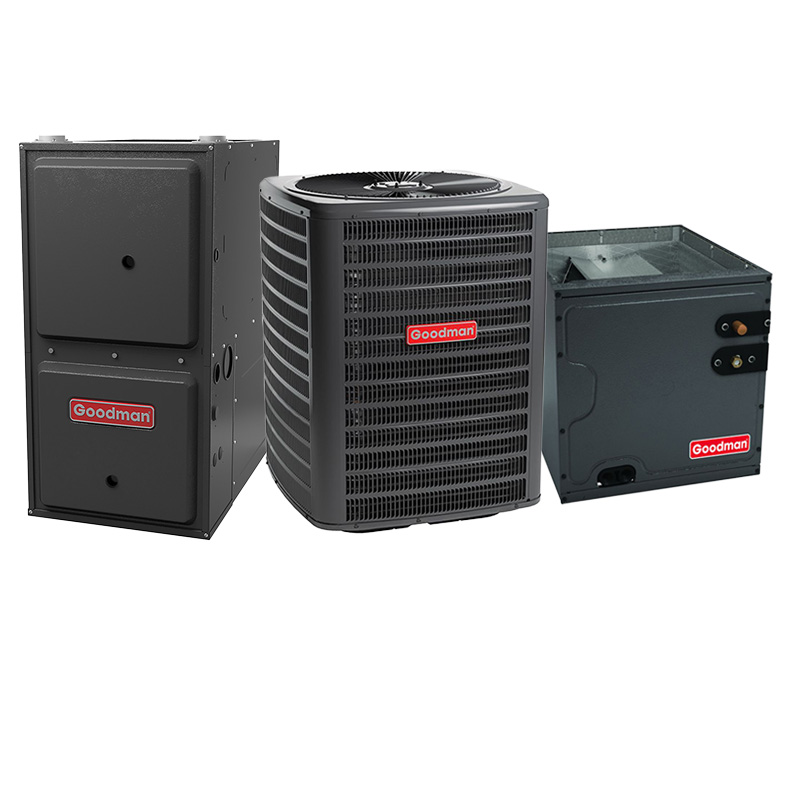
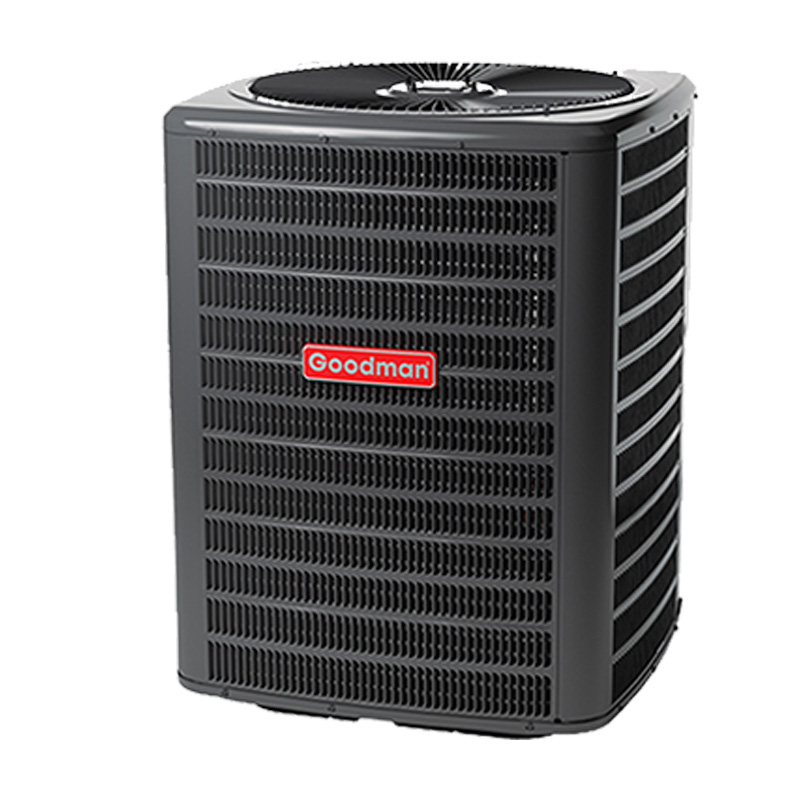
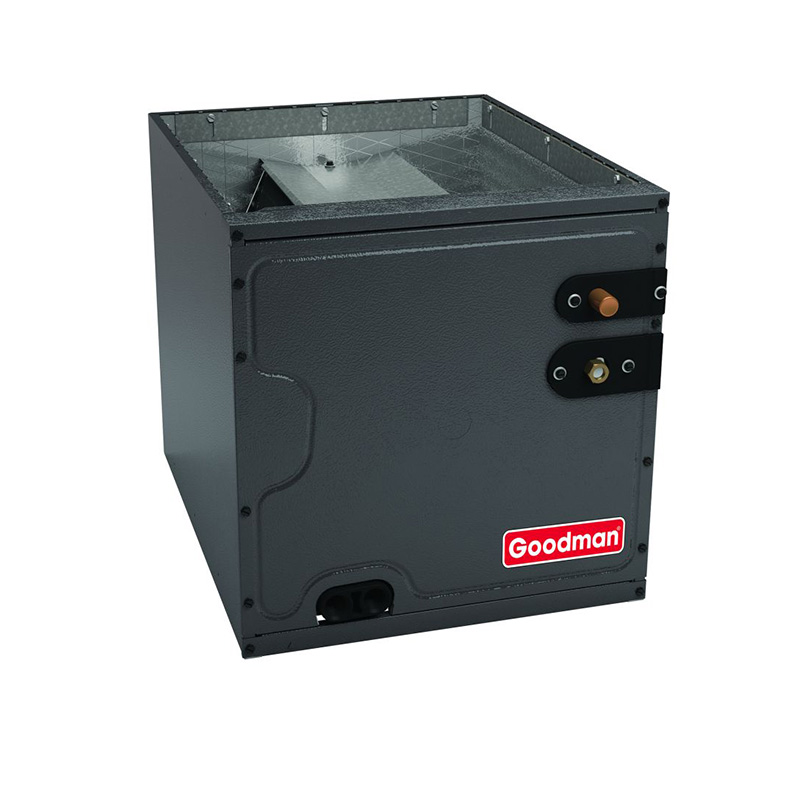
This Goodman system pairs a 1.5-ton, 14 SEER2 air conditioner with a 40,000 BTU, 96% AFUE two-stage gas furnace in a downflow configuration, making it a practical choice for smaller homes, condominiums, or additions where the air handler sits above a crawlspace or finished basement and air flows downward through the duct system. The R-32 refrigerant charge is a noteworthy forward-looking detail: R-32 has a lower global warming potential than the R-410A it replaces and is increasingly the industry standard, which should make future servicing easier as technician familiarity grows.
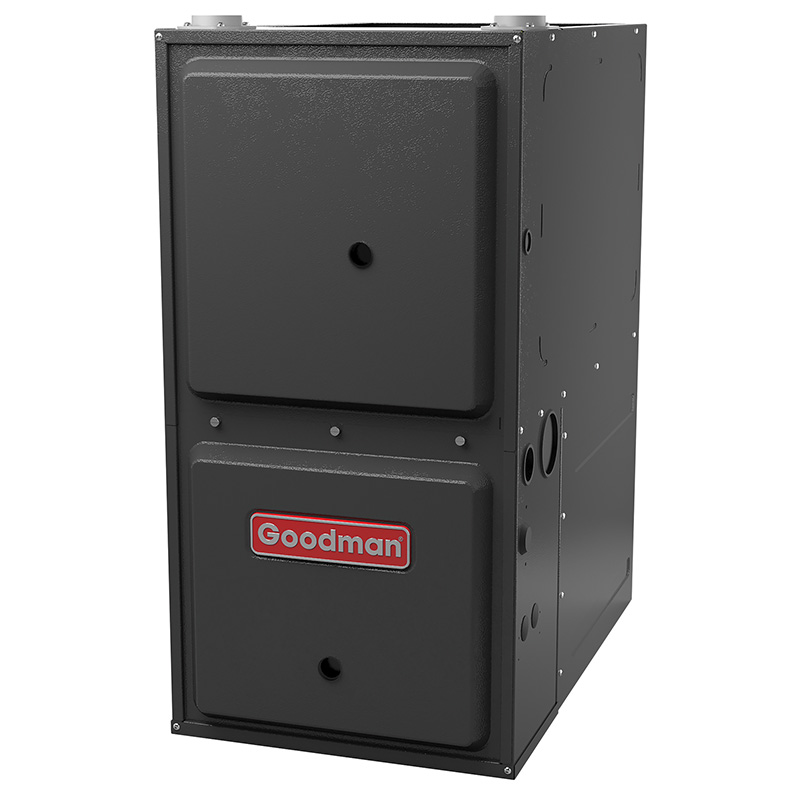
The two-stage furnace and multi-speed ECM blower motor are meaningful upgrades over single-stage budget systems. Two-stage operation lets the furnace run at a lower fire rate on milder days, which reduces temperature swings, lowers gas consumption, and cuts wear on components. The ECM motor adjusts airflow continuously rather than simply blasting on at full speed, which also improves humidity control and runs quieter than a standard PSC motor. At 96% AFUE, nearly all the fuel burned becomes usable heat, which is a genuine efficiency advantage over 80% AFUE units in cold climates. That said, 14 SEER2 sits at the lower end of current mid-efficiency cooling territory, so buyers in hot climates who run the AC heavily may want to weigh the long-term energy cost against stepping up to a 16 or 17 SEER2 unit.
The downflow configuration limits where this system can be installed. It requires a specific cabinet orientation and is most common in manufactured housing, garages, or closet installations where supply ducts run beneath the unit. Confirming the existing ductwork layout before ordering is essential. If your home has a standard upflow or horizontal application, this unit is not the right fit regardless of other specs.
This Goodman system delivers genuinely strong heating efficiency and a capable two-stage, ECM-equipped furnace at a price point well below comparable Carrier, Trane, or Lennox configurations. The trade-off is a brand track record that shows real long-term reliability gaps, particularly around capacitors, evaporator coils, and compressor longevity, meaning ownership costs after year 7 can erode the upfront savings. It is a reasonable choice for budget-conscious buyers who understand what they are getting into and plan for periodic repairs.
Overall score is the average of the five ratings above.
What we like
- 96% AFUE furnace is genuinely high-efficiency and reduces monthly gas bills in cold climates
- Two-stage operation improves comfort and reduces wear compared to single-stage units
- ECM blower motor lowers electricity use and runs noticeably quieter
- R-32 refrigerant is increasingly industry-standard and easier to service going forward
- Priced 15 to 25 percent below comparable Trane, Lennox, and Carrier systems
Trade-offs
- 14 SEER2 cooling efficiency is near the low end of mid-efficiency; higher SEER2 options may pay off in hot climates
- Documented failure pattern around dual-run capacitors and evaporator coil leaks adds to long-term maintenance costs
- Compressor lifespan averages 10 to 14 years versus 15 to 20 years for premium-brand competitors
- Downflow configuration is site-specific; incompatible with upflow or horizontal duct systems
What homeowners and pros say about Goodman
Owners and dealers rate Goodman around 3.8 out of 5 on Google dealer reviews, where affordability is the praise that comes up most often. Buyers who prioritize getting a two-stage, high-AFUE system installed without stretching their budget generally come away satisfied in the early years. ConsumerAffairs tells a different story, with Goodman sitting around 2.5 out of 5 on that platform. That channel skews toward complaints rather than routine satisfaction, but the recurring theme is worth noting: repair costs tend to climb after roughly year 7, which can chip away at the upfront savings that made Goodman attractive in the first place.
HVAC technicians who service these units point to dual-run capacitor failures as the most common call they get on Goodman equipment. It is a relatively straightforward fix, but it happens often enough that it shows up consistently in service records. Evaporator coil leaks are a more serious documented failure mode that a meaningful share of owners encounter over the life of the system. Compressor lifespan is another honest conversation: Goodman compressors tend to average 10 to 14 years in real-world use, while premium-brand units more often reach 15 to 20 years. For this specific system, with its capable two-stage furnace and ECM motor, the heating side is genuinely competitive. The cooling side is where buyers should set realistic expectations about long-term costs and plan accordingly.
Sources: ConsumerAffairs Goodman owner reviews, AHRI Directory of Certified Product Performance, U.S. DOE appliance and equipment efficiency standards, Goodman product specification sheets.
What it costs to run
At 14 SEER2, cooling this 1.5-ton system for a typical 1200-hour cooling season at the U.S. average electricity rate of $0.17/kWh works out to roughly $262 per year in cooling, about $12 less per year than a minimum-efficiency 13.4 SEER2 unit of the same size. Your real cost depends on your climate and local rate.
Method: (18,000 BTU/hr ÷ 14 SEER2) × 1200 hours ÷ 1000 × $0.17/kWh. Rate source: U.S. EIA average; cooling hours: moderate-climate estimate.
How it compares
| Brand | Comparable model | SEER2 | Stage | Price position |
|---|---|---|---|---|
| Goodman | 1.5T 14 SEER2 / 96% AFUE Two-Stage Downflow R-32 | 14 | Two-stage | Value pick |
| Carrier | Performance 15 Series (25HCE / 59TP6) | 15 | Two-stage | Approximately 20 to 25 percent more than this Goodman system |
| Trane | XR15 / S9X2 two-stage bundle | 15 | Two-stage | Approximately 20 to 30 percent more than this Goodman system |
| Lennox | Merit 14ACX / ML196E two-stage bundle | 14 | Two-stage | Approximately 15 to 25 percent more than this Goodman system |
Competitor rows are comparable single-stage units at similar efficiency; price is relative position, not a quote.
Questions about this system
Is a downflow furnace the same as a standard furnace? Can I install this in a typical closet or attic?
No, downflow (also called counterflow) means the air enters at the top of the cabinet and exits at the bottom, with supply ducts running beneath the unit. It is common in manufactured homes, garages, and some closet installations where ductwork runs under the floor. If your existing system is upflow or horizontal, this cabinet will not work without significant ductwork modification.
What does R-32 refrigerant mean for me as an owner, and is it harder to find a technician who handles it?
R-32 is increasingly common as the HVAC industry moves away from R-410A, so technician familiarity is growing. It requires slightly different handling procedures than R-410A, and not all older service equipment is compatible, so when scheduling service, confirm your technician has R-32 certified equipment. For most owners this will be a non-issue within a few years as the transition continues.
Goodman has mixed reviews online. What are the most common problems owners actually report?
The most frequently documented issues are dual-run capacitor failures, which are a relatively inexpensive repair in the $300 to $600 range; evaporator coil leaks, which show up in a meaningful share of owner reviews and can be a more costly fix; and compressor lifespan averaging 10 to 14 years, shorter than the 15 to 20 years typical of premium brands. A minority of owners also report refrigerant leaks in the first year, which is usually tied to installation quality rather than the unit itself.
What does two-stage heating actually change in day-to-day comfort compared to a single-stage furnace?
A two-stage furnace runs at a lower output setting on milder days, which means the system runs longer cycles at a lower intensity rather than blasting on and off. This reduces hot and cold spots, lowers humidity fluctuations, and cuts the abrupt temperature swings that single-stage units can produce. Most owners in climates with long shoulder seasons notice a real difference in comfort.
How important is installer quality with a Goodman system, and what should I look for when hiring a contractor?
Install quality is the single biggest factor in how long this system will last, according to HVAC technicians who service the brand regularly. Refrigerant charge errors, improper airflow setup, and poor duct connections are all common contributors to early failures. Look for a contractor who performs a Manual J load calculation before sizing the system, pulls proper permits, and pressure-tests the refrigerant circuit after install. Skipping these steps with any brand is a risk, but Goodman's reliability numbers are particularly sensitive to the quality of the original installation.
Specifications
| Cooling capacity | 1.5 Ton |
| Efficiency | 14 SEER2 |
| Furnace output | 40000 BTU |
| Furnace efficiency | 96% AFUE |
| Configuration | Downflow |
| Refrigerant | R-32 |