Goodman 1.5 Ton 14 SEER2 60000 BTU 96% AFUE Two Stage Multi-Speed ECM Gas Furnace System – Downflow | R32
View on AC Direct see your lowest price →Check current price on AC Direct →
Key features
- 14 SEER2 cooling efficiency meets current federal minimum standards for most U.S. regions
- 96% AFUE two-stage gas furnace reduces fuel waste and temperature swings
- Multi-speed ECM blower motor improves humidity control and lowers operating noise
- Downflow configuration suits upper-closet, garage, or above-duct installations
- R-32 refrigerant has roughly 68% lower global warming potential than R-410A
- 1.5-ton / 60,000 BTU sizing targets homes or zones in the 600 to 900 square foot range depending on climate and insulation
About this system
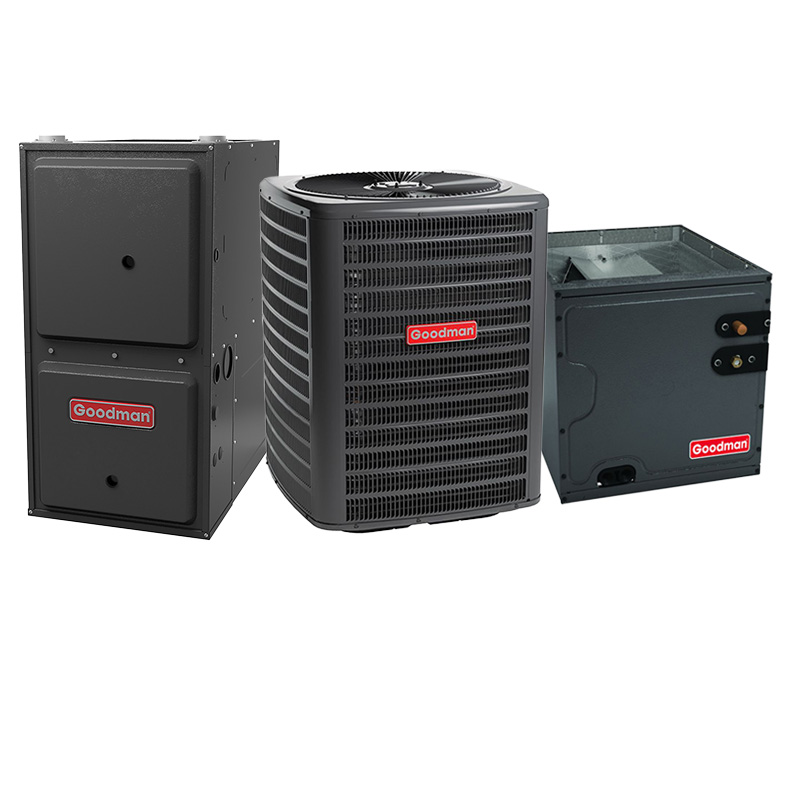
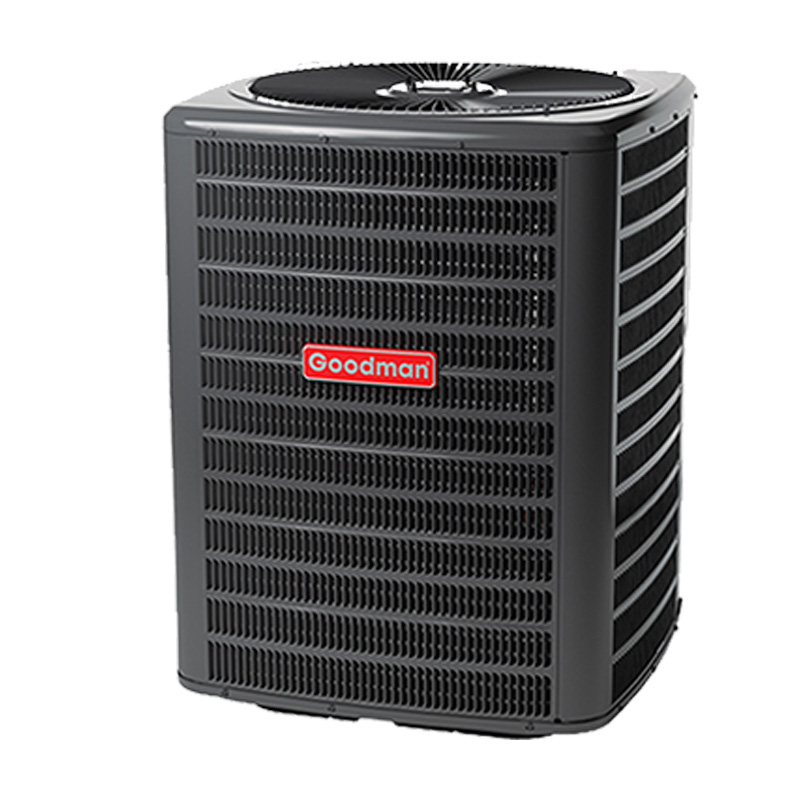
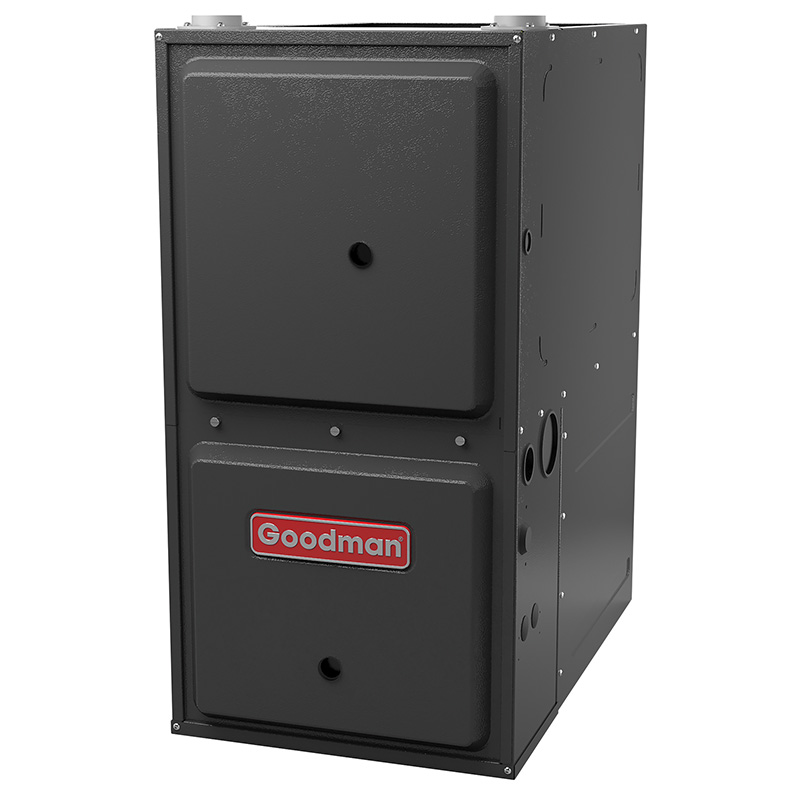
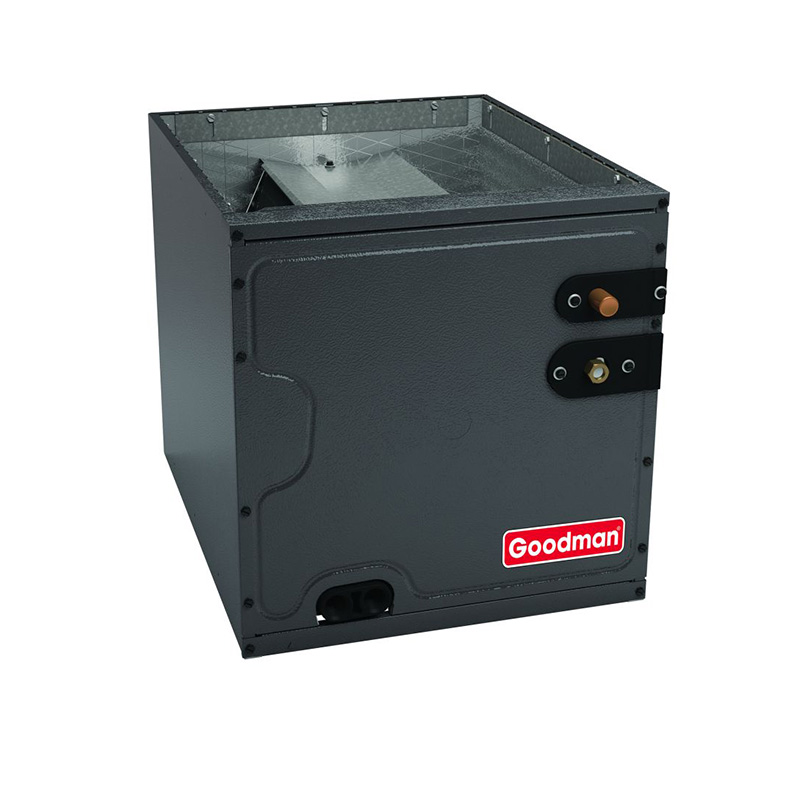
This Goodman system pairs a 1.5-ton, 14 SEER2 R-32 air conditioner with a 60,000 BTU, 96% AFUE two-stage gas furnace in a downflow configuration. The combination targets smaller homes, additions, or secondary zones where moderate cooling capacity and high-efficiency heating are both priorities. The downflow orientation means conditioned air exits the bottom of the air handler, making it a practical fit for installations in upper-floor closets, garages with living space above, or crawlspace-free homes where ductwork runs beneath the unit.
The 96% AFUE furnace is a genuine efficiency standout in this package. It converts 96 cents of every dollar of gas into usable heat, which translates to real savings over a standard 80% AFUE unit, particularly in colder climates with long heating seasons. Two-stage operation lets the furnace run at a lower capacity most of the time, reducing temperature swings and cycling noise. The multi-speed ECM blower motor adjusts airflow more precisely than a standard PSC motor, supporting better humidity control and quieter steady-state operation. R-32 refrigerant carries a lower global warming potential than the older R-410A it is replacing across the industry.
This system suits budget-conscious buyers who want above-average heating efficiency without paying Trane or Lennox prices. It is a reasonable starting point for a small home or a well-insulated zone addition, provided installation is handled carefully by a licensed technician familiar with Goodman equipment. As with all Goodman products, long-term satisfaction tracks closely with install quality and how quickly minor component issues are addressed.
This Goodman bundle delivers genuine 96% AFUE heating efficiency and a quieter two-stage furnace at a price point meaningfully below comparable Carrier, Trane, and Lennox systems. The trade-off is a brand track record that shows more component failures after year 7 and compressor longevity that trails premium competitors. Buyers who prioritize upfront cost savings and are comfortable budgeting for possible mid-life repairs will find reasonable value here.
Overall score is the average of the five ratings above.
What we like
- 96% AFUE furnace delivers top-tier heating efficiency for the price tier
- Two-stage furnace operation reduces short-cycling and temperature swings
- ECM blower motor cuts standby energy use and supports better humidity management
- R-32 refrigerant is lower-GWP and becoming the industry standard, easing future service access
- Priced 15 to 25 percent below comparable Trane, Lennox, and Carrier configurations
Trade-offs
- Dual-run capacitors are the most frequently reported failure point, typically requiring a 300 to 600 dollar service call around or after year 5
- Evaporator coil leaks appear in a meaningful share of owner reviews and can be a costly repair outside warranty
- Compressor lifespan averages 10 to 14 years versus 15 to 20 years for premium brands, shortening the expected replacement cycle
- A minority of owners report refrigerant leaks in the first year, most often linked to installation or initial charge errors rather than the equipment itself
What homeowners and pros say about Goodman
Homeowners who choose Goodman most often point to the upfront savings as the deciding factor, and that sentiment is reflected in Google dealer review scores that average around 3.8 out of 5, where affordability is the single most common piece of positive feedback. The 96% AFUE two-stage furnace in this particular configuration earns additional appreciation from owners in colder climates who notice the lower gas bills compared to their previous standard-efficiency units. That said, the ConsumerAffairs rating for Goodman sits around 2.5 out of 5, and while that channel tends to attract dissatisfied owners disproportionately, the recurring pattern in those complaints is worth noting: repair costs that begin to climb after roughly year 7 of ownership.
HVAC technicians who service Goodman equipment regularly flag two consistent concerns with this product line. First, dual-run capacitors are the most commonly reported failure component and tend to surface after several years of cycling, though the repair is typically a relatively low-cost service call. Second, evaporator coil leaks appear in a meaningful number of owner accounts and can be a more significant expense. Compressor longevity on Goodman systems tends to average 10 to 14 years, which is a shorter window than the 15 to 20 years more commonly associated with Trane, Carrier, and Lennox equipment. Technicians also note that a minority of early refrigerant leak reports usually trace back to installation or charge errors rather than factory defects, which underscores how much of this system’s long-term performance depends on getting the installation right the first time.
Sources: ConsumerAffairs Goodman owner reviews, AHRI Directory of Certified Product Performance, U.S. DOE appliance and equipment efficiency standards, Goodman product specification sheets.
What it costs to run
At 14 SEER2, cooling this 1.5-ton system for a typical 1200-hour cooling season at the U.S. average electricity rate of $0.17/kWh works out to roughly $262 per year in cooling, about $12 less per year than a minimum-efficiency 13.4 SEER2 unit of the same size. Your real cost depends on your climate and local rate.
Method: (18,000 BTU/hr ÷ 14 SEER2) × 1200 hours ÷ 1000 × $0.17/kWh. Rate source: U.S. EIA average; cooling hours: moderate-climate estimate.
How it compares
| Brand | Comparable model | SEER2 | Stage | Price position |
|---|---|---|---|---|
| Goodman | GSXH5 / GCVC96 Series (this system) | 14 | Two-stage | Value pick |
| Carrier | Performance 16 / 58CVA Two-Stage | 16 | Two-stage | Moderately higher than this Goodman system |
| Trane | XR14 / S9V2 Two-Stage | 14 | Two-stage | Higher than this Goodman system |
| Lennox | Merit 14ACX / ML196 Two-Stage | 14 | Two-stage | Higher than this Goodman system |
Competitor rows are comparable single-stage units at similar efficiency; price is relative position, not a quote.
Questions about this system
Is a downflow furnace going to limit where I can use this system?
Yes, downflow units are designed for specific installation scenarios where the ductwork runs below the unit, such as a closet on an upper floor or a platform installation in a garage. If your ductwork connects from the side or top, you need a horizontal or upflow configuration instead. Confirm your duct layout with your installer before purchasing.
Does the 14 SEER2 rating qualify for any utility rebates?
Possibly, but it depends on your utility and state program. Many programs now require 15 SEER2 or higher for cooling rebates, while others accept 14 SEER2. Check your utility's current rebate schedule before purchase, as 14 SEER2 sits at the federal minimum threshold and may fall below rebate cutoffs in some regions.
What does two-stage operation actually mean for day-to-day comfort?
The furnace runs at a lower firing stage the majority of the time, which means longer, gentler heating cycles rather than short blasts of heat. This tends to reduce hot and cold spots and lowers noise compared to a single-stage unit that is either fully on or fully off.
My installer mentioned capacitor failures being common on Goodman. Should I be worried?
Dual-run capacitor failure is the most commonly reported repair on Goodman systems and typically surfaces after several years of use. The repair itself is usually a straightforward, lower-cost fix in the 300 to 600 dollar range when caught promptly. Enrolling in an annual maintenance plan that includes capacitor inspection can catch this before it causes a full system shutdown.
R-32 refrigerant is new to me. Is it harder to service than R-410A?
R-32 requires certified technicians and equipment rated for its slightly higher operating pressure, but it is not significantly harder to service than R-410A. As R-32 becomes the industry standard for new residential systems, technician familiarity and parts availability are growing quickly. Just confirm your servicing contractor has R-32 certification before they work on the system.
Specifications
| Cooling capacity | 1.5 Ton |
| Efficiency | 14 SEER2 |
| Furnace output | 60000 BTU |
| Furnace efficiency | 96% AFUE |
| Configuration | Downflow |
| Refrigerant | R-32 |