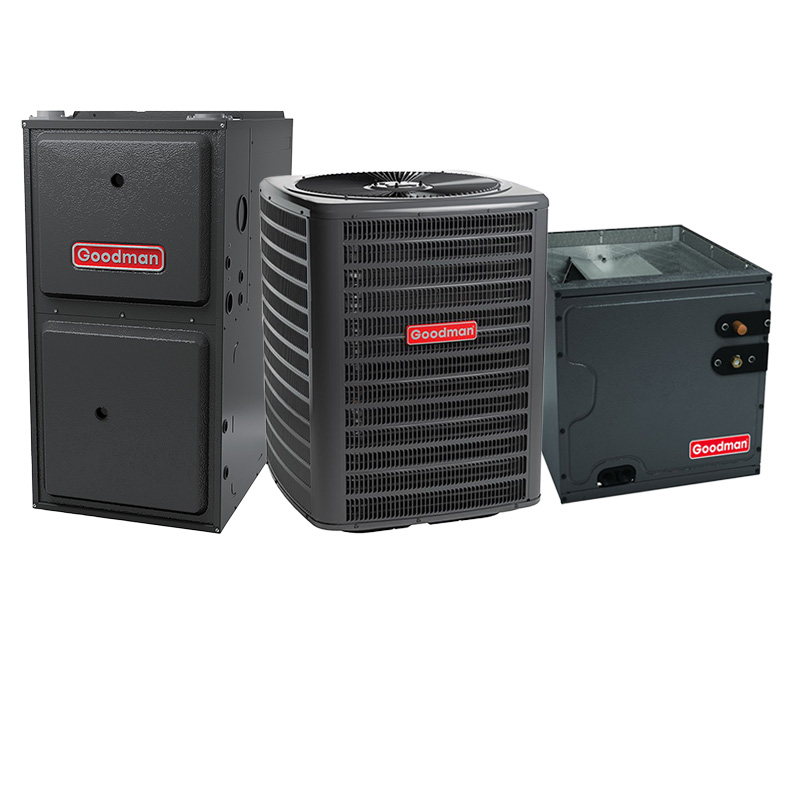
Goodman 1.5 Ton 14 SEER2 60000 BTU 96% AFUE Two Stage Multi-Speed ECM Gas Furnace System – Upflow | R32
View on AC Direct see your lowest price →Check current price on AC Direct →
Key features
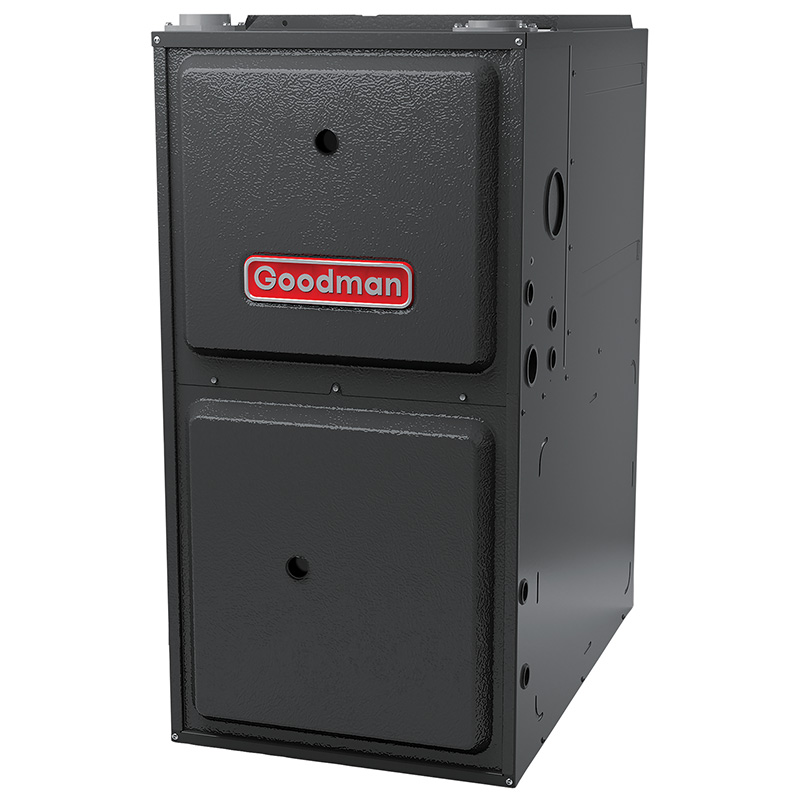
- 96% AFUE two-stage gas furnace with 60,000 BTU capacity
- 14 SEER2 cooling efficiency, meeting current federal minimum standards
- Multi-speed ECM blower motor for quieter operation and better humidity control
- Upflow configuration designed for installation in closets, utility rooms, or basements
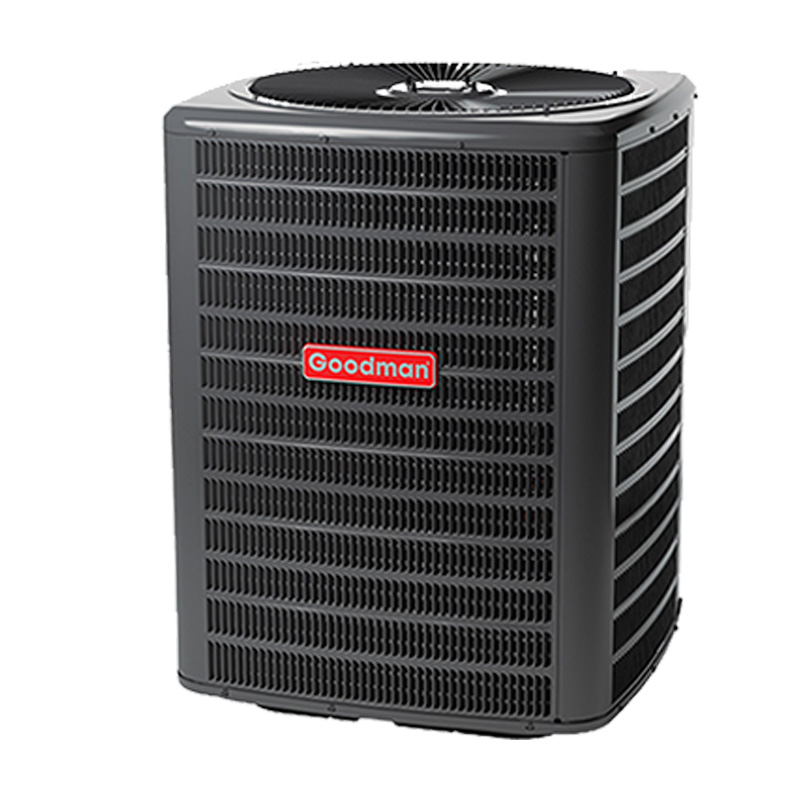
- R-32 refrigerant with lower global warming potential than R-410A
- Two-stage heating reduces short-cycling and improves temperature consistency
About this system
This Goodman package pairs a 1.5-ton, 14 SEER2 cooling system with a 60,000 BTU, 96% AFUE two-stage gas furnace in an upflow configuration, making it a practical fit for smaller homes, condos, or tight mechanical closets in colder climates where heating efficiency carries more weight than cooling capacity. The 96% AFUE rating means nearly all the gas burned converts to usable heat, which is a meaningful upgrade over the 80% units that still populate many basements. Two-stage heating lets the furnace run at a lower output on mild days and ramp up only when outdoor temperatures drop sharply, reducing short-cycling and evening out temperature swings compared with a single-stage unit.
The multi-speed ECM blower motor adjusts airflow more precisely than a standard PSC motor, which helps with both comfort and humidity control during cooling season. R-32 refrigerant is the newer lower-global-warming-potential alternative to R-410A, and while it is not yet as universally stocked at supply houses, it is the direction the industry is moving and should become easier to source over time. At 1.5 tons, this system is sized for roughly 600 to 900 square feet depending on climate and insulation, so confirming a proper Manual J load calculation before purchase is essential. Oversizing is one of the most common and costly mistakes made with systems in this range.
This Goodman system delivers solid efficiency specs at a price point that undercuts major competitors by 15 to 25 percent, making it a reasonable choice for budget-conscious homeowners who pair it with a skilled installer. The two-stage furnace and ECM blower add genuine comfort value, but Goodman's real-world track record points to reliability that trails premium brands, particularly past the seven-year mark. It is a workable long-term investment only if you budget for occasional repairs and lock in a good service contract.
Overall score is the average of the five ratings above.
What we like
- 96% AFUE furnace keeps heating bills lower than mid-efficiency alternatives
- Two-stage operation reduces temperature swings and lowers noise on mild days
- ECM blower motor improves humidity management during cooling season
- R-32 refrigerant positions the system for regulatory compliance in coming years
- Price is consistently 15 to 25 percent below Trane, Carrier, and Lennox equivalents
Trade-offs
- Dual-run capacitors are the most commonly reported failure point, typically showing up within the first several years of use
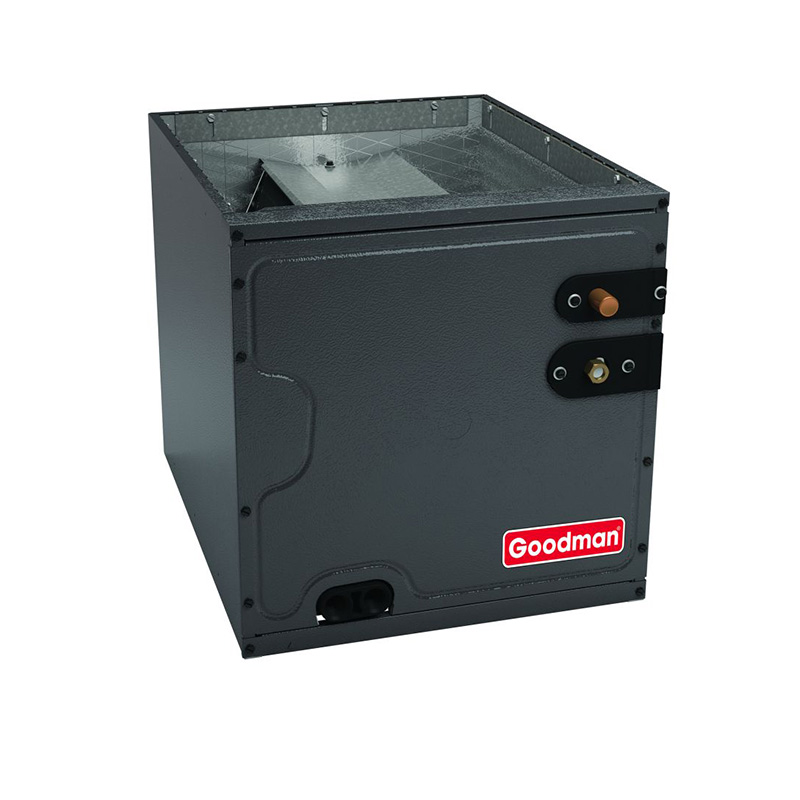
- Evaporator coil leaks appear in a meaningful share of owner reports, which can be costly to diagnose and repair
- Compressor lifespan averages 10 to 14 years, noticeably shorter than the 15 to 20 years seen in premium brands
- A minority of owners report refrigerant leaks in year one, often tied to install quality rather than the equipment itself
What homeowners and pros say about Goodman
Goodman sits at a 3.8 out of 5 on Google dealer reviews, where the most consistent praise is straightforward: the equipment costs less than comparable Trane, Carrier, or Lennox systems without dramatically sacrificing day-one performance. Installers who work with the brand regularly tend to view it as a solid budget option when the job is done correctly, and many note that a well-installed Goodman will outperform a poorly installed premium unit. That caveat about installation quality comes up constantly in professional discussions, because the brand’s performance ceiling is more sensitive to workmanship than higher-tier competitors.
The ConsumerAffairs picture is rougher, with a score of around 2.5 out of 5 on a platform that skews heavily toward complaint-driven reviews. The pattern that emerges there is telling: owners who have no problems rarely post, and the ones who do tend to be past the seven-year mark when repair bills start accumulating. The documented failure modes for Goodman are specific and worth knowing before you buy. Dual-run capacitors are the most frequently cited repair, a relatively low-cost fix in the 300 to 600 dollar range but one that can repeat. Evaporator coil leaks appear in a meaningful share of owner accounts and are considerably more disruptive to fix. Compressor lifespan running 10 to 14 years on average, against 15 to 20 for premium brands, is the most significant long-term trade-off. A small share of first-year refrigerant leak reports also appears in owner feedback, though technicians typically attribute those to installation or initial charge problems rather than factory defects.
Sources: ConsumerAffairs Goodman owner reviews, AHRI Directory of Certified Product Performance, U.S. DOE appliance and equipment efficiency standards, Goodman product specification sheets.
What it costs to run
At 14 SEER2, cooling this 1.5-ton system for a typical 1200-hour cooling season at the U.S. average electricity rate of $0.17/kWh works out to roughly $262 per year in cooling, about $12 less per year than a minimum-efficiency 13.4 SEER2 unit of the same size. Your real cost depends on your climate and local rate.
Method: (18,000 BTU/hr ÷ 14 SEER2) × 1200 hours ÷ 1000 × $0.17/kWh. Rate source: U.S. EIA average; cooling hours: moderate-climate estimate.
How it compares
| Brand | Comparable model | SEER2 | Stage | Price position |
|---|---|---|---|---|
| Goodman | GMVC96 / GSXH3 Series | 14 | Two-stage | Value pick |
| Carrier | Performance 96 / 24ACC Series | 14-15 | Single-stage | Typically 15 to 25 percent more than Goodman |
| Trane | S9X2 / XR14 Series | 14 | Single-stage | Typically 15 to 25 percent more than Goodman |
| Lennox | ML296V / 14ACX Series | 14 | Single-stage | Typically 15 to 25 percent more than Goodman |
Competitor rows are comparable single-stage units at similar efficiency; price is relative position, not a quote.
Questions about this system
Is 1.5 tons the right size for my home, and how do I know before buying?
A 1.5-ton system is generally appropriate for 600 to 900 square feet, but that range shifts considerably based on ceiling height, insulation quality, window area, and local climate. The only reliable way to confirm sizing is a Manual J load calculation performed by a licensed HVAC contractor before purchase. Oversizing causes short-cycling, poor humidity control, and accelerated wear.
Can any HVAC technician service R-32 refrigerant, or do I need a specialist?
R-32 requires EPA Section 608 certification, which most licensed HVAC technicians already hold, but not every supply house stocks R-32 yet. It is becoming more common as manufacturers transition away from R-410A, so availability is improving, but it is worth confirming your local service providers carry it before committing to this system.
What is the actual warranty on this Goodman system?
Goodman typically offers a 10-year parts warranty and a Lifetime Unit Replacement limited warranty on the heat exchanger when the system is registered within 60 days of installation by the original homeowner. Failure to register usually drops the parts warranty to five years, so registration is critical. Labor is never covered by the manufacturer warranty.
How often do the dual-run capacitors fail, and what does that repair cost?
Capacitor failure is the single most commonly reported repair on Goodman equipment, and it can show up within the first few years of use. The repair is one of the more straightforward HVAC fixes, typically running 300 to 600 dollars including labor, and it does not necessarily signal broader system problems.
Will the two-stage furnace make a noticeable difference compared to a single-stage unit at this price point?
Yes, in most cases. A two-stage furnace runs at lower output the majority of the time, which means longer, quieter heating cycles that distribute heat more evenly and reduce the temperature swings you feel between thermostat calls. The difference is most noticeable in shoulder seasons when a single-stage unit tends to overshoot and short-cycle.
Specifications
| Cooling capacity | 1.5 Ton |
| Efficiency | 14 SEER2 |
| Furnace output | 60000 BTU |
| Furnace efficiency | 96% AFUE |
| Configuration | Upflow |
| Refrigerant | R-32 |