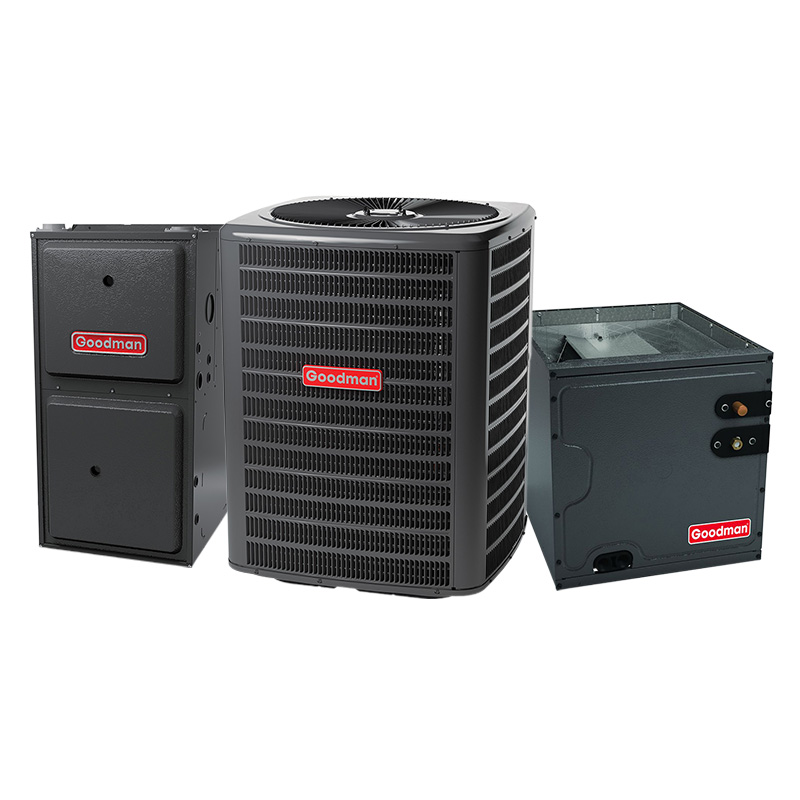
Goodman 1.5 Ton 14 SEER2 AC & Gas Furnace System – Multi-Speed, 40000 BTU Gas Furnace, 92% AFUE, Upflow, R32
View on AC Direct see your lowest price →Check current price on AC Direct →
Key features
- 1.5-ton single-stage cooling rated at 14 SEER2, meeting current federal minimum efficiency requirements
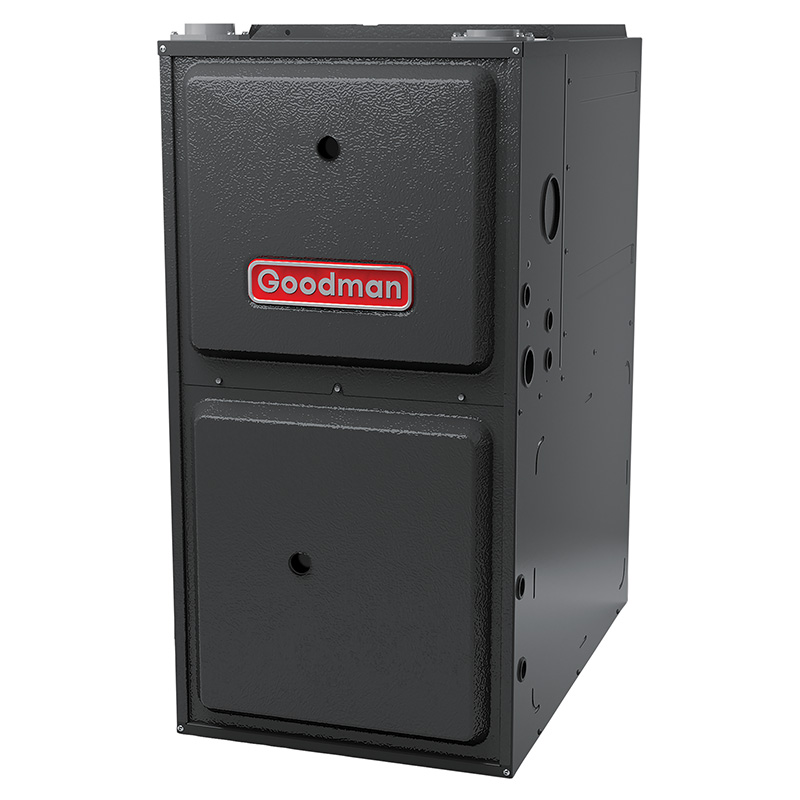
- 40,000 BTU upflow gas furnace at 92% AFUE for mid-efficiency heating without a condensate drain on the flue
- Multi-speed blower motor for quieter operation and more even airflow versus fixed-speed units
- R-32 refrigerant charge, a lower-GWP alternative to R-410A now standard on new Goodman equipment
- Upflow cabinet orientation designed for basement or ground-level closet installs with overhead duct systems
- Matched system from a single manufacturer, simplifying warranty claims and system sizing verification
About this system
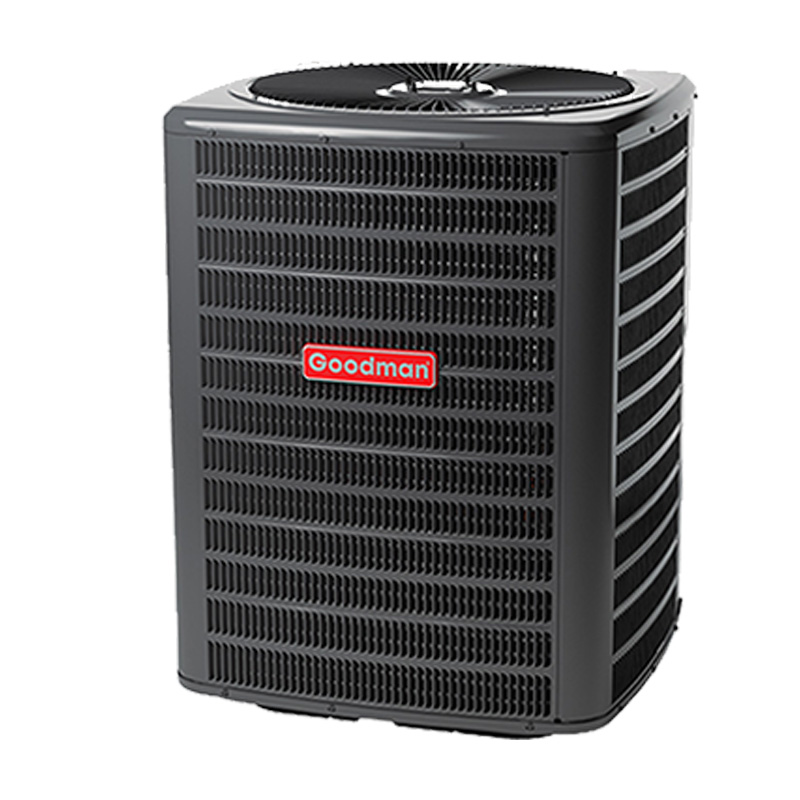
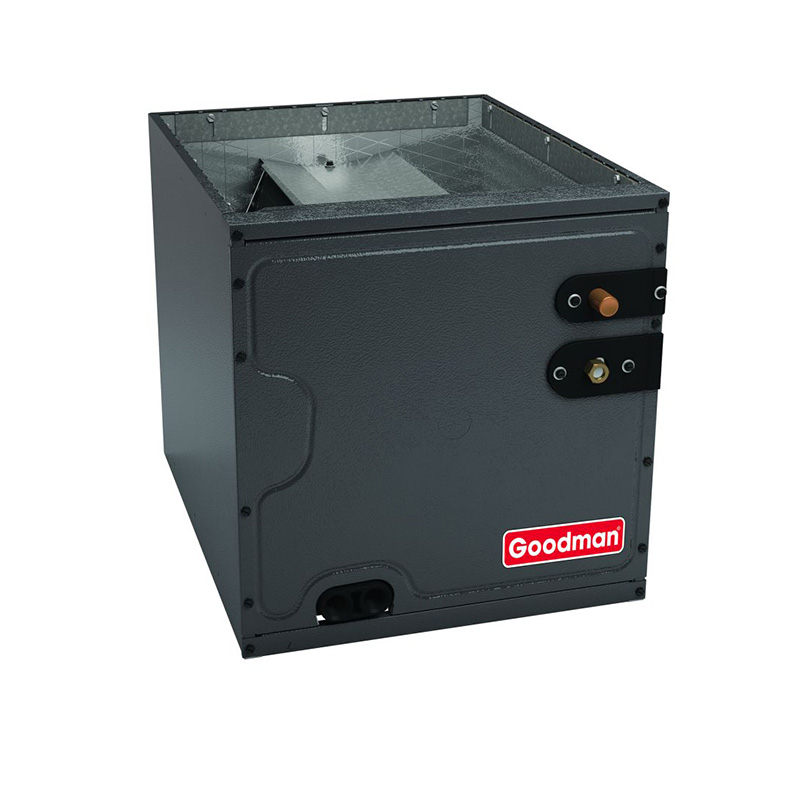
The Goodman GLXS3BN1810D pairs a 1.5-ton, 14 SEER2 single-stage air conditioner with a 40,000 BTU, 92% AFUE upflow gas furnace into one matched system. At 1.5 tons it is sized for smaller homes, conditioned apartments, or zone additions typically in the 600 to 900 square foot range, depending on local climate, insulation quality, and ceiling height. The 14 SEER2 rating sits at the current federal minimum efficiency floor for many U.S. regions, so it meets code without premium pricing, though it will consume more energy per cooling hour than a 16 or 18 SEER2 alternative.
The furnace side runs at 92% AFUE, meaning 92 cents of every dollar spent on gas converts to usable heat. That places it in the mid-efficiency tier, above standard 80% models but below the 96 to 98% AFUE condensing furnaces that justify a second PVC flue. The multi-speed blower adjusts airflow across heating and cooling stages to improve comfort and reduce on-off cycling noise compared to a fixed-speed motor. R-32 refrigerant carries a lower global warming potential than the R-410A it replaces and is increasingly common in new residential equipment. The upflow configuration directs conditioned air upward through supply ducts above the air handler, making this a natural fit for basement or closet installations where ductwork runs overhead.
This Goodman bundle is a straightforward, budget-accessible entry point for smaller homes that need a code-legal system without a premium price tag. Efficiency is honest but baseline, and long-term costs depend heavily on install quality and whether you budget for a capacitor or coil service call somewhere in years 5 through 10. It earns its place when upfront cost is the binding constraint, but buyers who plan to stay in a home for 15-plus years should price out mid-tier alternatives before committing.
Overall score is the average of the five ratings above.
What we like
- Purchase price typically runs 15 to 25 percent below comparable Trane, Lennox, and Carrier systems
- 92% AFUE furnace keeps heating efficiency competitive without the cost of a high-efficiency condensing model
- R-32 refrigerant is environmentally preferable to R-410A and aligns with current industry direction
- Multi-speed blower improves comfort and reduces the abrupt start-stop cycling of single-speed motors
- Matched factory system simplifies sizing verification and consolidates warranty support to one manufacturer
Trade-offs
- 14 SEER2 is the efficiency floor for many regions, so annual cooling energy costs will run higher than 16-plus SEER2 alternatives over time
- Dual-run capacitors are the most documented early failure point, and evaporator coil leaks appear in a meaningful share of owner reports, adding potential service costs after year 5 to 7
- Compressor longevity averages 10 to 14 years versus 15 to 20 years seen on premium-brand compressors, which matters for longer ownership horizons
- Performance is particularly sensitive to install quality, so a substandard refrigerant charge or duct connection can accelerate the failure modes already associated with the brand
What homeowners and pros say about Goodman
Homeowners who comment on Goodman equipment online tend to sort into two camps, which aligns with the brand’s split ratings: a ConsumerAffairs score of roughly 2.5 out of 5 and a Google dealer average of around 3.8 out of 5. The ConsumerAffairs figure is pulled down by owners who reached year 7 or 8 and faced repair bills that felt disproportionate given what they originally paid, a pattern the platform’s own complaint threads confirm. The Google dealer scores are more forgiving, and the most consistent praise centers on affordability at purchase rather than surprise-free operation over a decade.
HVAC technicians are generally candid about the brand’s trade-offs. They point to dual-run capacitor failures as the most predictable service call, and most experienced techs say they budget for at least one on a Goodman system before the ten-year mark. Evaporator coil leaks come up often enough in owner forums that they register as a genuine recurring issue rather than an outlier. Compressor lifespan averaging 10 to 14 years, compared to 15 to 20 years on premium brands, is the detail that shapes a technician’s recommendation most when a homeowner is staying in place long-term. For this specific 1.5-ton, 14 SEER2 bundle, pros consistently note that installation quality closes a large portion of the gap between Goodman and a better-regarded brand, so choosing a thorough, licensed installer is not optional if you want to reach the upper end of the equipment’s potential service life.
Sources: ConsumerAffairs Goodman owner reviews, AHRI Directory of Certified Product Performance, U.S. DOE appliance and equipment efficiency standards, Goodman product specification sheets.
What it costs to run
At 14 SEER2, cooling this 1.5-ton system for a typical 1200-hour cooling season at the U.S. average electricity rate of $0.17/kWh works out to roughly $262 per year in cooling, about $12 less per year than a minimum-efficiency 13.4 SEER2 unit of the same size. Your real cost depends on your climate and local rate.
Method: (18,000 BTU/hr ÷ 14 SEER2) × 1200 hours ÷ 1000 × $0.17/kWh. Rate source: U.S. EIA average; cooling hours: moderate-climate estimate.
How it compares
| Brand | Comparable model | SEER2 | Stage | Price position |
|---|---|---|---|---|
| Goodman | GLXS3BN1810D | 14 | Single-stage | Value pick |
| Carrier | Comfort 14 Series (24ACC4) | 14 | Single-stage | Typically 15 to 25 percent more than the Goodman equivalent |
| Trane | XR14 Series | 14-15 | Single-stage | Typically 15 to 25 percent more than the Goodman equivalent |
| Lennox | Merit ML14XC1 Series | 14-15 | Single-stage | Typically 15 to 25 percent more than the Goodman equivalent |
Competitor rows are comparable single-stage units at similar efficiency; price is relative position, not a quote.
Questions about this system
Is 1.5 tons the right size for my home, and how do I verify that before buying?
Tonnage should be determined by a Manual J load calculation that accounts for your square footage, insulation, window area, local climate, and ceiling height. A rough rule of thumb is roughly 400 to 600 square feet per ton, but that range can shift significantly. Ask your installer to perform or provide the load calculation before the system is ordered.
What does 14 SEER2 mean in practical terms, and will I notice the difference versus a higher-efficiency unit?
SEER2 measures seasonal cooling efficiency under updated test conditions; 14 SEER2 is the current federal minimum for many U.S. regions. In a small 1.5-ton application the annual dollar difference versus a 16 SEER2 unit is modest, but over a 12-year equipment life it adds up. If your cooling season is long or your electricity rate is high, the math on a higher SEER2 unit improves.
What are the most common repairs reported on Goodman systems like this one, and what do they cost?
The most frequently reported failure on Goodman equipment is the dual-run capacitor, typically a straightforward repair in the 300 to 600 dollar range. Evaporator coil leaks are a secondary concern that shows up in a meaningful share of owner reviews and can cost more to address. A minority of owners also report refrigerant leaks within the first year, which are usually traced to installation or charging issues rather than the equipment itself.
Does a 92% AFUE furnace require a special vent or condensate drain?
A 92% AFUE furnace is classified as mid-efficiency, not high-efficiency condensing, so it vents through a standard metal flue rather than PVC pipe and does not produce the condensate that a 96 to 98% AFUE unit would. This simplifies installation in homes where adding a PVC drain line would be difficult or expensive.
What warranty does this Goodman system carry, and are there conditions I need to meet?
Goodman generally offers a 10-year parts warranty on registered systems, but registration must typically be completed within a defined window after installation, usually 60 days, and the work must be performed by a licensed contractor. Failure to register often reduces coverage to a shorter base period, so confirm registration requirements with your installer before the job is done.
Specifications
| Cooling capacity | 1.5 Ton |
| Efficiency | 14 SEER2 |
| Furnace output | 40000 BTU |
| Furnace efficiency | 92% AFUE |
| Configuration | Upflow |
| Refrigerant | R-32 |
| Model | GLXS3BN1810D |