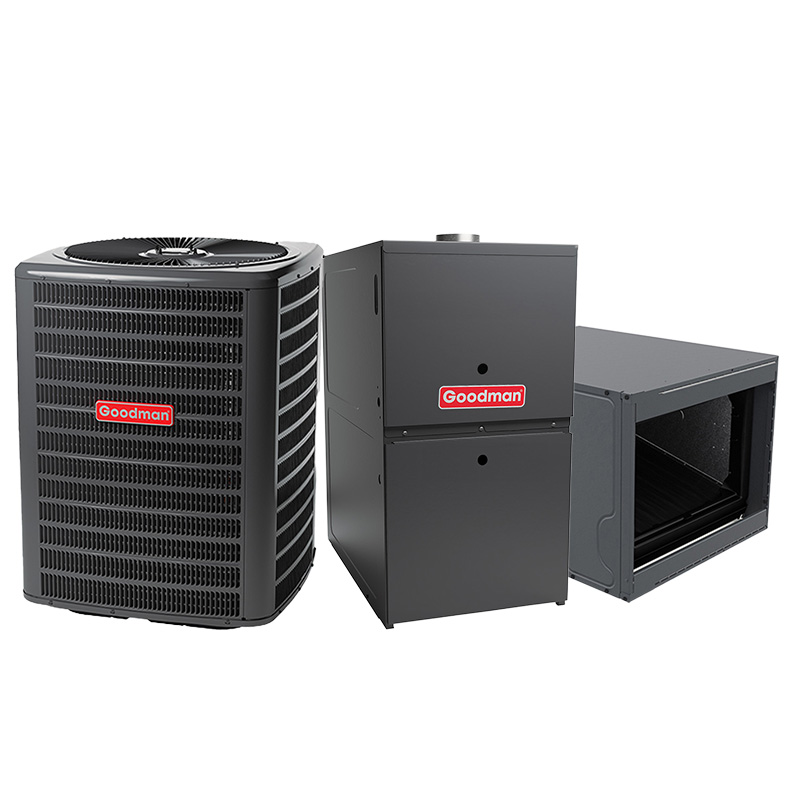
Goodman 1.5 Ton 14 SEER2 AC & Gas Furnace System – Two Stage Variable-Speed, 60000 BTU Gas Furnace, 80% AFUE, Horizontal, R32
View on AC Direct see your lowest price →Check current price on AC Direct →
Key features
- Two-stage compressor for improved humidity control and reduced short-cycling
- Variable-speed ECM blower motor for quieter, more efficient airflow
- Horizontal-only furnace configuration suited to attic or crawl space installs
- 80% AFUE rating: mid-efficiency gas heating, no condensate drain required
- R-32 refrigerant with lower global warming potential than R-410A
- 1.5-ton / 18,000 BTU cooling capacity for smaller conditioned spaces
About this system
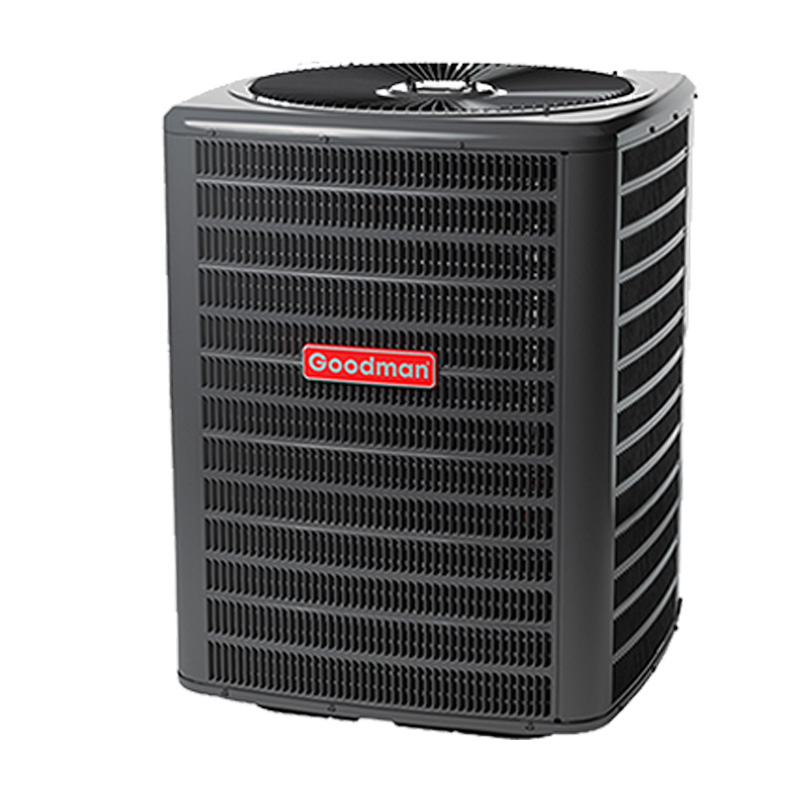
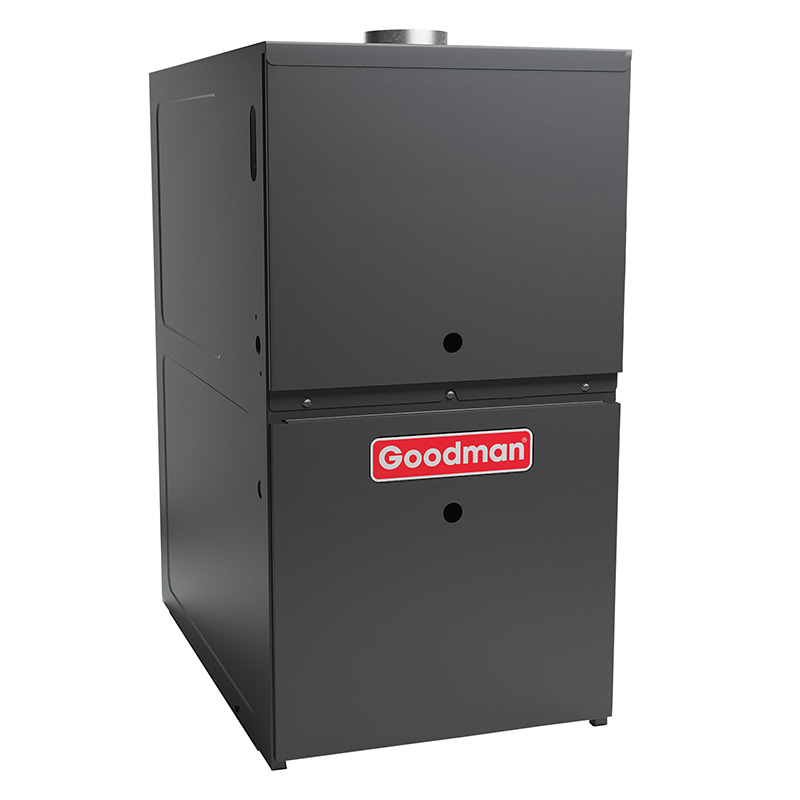
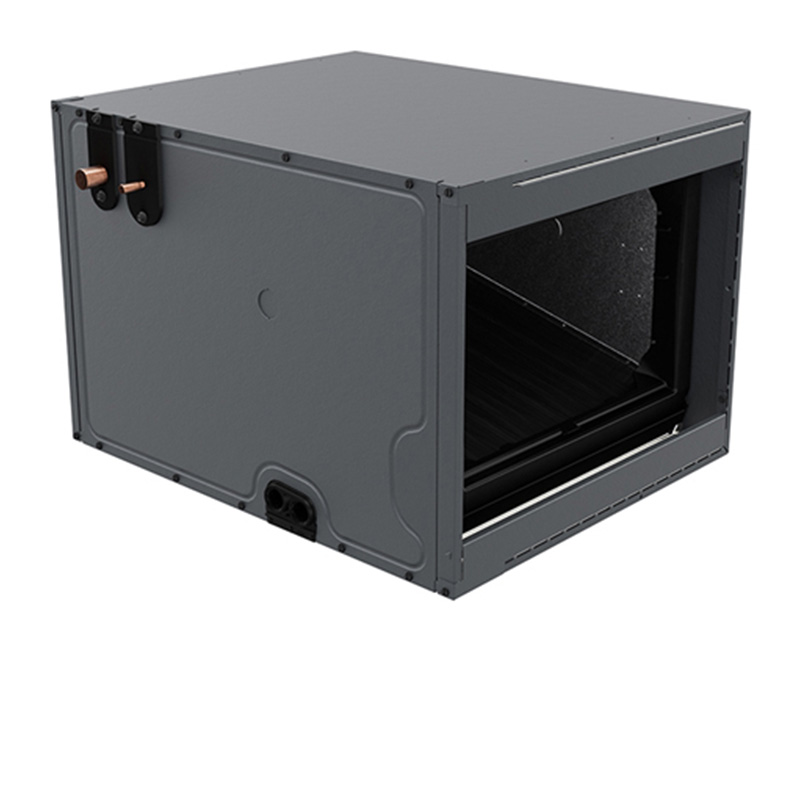
The Goodman 1.5-ton 14 SEER2 two-stage, variable-speed system pairs a cooling-only condensing unit with a 60,000 BTU horizontal gas furnace rated at 80% AFUE. At 1.5 tons, this is sized for smaller homes, conditioned additions, or zones roughly in the 600 to 900 square foot range depending on climate, insulation, and ceiling height. The horizontal configuration means the furnace is designed to lie on its side, which suits attic installations or crawl spaces where vertical clearance is limited. That physical constraint narrows the installer pool somewhat, so vetting your contractor’s experience with horizontal setups matters more than usual here.
Two-stage cooling and a variable-speed blower motor are meaningful upgrades over entry-level single-stage equipment. Two-stage operation lets the compressor run at a lower capacity most of the time, which reduces short-cycling, improves humidity control, and smooths out temperature swings. The variable-speed blower adjusts airflow continuously, which also helps with indoor air quality and quieter day-to-day operation. R-32 refrigerant has a lower global warming potential than the R-410A it is replacing across the industry, and availability is improving as the refrigerant transition continues. The 80% AFUE furnace is a mid-efficiency rating, meaning roughly 20 cents of every dollar in gas goes up the flue. It does not require a condensate drain the way a 90%-plus unit would, which simplifies the horizontal installation, but homeowners in colder climates will see noticeably higher heating bills compared to a 96% AFUE unit over the long term.
This system delivers genuine comfort upgrades over single-stage entry-level equipment at a price point well below comparable Trane, Carrier, or Lennox bundles. The trade-off is a brand track record that includes documented coil and capacitor issues after year seven, and an 80% AFUE furnace that will cost more to operate than a high-efficiency alternative in heating-heavy climates. For buyers who want two-stage comfort on a budget and who pair the purchase with a qualified installer and a solid service plan, the value proposition is real.
Overall score is the average of the five ratings above.
What we like
- Two-stage cooling meaningfully improves humidity control versus single-stage systems
- Variable-speed blower reduces noise and improves air distribution
- R-32 refrigerant is more environmentally responsible and increasingly serviceable
- Horizontal design fits attic and crawl space applications where vertical units cannot go
- Priced 15 to 25 percent below comparable Carrier, Trane, and Lennox systems
Trade-offs
- 80% AFUE is a mid-efficiency rating; operating costs will be higher than 90%-plus alternatives in cold climates
- Dual-run capacitors are the most commonly reported failure point, typically around years 5 to 8
- Compressor lifespan averages 10 to 14 years, shorter than the 15 to 20 years reported for premium brands
- A minority of owners have reported refrigerant leaks in year one, often tied to install or charge quality
What homeowners and pros say about Goodman
Homeowners who have purchased Goodman equipment land in two distinct camps. Those who had strong installs by experienced contractors tend to echo the Google dealer review average of around 3.8 out of 5, praising the lower upfront cost and noting years of routine operation. Those who post on ConsumerAffairs, where Goodman sits near 2.5 out of 5, often describe repair bills that started climbing after roughly year seven, with dual-run capacitor failures being the most frequently cited issue and typically running 300 to 600 dollars per occurrence. Evaporator coil leaks appear in a meaningful number of owner accounts as well, and compressor longevity tends to fall in the 10 to 14 year range rather than the 15 to 20 years some premium brands achieve. A smaller subset of owners have flagged refrigerant leaks within the first year, which technicians generally attribute to install or initial charge problems rather than factory defects.
HVAC professionals tend to have a more nuanced view of Goodman than either camp of homeowners. Many will install it without hesitation for clients who have a firm budget ceiling, particularly when paired with a maintenance agreement. The consistent technical note is that Goodman’s longevity is more install-dependent than premium brands, meaning a careful startup, proper refrigerant charge, and correct airflow setup matter more here than they would with a Trane or Carrier of comparable efficiency. For this specific horizontal two-stage system, the additional note from the trade is that horizontal configurations require a technician who has done them before, because improper leveling or drain routing can create problems that get attributed to the equipment rather than the installation. The two-stage compressor and variable-speed blower are genuine features that perform as described when the system is commissioned correctly.
Sources: ConsumerAffairs Goodman owner reviews, AHRI Directory of Certified Product Performance, U.S. DOE appliance and equipment efficiency standards, Goodman product specification sheets.
What it costs to run
At 14 SEER2, cooling this 1.5-ton system for a typical 1200-hour cooling season at the U.S. average electricity rate of $0.17/kWh works out to roughly $262 per year in cooling, about $12 less per year than a minimum-efficiency 13.4 SEER2 unit of the same size. Your real cost depends on your climate and local rate.
Method: (18,000 BTU/hr ÷ 14 SEER2) × 1200 hours ÷ 1000 × $0.17/kWh. Rate source: U.S. EIA average; cooling hours: moderate-climate estimate.
How it compares
| Brand | Comparable model | SEER2 | Stage | Price position |
|---|---|---|---|---|
| Goodman | This system (1.5T 14 SEER2 two-stage / 60K BTU 80% AFUE horizontal) | 14 | Two-stage | Value pick |
| Carrier | Comfort 14 series (14 SEER2, single-stage) | 14 | Single-stage | Typically 15 to 25 percent more than this Goodman system |
| Trane | XR14 series (14 SEER2, single-stage) | 14 | Single-stage | Typically 15 to 25 percent more than this Goodman system |
| Lennox | Merit 14 series (14 SEER2, single-stage) | 14 | Single-stage | Typically 15 to 25 percent more than this Goodman system |
Competitor rows are comparable single-stage units at similar efficiency; price is relative position, not a quote.
Questions about this system
Why does this furnace have to be installed horizontally, and does that limit who can work on it?
This specific model is designed and certified only for horizontal airflow, meaning the cabinet lies on its side rather than standing upright. That suits attic platforms and certain crawl space configurations well, but it does mean not every local HVAC technician will be comfortable with the setup. Ask your installer specifically how many horizontal furnace installs they have completed before signing a contract.
Is 14 SEER2 efficient enough, or should I pay more for a higher-rated unit?
14 SEER2 meets current federal minimums for most regions and is a reasonable baseline for a 1.5-ton system in mild to moderate climates. If your summers are long and hot, or your utility rates are high, a 16 or 18 SEER2 unit would cut cooling costs further, but the payback period on the higher upfront cost depends on your local electricity price and how many hours per year you run the system.
What does R-32 refrigerant mean for me as a homeowner?
R-32 is the refrigerant replacing R-410A across most residential equipment as the industry transitions away from higher global warming potential chemicals. Practically, it means your system cannot be topped off with R-410A if it develops a leak, so your service technician needs to stock R-32. Availability has improved significantly, and most established HVAC service companies carry it or can source it quickly.
Goodman gets mixed reviews online. Should I be worried about reliability?
Goodman scores around 2.5 out of 5 on ConsumerAffairs, which is a complaint-skewed channel, and roughly 3.8 out of 5 across Google dealer reviews. The documented weak points are dual-run capacitors, which tend to fail after year five to eight and usually cost 300 to 600 dollars to replace, and evaporator coil leaks, which appear in a meaningful share of owner reviews. Budgeting for at least one capacitor replacement and considering an extended service plan is a reasonable approach.
Will the 80% AFUE furnace work in a cold northern climate, or is it undersized for that?
80% AFUE is functional in northern climates but less economical than a 90%-plus unit because 20% of your gas heat is vented outside rather than delivered to your home. The 60,000 BTU output may also be on the lower end for a full home in a very cold climate, so a load calculation by your installer is important before committing to this capacity. In moderate or shoulder climates it is often a perfectly adequate choice.
Specifications
| Cooling capacity | 1.5 Ton |
| Efficiency | 14 SEER2 |
| Furnace output | 60000 BTU |
| Furnace efficiency | 80% AFUE |
| Configuration | Horizontal |
| Refrigerant | R-32 |