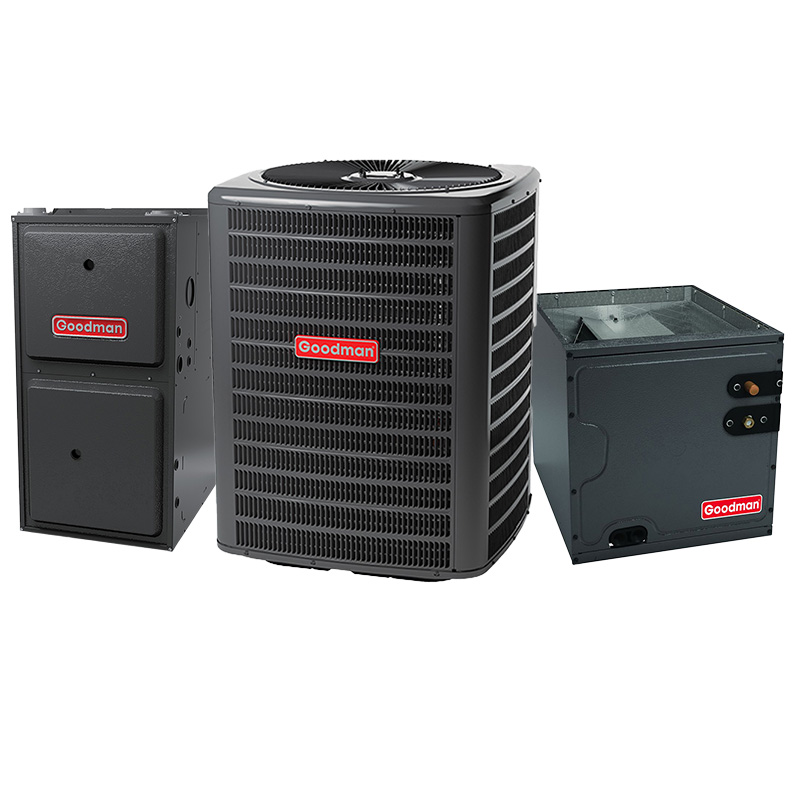
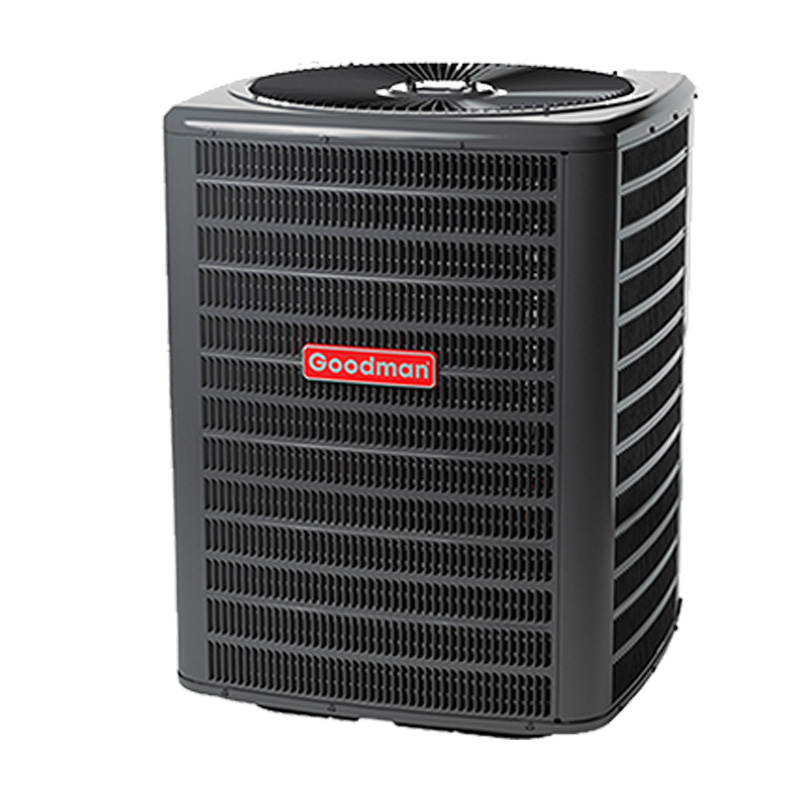
Goodman 1.5 Ton 14 SEER2 AC With 40000 BTU 96% AFUE 2-Stage Variable-Speed ECM Gas Furnace System – Upflow | R32
View on AC Direct see your lowest price →Check current price on AC Direct →
Key features
- 1.5-ton R-32 air conditioner rated at 14 SEER2 for baseline energy efficiency
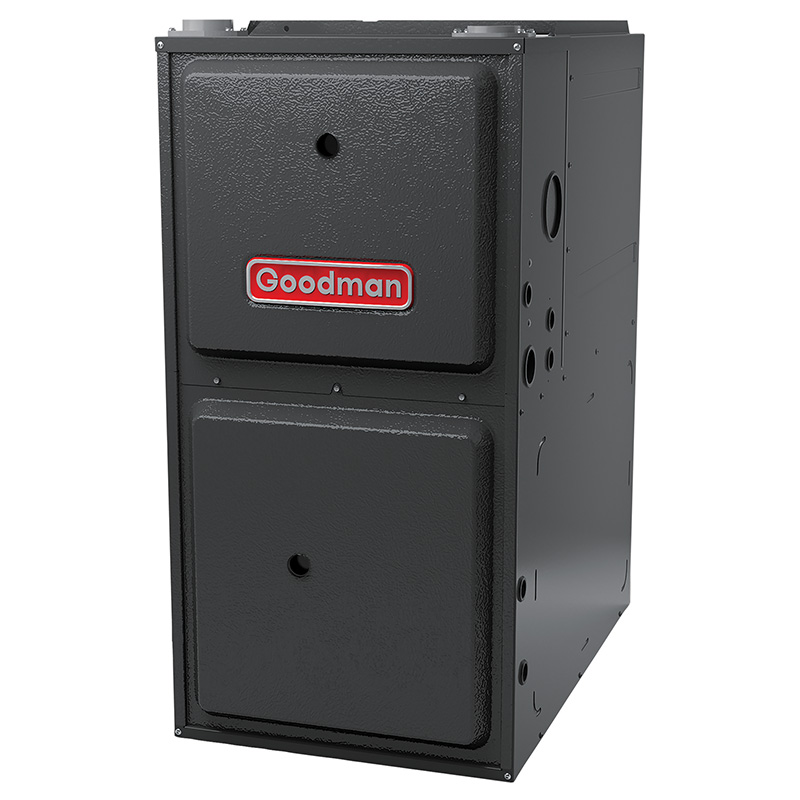
- 40,000 BTU two-stage gas furnace at 96% AFUE for high-efficiency heating
- Variable-speed ECM blower motor for quieter operation and improved humidity control
- Upflow cabinet configuration compatible with most residential overhead duct systems
- R-32 refrigerant with lower global warming potential than R-410A
- Two-stage gas valve reduces fuel use and indoor temperature swings on mild days
About this system
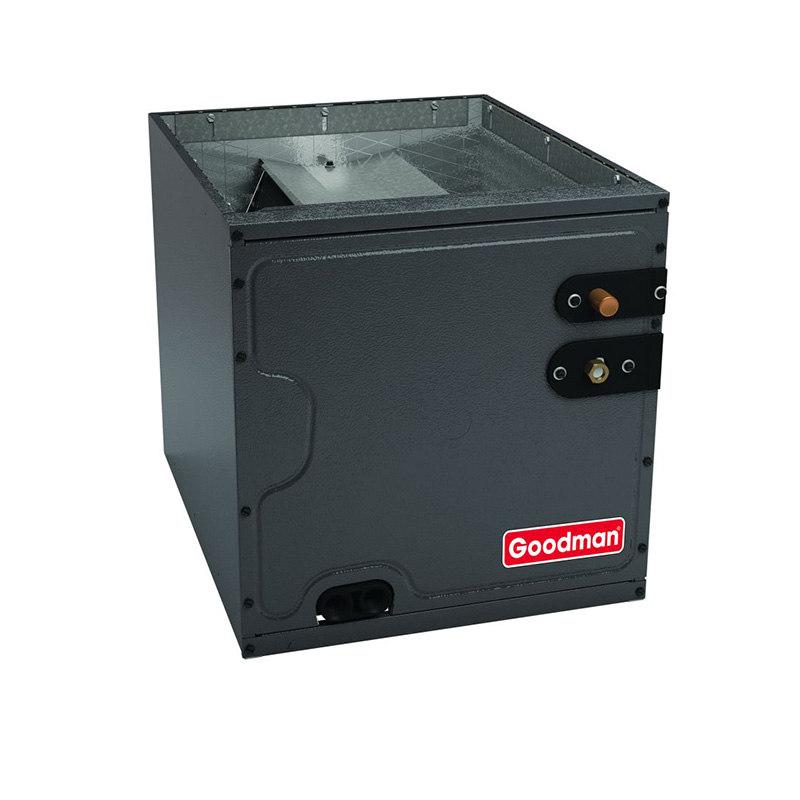
This Goodman bundle pairs a 1.5-ton, 14 SEER2 R-32 air conditioner with a 40,000 BTU, 96% AFUE two-stage gas furnace in an upflow configuration. The result is a full heating and cooling system sized for smaller homes, conditioned spaces under roughly 700 to 900 square feet depending on climate and insulation, or zone additions where a full 2-ton or 3-ton system would be oversized. The upflow cabinet means conditioned air exits the top of the furnace and rises into the duct system, which is the most common residential configuration and works well in basements, utility closets, and ground-floor mechanical rooms with ductwork running overhead.
The two-stage furnace and variable-speed ECM blower motor are where this system punches above the entry-level Goodman tier. A two-stage gas valve fires at a lower capacity most of the time and ramps to full output only on the coldest days, which reduces temperature swings, lowers fuel consumption compared to single-stage units, and runs more quietly during those long low-fire cycles. The ECM blower adjusts airflow continuously, improving humidity control and cutting electricity use compared to a standard PSC motor. At 96% AFUE, nearly all of the fuel burned becomes usable heat, which is a meaningful operating-cost advantage over 80% AFUE alternatives. R-32 refrigerant has a lower global warming potential than the R-410A it replaces and is increasingly the industry standard for new residential equipment.
Where this system asks for careful consideration is in the combination of a 1.5-ton cooling capacity with a value-tier brand. At this size, load calculations matter more than ever because an oversized or undersized unit will short-cycle, wear components faster, and underperform on humidity. Goodman’s pricing sits 15 to 25 percent below Trane, Lennox, and Carrier equivalents, which is a genuine advantage for budget-conscious buyers, but the brand’s real-world longevity leans heavily on installation quality and whether a licensed technician handles the R-32 charge correctly.
This Goodman bundle offers a genuinely capable two-stage, high-efficiency furnace paired with a baseline 14 SEER2 condenser at a price point that undercuts comparable systems from premium brands by 15 to 25 percent. The trade-off is a brand with a documented history of capacitor failures, evaporator coil leaks in a share of units, and compressors that average 10 to 14 years rather than the 15 to 20 years seen in premium lines. For buyers who prioritize upfront cost, have access to a skilled installer, and are comfortable with that risk profile, this system represents reasonable value.
Overall score is the average of the five ratings above.
What we like
- 96% AFUE furnace keeps heating bills lower than 80% AFUE alternatives over the equipment's life
- Two-stage gas valve and ECM blower improve comfort and reduce noise compared to single-stage systems
- R-32 refrigerant is the forward-looking standard, reducing future refrigerant sourcing concerns
- Priced 15 to 25 percent below Trane, Lennox, and Carrier systems with similar specifications
- Upflow configuration fits the most common residential duct layouts without modification
Trade-offs
- Dual-run capacitors are the most commonly reported failure, typically showing up before year 7 at a cost of $300 to $600 per incident
- Evaporator coil leaks appear in a meaningful share of owner reports and can be a costly mid-life repair
- Compressor lifespan averages 10 to 14 years, shorter than the 15 to 20 years documented for premium brands
- A minority of owners report refrigerant leaks in the first year, usually traced to installation or initial charge issues rather than a factory defect
What homeowners and pros say about Goodman
Homeowners who research Goodman online will find a split picture. On ConsumerAffairs, the brand scores around 2.5 out of 5, a low mark driven largely by owners who post after a frustrating repair experience. The recurring theme in those complaints is that repair costs start climbing after roughly year 7, and the most commonly cited culprit is the dual-run capacitor, a component that typically runs $300 to $600 to replace and is considered a routine wear item by most HVAC technicians. Evaporator coil leaks also appear in a meaningful share of owner accounts, which can be a more expensive repair depending on the age of the unit and the refrigerant involved. A smaller number of owners report refrigerant leaks within the first year, a pattern that technicians generally attribute to installation or initial charge quality rather than a manufacturing defect, which underlines how much this brand’s real-world performance depends on who installs it.
On Google, dealer reviews tell a somewhat different story, averaging around 3.8 out of 5 across hundreds of reviews per location, where the most consistent praise is the lower upfront price relative to Trane, Lennox, and Carrier. HVAC professionals tend to echo that view: Goodman occupies a legitimate place in the market for cost-sensitive projects, but they are quick to note that compressors in Goodman equipment average 10 to 14 years in practice versus 15 to 20 years in premium lines, and that a poor installation can compress that timeline further. For this specific system, the 96% AFUE two-stage furnace with an ECM blower is a genuinely strong heating package at the price, and the R-32 refrigerant reflects current industry direction. The honest summary is that buyers get real value up front, with the understanding that they are accepting a higher probability of mid-life component costs than they would with a premium brand.
Sources: ConsumerAffairs Goodman owner reviews, AHRI Directory of Certified Product Performance, U.S. DOE appliance and equipment efficiency standards, Goodman product specification sheets.
What it costs to run
At 14 SEER2, cooling this 1.5-ton system for a typical 1200-hour cooling season at the U.S. average electricity rate of $0.17/kWh works out to roughly $262 per year in cooling, about $12 less per year than a minimum-efficiency 13.4 SEER2 unit of the same size. Your real cost depends on your climate and local rate.
Method: (18,000 BTU/hr ÷ 14 SEER2) × 1200 hours ÷ 1000 × $0.17/kWh. Rate source: U.S. EIA average; cooling hours: moderate-climate estimate.
How it compares
| Brand | Comparable model | SEER2 | Stage | Price position |
|---|---|---|---|---|
| Goodman | 1.5T 14 SEER2 AC + 40K BTU 96% AFUE 2-Stage ECM Furnace (this system) | 14 | Two-stage furnace, single-stage condenser | Value pick |
| Carrier | Performance 13 / 14 SEER2 series (24ACC) with 96% AFUE 59TP6 furnace | 14 | Two-stage furnace, single-stage condenser | Typically 15 to 25 percent more than this Goodman bundle |
| Trane | XR14 condenser with S9X2 96% AFUE two-stage furnace | 14 | Two-stage furnace, single-stage condenser | Typically 15 to 25 percent more than this Goodman bundle |
| Lennox | Merit 14 SEER2 condenser (14ACX) with SL280V 96% AFUE furnace | 14 | Two-stage furnace, single-stage condenser | Typically 15 to 25 percent more than this Goodman bundle |
Competitor rows are comparable single-stage units at similar efficiency; price is relative position, not a quote.
Questions about this system
Is R-32 refrigerant safe to use in a residential setting, and can any HVAC technician work on it?
R-32 is mildly flammable (A2L classification), so it requires technicians who are certified to handle A2L refrigerants, which is increasingly common but not universal. Confirm your installer has the appropriate certification before scheduling work, and verify your local code permits R-32 equipment in residential applications.
My home is small. How do I know 1.5 tons is the right size for my space?
A proper Manual J load calculation by a licensed HVAC contractor is the only reliable way to confirm sizing. Rules of thumb based purely on square footage often lead to oversized equipment, which short-cycles, degrades humidity control, and accelerates component wear, so insist on a load calculation before purchasing.
What does the two-stage furnace actually change about day-to-day comfort compared to a single-stage unit?
On mild days the furnace fires at its lower stage, running longer cycles that distribute heat more evenly and reduce the hot-and-cold swings common with single-stage equipment. The ECM blower also adjusts airflow continuously, which helps maintain steadier temperatures and better humidity levels throughout the house.
Goodman's ConsumerAffairs score is low. Should that concern me?
ConsumerAffairs scores around 2.5 out of 5 for Goodman, and the channel skews heavily toward complaints, so context matters. Google dealer reviews average closer to 3.8 out of 5, where affordability is the most consistent praise. The documented failure patterns, capacitors around year 7, coil leaks in some units, and compressors averaging 10 to 14 years, are real trade-offs worth budgeting for, but they do not mean every unit fails early.
What maintenance should I plan for to get the most life out of this system?
Annual professional tune-ups, regular filter changes every one to three months, and keeping the outdoor condenser coil clean are the baseline. Given the documented capacitor failure pattern, asking your technician to check capacitor readings annually costs very little and can catch a failure before it strands you in summer heat. Budgeting a few hundred dollars for a capacitor replacement somewhere in the first 10 years is a reasonable expectation with this brand.
Specifications
| Cooling capacity | 1.5 Ton |
| Efficiency | 14 SEER2 |
| Furnace output | 40000 BTU |
| Furnace efficiency | 96% AFUE |
| Configuration | Upflow |
| Refrigerant | R-32 |