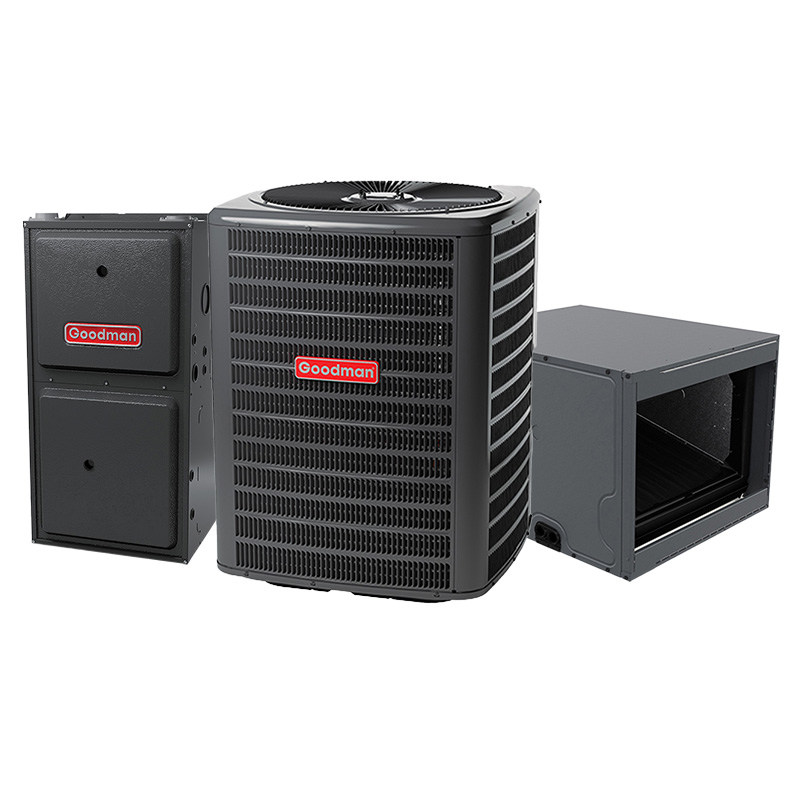
Goodman 1.5 Ton 14 SEER2 AC With 60000 BTU 96% AFUE 2-Stage Variable-Speed ECM Gas Furnace System – Horizontal | R32
View on AC Direct see your lowest price →Check current price on AC Direct →
Key features
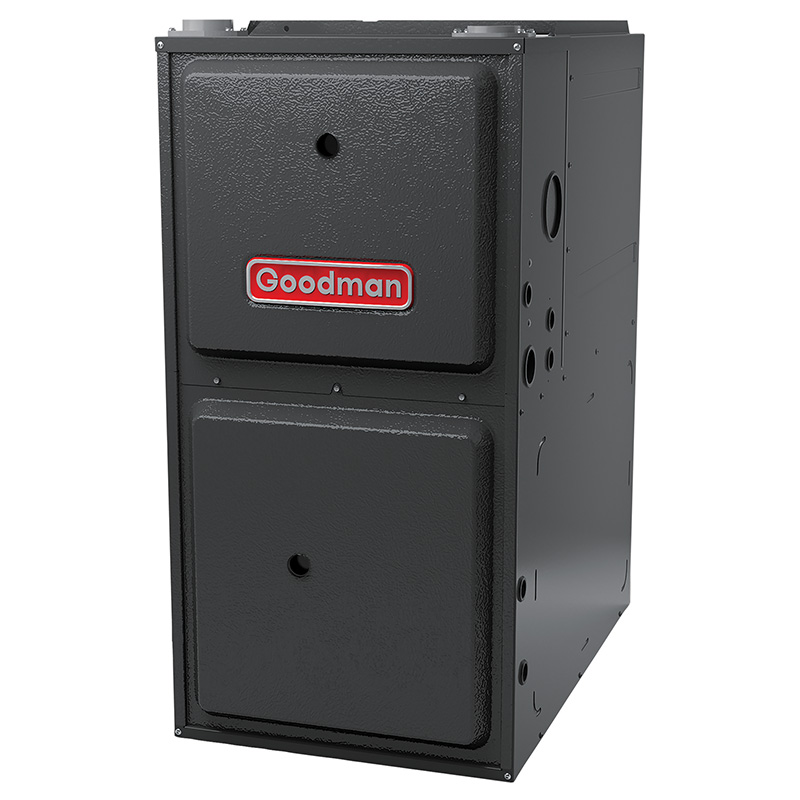
- 60,000 BTU two-stage gas furnace rated at 96% AFUE for high-efficiency heat output
- Variable-speed ECM blower motor for quiet operation and lower electricity use
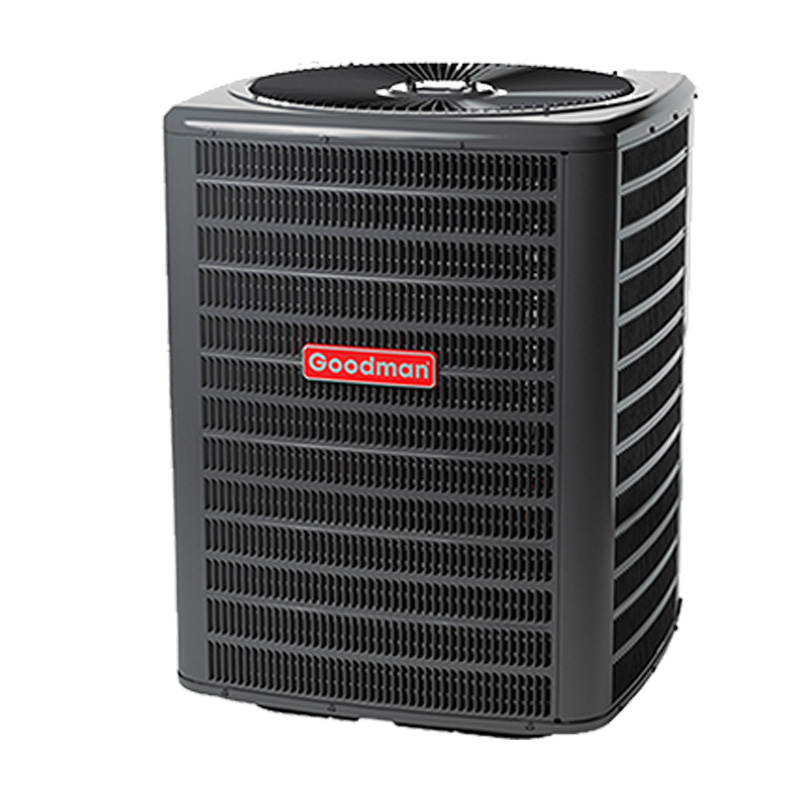
- 1.5-ton cooling capacity at 14 SEER2 efficiency, meeting federal minimum for northern regions
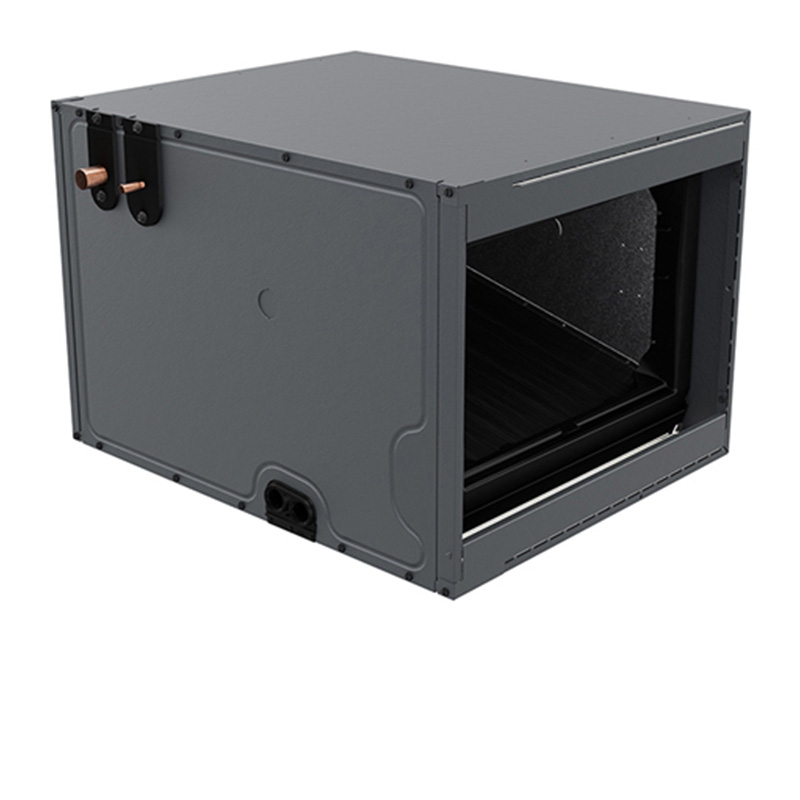
- Horizontal configuration for crawl space, attic, or side-mount utility closet installations
- R-32 refrigerant with lower global warming potential than legacy refrigerants
- Two-stage heating reduces temperature swings and cycling on mild-weather days
About this system
This Goodman package pairs a 1.5-ton, 14 SEER2 air conditioner with a 60,000 BTU, 96% AFUE two-stage, variable-speed ECM gas furnace in a horizontal configuration, making it a strong candidate for homes where the air handler lives in a crawl space, attic, or utility closet on its side rather than upright. The horizontal orientation narrows the field of compatible spaces, so confirming your installation footprint before ordering is essential. At 1.5 tons, this system is sized for smaller homes, typically in the 600 to 900 square foot range depending on climate zone, insulation quality, and window area, and right-sizing matters more with a smaller unit because both over- and under-sizing hurt comfort and efficiency.
The furnace side is where this bundle punches above its price point. A 96% AFUE rating means 96 cents of every dollar spent on gas becomes usable heat, which is a genuinely high-efficiency figure. Two-stage heating lets the furnace run at a lower output on milder days, reducing temperature swings and saving fuel, while the variable-speed ECM blower motor moves air quietly, cuts electricity use compared to a standard PSC motor, and improves humidity control in both heating and cooling modes. The AC side at 14 SEER2 clears the federal minimum threshold for most northern regions but sits at the lower end of efficiency for warmer climates where higher SEER2 ratings pay back faster. R-32 refrigerant is a meaningful step forward over older refrigerants, with lower global warming potential and slightly better thermodynamic efficiency. This system suits budget-conscious buyers replacing aging equipment in a home where the duct layout demands horizontal placement.
This system delivers genuinely strong furnace technology, specifically the 96% AFUE two-stage operation and variable-speed ECM blower, at a price well below comparable Trane, Lennox, or Carrier bundles. The AC side is adequate rather than impressive at 14 SEER2, and Goodman's documented weak points around capacitors, evaporator coil longevity, and compressor lifespan shorter than premium brands are real considerations buyers should weigh against the upfront savings.
Overall score is the average of the five ratings above.
What we like
- 96% AFUE rating is a legitimately high-efficiency furnace spec, not just a marketing tier
- Two-stage operation plus variable-speed ECM blower improves comfort and reduces energy bills versus single-stage alternatives
- R-32 refrigerant is a more environmentally responsible and thermodynamically capable choice
- Priced roughly 15 to 25 percent below comparable Trane, Carrier, and Lennox systems, freeing budget for a quality install
- Horizontal configuration fills a specific need that most upflow-only systems cannot address
Trade-offs
- Dual-run capacitors are the most frequently reported failure point and, while inexpensive to fix, add maintenance cost after year 7
- Evaporator coil leaks appear in a meaningful share of owner reports and can become costly repairs outside warranty
- Compressor lifespan averages 10 to 14 years versus 15 to 20 years typical of premium brands, which matters for long-term ownership cost
- 14 SEER2 is the low end of the efficiency range and will carry higher annual cooling costs than higher-rated alternatives in warm climates
What homeowners and pros say about Goodman
Homeowners who report positive experiences with Goodman equipment consistently point to the same thing: they got a solid install at a price that left room in the budget for service visits. Google dealer reviews across Goodman installers average around 3.8 out of 5, and affordability is the most common theme in the praise. The ConsumerAffairs score tells a different story at roughly 2.5 out of 5, though that channel draws a disproportionate share of frustrated owners, and the pattern in those complaints centers on repair costs climbing after roughly year seven of ownership. That arc fits what technicians document in the field: dual-run capacitor failures are the most frequently cited repair call, typically a manageable 300 to 600 dollar fix, but evaporator coil leaks and refrigerant issues appear in enough owner reports to be a real consideration rather than an edge case.
HVAC professionals tend to describe Goodman as equipment that performs close to its rated specs when installed carefully and maintained on schedule, but that shows its value-tier origins more clearly when an install is rushed or when annual maintenance is skipped. For this specific horizontal bundle, technicians note that the 96% AFUE two-stage furnace with the variable-speed ECM blower is a legitimate step up from basic single-stage alternatives at a similar price, while the 14 SEER2 AC is honest but unambitious. The documented compressor lifespan of 10 to 14 years, shorter than the 15 to 20 years common with premium brands like Trane or Carrier, is the most significant long-term trade-off a buyer accepts by choosing Goodman, and it is worth building that possibility into any ownership cost estimate.
Sources: ConsumerAffairs Goodman owner reviews, AHRI Directory of Certified Product Performance, U.S. DOE appliance and equipment efficiency standards, Goodman product specification sheets.
What it costs to run
At 14 SEER2, cooling this 1.5-ton system for a typical 1200-hour cooling season at the U.S. average electricity rate of $0.17/kWh works out to roughly $262 per year in cooling, about $12 less per year than a minimum-efficiency 13.4 SEER2 unit of the same size. Your real cost depends on your climate and local rate.
Method: (18,000 BTU/hr ÷ 14 SEER2) × 1200 hours ÷ 1000 × $0.17/kWh. Rate source: U.S. EIA average; cooling hours: moderate-climate estimate.
How it compares
| Brand | Comparable model | SEER2 | Stage | Price position |
|---|---|---|---|---|
| Goodman | 1.5T 14 SEER2 AC / 60K BTU 96% AFUE 2-Stage ECM Furnace Horizontal R-32 | 14 | Two-stage furnace / single-stage AC | Value pick |
| Carrier | Performance Series 14 (24ACC4 AC / 59TP6 Furnace) | 14 | Single-stage | Typically 15 to 25 percent more than Goodman |
| Trane | XR14 AC / S9X2 Furnace | 14 | Single-stage | Typically 15 to 25 percent more than Goodman |
| Lennox | Merit Series ML14 AC / SL280 Furnace | 14 | Two-stage furnace / single-stage AC | Typically 15 to 25 percent more than Goodman |
Competitor rows are comparable single-stage units at similar efficiency; price is relative position, not a quote.
Questions about this system
Is 1.5 tons enough for my house, and how do I know I am not under-sizing?
A 1.5-ton unit is typically appropriate for roughly 600 to 900 square feet in a well-insulated home in a moderate climate, but the actual number depends on ceiling height, window area, insulation R-values, and local design temperatures. The only reliable way to confirm sizing is a Manual J load calculation performed by your installer before equipment is ordered, and skipping that step is the most common reason systems short-cycle or fail to keep up on the hottest days.
What does the horizontal configuration actually mean, and can this system be installed upright?
Horizontal means the air handler is engineered to lie on its side, which suits installations in low-clearance crawl spaces, attics, or closets where an upright cabinet will not fit. This specific configuration is not designed to operate in the standard vertical upflow position, so the installation location must be confirmed before purchase to avoid a costly return or modification.
R-32 is different from the R-410A in my old system. Does that affect service costs or refrigerant availability?
R-32 is increasingly common in new residential equipment and is carried by most HVAC supply houses, so availability is not a concern for most markets. Technicians need to be aware that R-32 is mildly flammable and requires handling procedures specific to A2L refrigerants, but certified HVAC technicians are trained for this. Leak repairs are handled the same way as with R-410A, and the refrigerant cost per pound is comparable.
Goodman has mixed reviews online. What are the most likely repair costs I should plan for?
The most frequently documented failure is the dual-run capacitor, which typically costs 300 to 600 dollars to diagnose and replace and is a common maintenance item for most brands after several years of use. Evaporator coil leaks and refrigerant leaks, sometimes appearing within the first year from installation or charging issues, are more serious and can run into the thousands. Goodman compressors tend to average 10 to 14 years of service life, shorter than the 15 to 20 years common with premium brands, so factoring in a possible compressor replacement into the total ownership cost calculation is realistic.
Does Goodman's warranty cover parts and labor, and what do I need to register?
Goodman's standard registered warranty covers parts for 10 years on covered components, including the compressor and heat exchanger, but it does not cover labor costs, which are typically the larger portion of any repair bill. Registration must be completed within a set window after installation, usually 60 days, to activate the full 10-year parts coverage; unregistered units default to a shorter coverage period. Confirming the exact current warranty terms directly with Goodman or your installer is worthwhile before purchase since coverage details can change.
Specifications
| Cooling capacity | 1.5 Ton |
| Efficiency | 14 SEER2 |
| Furnace output | 60000 BTU |
| Furnace efficiency | 96% AFUE |
| Configuration | Horizontal |
| Refrigerant | R-32 |