Goodman 1.5 Ton 15.2 SEER2 R32 AC System with 60,000 BTU 96% AFUE Gas Furnace – California & Colorado Ultra Low NOx, Horizontal, Multi-Speed ECM
View on AC Direct see your lowest price →Check current price on AC Direct →
Key features
- 15.2 SEER2 efficiency rating meets current federal minimums and qualifies for common utility rebates
- 96% AFUE gas furnace recovers nearly all combustion heat for space conditioning
- Horizontal configuration designed for attic and crawlspace installations
- R-32 refrigerant with substantially lower global warming potential than R-410A
- Multi-speed ECM blower motor reduces electricity use and improves humidity control
- California and Colorado Ultra Low NOx certified for use in regulated air quality districts
About this system
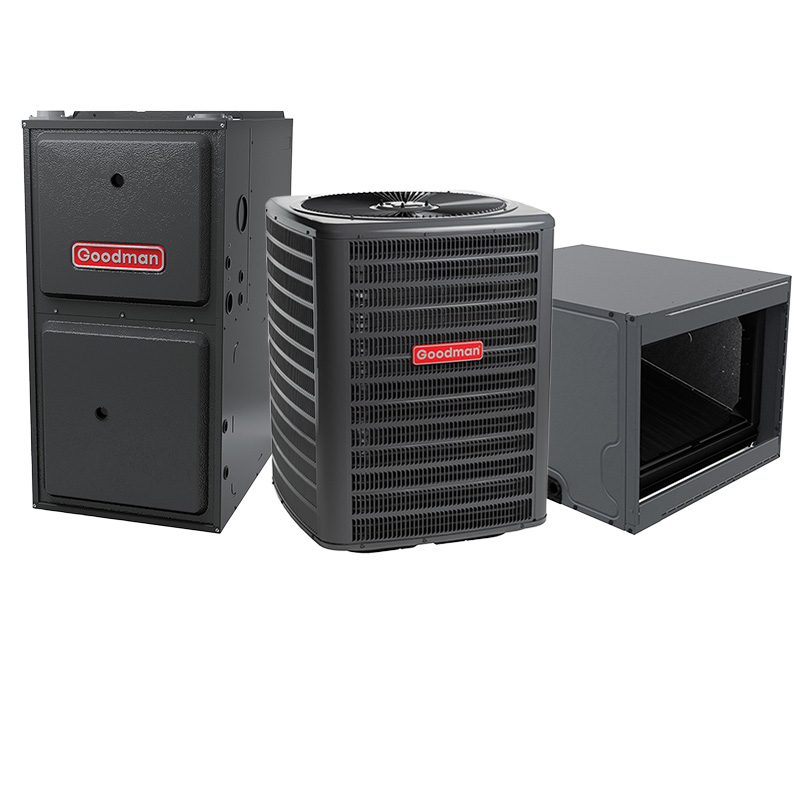
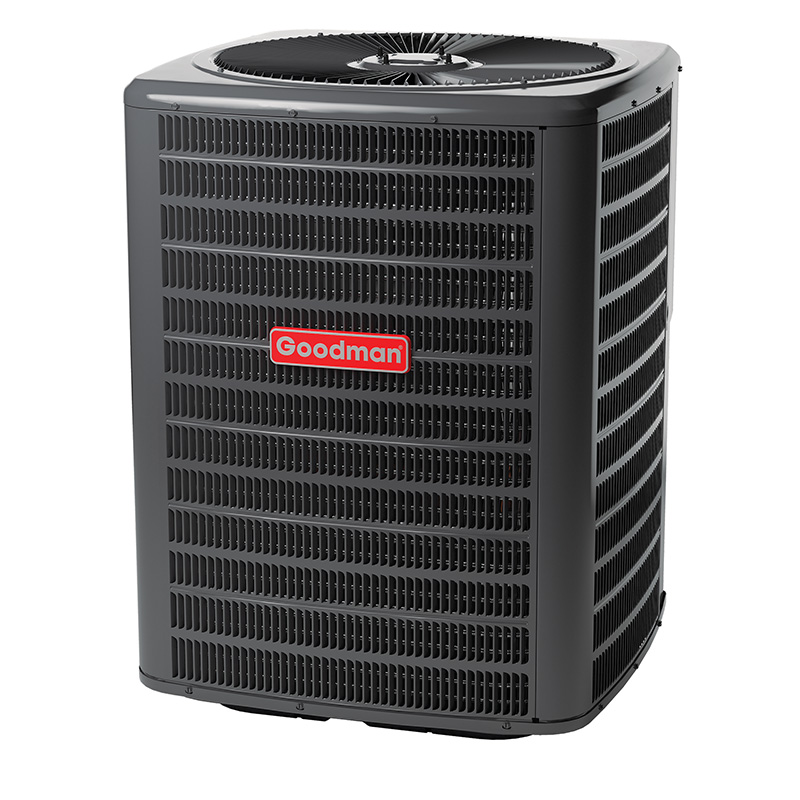
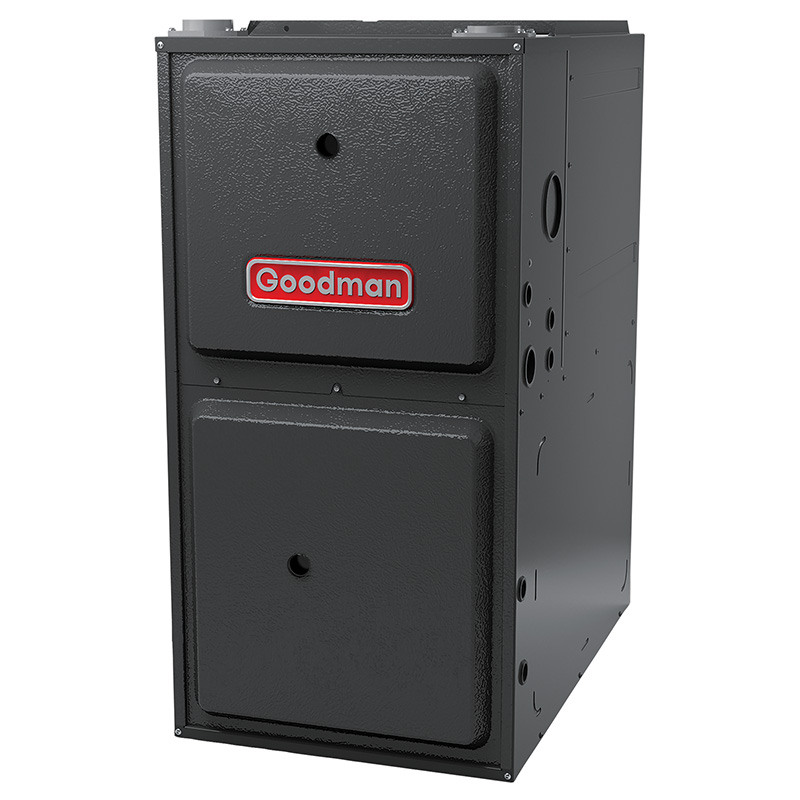
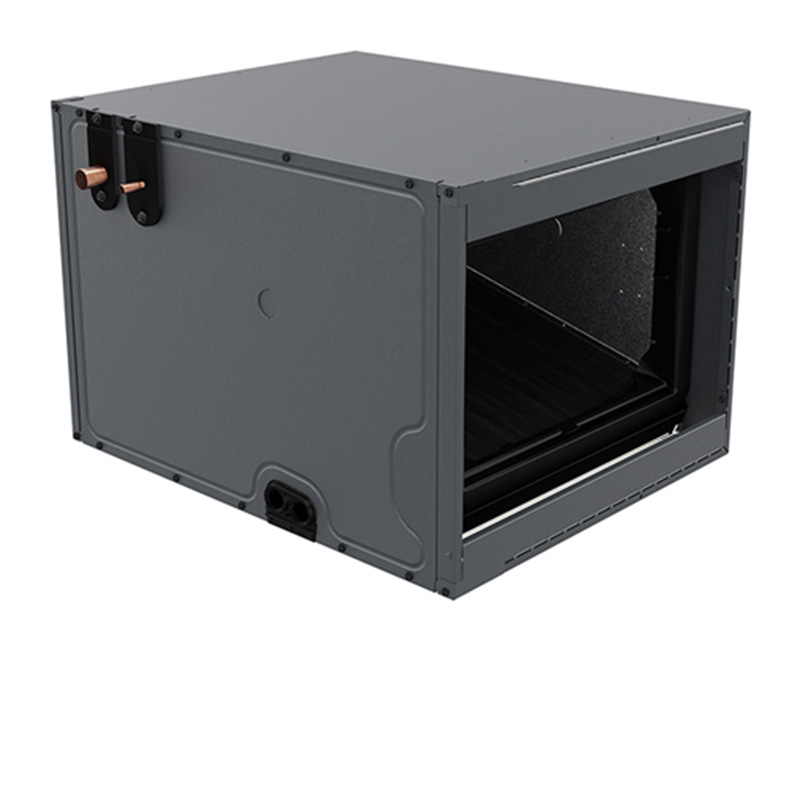
The Goodman 1.5-ton 15.2 SEER2 system pairs a compact R-32 air conditioner with a 60,000 BTU, 96% AFUE multi-speed ECM gas furnace configured for horizontal installation. That horizontal layout is the defining practical detail here: this system is built for attic or crawlspace installations where a vertical unit simply will not fit. The 96% AFUE rating means roughly 96 cents of every dollar in gas goes directly to heat, which places this furnace squarely in the high-efficiency tier and will satisfy the minimum efficiency requirements common in colder climate zones. R-32 refrigerant carries a significantly lower global warming potential than the R-410A it replaces, and it is the direction the industry is moving, so you are not buying into a refrigerant that will become harder to service in coming years.
At 1.5 tons, this system is sized for smaller conditioned spaces, typically homes or additions in the 600 to 900 square foot range, though the right size always depends on a proper Manual J load calculation for your specific structure and climate. The California and Colorado Ultra Low NOx certification matters if you are in one of those regulated regions; without it, many HVAC contractors in those states cannot legally install the unit. The multi-speed ECM blower motor is a meaningful upgrade over a single-speed PSC motor: it ramps airflow more gradually, which improves humidity control, reduces temperature swings, and cuts blower electricity consumption considerably compared to older motor technology. This is a practical, code-compliant package for a specific installation scenario, not a universal fit.
This system delivers a competitive efficiency package at a price point well below comparable Carrier, Trane, and Lennox equipment, making it a reasonable choice for budget-conscious buyers who are replacing equipment in a tight horizontal space and need Ultra Low NOx compliance. The trade-off is a shorter expected compressor lifespan and a documented pattern of component failures after year seven that owners of premium brands report less frequently. The value case holds up best when installation is handled by an experienced technician who gets the refrigerant charge and coil connections right the first time.
Overall score is the average of the five ratings above.
What we like
- Priced roughly 15 to 25 percent below Carrier, Trane, and Lennox systems at comparable efficiency
- 96% AFUE furnace delivers genuine high-efficiency heating and reduces monthly gas costs compared to 80% AFUE equipment
- R-32 refrigerant is forward-looking and easier to source as the industry transitions away from R-410A
- Ultra Low NOx certification removes a significant compliance barrier in California and Colorado
- ECM blower motor meaningfully lowers blower electricity consumption and softens temperature swings versus single-speed motors
Trade-offs
- Compressor lifespan averages 10 to 14 years based on owner experience, compared to 15 to 20 years reported for premium brands
- Dual-run capacitors are the most commonly documented failure point, typically showing up before year ten and adding unplanned service costs
- A minority of owners report refrigerant leaks in the first year, which usually points to install or charge issues rather than a manufacturing defect but still means a service call
- Evaporator coil leaks appear in a notable share of long-term owner reviews and can be a costly repair outside the warranty window
What homeowners and pros say about Goodman
Goodman holds a ConsumerAffairs rating of around 2.5 out of 5, though that channel draws heavily from owners who had problems and felt strongly enough to write about them. The recurring pattern in those reviews is not early catastrophic failure but rather rising repair costs after roughly year seven, particularly around the documented weak points: dual-run capacitors, evaporator coil integrity, and compressor longevity averaging 10 to 14 years rather than the 15 to 20 years owners of premium brands tend to report. Google dealer reviews paint a more balanced picture at around 3.8 out of 5, where affordability is the praise that appears most consistently. For this specific horizontal system, the R-32 refrigerant and Ultra Low NOx certifications are newer-generation details that address real regulatory and environmental concerns, and the ECM blower motor is a genuine functional upgrade rather than a marketing distinction.
HVAC technicians who work on Goodman equipment regularly tend to offer a consistent take: the systems are not poorly engineered, but they reward careful installation and punish shortcuts. Refrigerant charge accuracy, proper coil connections, and commissioning thoroughness matter more with value-tier equipment than with premium brands that carry more built-in tolerance for minor installation variation. The first-year refrigerant leak reports that appear in owner reviews are almost universally traced back to install or charge issues rather than factory defects, which underscores that point. For a 1.5-ton horizontal application in a regulated NOx district, this Goodman package gives you a code-compliant, energy-efficient starting point at a lower upfront cost, with the understanding that the long-term cost picture depends heavily on who puts it in and how well you keep up with maintenance calls.
Sources: ConsumerAffairs Goodman owner reviews, AHRI Directory of Certified Product Performance, U.S. DOE appliance and equipment efficiency standards, Goodman product specification sheets.
What it costs to run
At 15.2 SEER2, cooling this 1.5-ton system for a typical 1200-hour cooling season at the U.S. average electricity rate of $0.17/kWh works out to roughly $242 per year in cooling, about $32 less per year than a minimum-efficiency 13.4 SEER2 unit of the same size. Your real cost depends on your climate and local rate.
Method: (18,000 BTU/hr ÷ 15.2 SEER2) × 1200 hours ÷ 1000 × $0.17/kWh. Rate source: U.S. EIA average; cooling hours: moderate-climate estimate.
How it compares
| Brand | Comparable model | SEER2 | Stage | Price position |
|---|---|---|---|---|
| Goodman | 1.5T 15.2 SEER2 R-32 with 60k BTU 96% AFUE Horizontal Multi-Speed ECM | 15.2 | Single-stage / Multi-speed ECM | Value pick |
| Carrier | Comfort 24ACC6 / 58CVA furnace (horizontal-capable pairing) | 15.2 | Single-stage | Typically 15 to 25 percent more than this Goodman package |
| Trane | XR15 / S9X2 furnace (horizontal-capable pairing) | 15.0 to 15.5 | Single-stage | Typically 15 to 25 percent more than this Goodman package |
| Lennox | ML15XC1 / ML296V furnace (horizontal-capable pairing) | 15.2 | Single-stage | Typically 15 to 25 percent more than this Goodman package |
Competitor rows are comparable single-stage units at similar efficiency; price is relative position, not a quote.
Questions about this system
Why does this system specify horizontal installation and can I install it vertically instead?
The coil and cabinet on this unit are configured specifically for horizontal airflow, which suits attic or crawlspace applications where the air handler lies on its side. Using a horizontal-configured unit in a vertical application is generally not recommended and can cause condensate drainage problems. If you need vertical installation, you would need a different cabinet configuration from the same product family.
Is 1.5 tons enough for my home, or should I size up?
Tonnage should always be determined by a Manual J load calculation based on your home's square footage, insulation, window area, local climate, and other factors. In many climates, 1.5 tons is appropriate for conditioned spaces in the roughly 600 to 900 square foot range, but over-sizing or under-sizing hurts both comfort and efficiency. Ask your installer to perform or provide the load calculation before committing to this size.
What does the Ultra Low NOx certification actually mean, and do I need it?
Ultra Low NOx certification means the furnace meets strict limits on nitrogen oxide emissions set by air quality management districts in California and certain Colorado jurisdictions. If you are in a covered district, your contractor is legally required to install a compliant unit; without this certification, the installation may fail inspection. If you are outside those regions, the certification does not affect performance but also does not hurt anything.
The capacitor failure rate sounds frequent. How worried should I be and what does a fix cost?
Dual-run capacitor failure is the single most commonly reported repair on Goodman equipment, but it is also one of the least expensive HVAC repairs, typically running in the 300 to 600 dollar range including labor. Many homeowners in regions with hot summers proactively replace capacitors every several years as low-cost maintenance. It is worth budgeting for this repair in your ownership plan rather than treating it as a surprise.
How does R-32 affect serviceability compared to R-410A that most technicians are used to?
R-32 requires technicians to use equipment rated for its slightly higher operating pressures and to follow updated safety procedures, since R-32 is mildly flammable. The refrigerant is not exotic and is widely stocked, but you should confirm your servicing contractor is certified and equipped for R-32 work before the first maintenance visit. As the industry transitions, R-32 familiarity among technicians is increasing rapidly.
Specifications
| Cooling capacity | 1.5 Ton |
| Efficiency | 15.2 SEER2 |
| Furnace output | 60,000 BTU |
| Furnace efficiency | 96% AFUE |
| Configuration | Horizontal |
| Refrigerant | R-32 |