Goodman 1.5 Ton 15.2 SEER2 Dual Fuel Heat Pump & Gas Furnace Hybrid System – Modulating Variable-Speed, 60000 BTU Gas Furnace, 97% AFUE, Horizontal, R32
View on AC Direct see your lowest price →Check current price on AC Direct →
Key features
- Dual-fuel hybrid design automatically switches between heat pump and 97% AFUE gas furnace based on outdoor conditions
- Variable-speed modulating operation on both blower and compressor for quieter, steadier comfort
- 15.2 SEER2 cooling efficiency meets current federal minimums with moderate energy savings
- R-32 refrigerant with lower global warming potential than legacy R-410A
- Horizontal cabinet orientation designed for attic or crawlspace installations
- 1.5-ton capacity suited to smaller conditioned spaces, roughly 500 to 700 square feet depending on climate and insulation
About this system
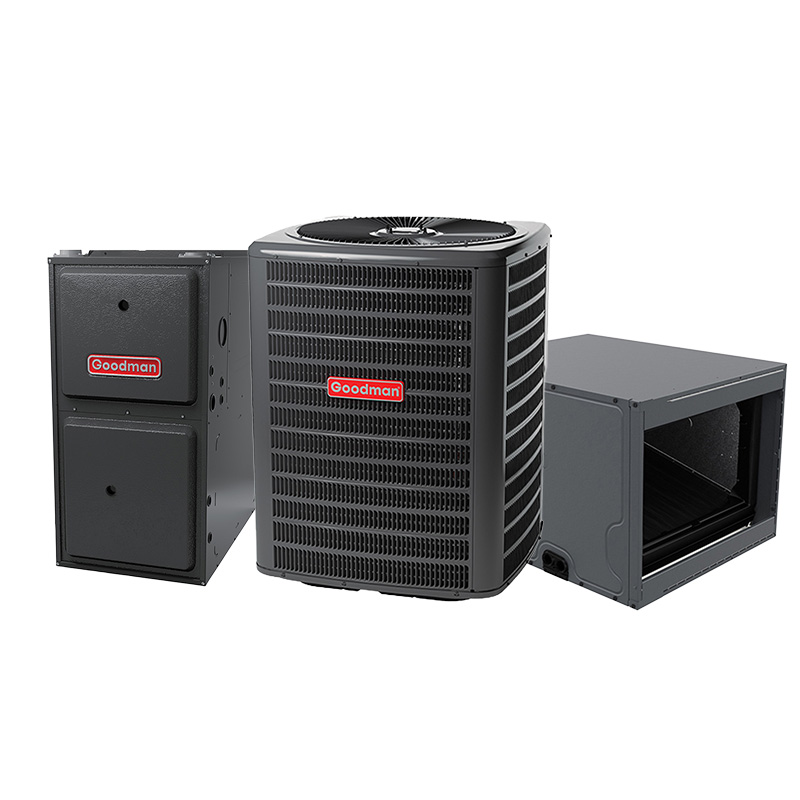
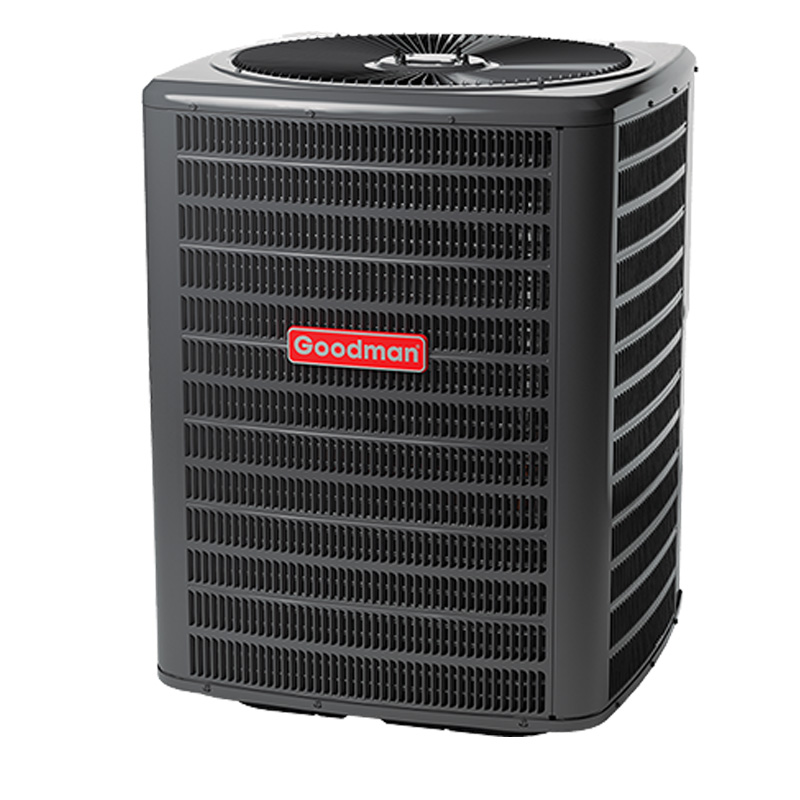
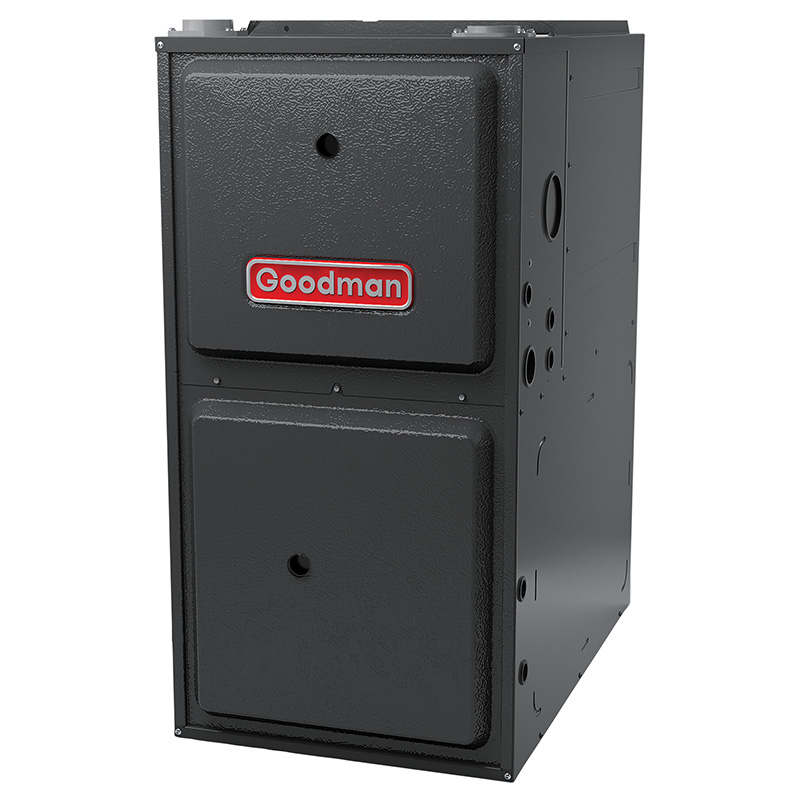
The Goodman GLZS4BA1810 is a 1.5-ton hybrid dual-fuel system that pairs a variable-speed, modulating heat pump with a 60,000 BTU, 97% AFUE gas furnace in a horizontal configuration. That combination gives the system two heating modes: the heat pump handles mild weather efficiently, while the gas furnace takes over when outdoor temperatures drop below the heat pump’s economic crossover point. The result is year-round heating that leans on electricity when it’s cheap and gas when it’s cold, which can produce real utility savings in climates with distinct seasons and moderate winters.
At 15.2 SEER2 the cooling efficiency sits at the lower end of what qualifies as high-efficiency today, clearing current federal minimums but leaving room above it. The 97% AFUE furnace is genuinely strong and puts this system near the top of the gas-efficiency ladder. R-32 refrigerant is a meaningful upgrade over the legacy R-410A it replaces, carrying a lower global warming potential and slightly better thermodynamic properties. The horizontal configuration limits installation to attic or crawlspace applications where vertical orientation is not feasible, so confirming your mechanical space before purchase is essential. Variable-speed operation on both the blower and compressor supports quieter cycling, steadier indoor temperatures, and better dehumidification than single-stage equipment.
This system suits budget-conscious homeowners in mixed-climate zones who want a high-AFUE furnace backstop without paying premium-brand prices. It is not the right pick for someone who wants the lowest possible long-term maintenance cost or who lives in an extreme-cold climate where the gas furnace will dominate nearly all winter operation.
The GLZS4BA1810 delivers genuine value for a homeowner who needs dual-fuel hybrid capability and a high-AFUE furnace without a premium-brand price tag. The 97% AFUE rating is a real strength, and variable-speed operation adds comfort benefits that single-stage equipment cannot match at this price point. However, Goodman's documented reliability record and install-sensitivity mean the long-term cost equation depends heavily on who puts it in and how well it is maintained.
Overall score is the average of the five ratings above.
What we like
- 97% AFUE furnace is among the most efficient gas ratings available, reducing heating fuel costs meaningfully
- Dual-fuel logic allows the system to use whichever energy source is more economical at a given outdoor temperature
- Variable-speed modulating components improve dehumidification and temperature consistency versus single-stage alternatives
- R-32 refrigerant is lower-impact environmentally and is increasingly supported by technicians in the field
- Priced roughly 15 to 25 percent below comparable Trane, Lennox, and Carrier dual-fuel systems, making hybrid technology accessible at a lower entry cost
Trade-offs
- Dual-run capacitor failures are the most frequently reported repair on Goodman equipment, typically a 300 to 600 dollar fix but an annoyance that appears more often than on premium brands
- Evaporator coil leaks appear in a meaningful share of owner reviews, a failure mode that can be costly and disruptive
- Compressor lifespan averages 10 to 14 years on Goodman units versus 15 to 20 years on premium competitors, affecting long-run cost calculations
- 15.2 SEER2 is entry-level high-efficiency; buyers in hot climates or those seeking maximum cooling savings should consider higher-SEER2 options
What homeowners and pros say about Goodman
Homeowners who leave reviews on ConsumerAffairs rate Goodman equipment at around 2.5 out of 5, a score pulled down by a recurring theme of rising repair costs after roughly the seventh year of ownership. That channel skews toward people who are frustrated enough to write something, so it is not a neutral sample, but the pattern of post-warranty repair frequency is consistent enough to take seriously. Google reviews aggregated across Goodman dealers land closer to 3.8 out of 5, where the most common praise is that the equipment delivered reasonable performance at a price point that competing brands could not match. The picture that emerges is a brand that does what it promises at the time of purchase but asks more of its owners in parts and service over a full lifespan.
HVAC technicians who work on Goodman equipment in the field point to dual-run capacitor failure as the most predictable maintenance item, a repair that runs 300 to 600 dollars and comes up more frequently than on premium equipment. Evaporator coil leaks are a documented concern in owner reports, and compressor lifespan on Goodman units tends to average 10 to 14 years against the 15 to 20 years technicians commonly associate with Trane, Carrier, and Lennox compressors. Pros consistently note that installation quality is the single biggest variable in how long any Goodman unit lasts, meaning a careful, experienced installer can significantly narrow the gap between this system and premium alternatives, while a rushed or inexperienced install can accelerate every one of those failure modes.
Sources: ConsumerAffairs Goodman owner reviews, AHRI Directory of Certified Product Performance, U.S. DOE appliance and equipment efficiency standards, Goodman product specification sheets.
What it costs to run
At 15.2 SEER2, cooling this 1.5-ton system for a typical 1200-hour cooling season at the U.S. average electricity rate of $0.17/kWh works out to roughly $242 per year in cooling, about $32 less per year than a minimum-efficiency 13.4 SEER2 unit of the same size. Your real cost depends on your climate and local rate.
Method: (18,000 BTU/hr ÷ 15.2 SEER2) × 1200 hours ÷ 1000 × $0.17/kWh. Rate source: U.S. EIA average; cooling hours: moderate-climate estimate.
How it compares
| Brand | Comparable model | SEER2 | Stage | Price position |
|---|---|---|---|---|
| Goodman | GLZS4BA1810 | 15.2 | Variable / Modulating | Value pick |
| Carrier | Performance Series Dual Fuel (25HCB / 59MN7) | 15 to 16 | Two-stage | Typically 15 to 25 percent more than Goodman |
| Trane | XR15 Dual Fuel with S9V2 Furnace | 15 to 16 | Two-stage | Typically 15 to 25 percent more than Goodman |
| Lennox | Merit Series ML14XC1 Dual Fuel with ML196E Furnace | 15 to 16 | Single-stage to two-stage | Typically 15 to 25 percent more than Goodman |
Competitor rows are comparable single-stage units at similar efficiency; price is relative position, not a quote.
Questions about this system
How does the dual-fuel system decide when to run the heat pump versus the gas furnace?
The system uses a balance-point temperature, typically set during installation between 30 and 40 degrees Fahrenheit, below which the gas furnace takes over from the heat pump. Your installer should program this crossover point based on your local utility rates and climate so you are always using the cheaper energy source for conditions at that moment.
Is a 1.5-ton unit large enough for my home?
A 1.5-ton system is generally appropriate for conditioned spaces in the 500 to 700 square foot range, though the right size depends heavily on your climate, ceiling height, insulation levels, and window area. You should ask your installer to perform a Manual J load calculation before purchase rather than relying on rule-of-thumb estimates, because an oversized or undersized unit will underperform regardless of equipment quality.
What does the horizontal configuration mean and does it affect performance?
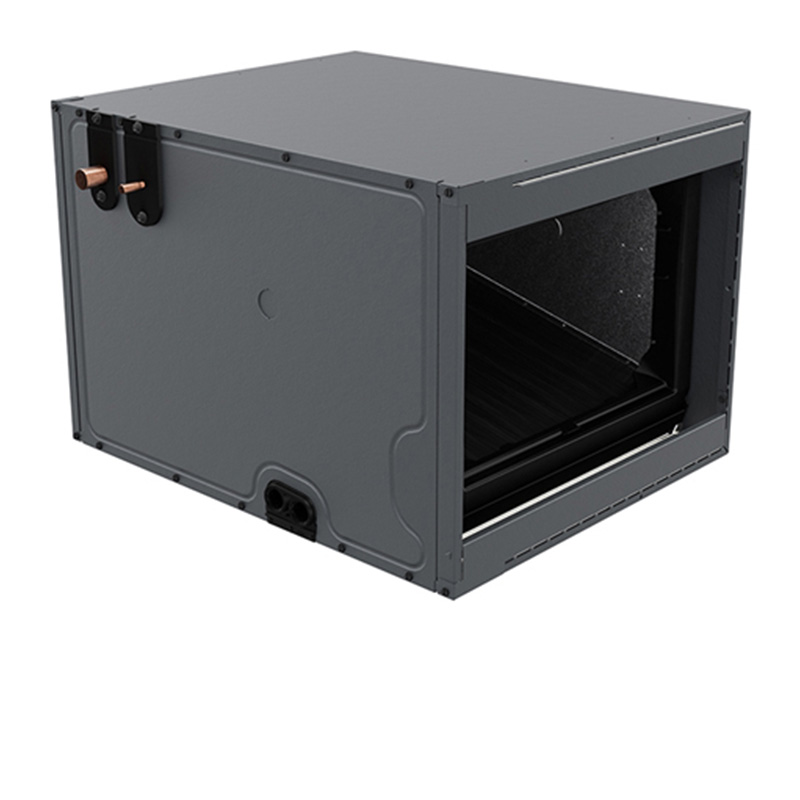
Horizontal means the air handler cabinet is oriented on its side, which is how attic and some crawlspace installations are typically set up. The configuration itself does not affect rated efficiency or capacity, but it does mean this specific cabinet cannot be installed in a vertical upflow or downflow orientation, so it is not a good fit for closet or basement installations.
What are the most common repairs on Goodman systems and what do they cost?
Dual-run capacitor failures are the most frequently reported issue and typically cost between 300 and 600 dollars to fix, parts and labor included. Evaporator coil leaks are documented in a meaningful share of owner reviews and are more expensive to address. A minority of owners have also reported refrigerant leaks within the first year, which usually point to installation or initial charge issues rather than a defective unit.
Does the R-32 refrigerant require any special handling or cost more to service?
R-32 is a mildly flammable refrigerant that requires technicians to use certified equipment and follow specific safety procedures during service; not every HVAC technician is currently set up for it, so it is worth confirming your service contractor has R-32 experience before you need a repair call. Refrigerant costs for R-32 are currently comparable to R-410A, and the transition in the industry means technician familiarity is growing quickly.
Specifications
| Cooling capacity | 1.5 Ton |
| Efficiency | 15.2 SEER2 |
| Furnace output | 60000 BTU |
| Furnace efficiency | 97% AFUE |
| Configuration | Horizontal |
| Refrigerant | R-32 |
| Model | GLZS4BA1810 |