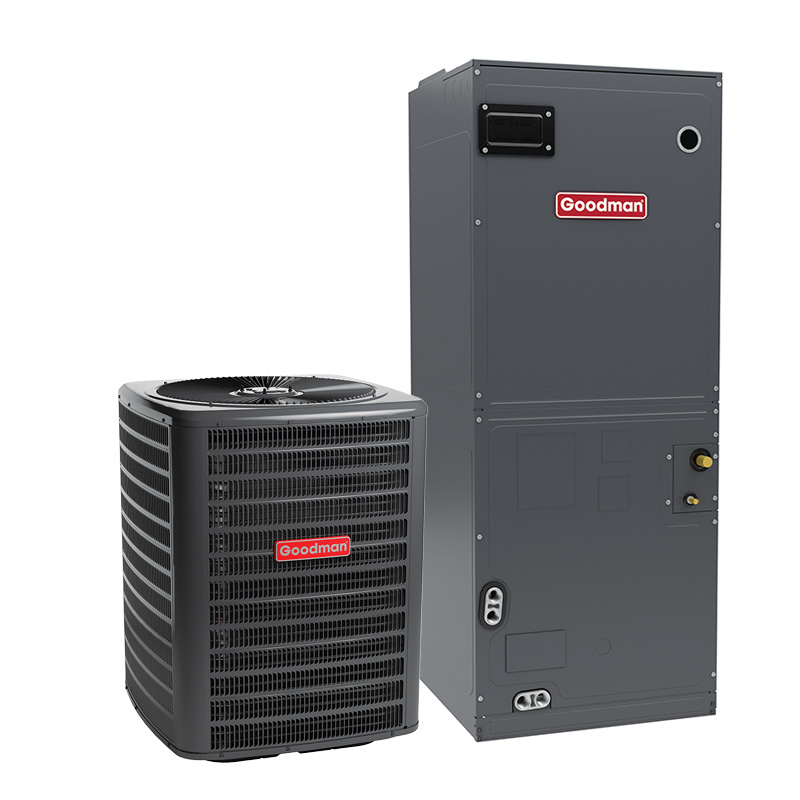
Goodman 1.5 Ton 15 SEER2 R32 Cooling Only Split System With 2 Ton Air Handler
View on AC Direct see your lowest price →Check current price on AC Direct →
Key features
- 1.5-ton cooling capacity paired with a 2-ton air handler cabinet for duct flexibility
- 15 SEER2 efficiency rating meets current federal minimum standards
- R-32 refrigerant with lower global warming potential than R-410A
- Cooling-only configuration suited to warm climates without heating demand
- Single-stage compressor operation for straightforward installation and service
- Goodman factory warranty included, covering compressor and parts
About this system
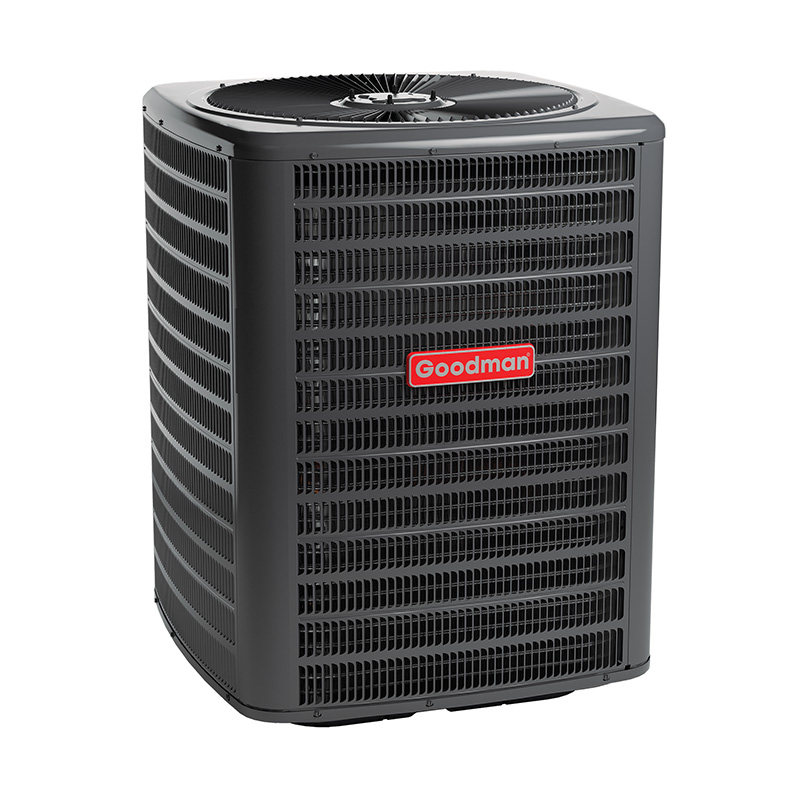
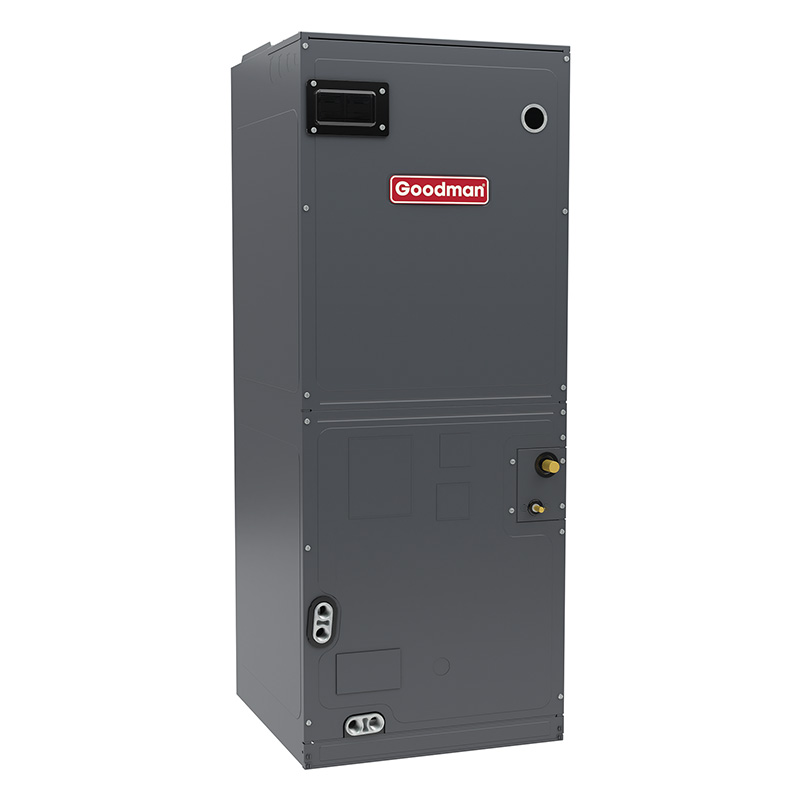
This Goodman 1.5-ton, 15 SEER2 cooling-only split system pairs a compact outdoor condensing unit with a 2-ton air handler, making it a practical choice for smaller homes, condos, additions, or sunrooms in warmer climates where year-round heating is not a priority. The one-size-up air handler (2-ton cabinet with a 1.5-ton coil) gives installers flexibility when ductwork is already sized for a slightly larger unit, though that pairing does require careful attention during commissioning to avoid airflow or capacity mismatches. R-32 refrigerant is the forward-looking choice here: it has a lower global warming potential than R-410A and is increasingly the industry standard as R-22 and R-410A phase down.
A 15 SEER2 rating sits at the entry level of current federal minimum efficiency requirements, which means energy bills will be meaningfully higher over the system’s lifetime compared to a 17 or 19 SEER2 unit. For a 1.5-ton application in a mild climate or a secondary space, that gap narrows because the system runs fewer hours annually, so the payback math on a higher-efficiency unit often does not work out. Buyers who prioritize low upfront cost and have a reliable local HVAC contractor will get the most from this configuration. Those in extreme heat climates or with high cooling loads may want to price out a higher SEER2 option before committing.
This system is a straightforward, budget-accessible cooling solution that makes the most sense for small spaces in mild climates where the lower upfront cost offsets its modest efficiency and the shorter average compressor lifespan relative to premium brands. It is not a set-it-and-forget-it purchase: long-term satisfaction depends heavily on a quality install and a willingness to budget for component repairs, particularly capacitors, after year seven. Buyers who go in with realistic expectations and a good contractor tend to be satisfied; those who expect premium-brand durability at a value-brand price often are not.
Overall score is the average of the five ratings above.
What we like
- Priced 15 to 25 percent below comparable Carrier, Trane, and Lennox systems, lowering the barrier to a new system
- R-32 refrigerant is a future-ready choice as R-410A phases out industry-wide
- 2-ton air handler cabinet adds installation flexibility for homes with existing larger ductwork
- Single-stage design is simple to service and diagnose, keeping repair calls straightforward
- 15 SEER2 efficiency meets federal minimums, adequate for low-runtime applications like smaller additions or secondary spaces
Trade-offs
- Compressor lifespan averages 10 to 14 years versus 15 to 20 years documented for premium brands, meaning earlier replacement costs
- Evaporator coil leaks are a recurring complaint in owner reviews, a failure mode worth monitoring after the first few seasons
- 15 SEER2 is entry-level efficiency; operating costs will be noticeably higher than mid- or high-efficiency alternatives in hot climates with long cooling seasons
- A minority of owners report refrigerant leaks within the first year, typically tied to install quality or charge issues rather than product defects, underscoring how much this brand depends on the installer
What homeowners and pros say about Goodman
Homeowners who post about Goodman online tend to cluster at the extremes. On ConsumerAffairs, where the platform attracts people motivated to write by a frustrating experience, Goodman averages roughly 2.5 out of 5 stars, and the pattern in those complaints is consistent: systems that run without issue for the first several years start generating repair bills around year seven, most often from capacitor failures or refrigerant issues tied to coil leaks. Google dealer reviews tell a more balanced story, averaging around 3.8 out of 5 across hundreds of locations, where the most repeated praise is straightforward: the price made a new system possible for buyers who could not stretch to a premium brand.
HVAC technicians tend to have a pragmatic view of Goodman specific to this type of system. They note that dual-run capacitors are the single most predictable service call on Goodman condensing units and that catching a weakening capacitor during an annual tune-up can prevent a compressor from running under stress. Coil leaks are a documented concern across owner reviews and are worth monitoring, particularly past the five-year mark. Compressor longevity, averaging 10 to 14 years compared to 15 to 20 years for premium brands, is the most significant long-term trade-off against the lower purchase price. Pros consistently say the install quality matters more with Goodman than with any other brand they work on: a properly commissioned, correctly charged system running R-32 will perform as advertised, while a rushed or undercharged install amplifies every vulnerability this brand already carries.
Sources: ConsumerAffairs Goodman owner reviews, AHRI Directory of Certified Product Performance, U.S. DOE appliance and equipment efficiency standards, Goodman product specification sheets.
What it costs to run
At 15 SEER2, cooling this 1.5-ton system for a typical 1200-hour cooling season at the U.S. average electricity rate of $0.17/kWh works out to roughly $245 per year in cooling, about $29 less per year than a minimum-efficiency 13.4 SEER2 unit of the same size. Your real cost depends on your climate and local rate.
Method: (18,000 BTU/hr ÷ 15 SEER2) × 1200 hours ÷ 1000 × $0.17/kWh. Rate source: U.S. EIA average; cooling hours: moderate-climate estimate.
How it compares
| Brand | Comparable model | SEER2 | Stage | Price position |
|---|---|---|---|---|
| Goodman | 1.5 Ton 15 SEER2 R-32 Cooling Only with 2 Ton Air Handler | 15 | Single-stage | Value pick |
| Carrier | Comfort Series (24ACC6) | 15-16 | Single-stage | Typically 15 to 25 percent more than Goodman |
| Trane | XR15 | 15-16 | Single-stage | Typically 15 to 25 percent more than Goodman |
| Lennox | Merit Series (13ACX) | 15-16 | Single-stage | Typically 15 to 25 percent more than Goodman |
Competitor rows are comparable single-stage units at similar efficiency; price is relative position, not a quote.
Questions about this system
Why does this system have a 2-ton air handler if the condensing unit is only 1.5 tons?
The 2-ton air handler cabinet is a common configuration that allows the unit to work with existing ductwork sized for a slightly larger system. The evaporator coil inside is matched to the 1.5-ton outdoor unit, but the cabinet and blower can handle the airflow of a 2-ton setup. Your installer needs to verify that static pressure and airflow are set correctly during commissioning, or you risk reduced efficiency and comfort.
Is R-32 refrigerant safe to work with, and will it be available long term?
R-32 is mildly flammable (classified A2L), which means technicians need to follow updated handling procedures, but it is widely used in newer equipment and is considered a safer long-term option than R-410A as regulations tighten. Availability is expanding rapidly as more manufacturers adopt it, so finding a service tech who can handle R-32 should not be a problem in most markets within the next few years.
What are the most likely repair costs I should plan for over the life of this system?
Dual-run capacitors are the most commonly reported failure on Goodman condensing units and typically cost between 300 and 600 dollars to diagnose and replace, usually after year seven or so. Evaporator coil leaks have also shown up in a meaningful share of owner reviews and are a more significant repair. Setting aside a small annual service budget and getting the capacitor checked during each tune-up is a practical way to catch that failure early.
This is a cooling-only system. Can I add a heat strip or heat pump later?
The air handler in this configuration is typically compatible with electric heat strips, which can be added at installation or later if your climate occasionally dips below comfortable temperatures. Converting to a heat pump requires replacing the outdoor condensing unit entirely, so if you anticipate needing heating in the future, it is worth discussing a heat pump system with your contractor before purchasing.
How much will the 15 SEER2 rating affect my electricity bills compared to a higher-efficiency unit?
For a 1.5-ton system in a mild climate or a small secondary space with limited runtime, the annual dollar difference between 15 SEER2 and a 17 or 18 SEER2 unit is often modest enough that it takes many years to recover the higher upfront cost of the more efficient unit. In a hot climate where the system runs eight or more hours daily for six months or more, that efficiency gap becomes more meaningful and the math shifts in favor of a higher SEER2 rating.
Specifications
| Cooling capacity | 1.5 Ton |
| Efficiency | 15 SEER2 |
| Refrigerant | R-32 |