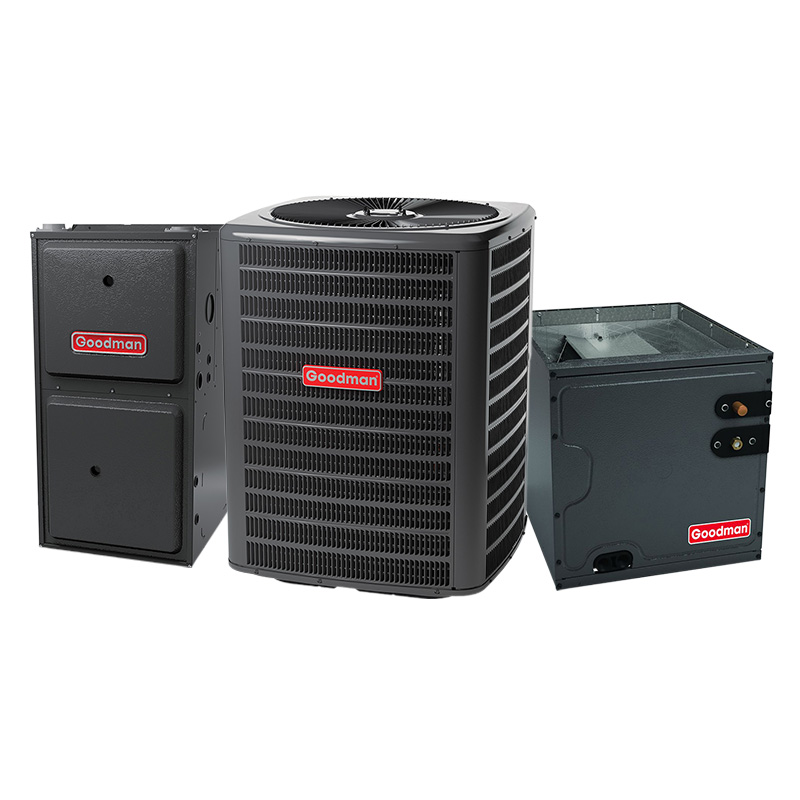
Goodman 1.5 Ton 16 SEER2 AC & Gas Furnace System – Multi-Speed, 60000 BTU Gas Furnace, 92% AFUE, Upflow, R32
View on AC Direct see your lowest price →Check current price on AC Direct →
Key features
- 1.5-ton cooling capacity matched to the 60,000 BTU upflow gas furnace for a factory-warrantied system
- 16 SEER2 efficiency rating exceeds current federal minimums without premium-tier pricing
- 92% AFUE furnace converts 92 cents per gas dollar to heat, suitable for most non-extreme climates
- R-32 refrigerant with lower global warming potential than R-410A; requires R-32-compatible service equipment
- Multi-speed furnace blower provides quieter, more even airflow compared to single-speed units
- Upflow configuration designed for basement or ground-level closet installs with overhead ductwork
About this system
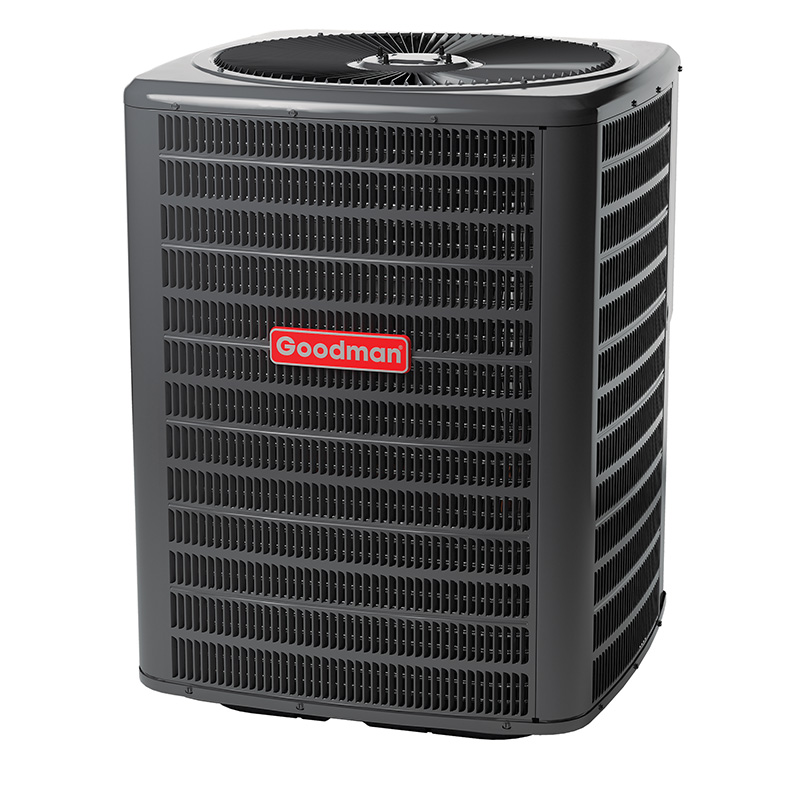
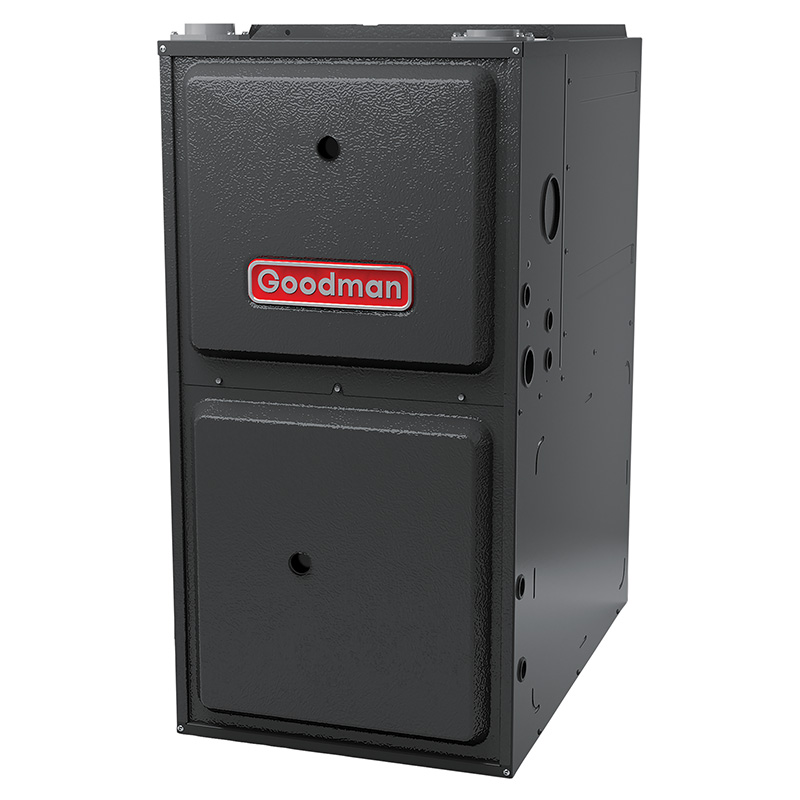
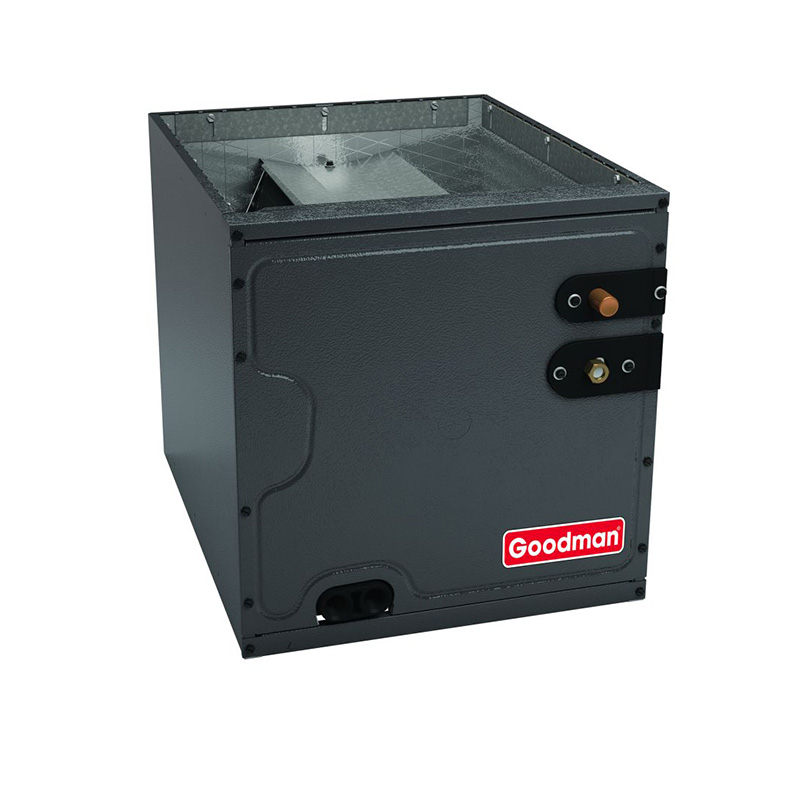
The Goodman GLXS5BA1810D pairs a 1.5-ton, 16 SEER2 single-stage air conditioner with a 60,000 BTU, 92% AFUE upflow gas furnace into a matched system sized for smaller homes and conditioned spaces typically ranging from 600 to 900 square feet, depending on climate and insulation. The 16 SEER2 rating clears the federal minimum by a comfortable margin without reaching the premium efficiency tier, which keeps the purchase price down while still delivering noticeable savings over older 13 or 14 SEER equipment. The furnace side hits 92% AFUE, meaning 92 cents of every dollar spent on gas converts to usable heat, a solid mid-efficiency figure for most climates outside the coldest northern zones.
R-32 refrigerant is a meaningful spec upgrade over the older R-410A systems still common on the market. R-32 has a lower global warming potential and is easier to reclaim and recycle, and it operates at slightly different pressures, so any technician servicing this unit needs to confirm their recovery equipment is R-32 compatible before opening the system. The upflow configuration sends conditioned air upward through the supply plenum, which suits homes with basement or closet installations where ductwork runs overhead. This system suits budget-conscious buyers in moderate climates who want a matched, warrantied system and are working with a licensed installer who knows Goodman equipment.
The GLXS5BA1810D is a competent, honestly priced entry into matched HVAC systems, offering mid-tier efficiency and a usable furnace spec at a cost noticeably below Carrier, Trane, and Lennox equivalents. Its long-term performance depends heavily on installation quality and routine maintenance, and buyers should budget realistically for capacitor replacements and possible coil service in the back half of the warranty period. It is not the most durable option available, but it is one of the more financially accessible ones.
Overall score is the average of the five ratings above.
What we like
- Purchase price runs 15 to 25 percent below comparable systems from Trane, Carrier, and Lennox
- 16 SEER2 delivers genuine efficiency improvement over older minimum-efficiency equipment
- 92% AFUE furnace is a practical mid-efficiency choice for most U.S. climates
- R-32 refrigerant is a forward-looking spec with lower environmental impact than R-410A
- Multi-speed blower improves comfort and reduces temperature swings compared to single-speed furnaces
Trade-offs
- Dual-run capacitors are the most commonly documented failure point, typically surfacing within 5 to 10 years
- Compressor lifespan averages 10 to 14 years versus 15 to 20 years reported for premium brands
- A minority of owners have reported refrigerant leaks in the first year, most tied to installation or initial charge issues rather than the equipment itself
- Evaporator coil leaks appear in a meaningful share of owner reviews and can be a costly mid-life repair if the refrigerant warranty has lapsed
What homeowners and pros say about Goodman
Homeowners who have lived with Goodman equipment reflect the same split visible in the brand’s ratings. On Google dealer reviews Goodman systems average around 3.8 out of 5 stars, with affordability being the most consistent positive note. Buyers who got a careful install from a knowledgeable contractor frequently report years of reliable operation and express satisfaction with the value they received. On ConsumerAffairs, where the audience skews toward people who are already frustrated, the brand sits at roughly 2.5 out of 5, and the pattern that stands out is repair costs accelerating after about year 7, particularly around the evaporator coil and compressor. Neither picture is the full truth on its own.
HVAC technicians in trade forums tend to say that Goodman is not the equipment they would specify for a customer who wants to set it and forget it for 20 years, but that it is not a bad system when it is correctly sized, properly commissioned, and maintained on a regular schedule. The specific failure modes they flag most often are the dual-run capacitor, which is a low-stakes repair in the 300 to 600 dollar range but comes up frequently, and evaporator coil leaks, which can become expensive if they surface after the refrigerant warranty has expired. Compressor longevity is the longer-term question, with most real-world reports landing in the 10 to 14 year range rather than the 15 to 20 years often cited for premium brands. For this 1.5-ton R-32 system, those dynamics are the same: budget well for installation, plan on routine capacitor checks, and factor potential mid-life coil service into your total cost of ownership calculation.
Sources: ConsumerAffairs Goodman owner reviews, AHRI Directory of Certified Product Performance, U.S. DOE appliance and equipment efficiency standards, Goodman product specification sheets.
What it costs to run
At 16 SEER2, cooling this 1.5-ton system for a typical 1200-hour cooling season at the U.S. average electricity rate of $0.17/kWh works out to roughly $230 per year in cooling, about $44 less per year than a minimum-efficiency 13.4 SEER2 unit of the same size. Your real cost depends on your climate and local rate.
Method: (18,000 BTU/hr ÷ 16 SEER2) × 1200 hours ÷ 1000 × $0.17/kWh. Rate source: U.S. EIA average; cooling hours: moderate-climate estimate.
How it compares
| Brand | Comparable model | SEER2 | Stage | Price position |
|---|---|---|---|---|
| Goodman | GLXS5BA1810D | 16 | Single-stage | Value pick |
| Carrier | Comfort 16 series (24ACC6) | 16 | Single-stage | Typically 15 to 25 percent more than Goodman |
| Trane | XR16 series | 16 | Single-stage | Typically 15 to 25 percent more than Goodman |
| Lennox | Merit 16 series (ML16XC1) | 16 | Single-stage | Typically 15 to 25 percent more than Goodman |
Competitor rows are comparable single-stage units at similar efficiency; price is relative position, not a quote.
Questions about this system
Does my HVAC technician need special equipment to service this system since it uses R-32 refrigerant?
Yes. R-32 requires recovery machines and gauges rated for that refrigerant, as it operates at different pressures than R-410A and is mildly flammable at certain concentrations. Before booking service, confirm your technician has R-32-compatible equipment and is familiar with the handling differences.
What is the most common repair I should budget for over the life of this system?
Dual-run capacitor failure is the most frequently reported issue with Goodman AC equipment, and it typically costs between 300 and 600 dollars to fix depending on your market and the service provider. It is generally a quick repair, but setting aside a small maintenance reserve for it in years 5 through 10 is realistic planning.
Is 92% AFUE good enough, or should I step up to a 96% or higher furnace?
For most of the southern two-thirds of the U.S., 92% AFUE is a practical and cost-effective choice. In climates with very long, cold heating seasons, the fuel savings from a 96% or higher unit may eventually offset its higher upfront cost, but for moderate climates the payback period on the upgrade is often quite long.
Will this 1.5-ton system be enough for my 900-square-foot home?
Possibly, but square footage alone is not a reliable sizing guide. A proper Manual J load calculation accounts for ceiling height, insulation levels, window area, orientation, and local climate. An undersized or oversized system causes comfort problems and shortens equipment life, so insist on a load calculation before purchase.
The upflow configuration is listed, but my current system uses a horizontal setup. Can I still use this unit?
Not without the correct cabinet orientation. Upflow units are built to discharge air from the top; using one in a horizontal application requires a furnace rated and configured for that position. Check your existing installation and confirm the replacement matches, or ask your installer about converting the application.
Specifications
| Cooling capacity | 1.5 Ton |
| Efficiency | 16 SEER2 |
| Furnace output | 60000 BTU |
| Furnace efficiency | 92% AFUE |
| Configuration | Upflow |
| Refrigerant | R-32 |
| Model | GLXS5BA1810D |