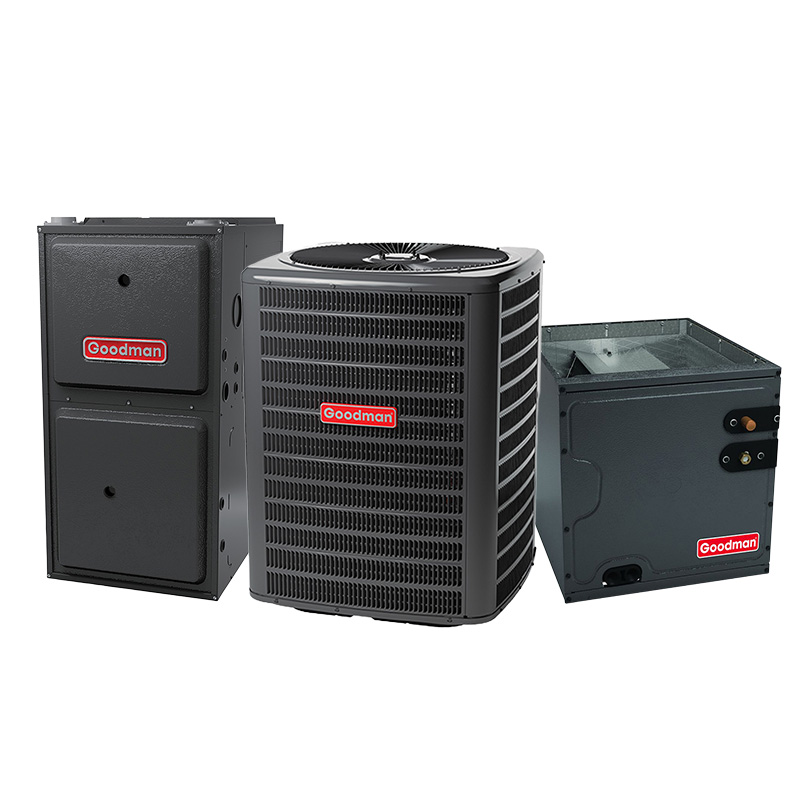
Goodman 1.5 Ton 16 SEER2 AC & Gas Furnace System – Two Stage Variable-Speed, 40000 BTU Gas Furnace, 96% AFUE, Upflow, R32
View on AC Direct see your lowest price →Check current price on AC Direct →
Key features
- Two-stage compressor runs at reduced capacity during mild conditions for better humidity control and fewer on/off cycles
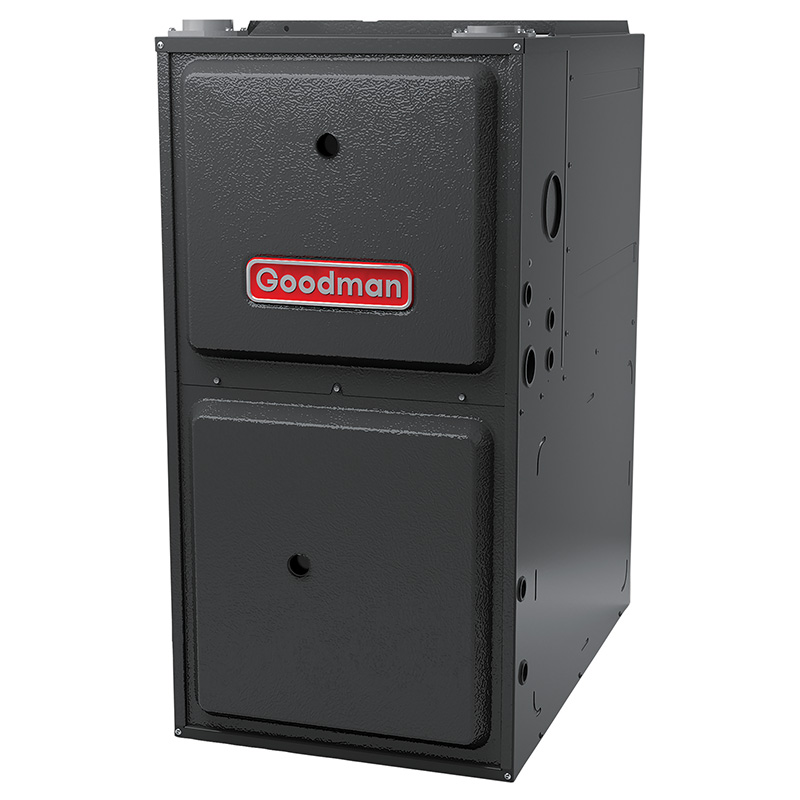
- 96% AFUE upflow gas furnace converts 96 cents of every fuel dollar to heat
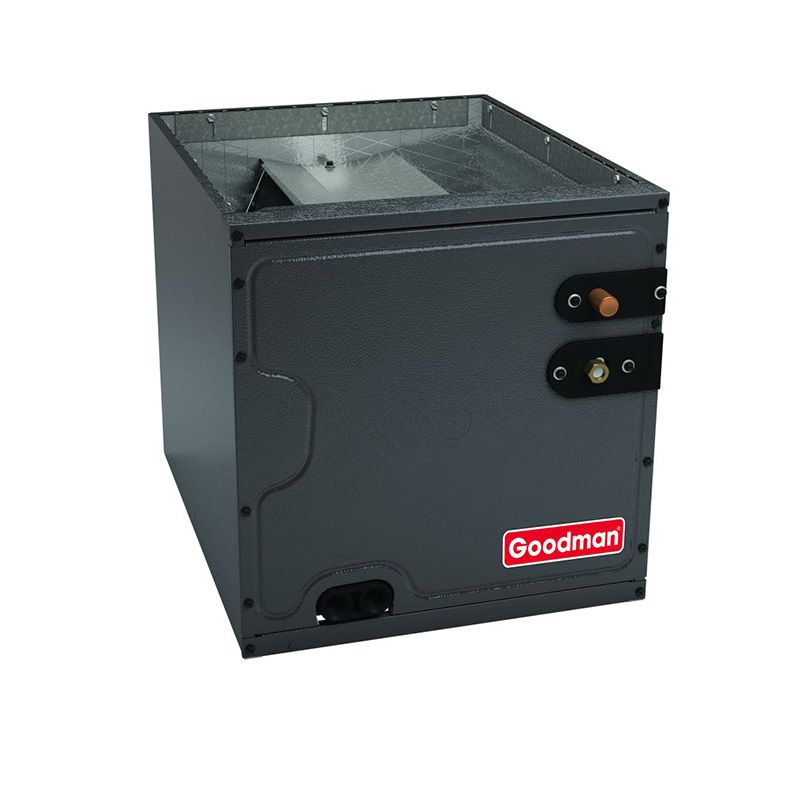
- Variable-speed blower motor delivers quieter, more consistent airflow versus fixed-speed units
- 16 SEER2 efficiency rating meets current federal minimum standards for northern regions and exceeds them in several southern zones
- R-32 refrigerant with lower global-warming potential than outgoing R-410A systems
- Sized for smaller spaces, 1.5-ton cooling and 40,000 BTU heating suits homes roughly 600-to-900 square feet in most climates
About this system
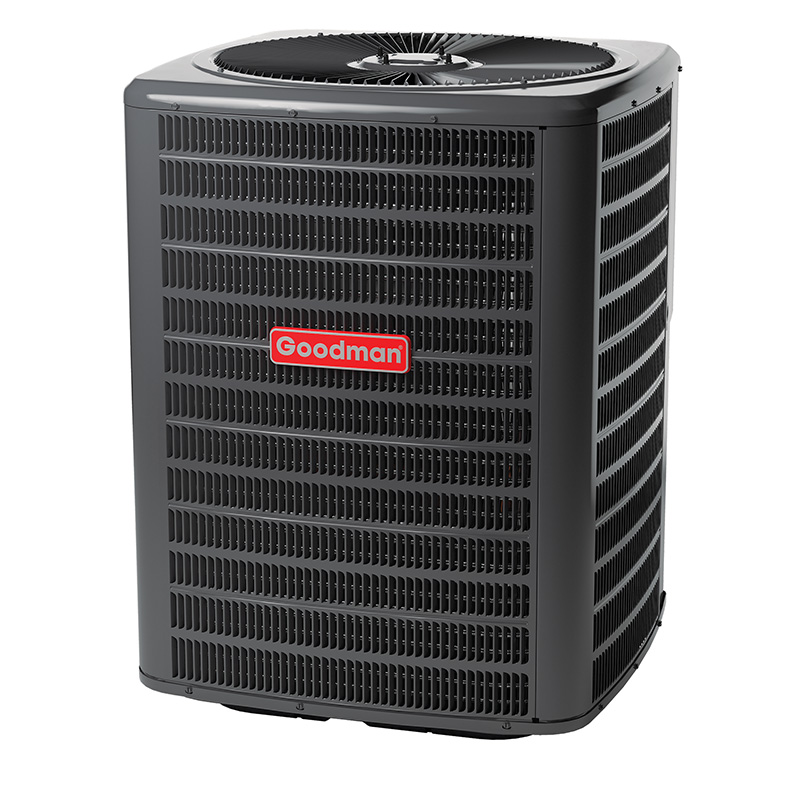
The Goodman 1.5-ton, 16 SEER2 two-stage air conditioner paired with a 40,000 BTU, 96% AFUE upflow gas furnace is a strong fit for smaller homes, condos, and well-insulated bungalows in the 600-to-900 square foot range, particularly where winters are cold enough to justify a high-efficiency gas furnace. The two-stage compressor runs on a lower capacity setting during mild weather, which reduces short-cycling, smooths out humidity control, and trims operating costs compared with a single-stage system at the same SEER2 rating. The variable-speed air handler motor extends that comfort benefit by moving air more quietly and consistently than fixed-speed alternatives.
On the heating side, a 96% AFUE rating means 96 cents of every dollar spent on gas converts to usable heat, putting this furnace in the top efficiency tier for residential gas heating. The upflow configuration suits homes where the furnace sits in a basement or utility closet with ductwork running upward, which covers the majority of single-family installations in cold and mixed climates. R-32 refrigerant has a lower global-warming potential than the R-410A it replaces and is becoming the new baseline for residential systems, so parts and service should remain straightforward for the foreseeable future. Together, these specs deliver a capable, efficient package at a price point that Trane, Lennox, and Carrier equivalents rarely match.
This Goodman bundle delivers genuinely good efficiency and comfort features at a price that undercuts comparable Carrier, Trane, and Lennox systems by 15 to 25 percent, making it a sensible buy for budget-conscious homeowners who prioritize upfront cost and are comfortable with a brand that leans on installation quality and routine maintenance to reach its potential lifespan. The two-stage and variable-speed combination is a real comfort upgrade over entry-level single-stage systems, but buyers should go in knowing that Goodman's owner satisfaction scores trail the premium brands and that compressor longevity averages shorter than the top-tier competition.
Overall score is the average of the five ratings above.
What we like
- Two-stage cooling and variable-speed blower are premium comfort features rarely available at this price point
- 96% AFUE furnace ranks in the top efficiency tier for residential gas heating, supporting meaningful heating-cost savings
- R-32 refrigerant is forward-looking and widely serviceable as the industry transitions away from R-410A
- Upflow configuration is straightforward to install in basements and utility closets, the most common residential setups
- Priced 15 to 25 percent below comparable Trane, Lennox, and Carrier bundles, reducing the time to break even on operating savings
Trade-offs
- Dual-run capacitors are the most commonly reported failure point and, while the repair is usually low-cost ($300 to $600), it is a known recurring issue across the Goodman line
- Evaporator coil leaks appear in a meaningful share of owner reviews and can mean expensive refrigerant recharges or early coil replacement
- Compressor lifespan averages 10 to 14 years, notably shorter than the 15-to-20-year range more commonly reported with premium brands
- A minority of owners report refrigerant leaks within the first year, most traceable to installation or charge issues, which underscores how heavily long-term performance depends on the quality of the installing contractor
What homeowners and pros say about Goodman
Homeowners who have owned Goodman systems tend to split into two camps. Those who had a skilled contractor install the unit, kept up with filter changes, and addressed the small stuff early often report solid multi-year performance and point to the lower purchase price as a clear win. Those who ran into trouble frequently trace their frustrations back to a rushed installation or deferred maintenance, and their accounts match the recurring complaint themes on ConsumerAffairs, where the brand sits around 2.5 out of 5. Dual-run capacitor failures are the most commonly reported issue across the product line and show up in reviews of this configuration too. The repair is usually straightforward and costs $300 to $600, but it happens often enough that owners benefit from knowing the symptom: the system runs but does not cool, or the outdoor fan stops spinning. Evaporator coil leaks are a more serious documented failure mode, and compressor longevity averaging 10 to 14 years is a real gap versus the 15-to-20-year range owners of Carrier, Trane, and Lennox systems more commonly report.
HVAC professionals who work across multiple brands tend to describe Goodman in straightforward terms: the equipment does what the specs say when it is installed correctly, and the price difference versus premium brands is real and significant. Google dealer reviews across Goodman-installing contractors average around 3.8 out of 5, with affordability as the most frequently cited reason for a positive experience. Technicians are quick to note that a minority of first-year refrigerant leak reports are almost always traced to installation or initial charge errors rather than a factory defect, which reinforces the view that contractor selection is as important as the equipment choice itself. For a 1.5-ton two-stage system with a 96% AFUE furnace, getting multiple installation quotes and checking contractor references is not optional advice. It is the single biggest factor in whether this system performs at the top or the bottom of its potential range.
Sources: ConsumerAffairs Goodman owner reviews, AHRI Directory of Certified Product Performance, U.S. DOE appliance and equipment efficiency standards, Goodman product specification sheets.
What it costs to run
At 16 SEER2, cooling this 1.5-ton system for a typical 1200-hour cooling season at the U.S. average electricity rate of $0.17/kWh works out to roughly $230 per year in cooling, about $44 less per year than a minimum-efficiency 13.4 SEER2 unit of the same size. Your real cost depends on your climate and local rate.
Method: (18,000 BTU/hr ÷ 16 SEER2) × 1200 hours ÷ 1000 × $0.17/kWh. Rate source: U.S. EIA average; cooling hours: moderate-climate estimate.
How it compares
| Brand | Comparable model | SEER2 | Stage | Price position |
|---|---|---|---|---|
| Goodman | This system (Two-Stage / Variable-Speed, 96% AFUE bundle) | 16 | Two-stage | Value pick |
| Carrier | Comfort 16 (24ACC6 series) with 96% AFUE Performance furnace | 16 | Single-stage | Typically 15 to 25 percent more than this Goodman bundle |
| Trane | XR16 (4TTR6 series) with S9X2 96% AFUE furnace | 16 | Single-stage | Typically 15 to 25 percent more than this Goodman bundle |
| Lennox | Merit 16ACX series with ML96 96% AFUE furnace | 16 | Single-stage | Typically 15 to 25 percent more than this Goodman bundle |
Competitor rows are comparable single-stage units at similar efficiency; price is relative position, not a quote.
Questions about this system
Is 1.5 tons the right size for my home, and how do I know before buying?
A 1.5-ton unit is generally appropriate for well-insulated spaces in the 600-to-900 square foot range, but the only reliable answer comes from a Manual J load calculation performed by a licensed HVAC contractor. Oversizing causes short-cycling and poor humidity control; undersizing leaves the system running constantly on hot days. Do not rely on square footage rules of thumb alone.
What does the two-stage compressor actually change about day-to-day comfort?
On a mild day, the compressor runs at its lower stage, which means longer, quieter cycles that remove more moisture from the air before the thermostat is satisfied. You get more even temperatures and better humidity control than a single-stage unit that simply switches on at full blast and shuts off quickly. The difference is most noticeable in humid climates.
Goodman gets mixed reviews online. Should I be concerned about reliability?
The brand scores around 2.5 out of 5 on ConsumerAffairs, though that channel tends to attract complaints rather than positive experiences. Google dealer reviews average roughly 3.8 out of 5. The documented weak points are dual-run capacitor failures (usually a quick, low-cost fix), evaporator coil leaks, and a compressor lifespan that averages 10 to 14 years versus 15 to 20 for premium brands. These are real trade-offs, not just noise, and they argue for building a relationship with a reliable local tech who can catch small problems early.
What warranty comes with this system, and what are the conditions?
Goodman typically offers a 10-year parts limited warranty when the equipment is registered online within a set window after installation, and a lifetime heat exchanger warranty on the furnace. Failure to register usually drops the parts coverage to 5 years. The warranty covers parts but not labor, so factor in local labor rates when budgeting for potential repairs.
Can any qualified HVAC contractor install this system, or does it need a Goodman dealer?
Any licensed HVAC contractor can install it, and the upflow configuration is among the most common residential setups, so it is not a difficult job for an experienced tech. That said, because Goodman's performance and longevity are closely tied to install quality, including proper refrigerant charge, duct sizing, and electrical connections, choosing a contractor with strong local references matters more here than it might with a more forgiving premium brand.
Specifications
| Cooling capacity | 1.5 Ton |
| Efficiency | 16 SEER2 |
| Furnace output | 40000 BTU |
| Furnace efficiency | 96% AFUE |
| Configuration | Upflow |
| Refrigerant | R-32 |