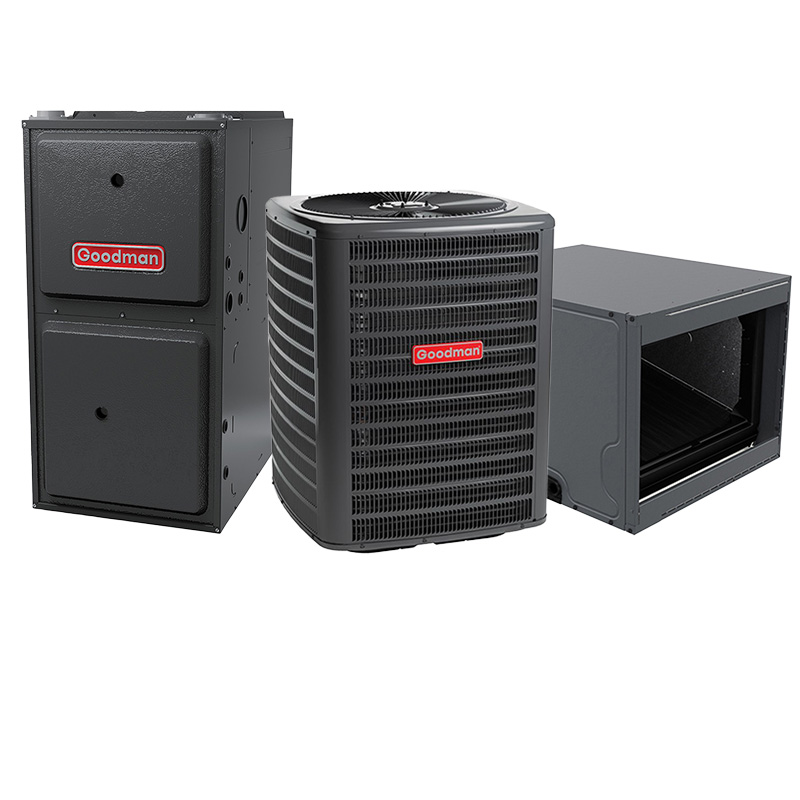
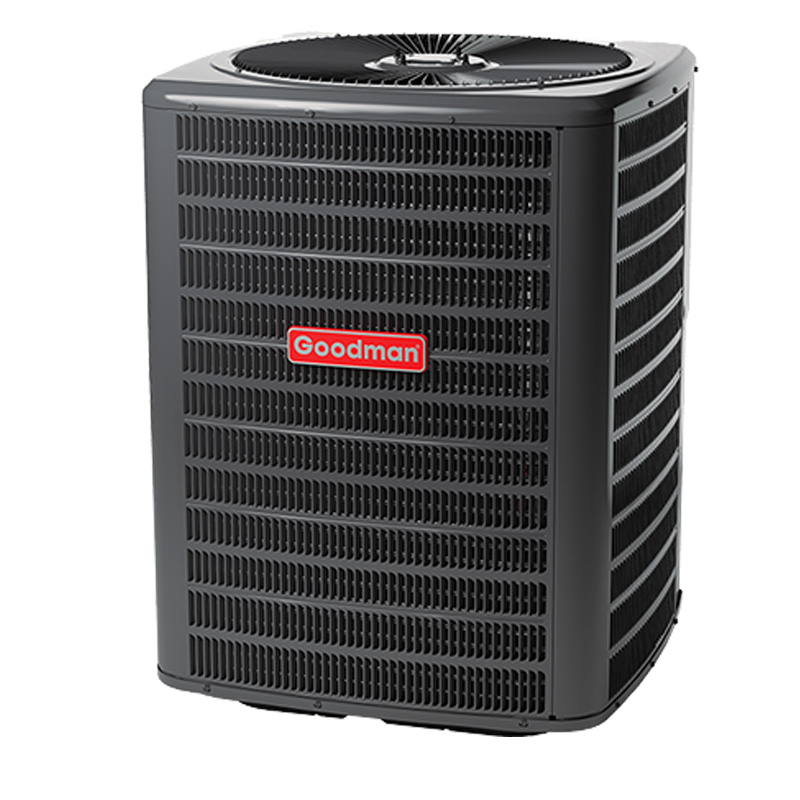
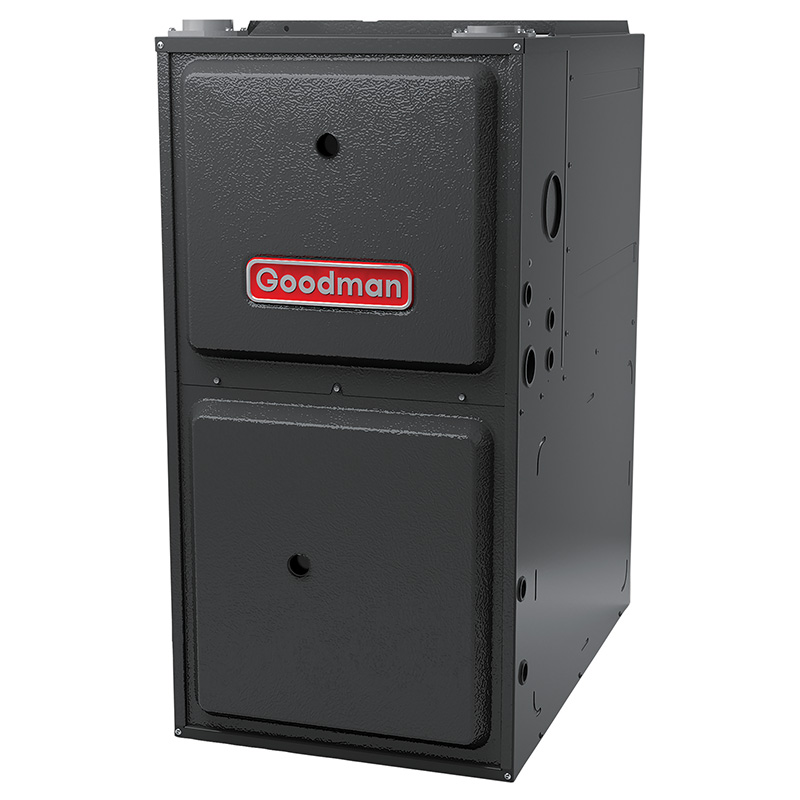
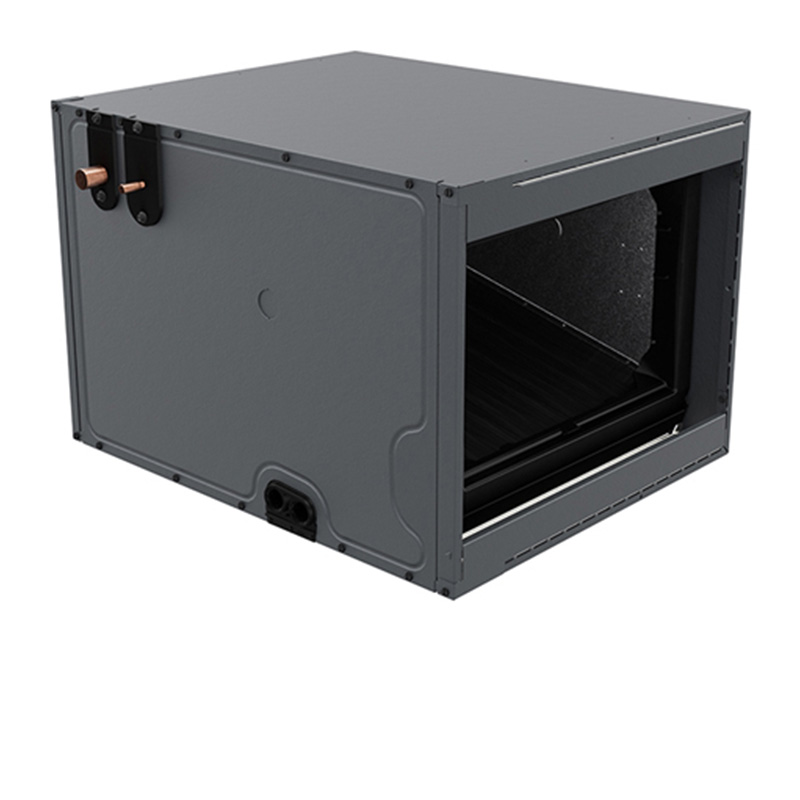
Goodman 1.5 Ton 15.2 SEER2 R32 AC System with 40,000 BTU 96% AFUE Gas Furnace – California & Colorado Ultra Low NOx, Horizontal, Multi-Speed ECM
View on AC Direct see your lowest price →Check current price on AC Direct →
Key features
- 15.2 SEER2 cooling efficiency meets current federal minimums for most U.S. climate zones
- 96% AFUE gas furnace reduces heat waste to roughly 4 cents per dollar of gas burned
- Horizontal airflow configuration designed for attic, crawl space, or side-discharge installations
- R-32 refrigerant with lower global warming potential than legacy R-410A systems
- California and Colorado Ultra Low NOx certified for use in strict air quality jurisdictions
- Multi-speed ECM blower motor improves airflow consistency and supports better dehumidification
About this system
The Goodman 1.5-ton, 15.2 SEER2 R-32 air conditioner paired with a 40,000 BTU 96% AFUE gas furnace is a compact, efficiency-minded system built for smaller homes, conditioned additions, or single-zone applications in the 600 to 900 square foot range depending on local climate and insulation. The horizontal configuration makes it a practical fit for attic installations, crawl spaces, or utility closets where upright units simply will not work. Both the California and Colorado Ultra Low NOx ratings mean this system meets some of the tightest combustion emissions standards in the country, which matters for homeowners in those states and any region trending toward stricter air quality rules.
On the efficiency side, 15.2 SEER2 sits at the entry level of the current federal minimums for most northern regions and just clears the bar for southern and southwestern states, so it is honest about what it is: a baseline-efficient system, not a premium energy saver. The 96% AFUE furnace is a genuine high point, converting 96 cents of every dollar of gas into usable heat, which is meaningful on utility bills during cold months. The multi-speed ECM blower motor improves airflow consistency and dehumidification compared to single-speed motors and contributes to the furnace’s efficiency rating. R-32 refrigerant has a lower global warming potential than the R-410A it replaces, which is increasingly relevant as regulations tighten around refrigerant handling and disposal.
This system delivers solid furnace efficiency and a code-compliant refrigerant transition at a price point well below comparable Carrier, Trane, or Lennox equipment, making it a reasonable choice for budget-conscious buyers who prioritize heating performance in smaller spaces. The 15.2 SEER2 cooling rating is adequate but not impressive, and Goodman's documented track record of capacitor failures and shorter-than-premium compressor lifespans means long-term ownership costs deserve a realistic look. It earns its place as a value pick, not a flagship system.
Overall score is the average of the five ratings above.
What we like
- 96% AFUE furnace is genuinely high-efficiency heating, not just marketing language
- Horizontal configuration opens up installation locations unavailable to standard upright units
- Ultra Low NOx rating satisfies California SCAQMD and Colorado Air Quality Control Commission requirements without an upgrade
- R-32 refrigerant positions the system for longer regulatory compliance than remaining R-410A inventory
- Priced 15 to 25 percent below comparable Carrier, Trane, and Lennox systems for buyers with tighter budgets
Trade-offs
- 15.2 SEER2 is entry-level cooling efficiency; higher SEER2 options exist at modest cost increases from Goodman and competitors
- Dual-run capacitors are the most documented failure point, typically requiring a repair call within the first several years
- Compressor lifespan averages 10 to 14 years versus 15 to 20 years for premium brands, affecting total cost of ownership
- A minority of owners report refrigerant leaks in the first year, most often tied to install quality rather than the unit itself, which underscores the importance of choosing a skilled installer
What homeowners and pros say about Goodman
Owners and technicians who comment on Goodman systems tend to land in two consistent camps. On Google dealer reviews, where Goodman averages around 3.8 out of 5 stars across hundreds of reviews per location, the most repeated praise is straightforward: the systems are affordable and, when a skilled technician installs them correctly, they work as expected. Installers frequently note that Goodman’s pricing makes it accessible for homeowners who might otherwise defer a replacement entirely, which has real-world comfort and safety value. The R-32 transition and the 96% AFUE furnace in this specific configuration earn quiet respect from technicians who appreciate not having to source legacy refrigerant or explain low AFUE costs to clients.
On ConsumerAffairs, where Goodman scores around 2.5 out of 5, the picture is less flattering, though that channel disproportionately captures complaints rather than satisfied owners. The recurring themes are worth taking seriously: dual-run capacitor failures are the most cited repair, typically a manageable fix in the 300 to 600 dollar range but frustrating when it happens more than once. Evaporator coil leaks show up with enough regularity to be a documented pattern, not an isolated complaint. The compressor lifespan averaging 10 to 14 years, compared to 15 to 20 years on premium brands, is the subtler long-term cost that buyers sometimes discover only after a few years of ownership. Technicians who work on Goodman units regularly are generally pragmatic about it: the equipment is what it is at the price it is, install quality is the biggest variable in how the story ends, and this horizontal Ultra Low NOx configuration narrows the buyer pool to exactly the people who need it.
Sources: ConsumerAffairs Goodman owner reviews, AHRI Directory of Certified Product Performance, U.S. DOE appliance and equipment efficiency standards, Goodman product specification sheets.
What it costs to run
At 15.2 SEER2, cooling this 1.5-ton system for a typical 1200-hour cooling season at the U.S. average electricity rate of $0.17/kWh works out to roughly $242 per year in cooling, about $32 less per year than a minimum-efficiency 13.4 SEER2 unit of the same size. Your real cost depends on your climate and local rate.
Method: (18,000 BTU/hr ÷ 15.2 SEER2) × 1200 hours ÷ 1000 × $0.17/kWh. Rate source: U.S. EIA average; cooling hours: moderate-climate estimate.
How it compares
| Brand | Comparable model | SEER2 | Stage | Price position |
|---|---|---|---|---|
| Goodman | 1.5 Ton 15.2 SEER2 R-32 with 40,000 BTU 96% AFUE Horizontal Multi-Speed ECM | 15.2 | Single-stage | Value pick |
| Carrier | Comfort 15 (24ACC6 series) | 15.2 | Single-stage | 10 to 20 percent above this Goodman system |
| Trane | XR15 series | 15.0–15.5 | Single-stage | 15 to 25 percent above this Goodman system |
| Lennox | Merit ML15 series | 15.0–15.5 | Single-stage | 15 to 25 percent above this Goodman system |
Competitor rows are comparable single-stage units at similar efficiency; price is relative position, not a quote.
Questions about this system
Does this system actually qualify for the California SCAQMD Ultra Low NOx rules, and do I need any additional paperwork?
Yes, this unit carries the Ultra Low NOx certification required by the South Coast AQMD and similar Colorado districts, so it can be legally installed in those jurisdictions without an exemption. Your installer should pull the appropriate permits and include the equipment model number on the compliance documentation, which is standard practice.
Why does horizontal configuration matter, and can this unit be installed vertically if the space allows?
Horizontal models are engineered specifically for installations where the air handler must lie on its side, such as in low-clearance attics or crawl spaces. Most horizontal units are not approved for upright vertical installation; check the specific model's installation manual, but in general you should select a vertical or multi-position unit if an upright install is planned.
Is 1.5 tons enough cooling for my home, and what square footage does that typically cover?
A rough rule of thumb is 400 to 600 square feet per ton in a well-insulated home in a moderate climate, putting a 1.5-ton system in the 600 to 900 square foot range. Local climate, ceiling height, window area, and insulation quality all shift that number significantly, so a Manual J load calculation from your installer is the only reliable way to confirm proper sizing.
What should I know about R-32 refrigerant compared to the R-410A systems I have been researching?
R-32 has roughly one-third the global warming potential of R-410A, which is why manufacturers are transitioning to it ahead of regulatory deadlines. It is mildly flammable (A2L classification), so technicians handling it need specific training and tools, but code-compliant installations account for this. Finding a qualified service technician in most markets is not a barrier today, though it was more of a concern in very early R-32 rollouts.
Goodman's online reviews mention repair costs rising after year 7. What failures are most common and how expensive are they?
The most frequently reported failure is the dual-run capacitor, which typically costs between 300 and 600 dollars to diagnose and replace and is considered a routine HVAC repair. Evaporator coil leaks appear in a meaningful share of owner reviews and are more expensive to address. Compressor failures, while not the most common issue in the early years, tend to occur sooner than on premium brands, averaging 10 to 14 years versus 15 to 20, which factors into any realistic cost-of-ownership comparison.
Specifications
| Cooling capacity | 1.5 Ton |
| Efficiency | 15.2 SEER2 |
| Furnace output | 40,000 BTU |
| Furnace efficiency | 96% AFUE |
| Configuration | Horizontal |
| Refrigerant | R-32 |