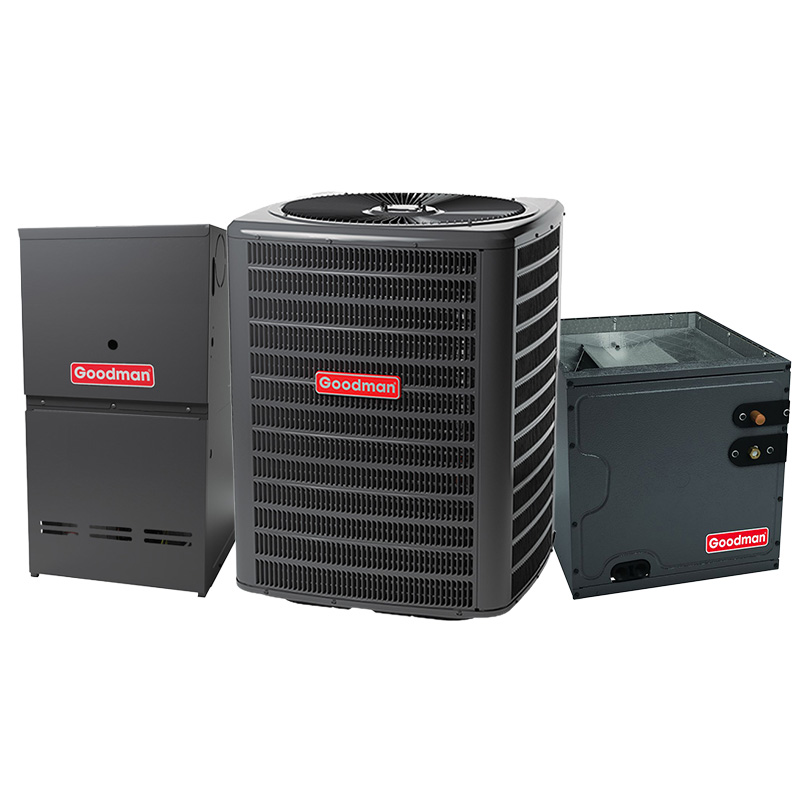
Goodman 1.5 Ton AC And 40000 BTU 80% AFUE Gas Furnace System | 14.5 SEER2 AC | Multi-Speed ECM Low NOx Furnace | Downflow | R32
View on AC Direct see your lowest price →Check current price on AC Direct →
Key features
- 14.5 SEER2 cooling efficiency meets current federal minimums for most U.S. regions
- 40,000 BTU 80% AFUE gas furnace with multi-speed ECM blower motor
- Downflow configuration for attic or overhead air handler installations
- R-32 refrigerant with lower global warming potential than R-410A
- Low NOx burner meets California and other strict regional emissions requirements
- Value pricing typically 15 to 25 percent below Trane, Lennox, and Carrier equivalents
About this system
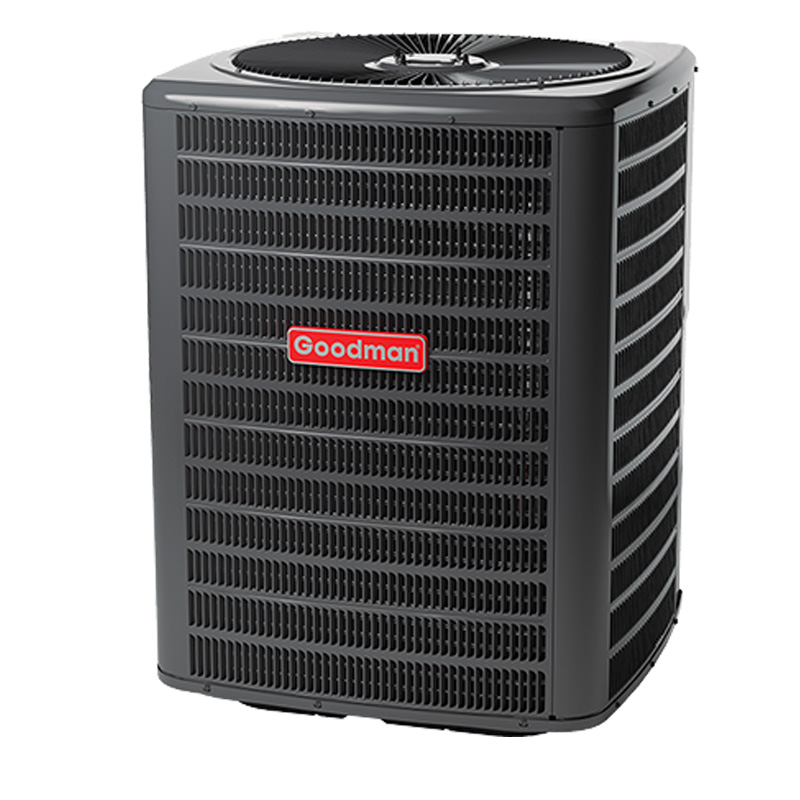
The Goodman 1.5-ton, 14.5 SEER2 air conditioner paired with a 40,000 BTU 80% AFUE downflow gas furnace is a straightforward split system aimed at smaller homes, conditioned additions, or zones where loads stay modest year-round. The 1.5-ton cooling capacity suits roughly 600 to 900 square feet of well-insulated living space in a moderate climate, though a proper Manual J load calculation should always drive that decision. At 14.5 SEER2, the AC clears the federal minimum for most U.S. regions without reaching into premium-efficiency territory, which keeps upfront cost down while still delivering a meaningful improvement over aging 10 or 12 SEER equipment.
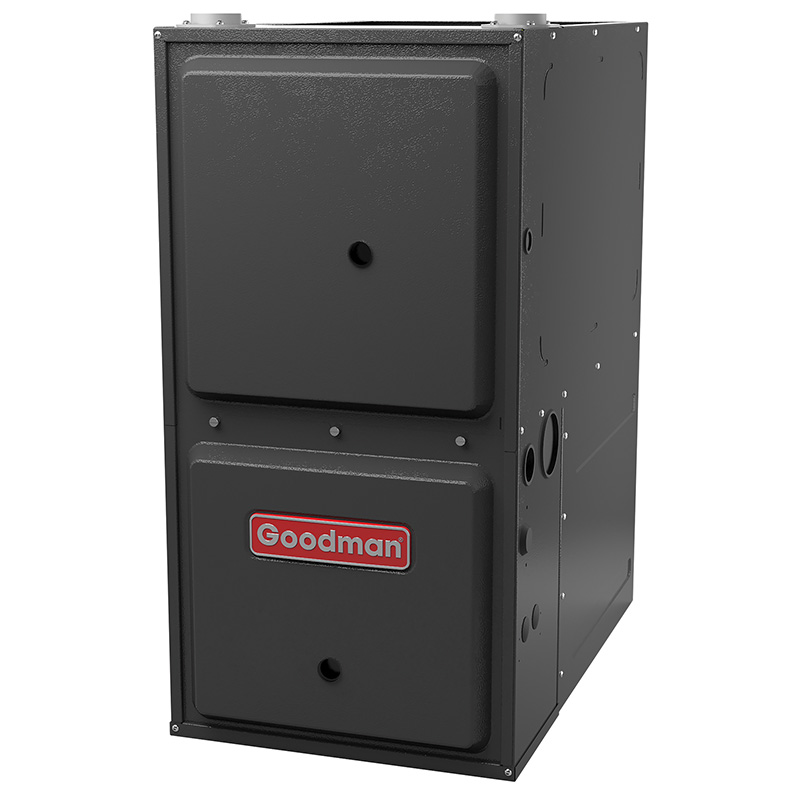
The furnace side runs on an 80% AFUE rating, meaning 80 cents of every dollar of gas becomes usable heat. That is the entry-level efficiency tier; homeowners in climates with long, cold winters may find a 96% AFUE unit pays back the price difference within a few years, but for mild-to-moderate heating climates or as a secondary heating source, 80% is often the practical choice. The multi-speed ECM blower motor improves comfort and airflow consistency compared to single-speed PSC motors, and the Low NOx burner design meets California and other strict emissions standards. The downflow configuration routes supply air downward, making it the right fit for installations where the air handler sits in an attic, closet, or utility space above the living area, with ductwork running below. R-32 refrigerant has a lower global warming potential than the R-410A it replaces and is the direction the industry is moving, though it does require certified technicians familiar with its mildly flammable classification.
This Goodman system delivers a budget-friendly entry point for small-space heating and cooling with a serviceable efficiency rating and a modern ECM blower, but it carries the brand's well-documented reliability ceiling and leans hard on installation quality to reach its potential lifespan. Buyers prioritizing the lowest installed cost in a mild climate will find it reasonable; those expecting 20-plus years of trouble-free operation from a premium-feeling product should look elsewhere.
Overall score is the average of the five ratings above.
What we like
- Upfront price typically 15 to 25 percent below comparable Carrier, Trane, and Lennox systems
- Multi-speed ECM blower improves comfort and reduces energy use compared to single-speed motors
- Low NOx burner meets California SCAQMD and similar strict regional standards
- R-32 refrigerant is more environmentally friendly and increasingly the industry standard
- Downflow design covers a specific installation need that not every brand stocks at this capacity tier
Trade-offs
- 80% AFUE is the lowest efficiency tier; colder climates will see higher annual gas bills versus 96% AFUE alternatives
- Compressor lifespan averages 10 to 14 years versus 15 to 20 years for premium-brand compressors
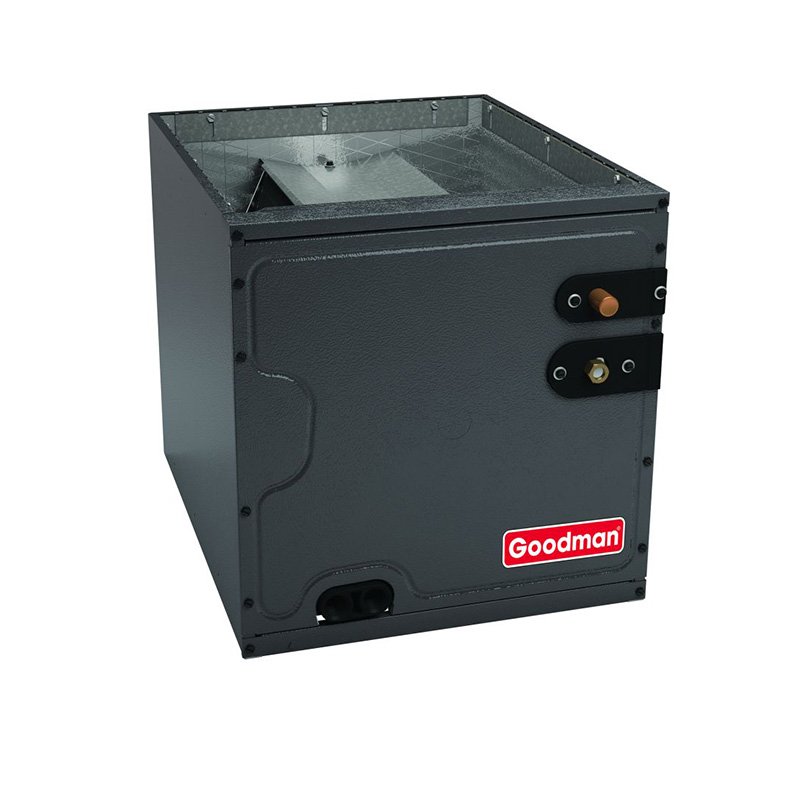
- Dual-run capacitor failures and evaporator coil leaks are the most commonly reported owner issues after year 7
- A minority of owners report refrigerant leaks within the first year, typically tied to install or charge quality rather than the equipment itself
What homeowners and pros say about Goodman
Homeowners who choose Goodman tend to land in one of two camps once the system has been running a few years. Those with a skilled installer and a mild climate often report satisfaction with the value, noting that the equipment does what it says on the label without the sticker shock of premium brands. That sentiment shows up in Google dealer reviews, where the brand averages around 3.8 out of 5 across dealer locations, with affordability as the most consistent praise. The multi-speed ECM blower on this furnace gets particular credit for quieter, more even airflow compared to older single-speed systems in the same price range.
The rougher experiences tend to surface on complaint-weighted platforms like ConsumerAffairs, where Goodman sits at roughly 2.5 out of 5, and the recurring thread is repair costs that start climbing after around year 7. The specific failure modes HVAC technicians cite most often with this brand are dual-run capacitor failures, which are usually a low-cost fix, and evaporator coil leaks, which are not. Compressor longevity is also a real trade-off: Goodman compressors average 10 to 14 years in the field, compared to 15 to 20 years that premium brands typically see. A small but documented share of owners also report refrigerant leaks in the first year, which technicians generally attribute to install or charge issues rather than a factory defect. The consistent professional advice is straightforward: the brand rewards buyers who invest in a careful, experienced installer and budget for one or two service calls before the 10-year mark.
Sources: ConsumerAffairs Goodman owner reviews, AHRI Directory of Certified Product Performance, U.S. DOE appliance and equipment efficiency standards, Goodman product specification sheets.
What it costs to run
At 14.5 SEER2, cooling this 1.5-ton system for a typical 1200-hour cooling season at the U.S. average electricity rate of $0.17/kWh works out to roughly $253 per year in cooling, about $21 less per year than a minimum-efficiency 13.4 SEER2 unit of the same size. Your real cost depends on your climate and local rate.
Method: (18,000 BTU/hr ÷ 14.5 SEER2) × 1200 hours ÷ 1000 × $0.17/kWh. Rate source: U.S. EIA average; cooling hours: moderate-climate estimate.
How it compares
| Brand | Comparable model | SEER2 | Stage | Price position |
|---|---|---|---|---|
| Goodman | 1.5T 14.5 SEER2 / 40K BTU 80% AFUE Downflow System | 14.5 | Single-stage AC / Multi-speed furnace | Value pick |
| Carrier | Comfort 14 (24ACC4) with 58MCA Gas Furnace | 14.5 | Single-stage | Typically 15 to 20 percent more than this Goodman system |
| Trane | XR14c with S8X1 80% AFUE Furnace | 14.3 | Single-stage | Typically 20 to 25 percent more than this Goodman system |
| Lennox | Merit ML14XC1 with ML180 80% AFUE Furnace | 14.3 | Single-stage | Typically 20 to 25 percent more than this Goodman system |
Competitor rows are comparable single-stage units at similar efficiency; price is relative position, not a quote.
Questions about this system
Is a 1.5-ton system large enough for my home?
A 1.5-ton unit is generally suited for roughly 600 to 900 square feet of well-insulated space in a moderate climate, but the only reliable answer comes from a Manual J load calculation performed by your installer. Oversizing leads to short cycling and humidity problems; undersizing means the unit runs constantly on hot days.
Why does this furnace use a downflow configuration, and how do I know if that is what I need?
Downflow means the furnace draws return air in at the top and pushes conditioned air downward into the supply duct below. It is the correct choice when the air handler sits in an attic, overhead closet, or upper-floor utility space with ductwork running beneath it. If your existing furnace is upflow or horizontal, this unit is not a drop-in replacement without significant ductwork changes.
What does R-32 refrigerant mean for service and safety?
R-32 has a lower global warming potential than the R-410A it replaces, but it is classified as mildly flammable (A2L), which means your service technician must be certified and equipped to handle it safely. For a homeowner this mostly means confirming your installer is up to date on R-32 handling before they start work.
What are the most common repairs I should budget for over the life of this system?
Goodman owners most frequently report dual-run capacitor failures, typically a straightforward repair in the $300 to $600 range. Evaporator coil leaks also show up in owner reviews with some regularity and are more expensive to address. Compressors on Goodman units average 10 to 14 years, so a replacement or new system may be relevant in that window.
Is the 80% AFUE furnace going to cost noticeably more to run than a high-efficiency model?
In a mild heating climate or for a small home that does not heat heavily, the difference in annual gas bills between 80% and 96% AFUE is real but modest enough that the lower upfront cost may never be fully recovered. In cold climates with long heating seasons, a 96% AFUE unit often pays back the price premium within 5 to 8 years and is worth the comparison.
Specifications
| Cooling capacity | 1.5 Ton |
| Efficiency | 14.5 SEER2 |
| Furnace output | 40000 BTU |
| Furnace efficiency | 80% AFUE |
| Configuration | Downflow |
| Refrigerant | R-32 |