Goodman 1.5 Ton AC And 40000 BTU 80% AFUE Gas Furnace System | 15.2 SEER2 AC | Multi-Speed ECM Low NOx Furnace | Horizontal | R32
View on AC Direct see your lowest price →Check current price on AC Direct →
Key features
- 15.2 SEER2 cooling efficiency meets and slightly exceeds the current federal minimum in most U.S. regions
- 40,000 BTU 80% AFUE gas furnace with multi-speed ECM blower for quieter, more even airflow
- Horizontal configuration designed for attic, crawl-space, or manufactured-home installations
- R-32 refrigerant, a lower-GWP alternative to R-410A with strong long-term availability
- Low NOx burner meets California Air Resources Board and other strict regional emissions standards
- Priced 15 to 25 percent below comparable Trane, Lennox, and Carrier systems at this efficiency tier
About this system
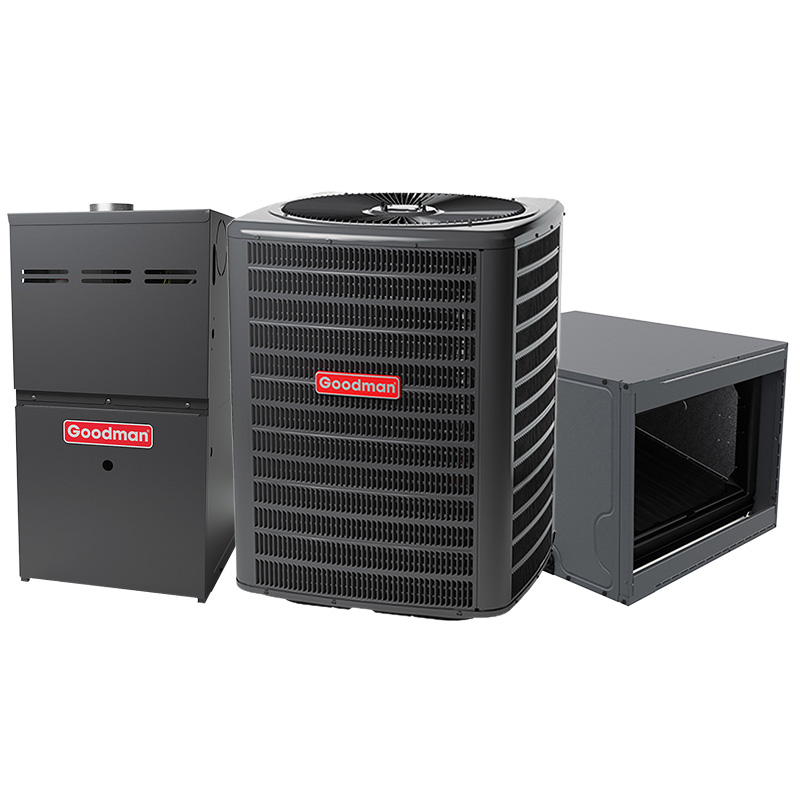
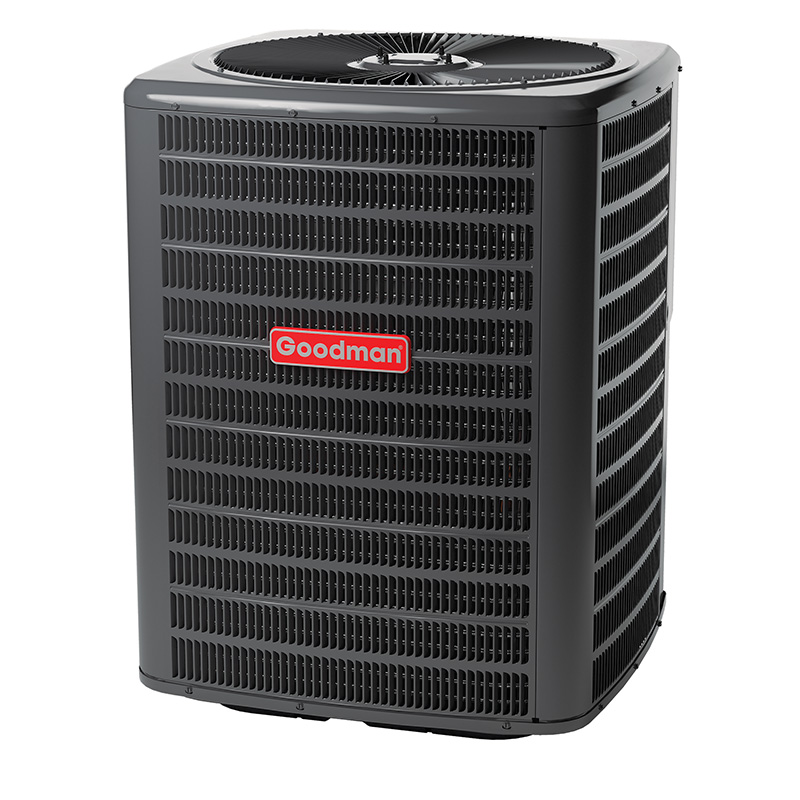
This Goodman bundle pairs a 1.5-ton, 15.2 SEER2 air conditioner with a 40,000 BTU, 80% AFUE gas furnace in a horizontal configuration, making it a practical fit for crawl-space installations, attic air handlers, or manufactured homes where upflow or downflow layouts simply are not an option. The 1.5-ton cooling capacity is sized for smaller conditioned spaces, typically in the 600 to 900 square foot range depending on local climate, insulation quality, and window load, so a proper Manual J load calculation before purchase is worth the time. R-32 refrigerant is the modern replacement for R-410A: it carries a lower global warming potential and is increasingly the industry standard going forward, which means parts and refrigerant availability should remain solid for the foreseeable future.
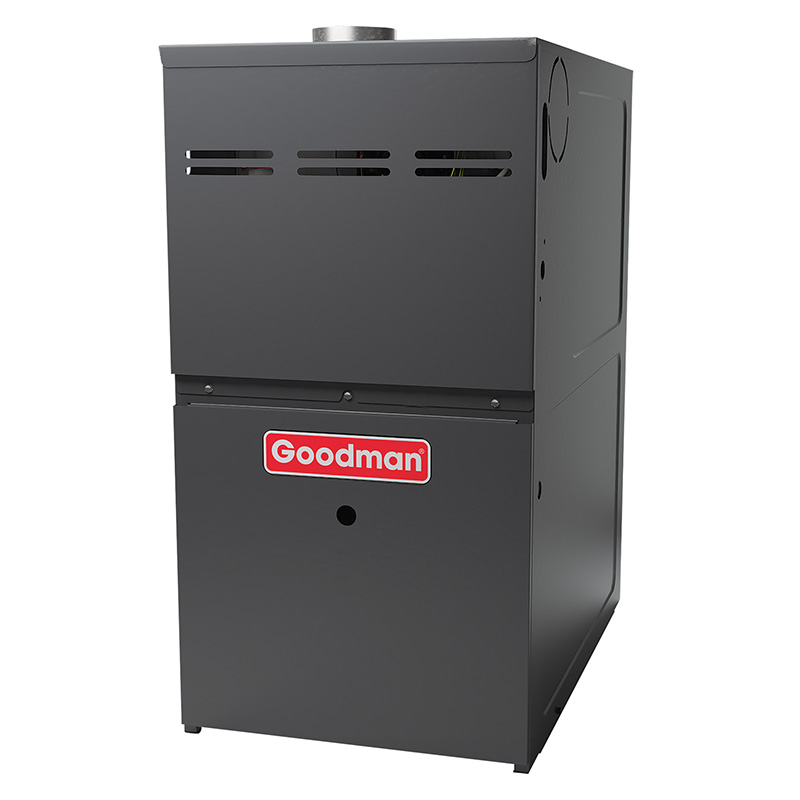
The furnace side uses a multi-speed ECM blower motor, which draws meaningfully less electricity than a standard PSC motor and ramps airflow up and down rather than running at full blast constantly. That translates to quieter operation and more even temperature distribution. The 80% AFUE rating means 80 cents of every dollar spent on gas becomes usable heat, which is the baseline efficiency tier for gas furnaces. It is a sensible choice in mild-to-moderate heating climates but leaves noticeable fuel savings on the table compared to a 96% AFUE condensing unit in a cold-weather market. The Low NOx burner designation meets California and other strict emissions standards, broadening where this unit can legally be installed.
This Goodman horizontal bundle delivers a workable efficiency-to-cost ratio for smaller homes and manufactured housing where budget matters and the horizontal layout is a hard requirement. The specs are straightforward and honest, not headline-grabbing, and the system's long-term performance will hinge heavily on the quality of installation and the diligence of annual maintenance. Buyers who want peace of mind over a longer compressor lifespan and tighter quality control may find the modest premium for a Carrier or Trane unit worthwhile.
Overall score is the average of the five ratings above.
What we like
- Price point sits 15 to 25 percent below comparable equipment from Trane, Lennox, and Carrier
- Multi-speed ECM blower reduces electricity consumption and improves comfort versus single-speed PSC motors
- R-32 refrigerant is the forward-looking industry standard, avoiding near-term phase-out concerns
- Low NOx certification allows installation in California and other strict-emissions jurisdictions
- 15.2 SEER2 clears the current federal minimum, keeping operating costs reasonable for this efficiency class
Trade-offs
- 80% AFUE is the efficiency floor for new gas furnaces and will cost more to operate annually than a 96% AFUE unit in cold climates
- Compressor lifespan averages 10 to 14 years in owner data, shorter than the 15 to 20 years reported for premium brands
- Dual-run capacitors are the most frequently reported failure point, and evaporator coil leaks appear in a notable share of owner reviews after year 7
- A minority of owners have reported refrigerant leaks within the first year, typically traced to install or initial charge issues rather than factory defects
What homeowners and pros say about Goodman
Homeowners who have installed Goodman systems tend to split along predictable lines. On Google dealer review pages, where the aggregate score sits around 3.8 out of 5, affordability is the most repeated reason buyers chose the brand, and many owners report years of uneventful service when the system was installed by an attentive contractor. The picture on ConsumerAffairs is notably different, with Goodman averaging roughly 2.5 out of 5 on that platform. That channel skews toward people who had problems, and the recurring theme is repair costs beginning to climb after around year seven, with dual-run capacitor failures and evaporator coil leaks appearing most often in complaints. Neither score tells the whole story on its own, but together they suggest the brand delivers reasonable value up front with more variability in the back half of its service life.
HVAC technicians broadly describe Goodman as a brand where installation quality is the controlling variable. The components are considered adequate for the price, but pros note that the dual-run capacitor is the most common service call on Goodman condensers and recommend checking it at every annual visit. Compressor longevity in the field averages 10 to 14 years, which is shorter than the 15 to 20 years technicians report for premium brands. For this horizontal system specifically, install complexity is higher than a standard upflow configuration, and a minority of first-year refrigerant leak complaints in the broader Goodman owner base point to the importance of finding an experienced installer who has worked with horizontal setups and is up to date on R-32 handling requirements.
Sources: ConsumerAffairs Goodman owner reviews, AHRI Directory of Certified Product Performance, U.S. DOE appliance and equipment efficiency standards, Goodman product specification sheets.
What it costs to run
At 15.2 SEER2, cooling this 1.5-ton system for a typical 1200-hour cooling season at the U.S. average electricity rate of $0.17/kWh works out to roughly $242 per year in cooling, about $32 less per year than a minimum-efficiency 13.4 SEER2 unit of the same size. Your real cost depends on your climate and local rate.
Method: (18,000 BTU/hr ÷ 15.2 SEER2) × 1200 hours ÷ 1000 × $0.17/kWh. Rate source: U.S. EIA average; cooling hours: moderate-climate estimate.
How it compares
| Brand | Comparable model | SEER2 | Stage | Price position |
|---|---|---|---|---|
| Goodman | This system (1.5T 15.2 SEER2 / 40K BTU 80% AFUE Horizontal) | 15.2 | Single-stage AC / Multi-speed ECM furnace | Value pick |
| Carrier | Comfort Series 24ACC636 / 58TP 80% AFUE | 15.2 | Single-stage | Typically 15 to 25 percent more than this Goodman bundle |
| Trane | XR15 / S8X1 80% AFUE | 15.0 | Single-stage | Typically 20 to 30 percent more than this Goodman bundle |
| Lennox | Merit ML15 / ML196 80% AFUE | 15.2 | Single-stage | Typically 15 to 25 percent more than this Goodman bundle |
Competitor rows are comparable single-stage units at similar efficiency; price is relative position, not a quote.
Questions about this system
Is a horizontal configuration the same system as an upflow unit, just installed on its side?
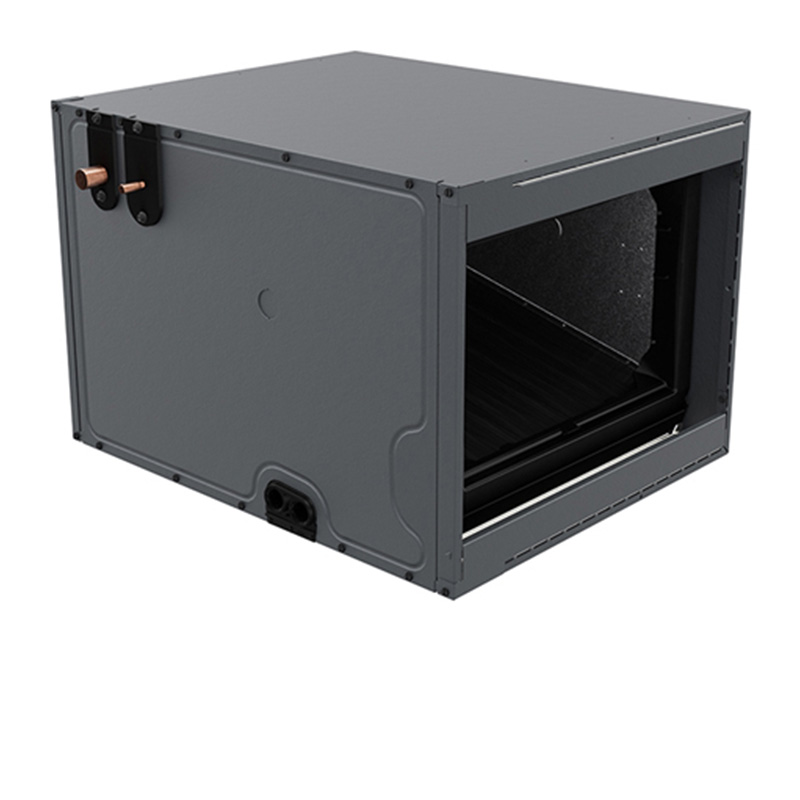
No. A horizontal-specific air handler is built and tested to operate with the coil and blower oriented sideways. Installing a standard upflow unit on its side can cause drainage and airflow problems, so using a unit rated for horizontal installation matters. This system is factory-configured for horizontal use.
Why does Goodman recommend R-32 instead of R-410A?
R-410A is being phased out under EPA regulations because of its high global warming potential. R-32 is the leading replacement: it has roughly one-third the GWP of R-410A, requires less refrigerant charge by weight, and is now the standard in new residential equipment. It does require technicians to use R-32-rated tools and follow updated handling procedures since it is mildly flammable.
What size home does a 1.5-ton system actually cool?
A rough rule of thumb is 600 to 900 square feet, but climate, ceiling height, insulation, and window area all shift that range significantly. A Manual J load calculation from a licensed HVAC contractor is the only reliable way to confirm sizing before you buy, and an undersized or oversized unit will cost you in comfort and efficiency either way.
How does 80% AFUE compare to higher-efficiency furnaces, and does it matter here?
An 80% AFUE furnace vents 20% of combustion heat up the flue as exhaust. A 96% AFUE condensing unit loses only about 4%, which can save a noticeable amount on gas bills in climates with long, cold winters. If you are in the Gulf Coast or another mild heating region, the payback on the more expensive condensing unit takes much longer, making 80% AFUE a reasonable choice. In climates like the Upper Midwest or Northeast, the higher-efficiency option typically pays back within several years.
What maintenance does this system need to avoid the common failure points Goodman owners report?
Annual professional tune-ups are the most effective prevention. Technicians should check and, if warranted, replace the dual-run capacitor proactively since that is the most documented failure point on Goodman condensers. Keeping the evaporator coil clean and ensuring proper refrigerant charge at installation reduces the risk of coil leak progression. Changing the air filter every one to three months and keeping the outdoor condenser clear of debris rounds out basic upkeep.
Specifications
| Cooling capacity | 1.5 Ton |
| Efficiency | 15.2 SEER2 |
| Furnace output | 40000 BTU |
| Furnace efficiency | 80% AFUE |
| Configuration | Horizontal |
| Refrigerant | R-32 |