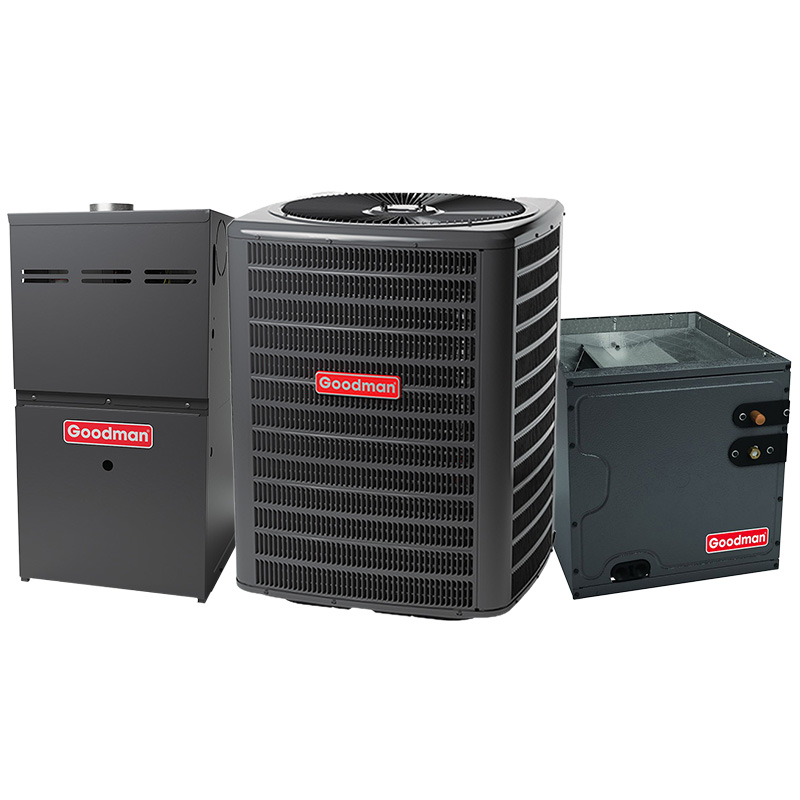
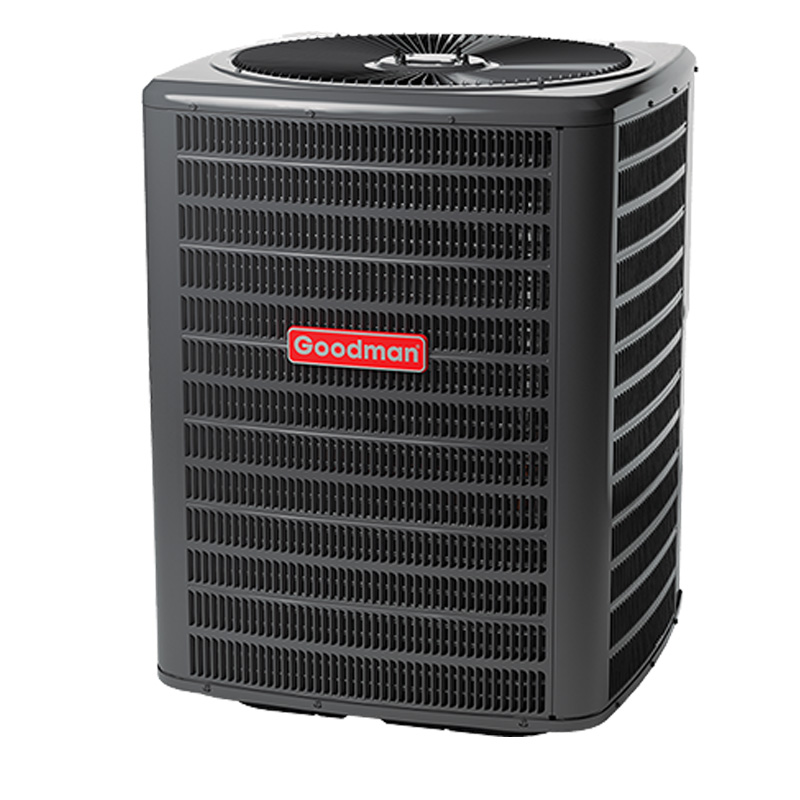
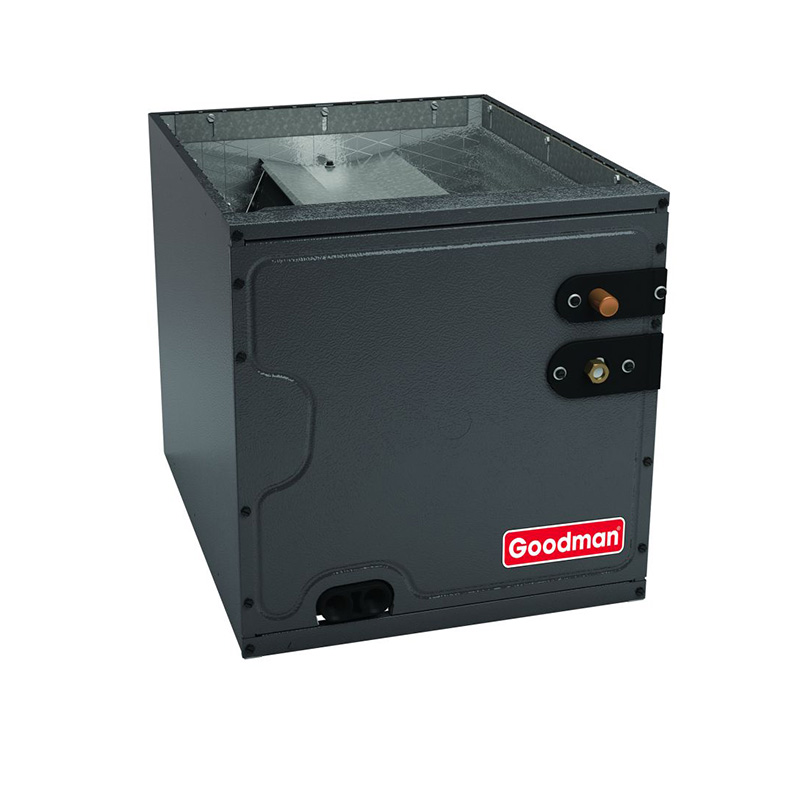
Goodman 1.5 Ton AC And 60000 BTU 80% AFUE Gas Furnace System | 15.2 SEER2 AC | Multi-Speed ECM Low NOx Furnace | Upflow | R32
View on AC Direct see your lowest price →Check current price on AC Direct →
Key features
- 15.2 SEER2 cooling efficiency meets current federal minimums with room to spare
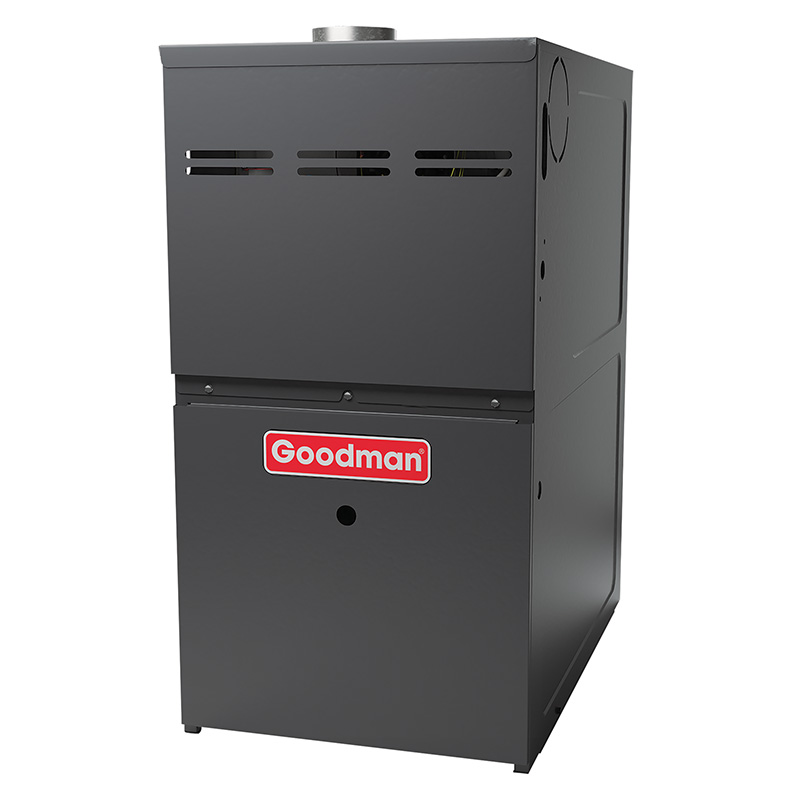
- 60,000 BTU 80% AFUE gas furnace with multi-speed ECM blower for quieter, lower-electricity operation
- R-32 refrigerant with lower global-warming potential than R-410A
- Upflow configuration suits basement and closet installations with overhead duct systems
- Low NOx certified for compliance in California and other strict-emission jurisdictions
- Sized for smaller homes, additions, or condos in the roughly 600-to-900 square foot range
About this system
The Goodman 1.5-ton, 15.2 SEER2 air conditioner paired with a 60,000 BTU 80% AFUE multi-speed ECM gas furnace is a straightforward, budget-conscious system built for smaller homes, condos, and additions in the 600-to-900 square foot range (climate-dependent). The 15.2 SEER2 rating clears the current federal minimum efficiency threshold with a modest margin, meaning cooling costs will be noticeably lower than an older 13 or 14 SEER system but not as low as a 17+ SEER2 variable-capacity unit. The 80% AFUE furnace is the entry tier of efficiency, meaning roughly 20 cents of every heating dollar goes up the flue, which is an acceptable trade-off in mild-winter climates but a real cost over time in regions with long heating seasons.
The furnace’s multi-speed ECM blower motor is a genuine asset at this price point. ECM motors use significantly less electricity than standard PSC motors and move air more quietly, which matters in a smaller space where equipment noise is more noticeable. The upflow configuration means warm air exits the top of the unit and rises naturally through the duct system, a common and installer-friendly arrangement for basement or closet installations. R-32 refrigerant is a lower global-warming-potential option compared to R-410A and is increasingly the industry standard, so servicing this system in the years ahead should not be a supply problem. Low NOx certification makes this system compliant with air-quality regulations in California and other strict-emission states, broadening where it can legally be installed.
This Goodman bundle delivers functional, code-compliant heating and cooling at a price point that is hard to argue with for budget-focused buyers in smaller homes or mild climates. The ECM furnace motor and R-32 refrigerant are forward-looking features that punch above the system's price. The trade-off is a brand track record that shows shorter average compressor life and a higher rate of coil and capacitor issues compared to premium alternatives, so buyers should factor in service costs over a 10-to-15-year horizon.
Overall score is the average of the five ratings above.
What we like
- Purchase price is typically 15 to 25 percent below comparable Carrier, Trane, and Lennox systems
- Multi-speed ECM blower reduces electricity consumption and noise versus standard PSC motors
- R-32 refrigerant is lower-GWP and increasingly well-supported by service technicians
- Low NOx certification allows legal installation in California and other regulated markets
- Upflow configuration is straightforward for HVAC technicians to install and service
Trade-offs
- 80% AFUE is the entry efficiency tier and will cost more to operate than 90%+ AFUE furnaces in cold climates
- Compressor lifespan averages 10 to 14 years, shorter than the 15 to 20 years documented for premium brands
- Dual-run capacitor failures and evaporator coil leaks are the most commonly reported owner issues after year 7
- A minority of owners have reported refrigerant leaks in year one, most often traced to installation or charge quality rather than the equipment itself
What homeowners and pros say about Goodman
Homeowners who post about Goodman equipment tend to split sharply by experience timing. On ConsumerAffairs, where the brand carries a rating of roughly 2.5 out of 5, the recurring frustration is repair costs that start climbing after about year 7, with capacitor replacements and evaporator coil leaks appearing most frequently in the complaints. Google dealer reviews tell a more balanced story, with aggregate ratings around 3.8 out of 5 across several hundred reviews per location, where the most common praise is straightforward: the system worked and the price was fair. For this 1.5-ton, 15.2 SEER2 package, the owner experience is likely to follow that same pattern, meaning solid early performance with a higher probability of service calls in the back half of the expected equipment life compared to premium brands.
HVAC technicians who work on Goodman equipment regularly tend to hold a pragmatic view. They point out that dual-run capacitor failures are a known and quick fix, nothing exotic, but they happen more often on Goodman units than on Carrier or Trane equipment of similar age. Coil leak repairs are more involved and can run higher depending on refrigerant recovery and recharge labor. Compressor longevity is the bigger structural concern, with documented average lifespans of 10 to 14 years versus 15 to 20 for premium-brand compressors, a gap that matters more the longer you plan to stay in the home. Technicians also consistently flag that install quality is the single largest variable in how any Goodman system performs, so spending on a skilled, licensed installer rather than the lowest-bid option is particularly important with this brand.
Sources: ConsumerAffairs Goodman owner reviews, AHRI Directory of Certified Product Performance, U.S. DOE appliance and equipment efficiency standards, Goodman product specification sheets.
What it costs to run
At 15.2 SEER2, cooling this 1.5-ton system for a typical 1200-hour cooling season at the U.S. average electricity rate of $0.17/kWh works out to roughly $242 per year in cooling, about $32 less per year than a minimum-efficiency 13.4 SEER2 unit of the same size. Your real cost depends on your climate and local rate.
Method: (18,000 BTU/hr ÷ 15.2 SEER2) × 1200 hours ÷ 1000 × $0.17/kWh. Rate source: U.S. EIA average; cooling hours: moderate-climate estimate.
How it compares
| Brand | Comparable model | SEER2 | Stage | Price position |
|---|---|---|---|---|
| Goodman | GSXH5 / GMVC8 60k BTU bundle | 15.2 | Single-stage | Value pick |
| Carrier | Comfort 24ACC6 series with 58MCA furnace | 15.2 | Single-stage | Typically 15 to 25 percent more than this Goodman bundle |
| Trane | XR15 with S8X1 80% AFUE furnace | 15.0-15.2 | Single-stage | Typically 15 to 25 percent more than this Goodman bundle |
| Lennox | Merit ML15XC1 with ML180 80% AFUE furnace | 15.2 | Single-stage | Typically 15 to 25 percent more than this Goodman bundle |
Competitor rows are comparable single-stage units at similar efficiency; price is relative position, not a quote.
Questions about this system
Is 1.5 tons enough for my house, and how do I know for sure?
A 1.5-ton unit is generally sized for roughly 600 to 900 square feet, but the real answer depends on your climate zone, insulation quality, window area, and ceiling height. The only reliable way to confirm is a Manual J load calculation performed by a licensed HVAC contractor before purchase. Oversizing or undersizing either unit in this system will hurt comfort, efficiency, and equipment life.
Will the 80% AFUE furnace cost significantly more to run than a 96% AFUE model?
In a mild-winter climate with short heating seasons, the annual difference may be modest, often under a hundred dollars per year on a small home. In a northern climate where you run the heat for five or more months, the gap widens meaningfully over a 10-to-15-year equipment life. If you are in a cold region, it is worth pricing a 96% AFUE option and comparing the payback period honestly.
What is R-32 refrigerant and will it be easy to service in the future?
R-32 is a single-component refrigerant with a lower global-warming potential than the R-410A it is replacing across the industry. It is increasingly common in residential equipment, so technicians and supply houses are stocking it more routinely. There are no expected availability problems for the foreseeable service life of this unit.
What are the most common repairs on Goodman equipment I should plan for?
Dual-run capacitor failures are the most frequently reported issue and are typically an inexpensive repair in the 300-to-600-dollar range when they occur. Evaporator coil leaks appear in a meaningful share of long-term owner reports. Compressors on Goodman equipment average 10 to 14 years before failure, so budgeting for a potential compressor replacement or system replacement in that window is prudent.
Does the Low NOx certification matter if I am not in California?
Low NOx certification is a legal requirement for installation in California and several other states with strict air-quality rules, so it is essential there. Outside those jurisdictions it has no practical impact on operation or efficiency, but it does mean you have a unit that would be eligible for installation if you ever moved or the regulations in your area tightened.
Specifications
| Cooling capacity | 1.5 Ton |
| Efficiency | 15.2 SEER2 |
| Furnace output | 60000 BTU |
| Furnace efficiency | 80% AFUE |
| Configuration | Upflow |
| Refrigerant | R-32 |