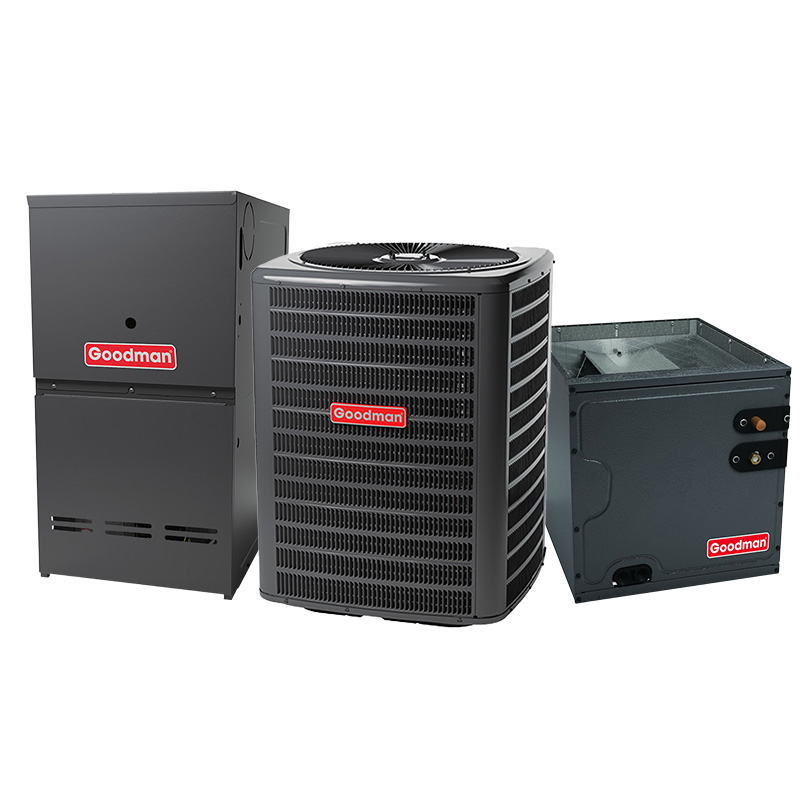
Goodman 1.5 Ton Dual Fuel Hybrid Heat Pump System – 40000 BTU California Low NOx Two Stage Gas Furnace, 80% AFUE, Downflow, 14.5 SEER2, R32
View on AC Direct see your lowest price →Check current price on AC Direct →
Key features
- 14.5 SEER2 heat pump rating meets current federal minimum efficiency standards for most U.S. regions
- Two-stage 40,000 BTU gas furnace at 80% AFUE with California Low NOx certification
- Downflow air discharge configuration for installations with below-unit ductwork
- R-32 refrigerant with lower global warming potential than R-410A
- Dual-fuel hybrid logic automatically switches between electric heat pump and gas furnace based on outdoor temperature
- Sized for smaller spaces, typically 600 to 900 square feet depending on load calculation
About this system
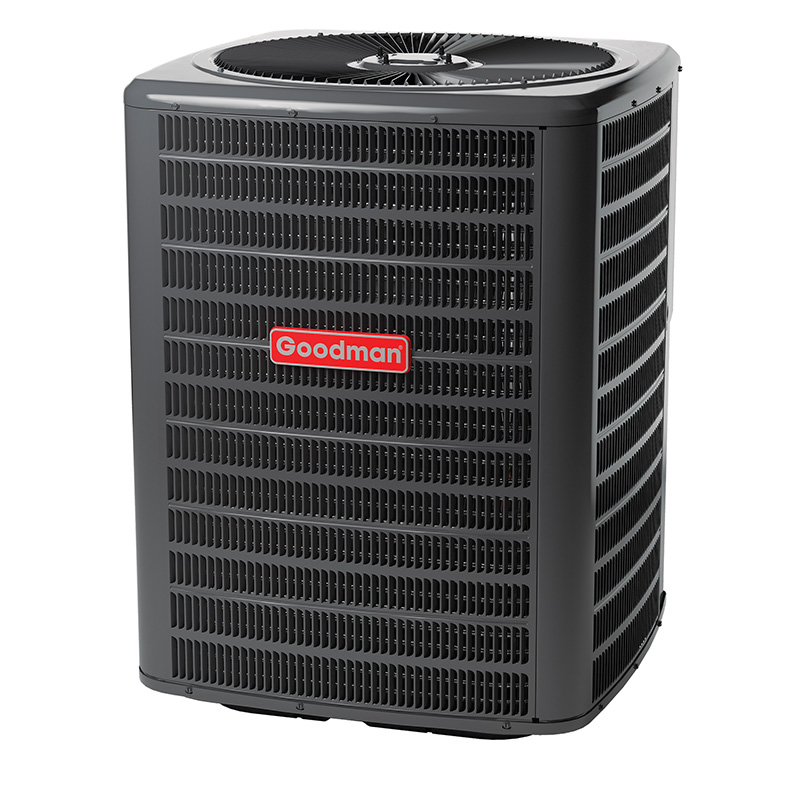
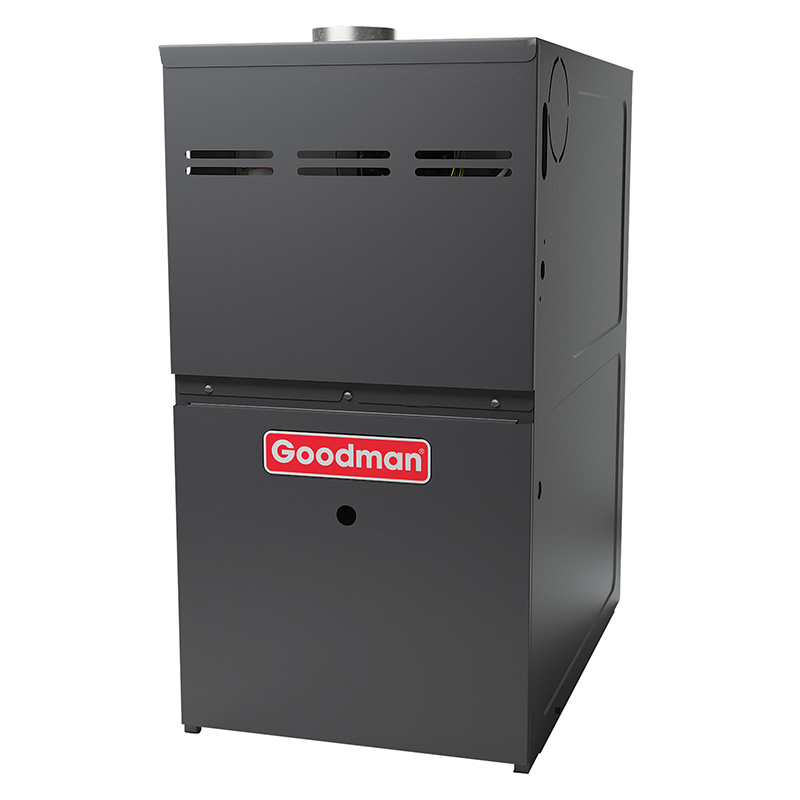
The Goodman 1.5 Ton Dual Fuel Hybrid Heat Pump System pairs a 14.5 SEER2 heat pump with a 40,000 BTU two-stage, 80% AFUE downflow gas furnace to give smaller homes and conditioned spaces a flexible heating strategy. On mild days the heat pump carries the load efficiently; when outdoor temperatures drop below the heat pump’s balance point, the furnace takes over automatically. That switchover logic is what makes a dual-fuel setup attractive in climates where winters are cold enough to punish an all-electric system but not so severe that the furnace runs constantly all season.
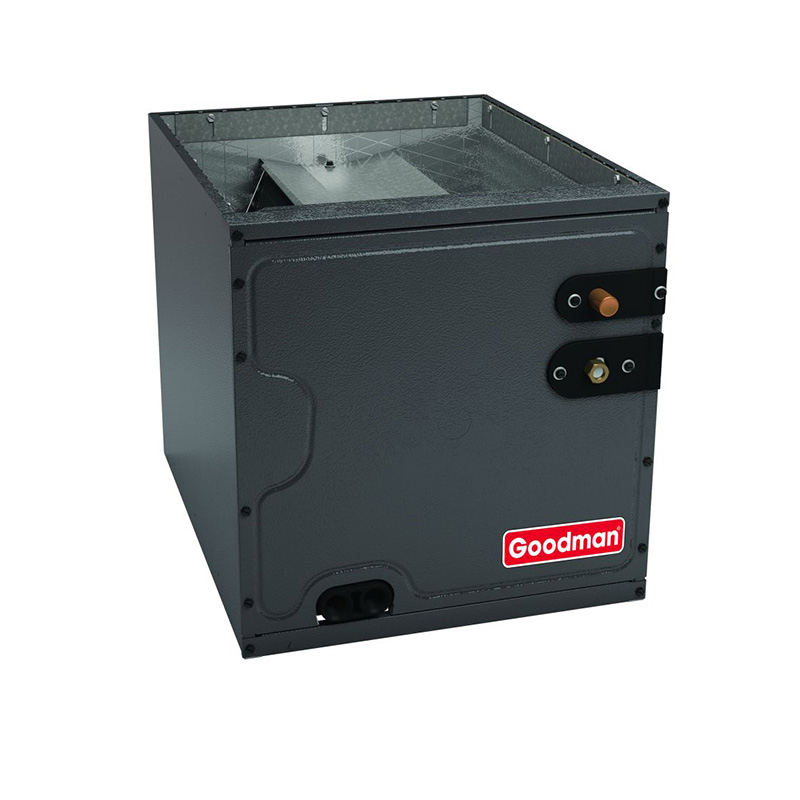
At 1.5 tons this system is sized for smaller footprints, typically 600 to 900 square feet depending on local climate, insulation quality, and window exposure. The downflow configuration means supply air discharges through the bottom of the air handler, which suits installations where ductwork runs beneath the unit, common in homes with crawl spaces or certain utility closet arrangements. The system uses R-32 refrigerant, which carries a lower global warming potential than the R-410A it replaces and is increasingly the industry standard as manufacturers phase out older refrigerants. The California Low NOx rating means the furnace meets stricter nitrogen oxide emissions limits required by California air quality districts, making it eligible for installation in those jurisdictions where standard furnaces are no longer permitted.
The two-stage furnace adds a layer of comfort that a single-stage unit cannot match. Running at a lower first stage during moderate cold keeps temperature swings smaller, reduces short cycling, and tends to run quieter than a furnace firing at full capacity every time. Paired with the 80% AFUE rating, roughly 80 cents of every dollar in gas becomes usable heat, which sits at the entry-level end of efficiency for gas furnaces. Homeowners who heat primarily with the heat pump and use the furnace only during deep cold may find that the AFUE figure matters less in practice than it looks on paper, since the furnace simply does not run as many hours as in a conventional gas-only system.
This system delivers a functional, code-compliant dual-fuel solution at a price point well below comparable Carrier, Trane, and Lennox packages, making it a reasonable starting point for budget-conscious buyers in California or similarly regulated markets. The two-stage furnace is a genuine comfort upgrade over single-stage alternatives at this price tier, and the R-32 refrigerant keeps the system positioned for the near-term regulatory landscape. The trade-off is Goodman's documented reliability curve, where repair frequency tends to climb after year seven and compressor longevity trails premium brands.
Overall score is the average of the five ratings above.
What we like
- Typically priced 15 to 25 percent below comparable Trane, Lennox, and Carrier dual-fuel systems
- Two-stage furnace operation reduces temperature swings and short cycling compared to single-stage units
- California Low NOx certification opens up installations in air quality management districts that ban standard furnaces
- R-32 refrigerant is better positioned for evolving environmental regulations than R-410A equipment
- Dual-fuel logic reduces reliance on resistance backup heat, keeping operating costs lower during cold snaps than a heat-pump-only system
Trade-offs
- 80% AFUE is the lowest efficiency tier for gas furnaces; high-efficiency 96%+ units save meaningfully more on gas over a system's lifetime
- Dual-run capacitor failures are the most commonly reported repair issue in Goodman equipment, typically needed within the first decade
- Compressor lifespan averages 10 to 14 years in documented owner experience, roughly 3 to 6 years shorter than premium-brand alternatives
- A minority of owners report refrigerant leaks in the first year, usually tied to installation quality rather than a manufacturing defect, but still a real risk
What homeowners and pros say about Goodman
Homeowners who share feedback on Goodman equipment tend to split along a predictable line. Those who had a careful, experienced installer and got a well-charged, properly commissioned system often report years of trouble-free operation and point to the lower upfront cost as money well spent. That aligns with Google dealer review scores that sit around 3.8 out of 5, where affordability is the praise that appears most consistently. The friction comes later. ConsumerAffairs scores land around 2.5 out of 5, and while that channel skews toward people who already have a complaint to file, the recurring theme is worth noting: repair costs start climbing after roughly year seven, and owners who did not budget for that curve sometimes feel the initial savings erode. For a dual-fuel system like this one, the specific failure modes documented in owner experience are dual-run capacitor failures (a relatively quick and low-cost repair in the 300 to 600 dollar range but one that seems to come up with regularity), evaporator coil leaks that show up in a meaningful share of reviews, and compressor lifespans that average 10 to 14 years rather than the 15 to 20 years premium-brand owners tend to report. A small number of owners also encounter refrigerant leaks in the first year, and HVAC technicians who work on these systems consistently point to installation quality as the variable that separates a decade of reliable service from an early repair cycle.
HVAC professionals tend to hold a similarly nuanced view. Many installers are comfortable recommending Goodman to clients who have a realistic budget and understand they may see more service calls in years eight through twelve than a Carrier or Trane owner would. For a dual-fuel hybrid system specifically, technicians emphasize that proper commissioning, including verifying the refrigerant charge, setting the balance point temperature correctly, and confirming the thermostat communicates properly with both the heat pump and furnace, matters more than it does on a simpler single-fuel system. A technician who rushes through startup on a dual-fuel setup creates real risk regardless of the brand, but Goodman’s tighter tolerances for installation quality make that point sharper here than it would be with a premium-tier product. The California Low NOx certification and R-32 refrigerant are genuine positives that pros note, since they keep the system compliant and forward-compatible in a regulatory environment that continues to tighten.
Sources: ConsumerAffairs Goodman owner reviews, AHRI Directory of Certified Product Performance, U.S. DOE appliance and equipment efficiency standards, Goodman product specification sheets.
What it costs to run
At 14.5 SEER2, cooling this 1.5-ton system for a typical 1200-hour cooling season at the U.S. average electricity rate of $0.17/kWh works out to roughly $253 per year in cooling, about $21 less per year than a minimum-efficiency 13.4 SEER2 unit of the same size. Your real cost depends on your climate and local rate.
Method: (18,000 BTU/hr ÷ 14.5 SEER2) × 1200 hours ÷ 1000 × $0.17/kWh. Rate source: U.S. EIA average; cooling hours: moderate-climate estimate.
How it compares
| Brand | Comparable model | SEER2 | Stage | Price position |
|---|---|---|---|---|
| Goodman | 1.5 Ton Dual Fuel Hybrid System, 40000 BTU Two-Stage 80% AFUE Downflow, R-32 | 14.5 | Two-stage furnace | Value pick |
| Carrier | Performance Series Dual Fuel (25HCB / 59SP2 pairing) | 15.0-16.0 | Two-stage furnace | Typically 15 to 25 percent more than Goodman |
| Trane | XR15 / S8X2 Dual Fuel pairing | 15.0 | Two-stage furnace | Typically 15 to 25 percent more than Goodman |
| Lennox | Merit Series ML14XC1 / ML196E Dual Fuel pairing | 14.3-15.5 | Two-stage furnace | Typically 15 to 25 percent more than Goodman |
Competitor rows are comparable single-stage units at similar efficiency; price is relative position, not a quote.
Questions about this system
What outdoor temperature does the system switch from heat pump to furnace, and can I adjust it?
The crossover or balance point temperature is typically set during installation, often somewhere between 35 and 45 degrees Fahrenheit, depending on your local climate and your installer's recommendation. Many dual-fuel thermostats allow this setpoint to be adjusted after installation, but it requires a compatible thermostat and a technician who understands how to program it correctly for your specific equipment.
Is this system actually legal to install in my California air quality district?
The California Low NOx rating means the furnace meets the stricter NOx emission limits required by districts like the South Coast AQMD and Bay Area AQMD. However, some districts also have rules about dual-fuel and heat pump installations that go beyond just NOx ratings, so confirming with your local air quality management district before purchase is always the right step.
What does the downflow configuration mean, and how do I know if it fits my home?
Downflow means the furnace discharges conditioned air out of the bottom of the cabinet, which requires ductwork running below the unit, such as in a crawl space. If your home has an attic-based duct system or a side-discharge setup, this configuration will not work without significant modification, so confirming the correct airflow direction with your installer before ordering is essential.
How does R-32 refrigerant affect maintenance and service costs compared to R-410A?
R-32 requires technicians to have specific handling certification and compatible recovery equipment, which most established HVAC companies already carry or are acquiring as R-32 becomes more common. In most markets you should not expect service costs to be meaningfully higher than R-410A systems, but verifying that your service company is R-32 certified before scheduling any work is a practical precaution.
What are the most common repairs I should budget for over the first ten years?
Based on documented owner experience with Goodman equipment, dual-run capacitor replacement is the most frequently reported repair, typically costing 300 to 600 dollars and often occurring within the first decade. Evaporator coil leaks show up in a meaningful share of owner reports and can be more expensive to address, and a minority of owners encounter refrigerant leaks in the first year, which are usually tied to how well the system was commissioned at installation.
Specifications
| Cooling capacity | 1.5 Ton |
| Efficiency | 14.5 SEER2 |
| Furnace output | 40000 BTU |
| Furnace efficiency | 80% AFUE |
| Configuration | Downflow |
| Refrigerant | R-32 |