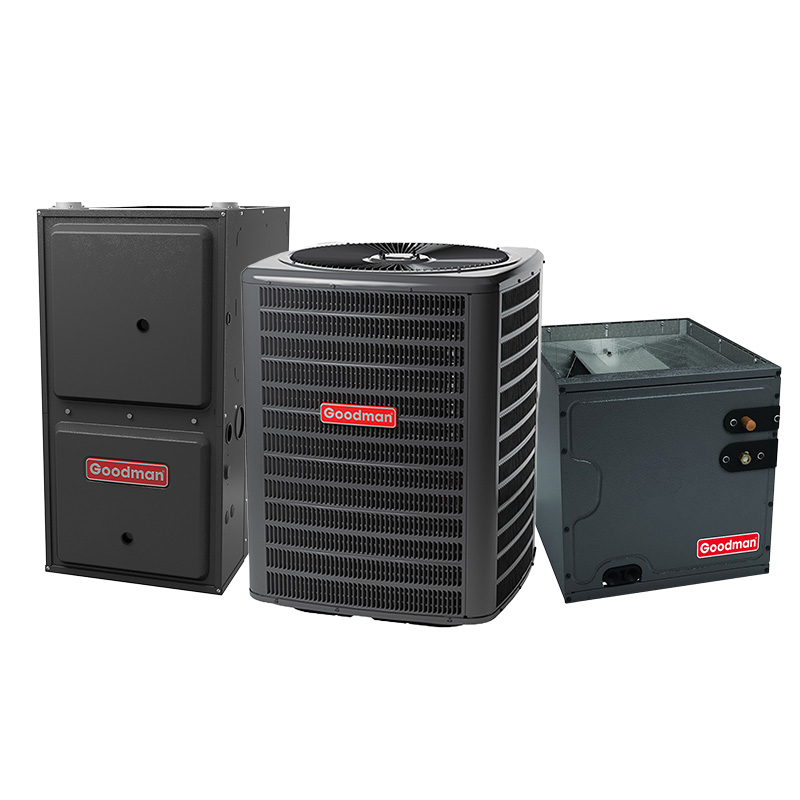
Goodman 1.5 Ton Dual Fuel Hybrid Heat Pump System – 40000 BTU Gas Furnace, 96% AFUE, 15 SEER2, Downflow, R32
View on AC Direct see your lowest price →Check current price on AC Direct →
Key features
- Dual fuel hybrid operation: heat pump handles moderate temps, 40,000 BTU gas furnace takes over in deep cold
- 96% AFUE gas furnace extracts 96 cents of heat from every dollar of natural gas burned
- 15 SEER2 heat pump efficiency rating under the current DOE test standard
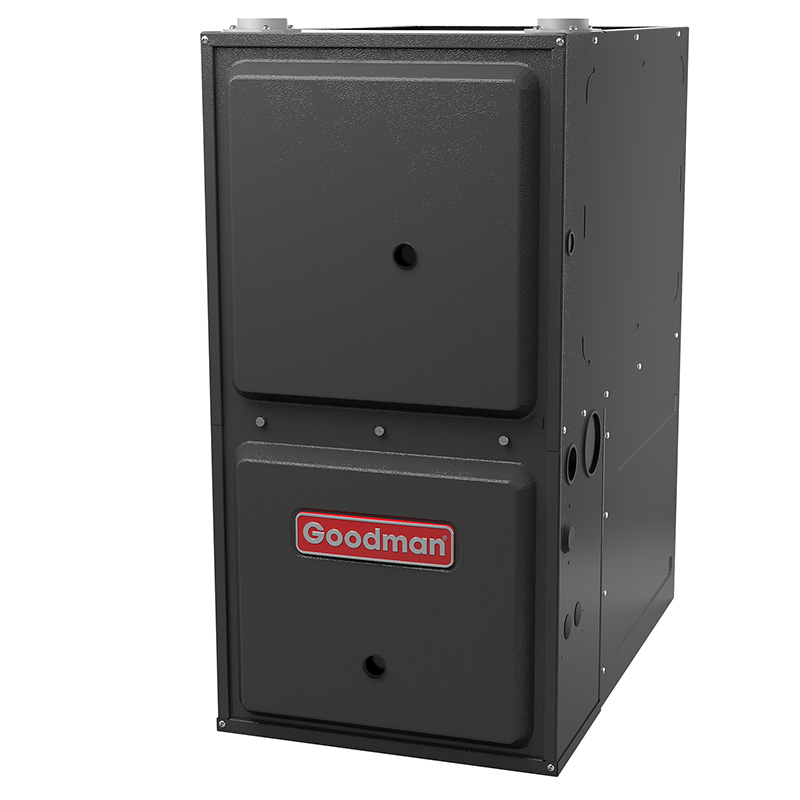
- Downflow air discharge for installations requiring bottom-exit ductwork connections
- R-32 refrigerant with lower global warming potential than outgoing R-410A
- 1.5-ton capacity suited to smaller conditioned spaces with confirmed low heat load
About this system
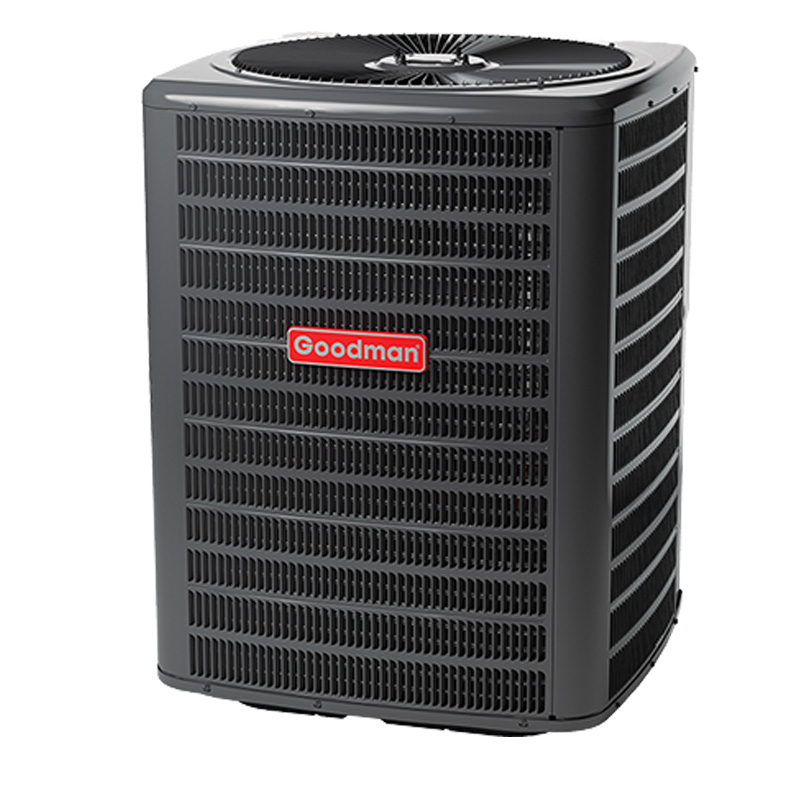
The Goodman 1.5-ton dual fuel hybrid heat pump system pairs a 15 SEER2 heat pump with a 96% AFUE, 40,000 BTU downflow gas furnace, giving smaller homes and tight spaces an energy-conscious way to handle both heating and cooling. The hybrid setup is the real story here: the heat pump handles most of the heating load down to a set balance point, then the gas furnace takes over when outdoor temperatures drop too low for the heat pump to run efficiently. For homeowners in mixed climates who have natural gas available, this arrangement can meaningfully trim annual utility bills compared to running gas heat alone all winter.
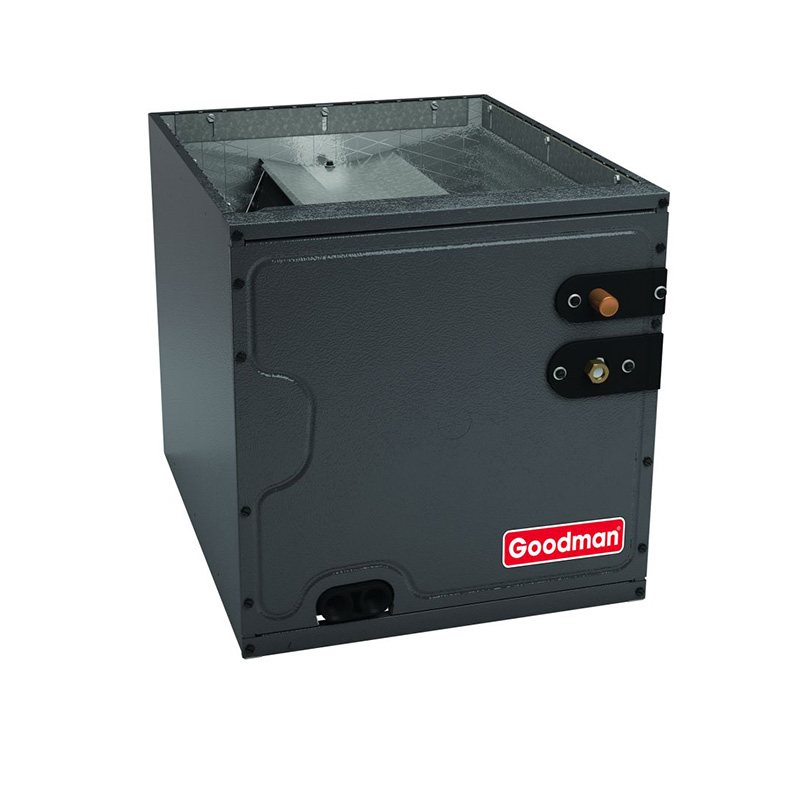
The downflow configuration means conditioned air exits through the bottom of the air handler, which suits homes with the furnace installed in a utility closet, main-floor mechanical room, or crawl-space-adjacent setup where ductwork runs below the unit. R-32 refrigerant is the forward-looking choice here, carrying a lower global warming potential than the R-410A it replaces and already required in newer equipment. At 1.5 tons and 40,000 BTU, this system is sized for smaller conditioned spaces, typically 600 to 900 square feet depending on climate, insulation quality, and ceiling height, so a proper Manual J load calculation is essential before purchase to confirm the fit.
This Goodman dual fuel system offers a genuinely useful hybrid heating strategy at a price point well below comparable Carrier, Trane, or Lennox configurations, and the 96% AFUE furnace is a legitimate efficiency achievement. The trade-off is a brand track record that shows higher long-term repair rates than premium competitors, and the downflow-only configuration limits where and how it can be installed. Buyers who prioritize upfront affordability and have a skilled installer lined up will get real value; those who want the lowest lifetime repair cost should budget for extended coverage or look at a premium brand.
Overall score is the average of the five ratings above.
What we like
- Hybrid dual fuel setup reduces heating costs in mixed climates by defaulting to heat pump operation first
- 96% AFUE gas furnace is among the most efficient single-stage furnace tiers available
- 15 SEER2 meets current federal minimums and keeps summer cooling costs reasonable for a smaller home
- R-32 refrigerant is the industry-forward choice and compliant with evolving environmental regulations
- Goodman pricing typically runs 15 to 25 percent below Carrier, Trane, and Lennox for comparable specs, lowering the installed cost
Trade-offs
- Compressor lifespan averages 10 to 14 years versus 15 to 20 years for premium-brand compressors, meaning earlier replacement costs are a real possibility
- Dual-run capacitor failures are the most commonly reported repair on Goodman systems, typically a 300 to 600 dollar fix but still an inconvenience
- A minority of owners report refrigerant leaks within the first year, usually tied to install or initial charge quality rather than the equipment itself
- Evaporator coil leaks appear in a meaningful share of long-term owner reviews, adding potential mid-life repair expense
What homeowners and pros say about Goodman
Homeowners who have lived with Goodman equipment reflect the brand’s split personality pretty clearly. On ConsumerAffairs, Goodman scores around 2.5 out of 5, and the pattern in those reviews is consistent: systems often run without incident for the first several years, then repair costs start climbing around year seven, with capacitor replacements and evaporator coil issues appearing repeatedly in long-term accounts. Google dealer reviews tell a somewhat different story, averaging around 3.8 out of 5 across hundreds of reviews per location, where the most common praise is straightforward: the equipment costs less to buy and get running than the major premium brands. Both pictures are honest; they just reflect different parts of the ownership timeline.
HVAC technicians tend to hold two views about Goodman simultaneously. They acknowledge that dual-run capacitor failures are the most frequently reported repair call on these systems, a fix that usually runs between 300 and 600 dollars and is generally straightforward. They also point out that compressor longevity in the 10 to 14 year range is measurably shorter than the 15 to 20 years seen in Trane, Carrier, and Lennox compressors, which matters when you are doing lifetime cost math. For a dual fuel system specifically, technicians consistently say that install quality determines more of the long-term outcome than the brand badge does: a properly commissioned system with a correctly set balance point and a verified refrigerant charge will outperform a carelessly installed premium unit almost every time. The documented first-year refrigerant leaks that show up in a minority of Goodman owner reports are almost always traced back to installation or initial charge errors, not factory defects.
Sources: ConsumerAffairs Goodman owner reviews, AHRI Directory of Certified Product Performance, U.S. DOE appliance and equipment efficiency standards, Goodman product specification sheets.
What it costs to run
At 15 SEER2, cooling this 1.5-ton system for a typical 1200-hour cooling season at the U.S. average electricity rate of $0.17/kWh works out to roughly $245 per year in cooling, about $29 less per year than a minimum-efficiency 13.4 SEER2 unit of the same size. Your real cost depends on your climate and local rate.
Method: (18,000 BTU/hr ÷ 15 SEER2) × 1200 hours ÷ 1000 × $0.17/kWh. Rate source: U.S. EIA average; cooling hours: moderate-climate estimate.
How it compares
| Brand | Comparable model | SEER2 | Stage | Price position |
|---|---|---|---|---|
| Goodman | Dual Fuel Hybrid Heat Pump System (this unit) | 15 | Single-stage | Value pick |
| Carrier | Performance Series Dual Fuel (25HCB / 59SP6) | 15-16 | Single-stage | Typically 15 to 25 percent more than Goodman |
| Trane | XR15 Dual Fuel (XR15 heat pump / S9X1 furnace) | 15 | Single-stage | Typically 15 to 25 percent more than Goodman |
| Lennox | Merit Series Dual Fuel (14HPX / ML196 furnace) | 15 | Single-stage | Typically 15 to 25 percent more than Goodman |
Competitor rows are comparable single-stage units at similar efficiency; price is relative position, not a quote.
Questions about this system
How does the dual fuel system decide when to run the heat pump versus the gas furnace?
A balance point temperature, typically set during installation between 30 and 40 degrees Fahrenheit, tells the system when heat pump operation becomes less efficient than gas heat. Below that threshold the furnace takes over automatically. Your installer should set this balance point based on your local utility rates and climate to maximize savings.
Is this system compatible with my existing ductwork if my current furnace is upflow?
Not without modifications. This is a downflow-only unit, meaning air exits through the bottom. If your current system uses upflow discharge with top-exit ducts, you would need significant ductwork reconfiguration or a different unit orientation. Confirm your duct layout with your installer before purchasing.
Why does this system use R-32 instead of R-410A, and does that affect service costs?
R-32 has a significantly lower global warming potential than R-410A and is increasingly standard in new equipment as the industry phases down higher-GWP refrigerants. Service costs should be comparable to R-410A systems, but you should confirm that your HVAC technician is certified and equipped to handle R-32 before scheduling any future service work.
What is the actual warranty coverage on this Goodman system?
Goodman typically offers a 10-year parts warranty when the unit is registered within a set window after installation, and a limited lifetime heat exchanger warranty on qualifying furnaces. Compressor coverage is usually included in the parts warranty. Read the registration terms carefully, as missing the registration deadline often drops coverage to a shorter base period.
Is 1.5 tons enough for my home, and what happens if the system is oversized or undersized?
At 1.5 tons and 40,000 BTU, this system is generally appropriate for roughly 600 to 900 square feet, but that range varies significantly with insulation, window area, ceiling height, and climate zone. An oversized system short-cycles, reducing dehumidification efficiency and accelerating wear; an undersized one runs continuously and still fails to meet demand on peak days. A proper Manual J load calculation from your installer is the only reliable way to confirm correct sizing.
Specifications
| Cooling capacity | 1.5 Ton |
| Efficiency | 15 SEER2 |
| Furnace output | 40000 BTU |
| Furnace efficiency | 96% AFUE |
| Configuration | Downflow |
| Refrigerant | R-32 |