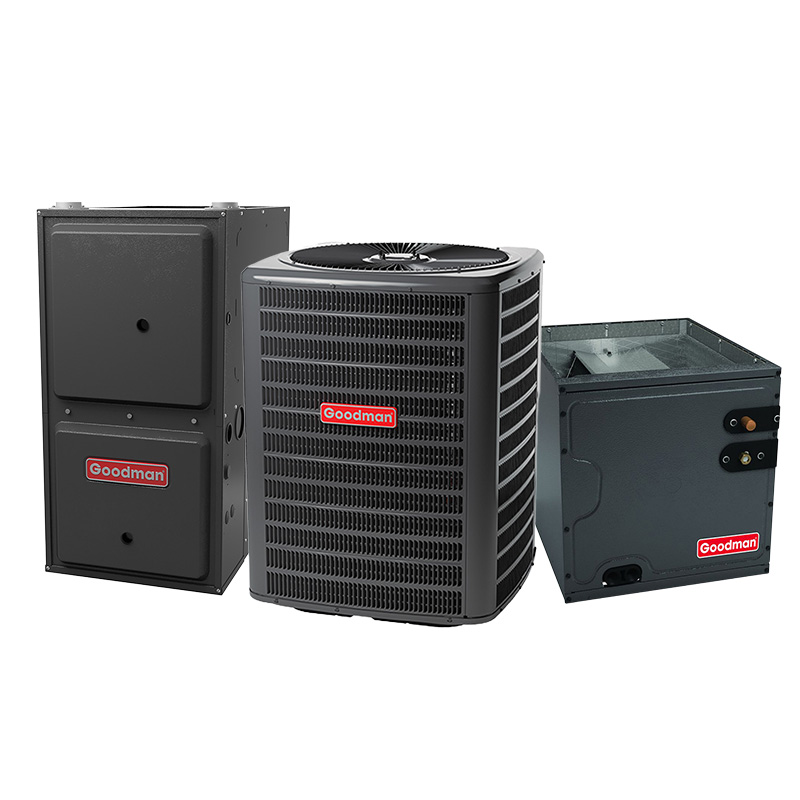
Goodman 1.5 Ton Dual Fuel Hybrid Heat Pump System – 60000 BTU California Ultra-Low NOx Single Stage Gas Furnace, 96% AFUE, Upflow, 15.2 SEER2, R32
View on AC Direct see your lowest price →Check current price on AC Direct →
Key features
- 15.2 SEER2 heat pump with R-32 refrigerant for lower global warming potential
- 96% AFUE single-stage gas furnace for high-efficiency gas backup heating
- Dual fuel hybrid operation automatically selects the lowest-cost heating source
- California Ultra-Low NOx certified furnace, compliant with strict CA air quality rules
- Upflow configuration for standard basement or closet installations
- 1.5-ton capacity sized for smaller homes and well-insulated spaces
About this system
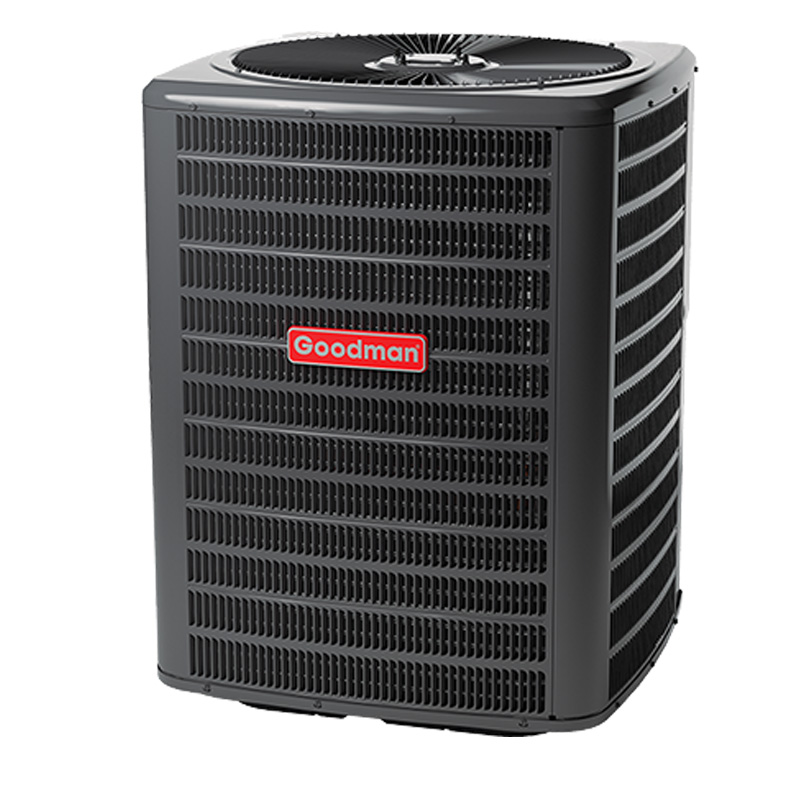
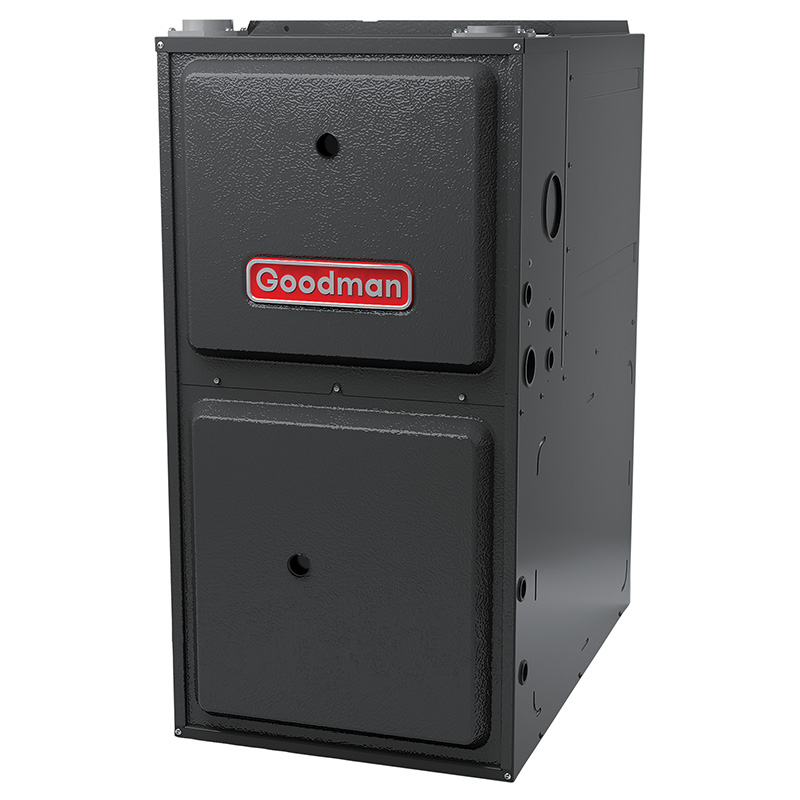
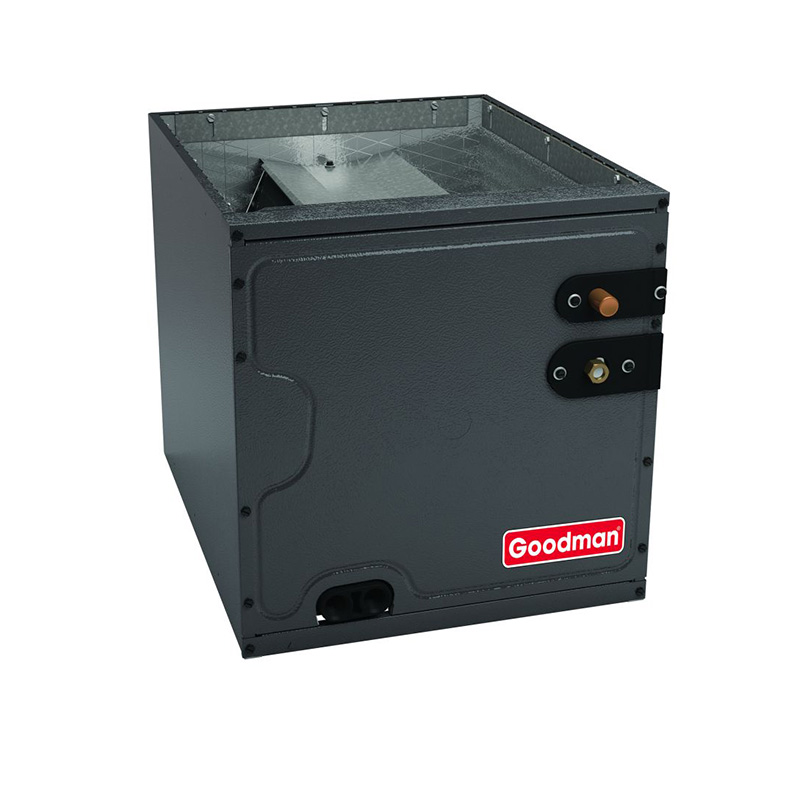
The Goodman 1.5 Ton Dual Fuel Hybrid Heat Pump System pairs a 15.2 SEER2 heat pump with a 96% AFUE, 60,000 BTU single-stage gas furnace in an upflow configuration. The dual fuel setup means the system automatically shifts between electric heat pump operation and gas heat depending on outdoor temperatures, giving you the efficiency of a heat pump during mild weather and the raw heating capacity of natural gas when temperatures drop hard. That combination suits smaller homes and well-insulated conditioned spaces in climates that see genuine cold snaps but also long moderate stretches where a heat pump alone shines.
The R-32 refrigerant is a meaningful spec here. R-32 has a global warming potential roughly 68 percent lower than the R-410A it replaces, and it also operates at slightly higher efficiency, which helps support the 15.2 SEER2 rating. The California Ultra-Low NOx furnace designation means the gas side meets California’s strict nitrogen oxide emissions limits, making this system eligible for installation in California air quality districts that prohibit standard NOx furnaces. If you live outside California, the low-NOx compliance is a non-issue operationally, but it does not hurt anything either. At 1.5 tons with a single-stage compressor, this is a straightforward system best suited to homes roughly 600 to 900 square feet depending on local climate and insulation levels.
This Goodman dual fuel system delivers solid efficiency credentials and a genuinely useful hybrid heating setup at a price point that undercuts major premium brands by 15 to 25 percent. The trade-off is that long-term reliability leans heavily on how well the system is installed and maintained, and Goodman's documented track record shows some owners facing repair costs after year 7. For buyers who want dual fuel capability without paying a Carrier or Trane premium, this is a credible option, but only if paired with a skilled installer.
Overall score is the average of the five ratings above.
What we like
- 15.2 SEER2 and 96% AFUE together produce genuinely low operating costs across both heating modes
- R-32 refrigerant is more environmentally responsible than R-410A and supports long-term regulatory compliance
- Dual fuel hybrid logic minimizes energy costs by using gas only when it beats the heat pump on cost or capacity
- California Ultra-Low NOx certification opens the door for installation in restricted California air districts
- Purchase price typically 15 to 25 percent below comparable Trane, Lennox, and Carrier equipment
Trade-offs
- Single-stage operation means the system runs at full capacity or not at all, which can cause humidity and comfort issues in mild weather
- Goodman compressors average 10 to 14 years versus 15 to 20 for premium brands, a meaningful long-term reliability gap
- Dual-run capacitor failures are the most commonly reported repair, and while usually a low-cost fix, they tend to repeat
- A minority of owners report refrigerant leaks within the first year, typically tied to install or initial charge quality rather than the equipment itself
What homeowners and pros say about Goodman
Homeowners who share feedback on Goodman equipment tend to land in two camps. Buyers who had the system properly sized and installed by an experienced contractor frequently point to the lower purchase price and reasonable energy bills as genuine wins. Goodman’s Google dealer reviews average around 3.8 out of 5, and affordability is consistently the most praised factor across those reviews. On the other hand, ConsumerAffairs scores sit at roughly 2.5 out of 5, and that channel skews toward owners who have had problems. The recurring pattern in those lower ratings is repair costs climbing after roughly year 7, which aligns with what technicians know about Goodman’s documented failure modes: dual-run capacitor failures are the most commonly reported issue, evaporator coil leaks appear in a meaningful share of reviews, and compressor lifespan averages 10 to 14 years rather than the 15 to 20 years seen in premium brands.
HVAC professionals tend to view Goodman equipment as workable but installation-dependent. Technicians consistently cite install quality as the single biggest factor in how long a Goodman system lasts, which means the contractor you hire matters as much as the equipment itself. The first-year refrigerant leaks that some owners report are widely attributed to improper charging at installation rather than a defect in the unit. For a dual fuel hybrid system like this one, where the controls and balance point setup require careful commissioning, that installer-quality caveat carries extra weight. Buyers who treat the savings on equipment as budget to spend on a more experienced installer tend to report better long-term outcomes.
Sources: ConsumerAffairs Goodman owner reviews, AHRI Directory of Certified Product Performance, U.S. DOE appliance and equipment efficiency standards, Goodman product specification sheets.
What it costs to run
At 15.2 SEER2, cooling this 1.5-ton system for a typical 1200-hour cooling season at the U.S. average electricity rate of $0.17/kWh works out to roughly $242 per year in cooling, about $32 less per year than a minimum-efficiency 13.4 SEER2 unit of the same size. Your real cost depends on your climate and local rate.
Method: (18,000 BTU/hr ÷ 15.2 SEER2) × 1200 hours ÷ 1000 × $0.17/kWh. Rate source: U.S. EIA average; cooling hours: moderate-climate estimate.
How it compares
| Brand | Comparable model | SEER2 | Stage | Price position |
|---|---|---|---|---|
| Goodman | Dual Fuel Hybrid System 1.5T / 60k BTU 96% AFUE | 15.2 | Single-stage | Value pick |
| Carrier | Performance Series Dual Fuel (25HCE3 / 59TP6) | 15.2 | Single-stage | Typically 15 to 25 percent more than Goodman |
| Trane | XR15 Dual Fuel System (XR15 / S9X2) | 15.0 | Single-stage | Typically 15 to 25 percent more than Goodman |
| Lennox | Merit Series Dual Fuel (14HPX / ML196) | 15.0 | Single-stage | Typically 15 to 25 percent more than Goodman |
Competitor rows are comparable single-stage units at similar efficiency; price is relative position, not a quote.
Questions about this system
How does the dual fuel system decide when to use the heat pump versus the gas furnace?
The system uses a balance point temperature, typically set during installation, below which gas heat becomes more economical or necessary for adequate capacity. Above that point the heat pump handles heating; below it the gas furnace takes over. Your installer should set this balance point based on your local utility rates and climate.
Is this system actually required to comply with California NOx rules, or is the low-NOx furnace just a nice-to-have?
If you are installing in a California air district that enforces Ultra-Low NOx rules, such as the South Coast AQMD, the low-NOx rating is a hard requirement, not optional. Outside California it has no regulatory significance but does not affect performance or efficiency.
What are the most likely repairs I should budget for over the first ten years?
Dual-run capacitor replacement is the most commonly reported issue with Goodman equipment and typically costs between 300 and 600 dollars including a service call. Evaporator coil leaks have also appeared in a meaningful share of owner reports, and a small number of owners have reported refrigerant leaks in the first year, which are usually tied to installation quality.
Does the 1.5-ton size make sense for my home, and how do I know if it is correct?
A proper Manual J load calculation by your HVAC contractor is the only reliable way to confirm sizing for your specific home. As a rough reference, 1.5 tons is often appropriate for homes in the 600 to 900 square foot range with average insulation, but climate, ceiling height, window area, and local conditions all shift that number significantly.
What does Goodman's warranty cover on this system, and what should I watch out for?
Goodman typically offers a 10-year parts warranty when the equipment is registered within a set window after installation, covering components including the compressor and heat exchanger. Labor is not covered, which means out-of-pocket repair costs can still be substantial after year one. Confirm registration requirements with your installer at the time of purchase.
Specifications
| Cooling capacity | 1.5 Ton |
| Efficiency | 15.2 SEER2 |
| Furnace output | 60000 BTU |
| Furnace efficiency | 96% AFUE |
| Configuration | Upflow |
| Refrigerant | R-32 |