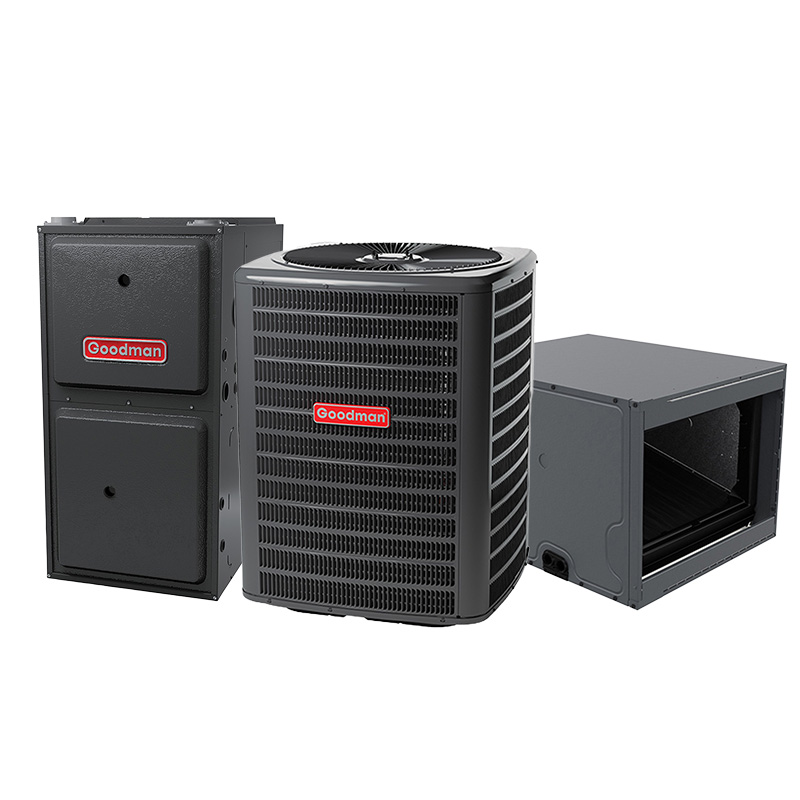
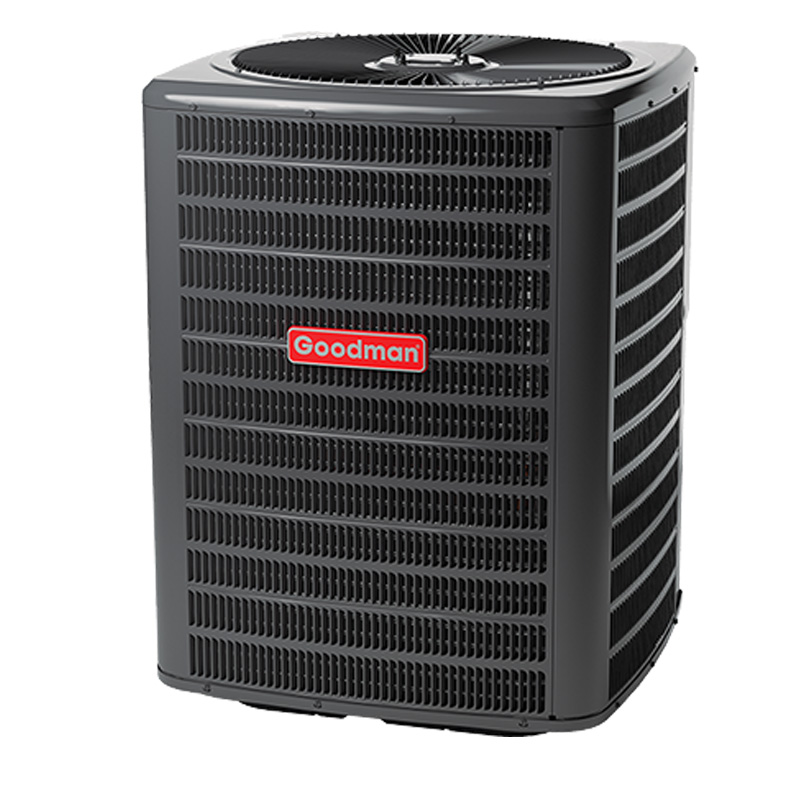
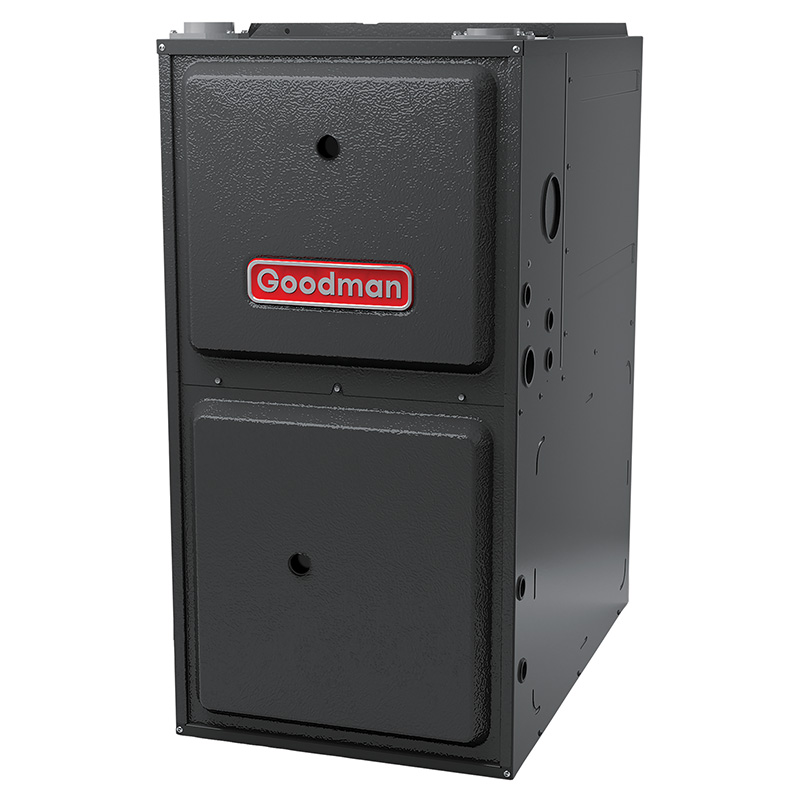
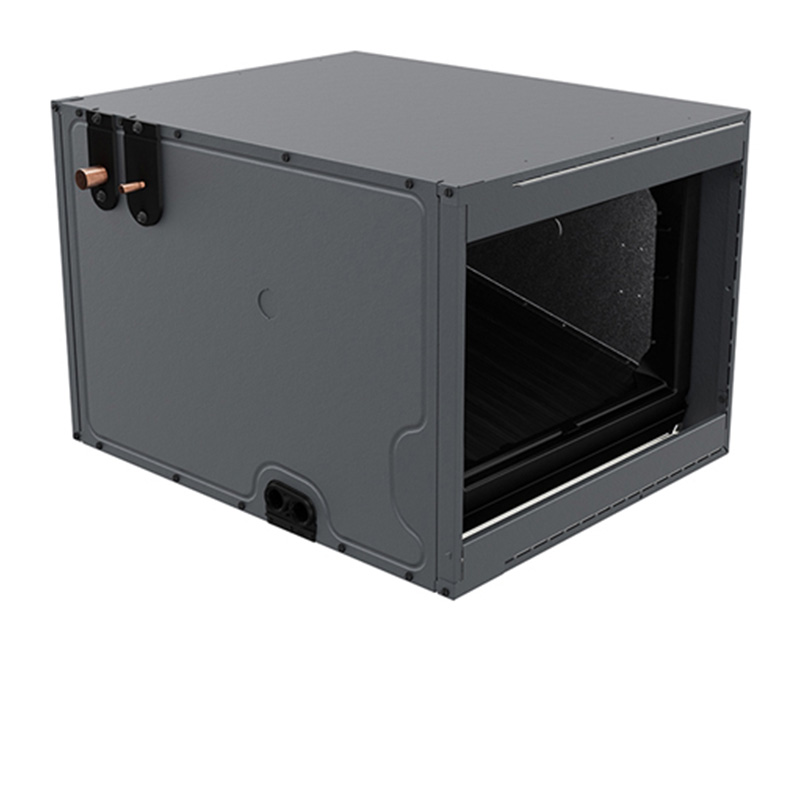
Goodman 1.5 Ton Dual Fuel Hybrid Heat Pump System – 60000 BTU Gas Furnace, 96% AFUE, 15.2 SEER2, Horizontal, R32
View on AC Direct see your lowest price →Check current price on AC Direct →
Key features
- 15.2 SEER2 heat pump efficiency with R-32 refrigerant
- 96% AFUE gas furnace rated at 60,000 BTU for high-efficiency backup heat
- Dual-fuel hybrid logic automatically switches between electric heat pump and gas furnace based on outdoor temperature
- Horizontal configuration designed for attic, crawl-space, or side-discharge installations
- R-32 refrigerant offers lower global warming potential than legacy R-410A systems
- Priced approximately 15 to 25 percent below comparable Trane, Carrier, and Lennox dual-fuel systems
About this system
The Goodman 1.5 Ton Dual Fuel Hybrid Heat Pump System pairs a 15.2 SEER2 heat pump with a 60,000 BTU, 96% AFUE gas furnace in a horizontal configuration, making it a compact and efficient option for homes where attic or crawl-space installations are the only viable route. The dual-fuel setup is the real selling point here: the system defaults to the heat pump for mild-weather heating, which runs on cheaper electricity, and automatically switches to the gas furnace when outdoor temperatures drop low enough that gas combustion becomes the more economical and effective choice. For homeowners in mixed-climate zones, that switchover logic can meaningfully reduce annual energy bills compared to a standalone gas system.
The R-32 refrigerant is a notable upgrade over older R-410A systems. R-32 has a lower global warming potential and is somewhat more efficient in heat transfer, which is part of why this unit reaches the 15.2 SEER2 rating from a 1.5-ton frame. At 96% AFUE, almost all of the gas consumed is converted to usable heat, which puts the furnace side in the high-efficiency tier. The horizontal-only configuration does narrow the installer pool slightly, as not every technician works frequently with horizontal air handlers, and proper installation in a cramped attic or crawl space is critical to long-term performance. Goodman positions this system roughly 15 to 25 percent below comparable offerings from Trane, Carrier, and Lennox, which makes it an appealing entry point for budget-conscious buyers who are comfortable with the brand’s reliability track record.
This system delivers a genuinely efficient dual-fuel package at a price that undercuts the major premium brands by a meaningful margin, and the 96% AFUE furnace combined with 15.2 SEER2 is a strong efficiency pairing for a value-tier product. The trade-off is Goodman's documented reliability ceiling: compressors tend to age out earlier than premium-brand counterparts, and repair costs that surface after year 7 can quietly erode the upfront savings. If you commit to a highly rated installer and budget for routine maintenance, this system earns its price point.
Overall score is the average of the five ratings above.
What we like
- Dual-fuel operation reduces heating costs by using the heat pump during milder temperatures and gas only when it is more efficient
- 96% AFUE places the furnace in the high-efficiency tier, minimizing wasted fuel
- 15.2 SEER2 rating keeps cooling costs competitive for a value-brand system
- R-32 refrigerant is more environmentally responsible than R-410A and supports efficient heat transfer
- Lower purchase price than Carrier, Trane, or Lennox equivalents, typically by 15 to 25 percent
Trade-offs
- Compressor lifespan averages 10 to 14 years, notably shorter than the 15 to 20 years commonly seen in premium brands
- Evaporator coil leaks appear in a meaningful share of owner reports, a potential mid-life repair expense
- Horizontal-only configuration limits installer options and demands careful attention to pitch, drainage, and access during setup
- A minority of owners report refrigerant leaks within the first year, typically traced to install or charge issues rather than the equipment itself
What homeowners and pros say about Goodman
On Google dealer review pages, where ratings for Goodman installers cluster around 3.8 out of 5, the most consistent praise is straightforward: the equipment costs less and does what it is supposed to do when it is properly set up. Homeowners who report positive experiences frequently credit their installer as much as the equipment itself, which aligns with what HVAC technicians say about the brand, that Goodman’s long-term performance lives or dies on the quality of the original installation. Dual-fuel systems in particular require correct balance-point calibration and careful refrigerant charging, and technicians note that when those steps are skipped or rushed, the first-year refrigerant leaks that show up in a minority of owner reports are almost always the result.
On ConsumerAffairs, where Goodman scores roughly 2.5 out of 5 on a channel that naturally draws complaints rather than satisfied owners, the recurring story is not catastrophic early failure but a gradual accumulation of repair costs after about year 7. The documented failure modes follow a recognizable pattern: dual-run capacitors go first, usually a manageable 300 to 600 dollar fix; evaporator coil leaks surface in a meaningful share of units as they age; and compressors that in premium brands might reach 15 to 20 years tend to average out at 10 to 14 years in Goodman equipment. For a buyer who understands that reality upfront and prices the system accordingly, this dual-fuel hybrid can still represent sound value. For a buyer expecting set-it-and-forget-it longevity, that expectation needs to be adjusted before purchase.
Sources: ConsumerAffairs Goodman owner reviews, AHRI Directory of Certified Product Performance, U.S. DOE appliance and equipment efficiency standards, Goodman product specification sheets.
What it costs to run
At 15.2 SEER2, cooling this 1.5-ton system for a typical 1200-hour cooling season at the U.S. average electricity rate of $0.17/kWh works out to roughly $242 per year in cooling, about $32 less per year than a minimum-efficiency 13.4 SEER2 unit of the same size. Your real cost depends on your climate and local rate.
Method: (18,000 BTU/hr ÷ 15.2 SEER2) × 1200 hours ÷ 1000 × $0.17/kWh. Rate source: U.S. EIA average; cooling hours: moderate-climate estimate.
How it compares
| Brand | Comparable model | SEER2 | Stage | Price position |
|---|---|---|---|---|
| Goodman | Dual Fuel Hybrid Heat Pump System (this unit) | 15.2 | Single-stage | Value pick |
| Carrier | Performance Series Dual Fuel (25HCB / 59TP6) | 15.2 | Single-stage | Typically 15 to 25 percent more than Goodman |
| Trane | XR15 Dual Fuel (XR15 heat pump / S9X1 furnace) | 15.0 | Single-stage | Typically 15 to 25 percent more than Goodman |
| Lennox | Merit Series Dual Fuel (14HPX / ML196 furnace) | 15.1 | Single-stage | Typically 15 to 25 percent more than Goodman |
Competitor rows are comparable single-stage units at similar efficiency; price is relative position, not a quote.
Questions about this system
At what outdoor temperature does this system switch from the heat pump to the gas furnace?
The switchover temperature, often called the balance point, is typically set by your installer during commissioning and commonly falls between 35 and 40 degrees Fahrenheit, though it can be adjusted based on your local climate and utility rates. Below that threshold, the 60,000 BTU gas furnace takes over because it becomes more cost-effective than running the heat pump in very cold air. Getting this setting right for your specific location is one reason installer expertise matters on a dual-fuel system.
Is the horizontal-only configuration a problem for my installation?
Horizontal units are specifically designed for attic or crawl-space installs where the airflow runs side to side rather than vertically, and they work well in those applications when the unit is properly leveled and the condensate drain is correctly pitched. The limitation is that you cannot use this air handler in an upflow or downflow closet installation. Make sure your installer has direct experience with horizontal configurations, since improper leveling is a documented cause of condensate and drainage issues.
How serious is the dual-run capacitor failure issue that Goodman owners report?
Dual-run capacitors are the most frequently cited failure point in Goodman systems, but the repair is generally straightforward and costs most homeowners between 300 and 600 dollars including labor. It is worth enrolling in an annual maintenance plan so a technician can test capacitor health each season before a failure strands you without cooling or heating. Catching a weakening capacitor during a tune-up is far less disruptive than an emergency service call.
Does the 1.5-ton size make sense for my home, given the 60,000 BTU furnace?
The 1.5-ton heat pump and the 60,000 BTU furnace are sized independently and serve different functions in a dual-fuel system, so a mismatch between them is by design rather than an error. The heat pump handles cooling and mild-weather heating for the square footage matched to 1.5 tons, while the furnace provides backup heat capacity that may cover a larger area. A Manual J load calculation by your HVAC contractor is the only reliable way to confirm both components are properly sized for your specific home.
What does R-32 refrigerant mean for future servicing and cost?
R-32 is becoming more widely available as the HVAC industry moves away from R-410A, and it requires less refrigerant by volume to achieve the same capacity, which can reduce recharge costs slightly. Technicians do need EPA certification to handle it, and not every service company in every market will have R-32 in stock, so it is worth confirming that your preferred service provider is equipped before you commit to the system. Over the medium term, R-32 availability is expected to improve as it becomes the dominant refrigerant in new residential equipment.
Specifications
| Cooling capacity | 1.5 Ton |
| Efficiency | 15.2 SEER2 |
| Furnace output | 60000 BTU |
| Furnace efficiency | 96% AFUE |
| Configuration | Horizontal |
| Refrigerant | R-32 |