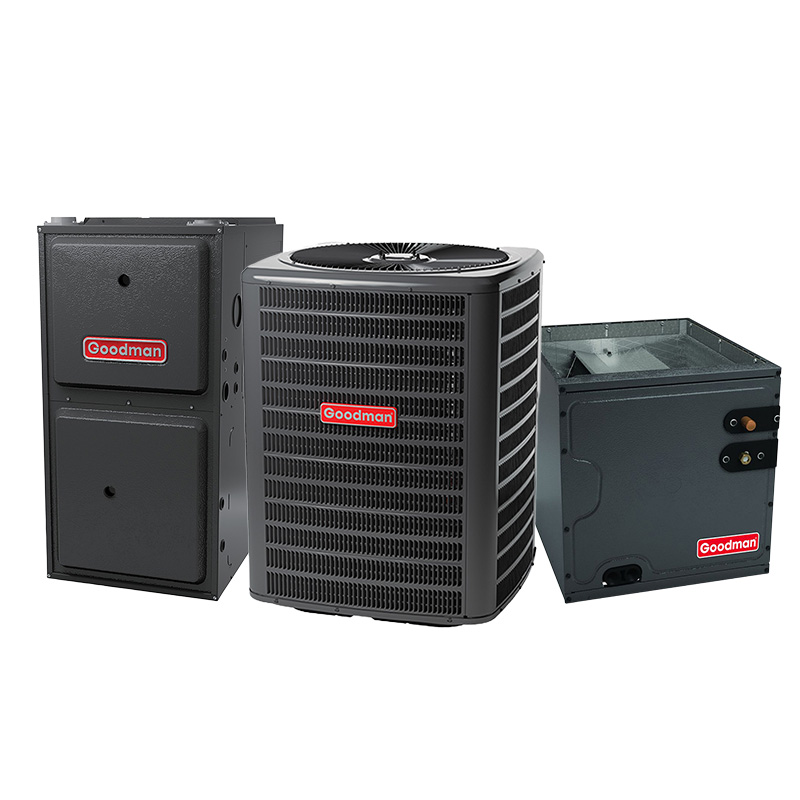
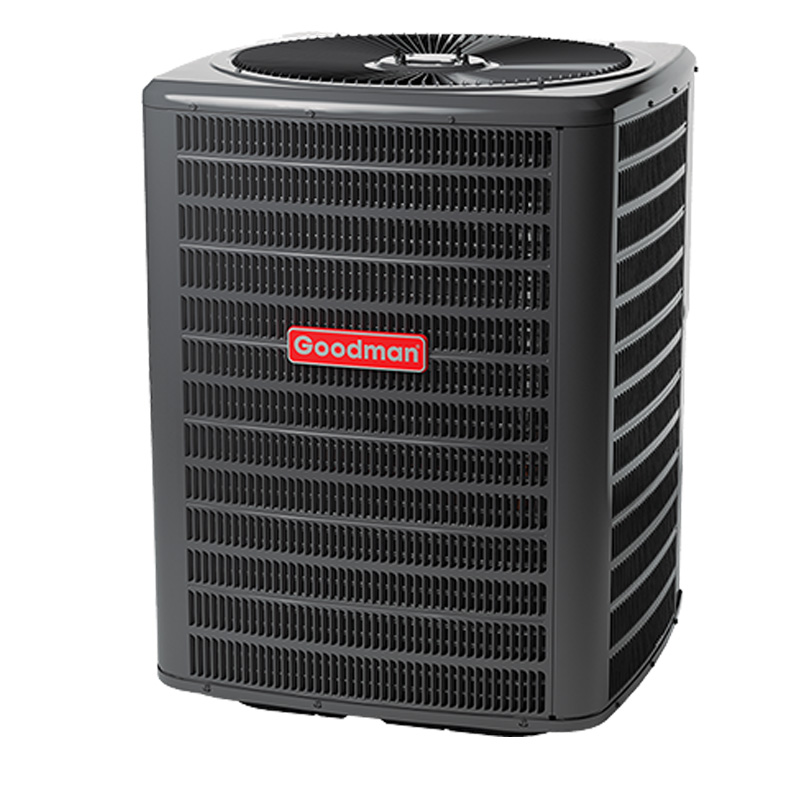
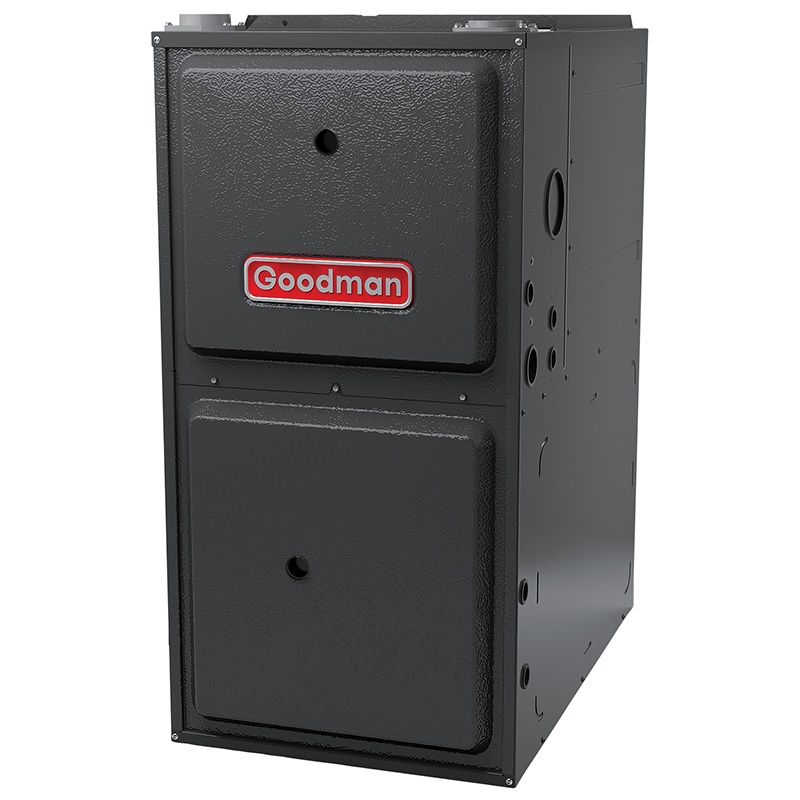
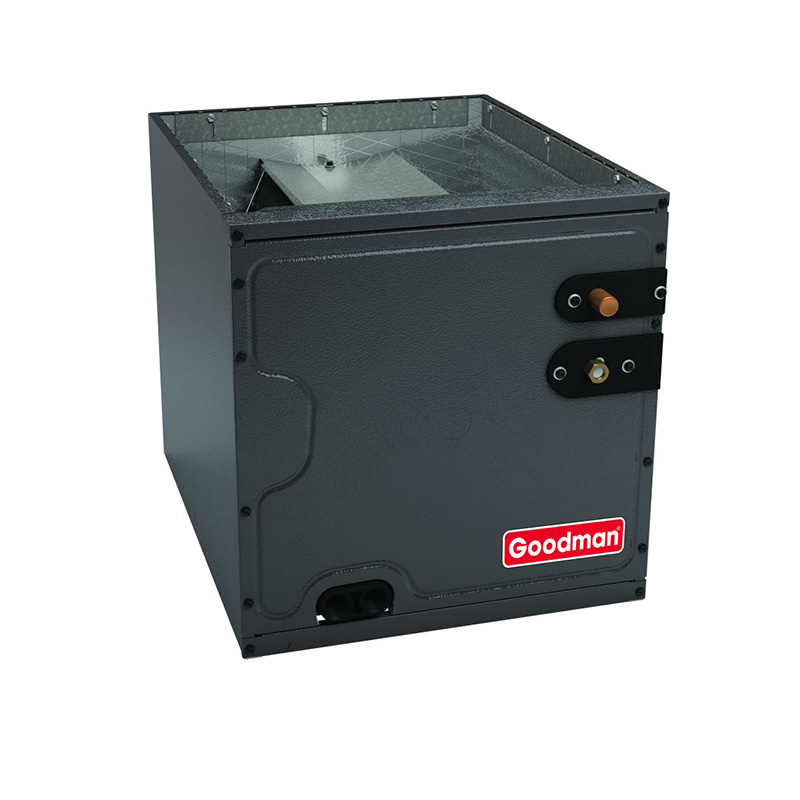
Goodman 1.5 Ton Dual Fuel Hybrid Heat Pump System – 60000 BTU Gas Furnace, Two Stage, 96% AFUE, Upflow, 15.2 SEER2, R32
View on AC Direct see your lowest price →Check current price on AC Direct →
Key features
- Dual fuel hybrid operation: heat pump runs in mild weather, gas furnace takes over when temperatures drop below the balance point
- 60,000 BTU two-stage gas furnace rated at 96% AFUE for high-efficiency combustion
- 15.2 SEER2 heat pump efficiency rating, meeting current DOE minimum standards for most U.S. climate regions
- R-32 refrigerant with lower global warming potential than legacy R-410A systems
- Upflow air handler configuration for basement or ground-level installations with ductwork above
- 1.5-ton (18,000 BTU/h) cooling and heating capacity suited to smaller conditioned spaces
About this system
The Goodman 1.5-ton dual fuel hybrid system pairs a 15.2 SEER2 heat pump with a 60,000 BTU, 96% AFUE two-stage gas furnace in an upflow configuration. Dual fuel means the system automatically switches between electric heat pump operation and gas heat depending on outdoor temperatures, letting you lean on the more cost-efficient energy source at any given moment. At 1.5 tons, this system is sized for smaller homes, typically in the 600 to 900 square foot range depending on climate, insulation, and ceiling height, so a proper Manual J load calculation before purchase is not optional.
The two-stage furnace fires at a reduced capacity for most heating loads and steps up to full output only on the coldest days. Combined with the R-32 refrigerant charge, which carries a lower global warming potential than older R-410A systems, this configuration reflects a reasonably current equipment standard. R-32 also operates at somewhat different pressures than R-410A, so any technician who services this unit needs to be familiar with that refrigerant. The 96% AFUE rating means nearly all the gas combusted becomes usable heat, placing this furnace in the high-efficiency tier and making it eligible for certain utility rebates in many states.
This system suits homeowners in mixed climates, particularly those in IECC zones 3 through 5, who want the flexibility of gas backup without giving up the efficiency advantages of heat pump operation during mild weather. It is a genuine budget-to-mid option: you get solid specs at a lower initial cost than Carrier, Trane, or Lennox equivalents, with the understanding that long-term performance depends heavily on who installs it and how well the refrigerant charge and airflow are set up on day one.
This Goodman hybrid system delivers a competitive spec sheet at a price point that undercuts major premium brands by 15 to 25 percent, and the 96% AFUE two-stage furnace paired with a 15.2 SEER2 heat pump is a genuinely capable combination for mixed-climate homes. The trade-off is a brand track record that shows real reliability concerns after year seven or eight, and documented failure modes in capacitors, evaporator coils, and compressor longevity that buyers should budget for. If you have a skilled installer and a plan for maintenance, the value case holds; if either of those is uncertain, the savings gap versus a premium brand narrows quickly.
Overall score is the average of the five ratings above.
What we like
- Upfront cost is meaningfully lower than comparable Carrier, Trane, or Lennox dual fuel systems
- 96% AFUE furnace qualifies as high efficiency and may be eligible for utility rebates
- Two-stage furnace operation reduces temperature swings and short-cycling compared to single-stage units
- R-32 refrigerant is a more environmentally current choice with a lower global warming potential
- Dual fuel logic optimizes between gas and electric heat, which can reduce operating costs in climates with variable utility rates
Trade-offs
- Compressor lifespan averages 10 to 14 years versus 15 to 20 years reported for premium brands, meaning earlier replacement costs are a realistic possibility
- Evaporator coil leaks appear in a meaningful share of owner reviews and can be expensive to address out of warranty
- Dual-run capacitor failures are the most commonly reported repair, typically in the $300 to $600 range and often occurring within the first decade
- A minority of owners report refrigerant leaks within the first year, most often traced to installation or charge errors rather than the equipment itself
What homeowners and pros say about Goodman
Homeowners who review Goodman equipment on ConsumerAffairs give the brand roughly 2.5 out of 5 stars, and it is worth understanding what that number reflects: ConsumerAffairs skews heavily toward people who had a problem, which means satisfied owners are underrepresented. The recurring theme in those complaints is repair costs climbing after roughly year seven, which aligns with the documented failure modes. Dual-run capacitors are the most frequently reported breakdown, and while the fix itself typically runs $300 to $600, it becomes frustrating when it happens repeatedly. Evaporator coil leaks show up in a meaningful share of reports as well, and those are considerably more expensive to address. Compressor longevity sits in the 10-to-14-year range on average, noticeably shorter than the 15-to-20-year averages associated with premium brands.
On the other side of the ledger, Google dealer reviews for Goodman-installing contractors average around 3.8 out of 5 across several hundred reviews per location, and the most common praise is straightforward: the equipment does the job at a price that makes sense. HVAC technicians who are candid about the brand tend to say the same thing: a properly installed and regularly maintained Goodman holds up reasonably well for the first several years, and the lower upfront cost can absorb a repair or two before you reach what you would have spent on a Carrier, Trane, or Lennox at purchase. Where the calculus shifts is for buyers who skip annual maintenance or work with an installer who does not commission the system carefully, particularly on a dual fuel setup where refrigerant charge, balance point programming, and airflow all need to be right from day one. For this 1.5-ton hybrid system, that installation precision matters even more because a sizing or charge error on a smaller system tends to show up faster in comfort complaints and efficiency losses.
Sources: ConsumerAffairs Goodman owner reviews, AHRI Directory of Certified Product Performance, U.S. DOE appliance and equipment efficiency standards, Goodman product specification sheets.
What it costs to run
At 15.2 SEER2, cooling this 1.5-ton system for a typical 1200-hour cooling season at the U.S. average electricity rate of $0.17/kWh works out to roughly $242 per year in cooling, about $32 less per year than a minimum-efficiency 13.4 SEER2 unit of the same size. Your real cost depends on your climate and local rate.
Method: (18,000 BTU/hr ÷ 15.2 SEER2) × 1200 hours ÷ 1000 × $0.17/kWh. Rate source: U.S. EIA average; cooling hours: moderate-climate estimate.
How it compares
| Brand | Comparable model | SEER2 | Stage | Price position |
|---|---|---|---|---|
| Goodman | Dual Fuel Hybrid System (this unit) | 15.2 | two-stage | Value pick |
| Carrier | Performance Series Dual Fuel (25HCE6) | 15.2 | single-stage | Typically 15 to 25 percent more than this Goodman system |
| Trane | XR15 Dual Fuel System | 15.0–15.5 | single-stage | Typically 15 to 25 percent more than this Goodman system |
| Lennox | Merit Series ML14XC1 Dual Fuel System | 15.0–15.2 | single-stage | Typically 15 to 25 percent more than this Goodman system |
Competitor rows are comparable single-stage units at similar efficiency; price is relative position, not a quote.
Questions about this system
What outdoor temperature does the system switch from heat pump to gas furnace?
The crossover point, called the balance point, is set during installation based on your local climate and utility rates. It is typically programmed somewhere between 25 and 40 degrees Fahrenheit. A qualified technician should set this during commissioning; if it is set incorrectly, you may end up relying on the less efficient source more than necessary.
Is R-32 refrigerant harder or more expensive to service than R-410A?
R-32 requires technicians who are familiar with its handling, as it operates at different pressures and has mildly flammable properties under certain conditions. It is not exotic, but you should confirm before hiring a service company that their technicians have experience with R-32 systems. Refrigerant cost itself is generally comparable to R-410A.
How do I know if 1.5 tons is actually the right size for my home?
A Manual J load calculation is the only reliable way to confirm sizing. Rules of thumb based solely on square footage routinely produce oversized or undersized systems, both of which hurt comfort and efficiency. Ask your contractor to provide the calculation in writing before any equipment is ordered.
What warranty comes with this Goodman dual fuel system?
Goodman typically offers a 10-year parts limited warranty when the unit is registered within a specified window after installation. The compressor often carries its own coverage term within that warranty. Read the warranty documentation carefully for registration deadlines, exclusions, and what labor coverage, if any, is included, since labor costs are generally not covered by the manufacturer.
Given Goodman's reliability reviews, is there anything I can do to improve the odds of a longer service life?
Install quality is the single most cited factor in how long a Goodman system lasts, so vetting your contractor carefully matters more than with premium brands. Beyond that, annual maintenance including capacitor inspection, coil cleaning, and refrigerant level checks can catch the most commonly reported failure modes before they become major repairs. Dual-run capacitor replacement, the most frequent documented fix, is inexpensive when caught early.
Specifications
| Cooling capacity | 1.5 Ton |
| Efficiency | 15.2 SEER2 |
| Furnace output | 60000 BTU |
| Furnace efficiency | 96% AFUE |
| Configuration | Upflow |
| Refrigerant | R-32 |