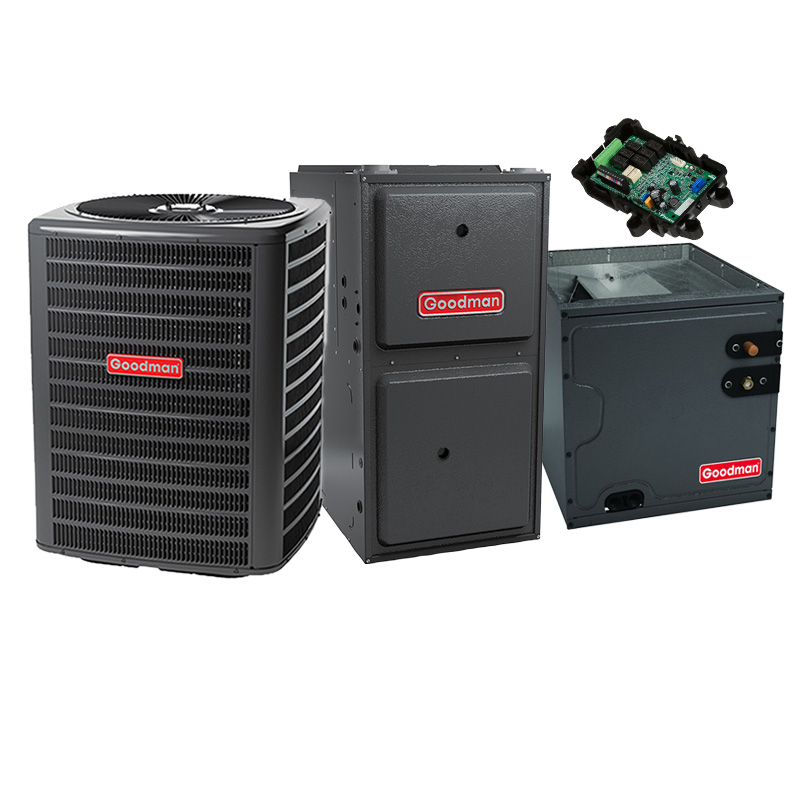
Goodman 2.5 Ton 13.4 SEER2 60000 BTU 96% AFUE Gas Furnace With R32 Air Condenser and Coil System – Upflow
View on AC Direct see your lowest price →Check current price on AC Direct →
Key features
- 2.5-ton cooling capacity suited to smaller homes and zone applications
- 13.4 SEER2 efficiency rating meets current federal minimum standards
- 96% AFUE gas furnace delivers high heating efficiency with minimal waste
- R-32 refrigerant with lower global-warming potential than R-410A
- Upflow configuration designed for basement or utility-closet installations
- Bundled condenser, evaporator coil, and furnace for matched system compatibility
About this system
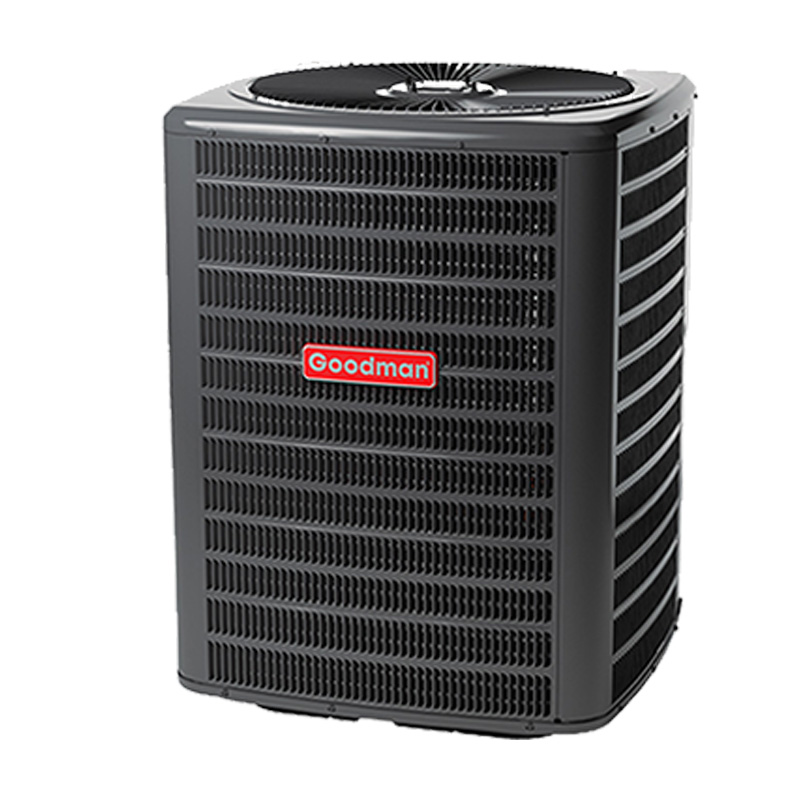
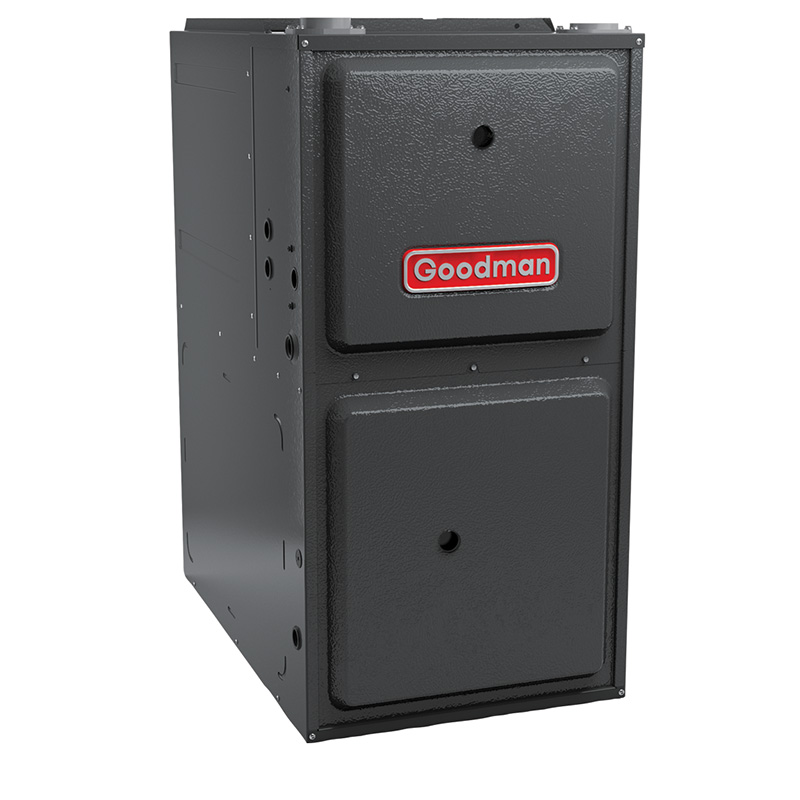
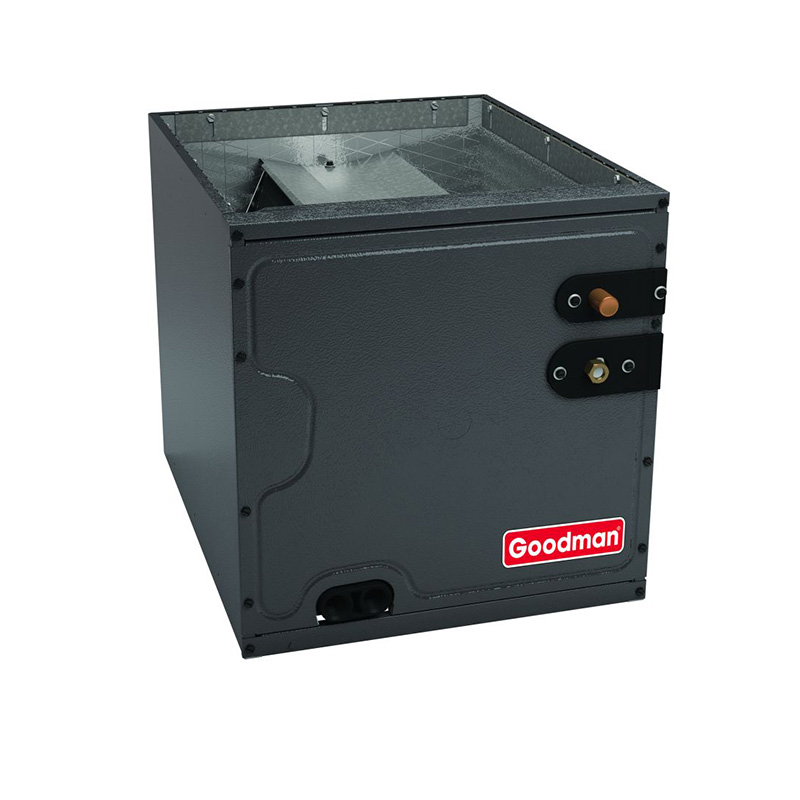
This Goodman upflow system bundles a 2.5-ton R-32 air condenser, a matching evaporator coil, and a 60,000 BTU 96% AFUE gas furnace into a single purchase. The 13.4 SEER2 rating sits at the current federal minimum efficiency threshold, which keeps upfront cost low but means operating expenses will run higher over time compared with mid- or high-efficiency alternatives. The 96% AFUE furnace is a genuine highlight: nearly all the gas it burns becomes heat, making it one of the more efficient furnace tiers available and a meaningful upgrade over the 80% AFUE units that dominate the entry-level space.
R-32 refrigerant is worth understanding before you buy. It has a lower global-warming potential than the R-410A it replaces, and it is now the industry standard direction. However, it requires technicians with specific R-32 handling certification, so your service pool may be slightly smaller in rural markets. The upflow configuration suits homes where the furnace sits in a basement or utility closet and air is discharged upward into ceiling ductwork, which is the most common arrangement in the northern and central United States. This system is a practical fit for a smaller home, roughly 1,200 to 1,800 square feet depending on climate and insulation, or a zone in a larger house.
Goodman positions this package as a value-oriented replacement or new-construction option, priced roughly 15 to 25 percent below comparable Trane, Carrier, and Lennox systems. That gap matters most to buyers replacing a failed system on a tight timeline or budget. What you give up is some long-term peace of mind: Goodman’s documented failure history, particularly around capacitors and evaporator coils, means maintenance costs can accelerate after year seven, and compressor longevity tends to trail premium brands.
This system offers a real cost advantage at purchase and a genuinely efficient furnace, making it a reasonable choice when budget is the primary driver. The 13.4 SEER2 cooling efficiency is baseline rather than impressive, and Goodman's track record shows repair costs can climb in the back half of a warranty period. It delivers good value if installed carefully by an experienced contractor, but it asks more of the installer than premium brands do.
Overall score is the average of the five ratings above.
What we like
- Priced 15 to 25 percent below Trane, Carrier, and Lennox equivalents, lowering the barrier to a full system replacement
- 96% AFUE furnace is a high-efficiency tier that reduces monthly heating bills meaningfully versus 80% AFUE units
- Matched coil and condenser ship together, reducing compatibility guesswork for installers
- R-32 refrigerant is the current industry direction, keeping the system relevant for future service
- Upflow design aligns with the most common duct layout in colder-climate homes
Trade-offs
- 13.4 SEER2 is the regulatory floor, not a standout efficiency score, so cooling operating costs will be higher than mid- or high-efficiency alternatives
- Dual-run capacitor failures are a well-documented weak point, typically surfacing as the system ages and adding service calls even when covered costs are low
- Evaporator coil leaks appear in a meaningful share of owner reports, and a minority of owners have reported refrigerant issues within the first year
- Compressor lifespan averages 10 to 14 years versus 15 to 20 years for premium-brand compressors, shortening the practical life of the cooling side
What homeowners and pros say about Goodman
Homeowners who chose Goodman most often point to the upfront savings as the deciding factor, and that feedback shows up consistently in Google dealer reviews, which average around 3.8 out of 5. Praise for affordability is the most repeated theme, along with satisfaction in cases where a contractor handled the installation carefully. The experience tends to be positive in the early years: the system cools and heats reliably, and the 96% AFUE furnace draws genuine appreciation from owners comparing their gas bills to older equipment. The complaints that appear in ConsumerAffairs reviews, where the brand sits at roughly 2.5 out of 5, tend to cluster around the back half of the system’s life, after year seven or so, when repair calls become more frequent and the value calculation shifts.
HVAC technicians who work on Goodman equipment regularly have a more specific view. Dual-run capacitor failures are the most commonly cited repair, a relatively inexpensive fix in the 300 to 600 dollar range but an annoyance that shows up more often than on premium brands. Evaporator coil leaks are a documented concern in a meaningful share of owner reports, and a minority of owners have flagged refrigerant issues in the first year, which pros typically attribute to installation or charge errors rather than a factory defect. Compressor lifespan is the more sobering data point: Goodman compressors tend to average 10 to 14 years in the field, compared with 15 to 20 years on Trane, Carrier, or Lennox units. Technicians consistently emphasize that installation quality is the single biggest variable in how long any Goodman system lasts, which means choosing a contractor with documented experience on Goodman equipment matters as much as the price of the equipment itself.
Sources: ConsumerAffairs Goodman owner reviews, AHRI Directory of Certified Product Performance, U.S. DOE appliance and equipment efficiency standards, Goodman product specification sheets.
What it costs to run
At 13.4 SEER2, cooling this 2.5-ton system for a typical 1200-hour cooling season at the U.S. average electricity rate of $0.17/kWh works out to roughly $457 per year in cooling, about $0 less per year than a minimum-efficiency 13.4 SEER2 unit of the same size. Your real cost depends on your climate and local rate.
Method: (30,000 BTU/hr ÷ 13.4 SEER2) × 1200 hours ÷ 1000 × $0.17/kWh. Rate source: U.S. EIA average; cooling hours: moderate-climate estimate.
How it compares
| Brand | Comparable model | SEER2 | Stage | Price position |
|---|---|---|---|---|
| Goodman | GMVC96 / GSXM4 / CAPF series (this system) | 13.4 | Single-stage | Value pick |
| Carrier | Performance 13 (24ACC3) with 58TP furnace | 13.4 | Single-stage | Roughly 15 to 20 percent higher than this Goodman system |
| Trane | XR13c with S9X1 furnace | 13.4 | Single-stage | Roughly 20 to 25 percent higher than this Goodman system |
| Lennox | Merit 13ACX with ML96 furnace | 13.4 | Single-stage | Roughly 20 to 25 percent higher than this Goodman system |
Competitor rows are comparable single-stage units at similar efficiency; price is relative position, not a quote.
Questions about this system
Does R-32 refrigerant mean I need a specially certified technician for service?
Yes. R-32 is mildly flammable and requires technicians trained and certified for its handling. In most metro areas this is not a problem, but in rural markets you may find fewer service providers who carry R-32 equipment, so it is worth confirming availability with local HVAC companies before purchasing.
What size home is 2.5 tons and 60,000 BTU appropriate for?
As a rough rule, 2.5 tons covers roughly 1,200 to 1,800 square feet in a moderate climate, but the right size depends on ceiling height, insulation, window area, and local weather. A proper Manual J load calculation from your installer will give you a reliable answer for your specific home and avoid the efficiency and comfort problems that come with an oversized or undersized system.
The ConsumerAffairs reviews for Goodman are quite negative. How much weight should I give them?
ConsumerAffairs scores around 2.5 out of 5 for Goodman, but that channel skews heavily toward complaint-driven posts rather than a balanced sample. Google dealer reviews average around 3.8 out of 5, where affordability is frequently mentioned. The truth sits somewhere in between: Goodman is not a premium brand, documented failure modes around capacitors and coil leaks are real, and repair costs do tend to rise after roughly year seven.
Is the 96% AFUE furnace worth the extra cost versus an 80% AFUE model?
In climates with cold winters and high heating loads, the efficiency gap between 80% and 96% AFUE can translate to meaningful annual gas savings, often enough to offset any price difference over a few heating seasons. In mild climates where the furnace runs fewer hours, the payback period stretches out. Your installer can run the numbers based on local gas rates and your estimated heating hours.
Will this system qualify for any federal tax credits or rebates?
The 96% AFUE furnace may qualify for the federal Energy Efficient Home Improvement Credit (25C), but the 13.4 SEER2 air conditioner sits at the baseline efficiency tier and is unlikely to meet the higher SEER2 thresholds required for cooling-side credits. Utility rebates vary by region. Check the DSIRE database and your utility company's website before purchasing, and confirm eligibility with your tax advisor.
Specifications
| Cooling capacity | 2.5 Ton |
| Efficiency | 13.4 SEER2 |
| Furnace output | 60000 BTU |
| Furnace efficiency | 96% AFUE |
| Configuration | Upflow |
| Refrigerant | R-32 |