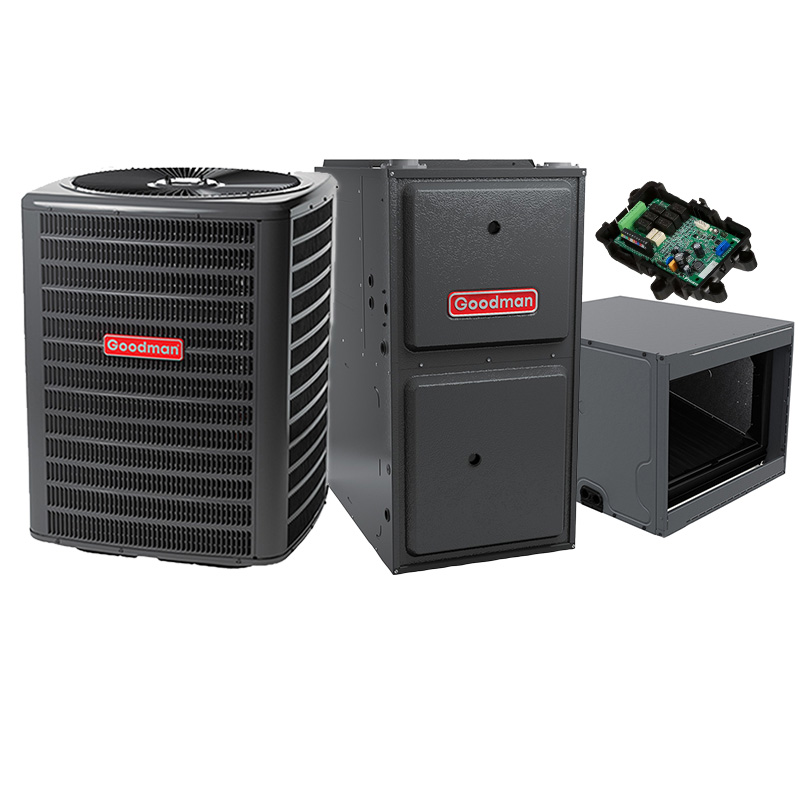
Goodman 2.5 Ton 13.8 SEER2 60000 BTU 96% AFUE Gas Furnace With R32 Air Condenser and Coil System – Horizontal
View on AC Direct see your lowest price →Check current price on AC Direct →
Key features
- 96% AFUE gas furnace reduces heat waste to roughly 4 cents per dollar of gas burned
- 13.8 SEER2 cooling efficiency meets 2023 federal minimums for most U.S. regions
- Horizontal configuration designed for attic, crawlspace, and side-discharge closet installs
- R-32 refrigerant with lower global-warming potential than legacy R-410A systems
- 2.5-ton / 60,000 BTU capacity sized for approximately 1,100 to 1,600 square foot homes
- Goodman factory warranty covers the compressor and major components when registered by the homeowner
About this system
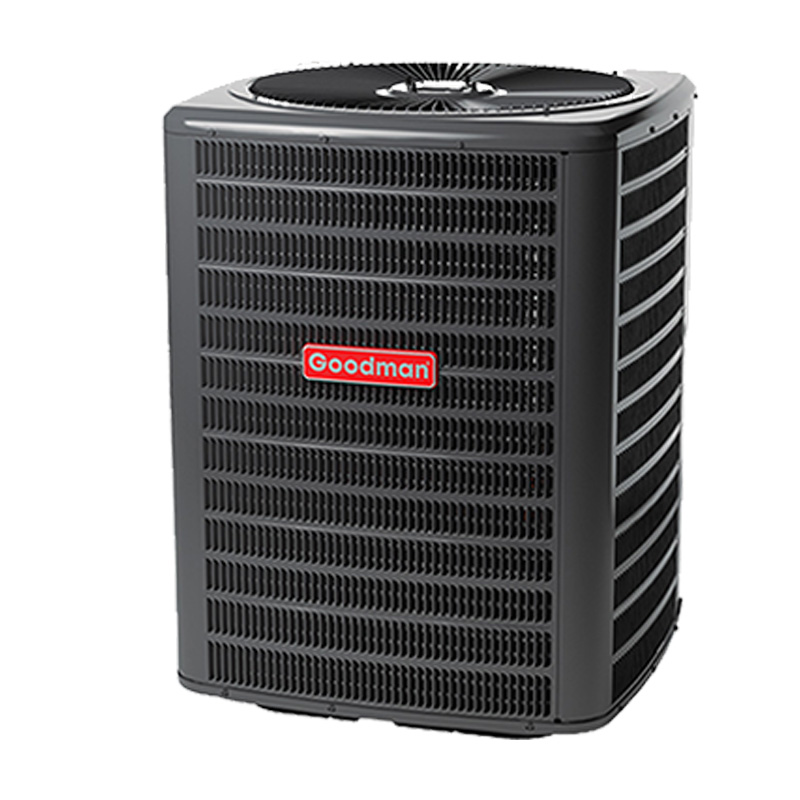
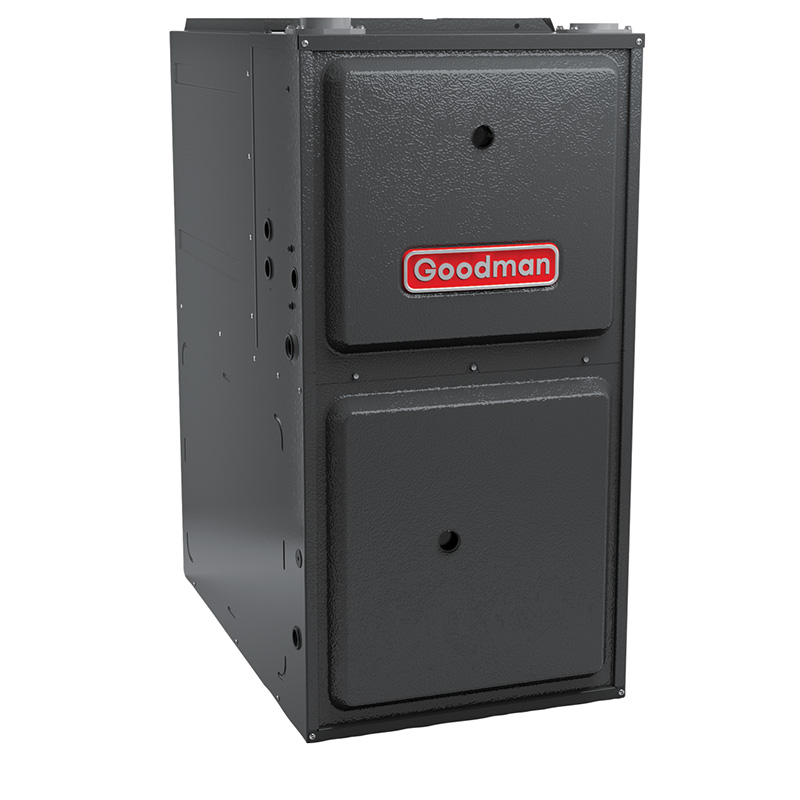
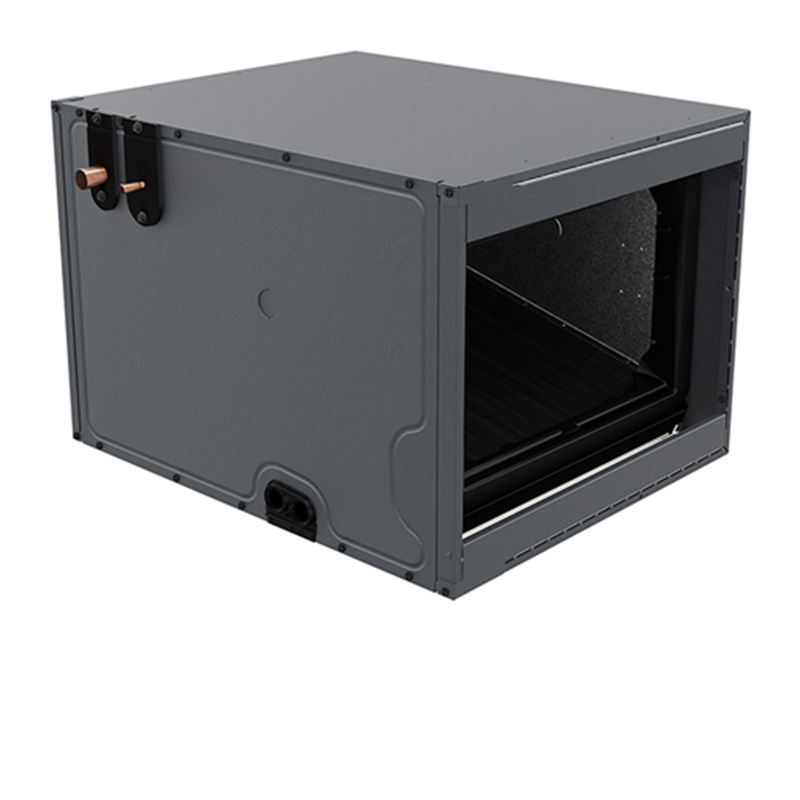
The Goodman 2.5-ton horizontal gas furnace and air condenser system pairs a 96% AFUE gas furnace with a 13.8 SEER2 condenser and matching coil in a horizontal configuration, making it a practical choice for homes where equipment sits in a crawlspace, attic, or closet with side-discharge ductwork. The 2.5-ton capacity and 60,000 BTU output are well suited to homes in the 1,100 to 1,600 square foot range, though a proper Manual J load calculation by your installer should always confirm sizing before purchase. The R-32 refrigerant used in the condenser carries a lower global-warming potential than the R-410A it replaces, and it is increasingly the industry standard as manufacturers phase out older refrigerants ahead of federal regulations.
On the efficiency side, 13.8 SEER2 is the federal minimum for most northern U.S. regions under the 2023 DOE rules, so this system clears the bar but does not exceed it by a meaningful margin. The 96% AFUE furnace is a genuine high-efficiency unit that recovers 96 cents of every dollar of gas burned, which delivers real savings over a standard 80% AFUE furnace in colder climates with long heating seasons. Together the two ratings make this a code-compliant, entry-to-mid tier system that prioritizes upfront affordability over premium operating efficiency or advanced staging features.
This Goodman horizontal system delivers solid high-efficiency heating and code-compliant cooling at a price point that is typically 15 to 25 percent below comparable Carrier, Trane, and Lennox setups. The trade-off is a documented history of mid-life repair costs and a compressor lifespan that trails premium brands by several years. Buyers who want dependable comfort on a tighter budget and plan to stay current on maintenance will find reasonable value here; buyers who want the lowest possible long-term cost of ownership should factor likely repair costs into the decision.
Overall score is the average of the five ratings above.
What we like
- Purchase price runs 15 to 25 percent below comparable Carrier, Trane, and Lennox equipment
- 96% AFUE furnace is a genuine high-efficiency rating, not a mid-grade compromise
- Horizontal configuration is one of the less common factory configurations, useful for specific installs
- R-32 refrigerant positions the system ahead of expected regulatory changes on older refrigerants
- Dual-run capacitor failures, the most common documented issue, are typically inexpensive to repair in the $300 to $600 range
Trade-offs
- 13.8 SEER2 is the regulatory floor for most northern regions, so cooling efficiency is not a strength
- Compressor longevity averages 10 to 14 years versus 15 to 20 years for premium-brand compressors
- Evaporator coil leaks appear in a meaningful share of owner reports, and a minority of owners report refrigerant leaks within the first year
- Overall performance is heavily dependent on installer quality, and a poor installation can accelerate every known failure mode
What homeowners and pros say about Goodman
Homeowners who have purchased Goodman systems tend to land in two camps that mirror the brand’s ratings. On Google dealer reviews, where Goodman equipment averages around 3.8 out of 5 stars across hundreds of reviews per location, the most consistent praise centers on upfront affordability, with buyers noting they got a fully functional system installed for noticeably less than competing bids. On ConsumerAffairs, where the brand scores closer to 2.5 out of 5 on a channel that skews heavily toward people who had problems, the recurring theme is repair bills that begin climbing after roughly year seven, often described as frustrating given the original savings. Neither picture is the complete story; the truth sits between them.
HVAC technicians who work on Goodman equipment regularly point to install quality as the single biggest predictor of how long one of these systems lasts, more so than with premium brands that have tighter internal tolerances. On this specific horizontal system, that observation carries extra weight because horizontal installations in attics and crawlspaces can be physically harder to access, meaning a rushed or imprecise installation is more likely and future service calls can take longer. The most commonly documented failure is the dual-run capacitor, a relatively low-cost repair in the $300 to $600 range. Evaporator coil leaks are a second documented concern in owner reports. Compressor longevity, averaging 10 to 14 years across reported experience, trails the 15 to 20 year average cited for premium-brand compressors, and a small number of owners have reported refrigerant leaks in the first year, most often traced back to installation rather than factory defect. Budgeting for one or two service calls in the back half of the system’s life is a realistic expectation with this equipment.
Sources: ConsumerAffairs Goodman owner reviews, AHRI Directory of Certified Product Performance, U.S. DOE appliance and equipment efficiency standards, Goodman product specification sheets.
What it costs to run
At 13.8 SEER2, cooling this 2.5-ton system for a typical 1200-hour cooling season at the U.S. average electricity rate of $0.17/kWh works out to roughly $443 per year in cooling, about $14 less per year than a minimum-efficiency 13.4 SEER2 unit of the same size. Your real cost depends on your climate and local rate.
Method: (30,000 BTU/hr ÷ 13.8 SEER2) × 1200 hours ÷ 1000 × $0.17/kWh. Rate source: U.S. EIA average; cooling hours: moderate-climate estimate.
How it compares
| Brand | Comparable model | SEER2 | Stage | Price position |
|---|---|---|---|---|
| Goodman | 2.5T 13.8 SEER2 / 96% AFUE Horizontal Gas System (this unit) | 13.8 | Single-stage | Value pick |
| Carrier | Comfort Series (24ACC / 59SC5 pairing) | ~14 SEER2 | Single-stage | Typically 15 to 25 percent more than this Goodman system |
| Trane | XR14 / S9X1 pairing | ~14 SEER2 | Single-stage | Typically 15 to 25 percent more than this Goodman system |
| Lennox | Merit Series (14ACX / ML96 pairing) | ~14 SEER2 | Single-stage | Typically 15 to 25 percent more than this Goodman system |
Competitor rows are comparable single-stage units at similar efficiency; price is relative position, not a quote.
Questions about this system
Is 13.8 SEER2 good enough, or should I step up to a higher-efficiency condenser?
13.8 SEER2 meets the current federal minimum for most northern U.S. regions and will run efficiently enough for moderate climates or shorter cooling seasons. If your home is in a hot, humid region where the air conditioner runs four to six months a year, stepping up to a 16 or 17 SEER2 unit will generally pay back the price difference over seven to ten years of operation. In milder climates, the payback period stretches out and the upgrade is harder to justify on economics alone.
What does the horizontal configuration mean for my installation, and can this system be installed vertically instead?
Horizontal means the air handler or coil is oriented to pull air in from one side and discharge it sideways, which is the correct orientation for attic, crawlspace, and some closet installations with horizontal duct runs. This specific system is engineered and rated for horizontal use; installing it in a vertical orientation is not appropriate without a model confirmed for that configuration, and doing so can affect warranty coverage and performance.
What are the most likely repairs I should budget for over the first 10 years?
Based on documented Goodman failure patterns, the dual-run capacitor is the most frequently reported failure and typically costs $300 to $600 to diagnose and replace, making it a manageable service call. Evaporator coil leaks are a second documented concern and can be more expensive depending on whether the coil needs replacement. A small percentage of owners have also reported refrigerant leaks in year one, which is generally tied to installation quality rather than a manufacturing defect.
Does the warranty require professional installation, and how do I register it?
Goodman requires that the system be installed by a licensed HVAC contractor and that the homeowner register the equipment within a set window after installation to activate the full extended warranty coverage. Failure to register typically reduces coverage to the base unregistered term, which is shorter. Confirm the current registration window and warranty terms directly with Goodman or your dealer before purchase, as these details can change.
How does R-32 refrigerant affect service costs compared to R-410A systems I have owned before?
R-32 has a lower global-warming potential and is being adopted broadly as R-410A is phased down under EPA regulations, so future supply should remain stable. On the service side, technicians need specific R-32 handling certification and compatible recovery equipment, so confirm your local HVAC service companies are equipped for it before buying. Parts and refrigerant pricing for R-32 systems are currently in line with R-410A service costs, though regional availability can vary.
Specifications
| Cooling capacity | 2.5 Ton |
| Efficiency | 13.8 SEER2 |
| Furnace output | 60000 BTU |
| Furnace efficiency | 96% AFUE |
| Configuration | Horizontal |
| Refrigerant | R-32 |