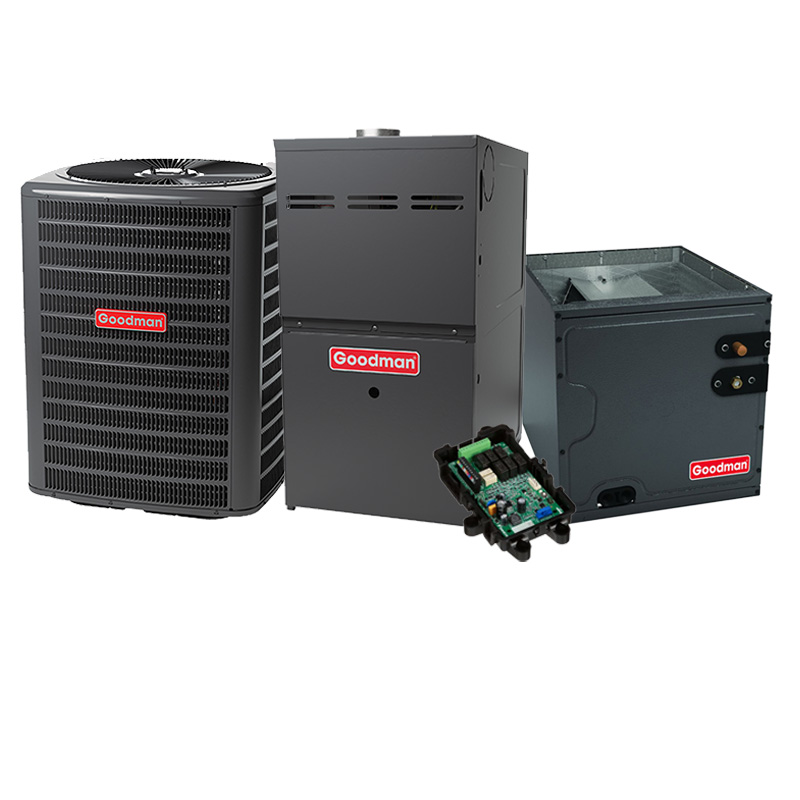
Goodman 2.5 Ton 13.8 SEER2 60000 BTU 80% Gas Furnace With R32 Air Conditioning Condenser And Coil System – Upflow
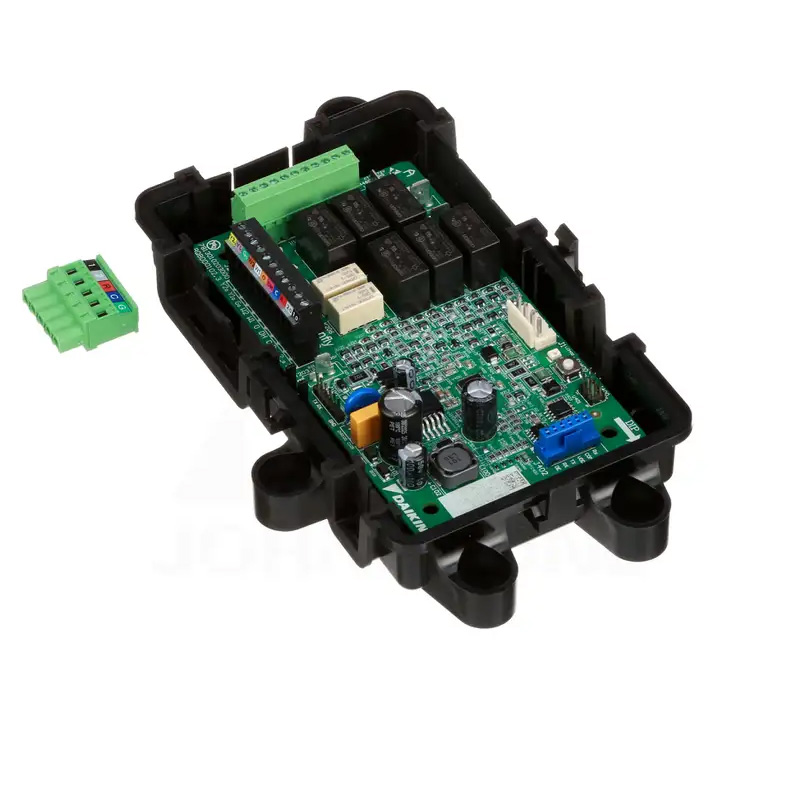
View on AC Direct see your lowest price →Check current price on AC Direct →
Key features
- 13.8 SEER2 cooling efficiency meets current federal minimum standards
- 60,000 BTU 80% AFUE gas furnace for upflow duct configurations
- R-32 refrigerant with lower global warming potential than R-410A
- 2.5-ton cooling capacity suited to roughly 1,200 to 1,800 sq ft
- Factory-matched condenser and evaporator coil for consistent performance ratings
- Priced 15 to 25 percent below comparable Trane, Lennox, and Carrier systems
About this system
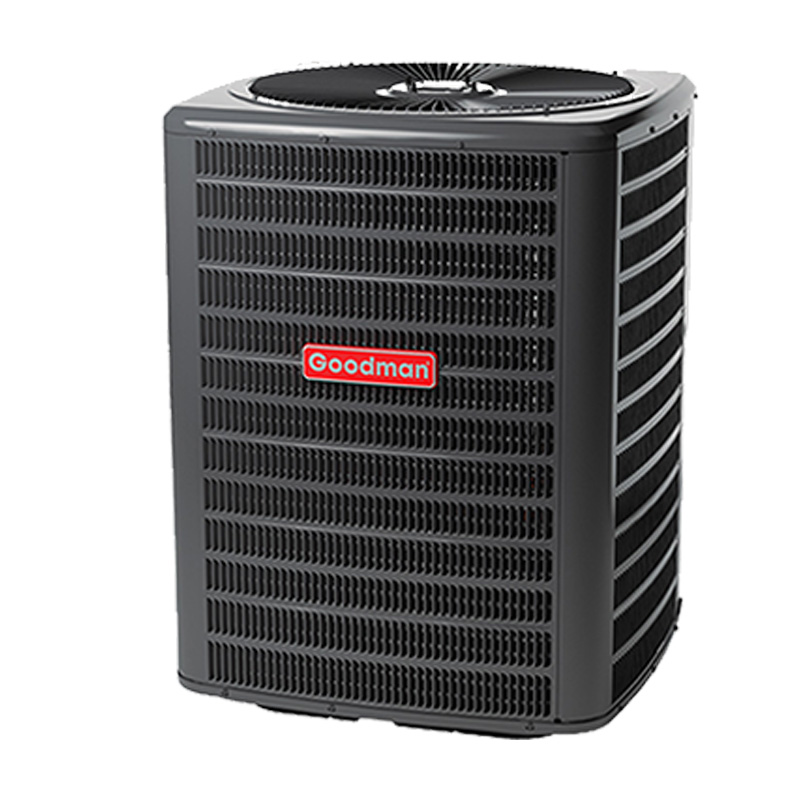
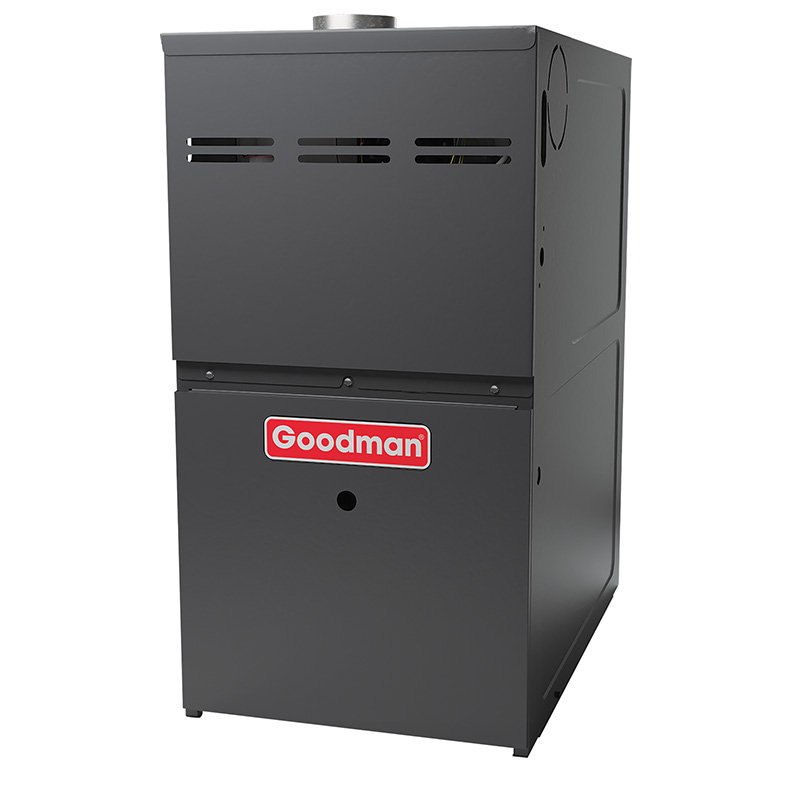
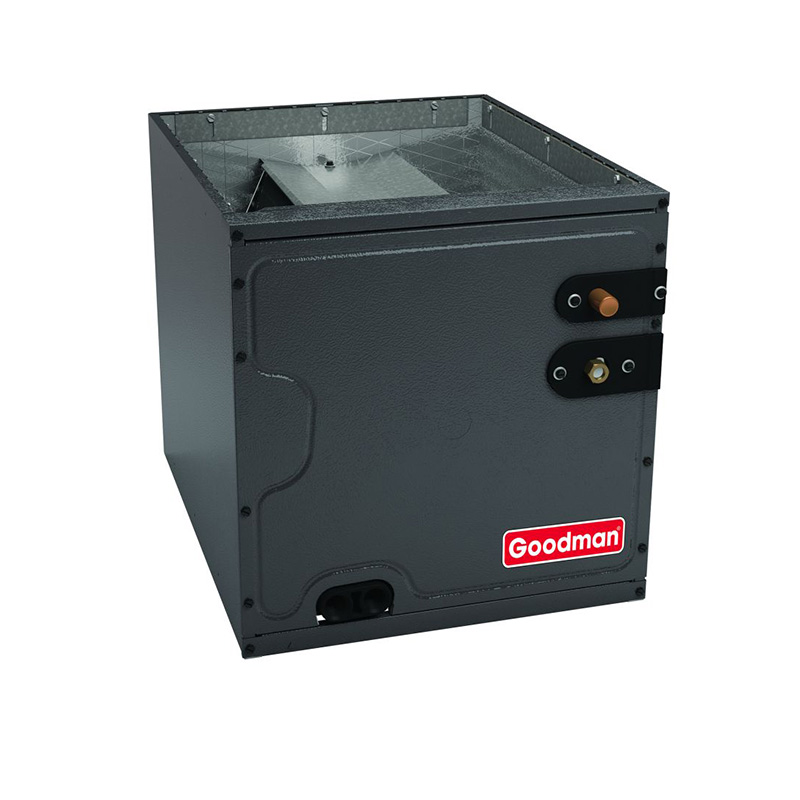
This Goodman upflow system bundles a 2.5-ton R-32 air conditioning condenser, a matched evaporator coil, and a 60,000 BTU 80% AFUE gas furnace into a single purchase. The 13.8 SEER2 rating sits right at the current federal minimum threshold for most U.S. regions, meaning you get code-compliant efficiency without paying for the extra hardware that pushes a system into the 16 or 18 SEER2 range. For a home roughly 1,200 to 1,800 square feet in a moderate climate, those specs are a reasonable match. The upflow configuration means the furnace sits on the floor and pushes conditioned air upward through overhead ductwork, which is the standard layout in most homes with a basement or ground-floor utility closet.
The R-32 refrigerant is worth noting. It has a lower global warming potential than the R-410A it replaces and requires a smaller refrigerant charge by volume, which can modestly reduce leak impact if one does occur. On the heating side, 80% AFUE means one-fifth of the fuel energy exits through the flue rather than heating your home. That is an honest trade-off: the system costs less upfront than a 96% AFUE alternative, but operating costs will be higher over time, particularly in colder climates where the furnace runs hard from November through March. Buyers in the Deep South who need the furnace only occasionally will feel that gap less than homeowners in the Midwest or Northeast.
This Goodman bundle is a straightforward, budget-conscious choice for homeowners who want a complete system at a lower entry cost and can live with baseline efficiency and a compressor lifespan that typically trails premium brands. The value proposition is real, but it comes with documented reliability caveats that buyers should weigh honestly before committing. Installer selection matters as much as the equipment itself.
Overall score is the average of the five ratings above.
What we like
- Priced significantly below Trane, Lennox, and Carrier equivalents at the same efficiency tier
- R-32 refrigerant is a forward-looking choice with lower environmental impact per pound
- Factory-matched coil and condenser removes compatibility guesswork and protects warranty coverage
- Upflow furnace configuration fits the most common residential duct layout without modification
- Entry-level SEER2 rating keeps the system mechanically simpler, which can mean easier repairs
Trade-offs
- 80% AFUE furnace loses 20% of fuel as exhaust heat, raising long-term operating costs versus high-efficiency alternatives
- Dual-run capacitors are a well-documented weak point, typically failing within the first decade at a cost of 300 to 600 dollars per service call
- Compressor longevity averages 10 to 14 years, notably shorter than the 15 to 20 years often seen from premium-brand compressors
- Evaporator coil leaks appear in a meaningful share of owner reviews, and a minority of buyers have reported refrigerant leaks within the first year
What homeowners and pros say about Goodman
On Google dealer reviews Goodman equipment typically lands around 3.8 out of 5, where the most consistent praise is straightforward: the systems are affordable and get the job done for homeowners who do not want to stretch their budget toward a premium brand. Contractors who work with Goodman regularly tend to echo that framing. They note the equipment is not without quirks but is broadly serviceable, and that a well-done installation closes much of the reliability gap between Goodman and higher-priced alternatives. For this particular bundle, the R-32 refrigerant and factory-matched coil pairing draw cautiously positive remarks from installers who appreciate not having to cross-reference compatibility charts.
The ConsumerAffairs picture is less flattering, with Goodman sitting near 2.5 out of 5 on that platform. That channel skews toward people who had a bad experience and wanted to say so publicly, which inflates the negative signal. Even discounting for that bias, the recurring themes are worth taking seriously: repair costs that start climbing after roughly year seven, evaporator coil leaks that show up in a noticeable share of owner reports, and dual-run capacitor failures that are annoying even if they are relatively cheap to fix. Compressor longevity is another honest concern. Goodman compressors tend to average 10 to 14 years of service, and owners comparing notes online frequently contrast that with the 15 to 20 years they saw from a previous Trane or Carrier unit. None of that makes this system a bad buy, but it does mean going in with realistic expectations about the maintenance budget and service relationship you are signing up for.
Sources: ConsumerAffairs Goodman owner reviews, AHRI Directory of Certified Product Performance, U.S. DOE appliance and equipment efficiency standards, Goodman product specification sheets.
What it costs to run
At 13.8 SEER2, cooling this 2.5-ton system for a typical 1200-hour cooling season at the U.S. average electricity rate of $0.17/kWh works out to roughly $443 per year in cooling, about $14 less per year than a minimum-efficiency 13.4 SEER2 unit of the same size. Your real cost depends on your climate and local rate.
Method: (30,000 BTU/hr ÷ 13.8 SEER2) × 1200 hours ÷ 1000 × $0.17/kWh. Rate source: U.S. EIA average; cooling hours: moderate-climate estimate.
How it compares
| Brand | Comparable model | SEER2 | Stage | Price position |
|---|---|---|---|---|
| Goodman | This system (2.5T 13.8 SEER2 / 60K BTU 80% AFUE upflow bundle) | 13.8 | Single-stage | Value pick |
| Carrier | Comfort 13 (24ACC3 series with matched coil and 80% furnace) | 13.4-14.0 | Single-stage | 15 to 25 percent higher than this Goodman bundle |
| Trane | XR13 condenser with S8X1 80% furnace and matched coil | 13.4-14.0 | Single-stage | 20 to 30 percent higher than this Goodman bundle |
| Lennox | Merit ML14XC1 condenser with Merit 80 furnace and matched coil | 14.0 | Single-stage | 20 to 30 percent higher than this Goodman bundle |
Competitor rows are comparable single-stage units at similar efficiency; price is relative position, not a quote.
Questions about this system
Will this system qualify for the federal energy efficiency tax credit?
The 25C tax credit requires a minimum of 15 SEER2 for split-system central air conditioning. At 13.8 SEER2, this condenser does not meet that threshold for the cooling credit. The 80% AFUE furnace also falls short of the 97% AFUE requirement for the furnace credit. Verify current IRS guidance with your tax advisor before purchase.
Why does the furnace show no AFUE in the listing, and what does 80% AFUE actually mean for my gas bill?
The 80% AFUE figure means 80 cents of every dollar you spend on natural gas becomes usable heat; the remaining 20 cents exits through the flue. Compared to a 96% AFUE furnace, you would spend roughly 17% more on heating fuel for the same amount of heat output. In a mild climate with short heating seasons that gap is modest; in a cold climate it adds up meaningfully over years of operation.
The capacitor failure issue comes up a lot with Goodman. How worried should I be, and what does a replacement cost?
Dual-run capacitor failure is the most commonly reported repair on Goodman equipment, typically surfacing somewhere in years five through ten. It is not a catastrophic repair: parts cost a few dollars and most HVAC technicians can replace one in under an hour, putting the total service call in the 300 to 600 dollar range. Budgeting for one replacement over the system's life is reasonable.
Is R-32 refrigerant harder or more expensive to service than R-410A?
R-32 requires EPA Section 608 certified technicians just like R-410A, and availability is growing rapidly as more manufacturers shift to it. Handling procedures differ slightly because R-32 is mildly flammable, so not every shop has updated their equipment yet. In most metro areas you should have no trouble finding a qualified technician, but it is worth confirming your service contractor is R-32 certified before booking.
How important is installer choice with a Goodman system specifically?
Critically important. Technicians consistently cite installation quality as the single biggest variable in how long a Goodman system lasts and how reliably it performs. The minority of owners who report refrigerant leaks in the first year are usually experiencing an install or charge error rather than a factory defect. Getting multiple bids, checking licenses, and asking about the contractor's Goodman installation volume is time well spent.
Specifications
| Cooling capacity | 2.5 Ton |
| Efficiency | 13.8 SEER2 |
| Furnace output | 60000 BTU |
| Configuration | Upflow |
| Refrigerant | R-32 |