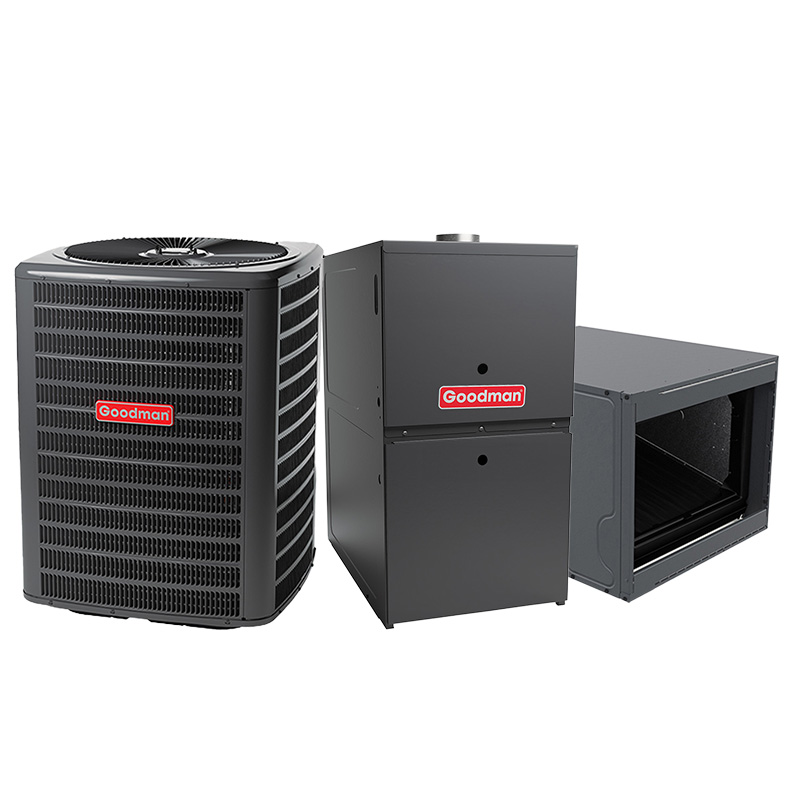
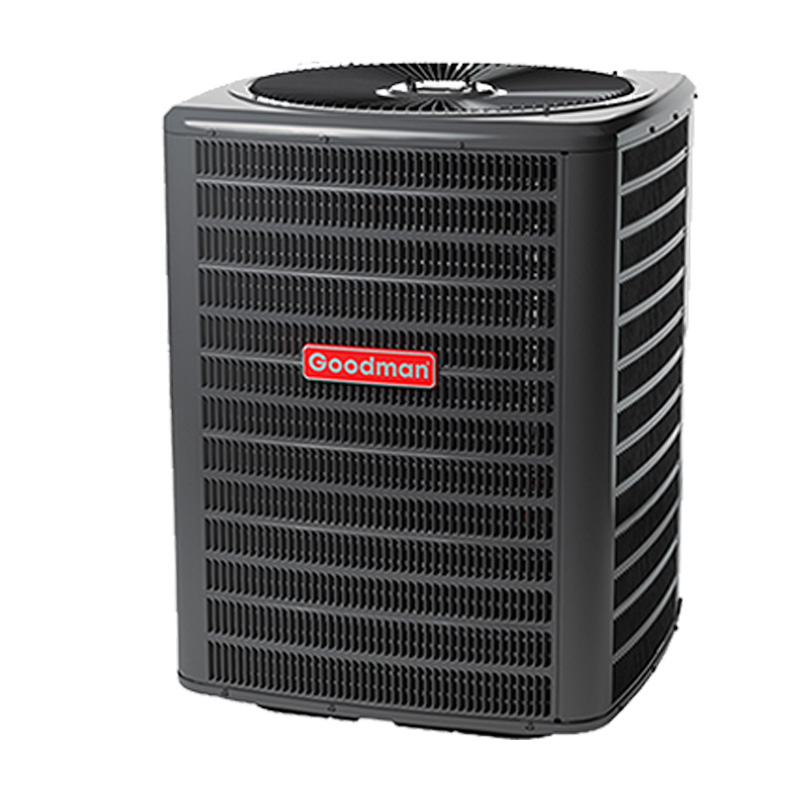
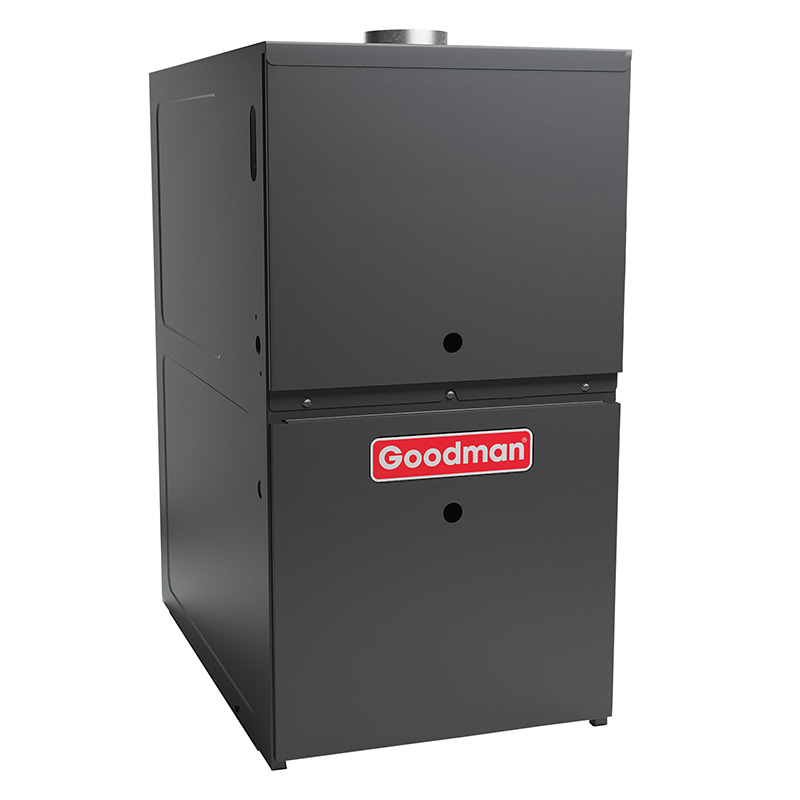
Goodman 2.5 Ton 14.5 SEER2 AC & Gas Furnace System – Two Stage Variable-Speed, 60000 BTU Gas Furnace, 80% AFUE, Horizontal, R32
View on AC Direct see your lowest price →Check current price on AC Direct →
Key features
- 2.5-ton two-stage cooling at 14.5 SEER2 efficiency rating
- 60,000 BTU gas furnace at 80% AFUE, horizontal configuration only
- Variable-speed ECM blower for quieter operation and better humidity control
- R-32 refrigerant with lower global warming potential than R-410A
- Two-stage compressor reduces short cycling and improves dehumidification
- Priced roughly 15 to 25 percent below Trane, Lennox, and Carrier equivalents
About this system
The Goodman 2.5-ton 14.5 SEER2 two-stage, variable-speed system pairs a 60,000 BTU gas furnace with an air conditioner sized for homes roughly in the 1,200 to 1,600 square foot range, depending on climate, insulation, and ceiling height. The horizontal configuration makes it a specific fit for attic installations or tight crawl spaces where an upflow or downflow cabinet simply will not work. R-32 refrigerant carries a lower global warming potential than R-410A and is the direction the industry is moving, so this system is well-positioned for the medium term as the HVAC sector completes its refrigerant transition.
The two-stage compressor runs at a lower capacity most of the time, which reduces short cycling, holds humidity better than single-stage equipment, and lowers noise during normal operation. The variable-speed blower motor adds to comfort by moving air more gently and consistently rather than blasting on and off. The 80% AFUE furnace is an entry-level efficiency rating, meaning one in five BTUs of gas goes up the flue. If you live in a colder climate or run heat heavily from November through March, a 96% AFUE unit would likely recover its price premium in fuel savings within a few heating seasons. For moderate climates or homes with gas used mostly for shoulder-season heat, 80% AFUE is a practical and common choice.
This system suits homeowners who want meaningful comfort upgrades over single-stage equipment, need a horizontal-only install, and are prioritizing upfront affordability over premium branding. It is not the right fit for buyers who want the longest possible compressor lifespan out of the box or who cannot tolerate the prospect of a service call around years seven through ten.
This Goodman system delivers genuine comfort advantages over single-stage equipment at a price point that undercuts the major premium brands by a meaningful margin. The trade-off is a compressor that historically averages 10 to 14 years and documented failure modes, especially capacitors and coil leaks, that can generate repair costs starting around year seven. If the installation is done well by an experienced technician, this system punches above its price; if it is rushed or improperly charged, the first-year refrigerant leak reports from some owners suggest the margin for error is real.
Overall score is the average of the five ratings above.
What we like
- Two-stage operation provides noticeably better humidity control compared to single-stage alternatives
- Variable-speed blower reduces noise and temperature swings for day-to-day comfort
- R-32 refrigerant is better positioned for long-term regulatory compliance than R-410A
- Horizontal cabinet solves attic and side-discharge installs where other configurations will not fit
- Significantly lower upfront cost than comparable Carrier, Trane, or Lennox systems
Trade-offs
- 80% AFUE furnace leaves meaningful efficiency and savings on the table compared to 96% AFUE options in cold climates
- Compressor lifespan averages 10 to 14 years, shorter than the 15 to 20 years typically seen with premium brands
- Documented failure modes include dual-run capacitor failures, evaporator coil leaks, and a minority of first-year refrigerant leaks
- ConsumerAffairs score of roughly 2.5 out of 5 reflects recurring complaints about repair costs climbing after year seven
What homeowners and pros say about Goodman
Homeowners who share their experience with Goodman equipment online tend to land in one of two camps. Those who had a careful, experienced installer generally report years of unremarkable, trouble-free operation and point to the lower purchase price as a genuine win. Those who ran into problems cite repair costs that begin to accumulate around year seven or eight, which lines up with the recurring theme on ConsumerAffairs, where Goodman scores roughly 2.5 out of 5 on what is admittedly a complaint-heavy channel. Across Google dealer reviews, where satisfied customers participate more often, Goodman-installed systems score closer to 3.8 out of 5, with affordability as the most frequently mentioned positive. The gap between those two scores tells most of the story: the brand delivers on value when the install goes well and draws frustration when it does not.
HVAC technicians who work on Goodman equipment regularly point to a few specific failure patterns worth knowing before you buy. Dual-run capacitors are the most commonly reported breakdown, usually a straightforward repair in the 300 to 600 dollar range when caught early. Evaporator coil leaks appear often enough in owner accounts to be a real consideration, not a rare outlier. Compressor longevity averages 10 to 14 years on Goodman units, which is shorter than the 15 to 20 years technicians associate with Trane, Carrier, and Lennox compressors at similar use levels. A small but notable share of owners also report refrigerant leaks in the first year of operation, which technicians typically attribute to install or initial charge issues rather than a defect in the equipment itself. The through-line in professional opinion is consistent: Goodman hardware is adequate, and the install quality matters more with this brand than with most.
Sources: ConsumerAffairs Goodman owner reviews, AHRI Directory of Certified Product Performance, U.S. DOE appliance and equipment efficiency standards, Goodman product specification sheets.
What it costs to run
At 14.5 SEER2, cooling this 2.5-ton system for a typical 1200-hour cooling season at the U.S. average electricity rate of $0.17/kWh works out to roughly $422 per year in cooling, about $35 less per year than a minimum-efficiency 13.4 SEER2 unit of the same size. Your real cost depends on your climate and local rate.
Method: (30,000 BTU/hr ÷ 14.5 SEER2) × 1200 hours ÷ 1000 × $0.17/kWh. Rate source: U.S. EIA average; cooling hours: moderate-climate estimate.
How it compares
| Brand | Comparable model | SEER2 | Stage | Price position |
|---|---|---|---|---|
| Goodman | GSXH5 / GMVC8 Series (this system) | 14.5 | two-stage | Value pick |
| Carrier | Comfort 14 (24ACC4) with 58MXA Gas Furnace | 14.3 | single-stage | Typically 15 to 25 percent more than this Goodman system |
| Trane | XR14c with S8X1 Gas Furnace | 14.3 | single-stage | Typically 15 to 25 percent more than this Goodman system |
| Lennox | Merit 14ACX with ML180 Gas Furnace | 14.3 | single-stage | Typically 15 to 25 percent more than this Goodman system |
Competitor rows are comparable single-stage units at similar efficiency; price is relative position, not a quote.
Questions about this system
Is the horizontal configuration required, or can this unit be installed upflow or downflow?
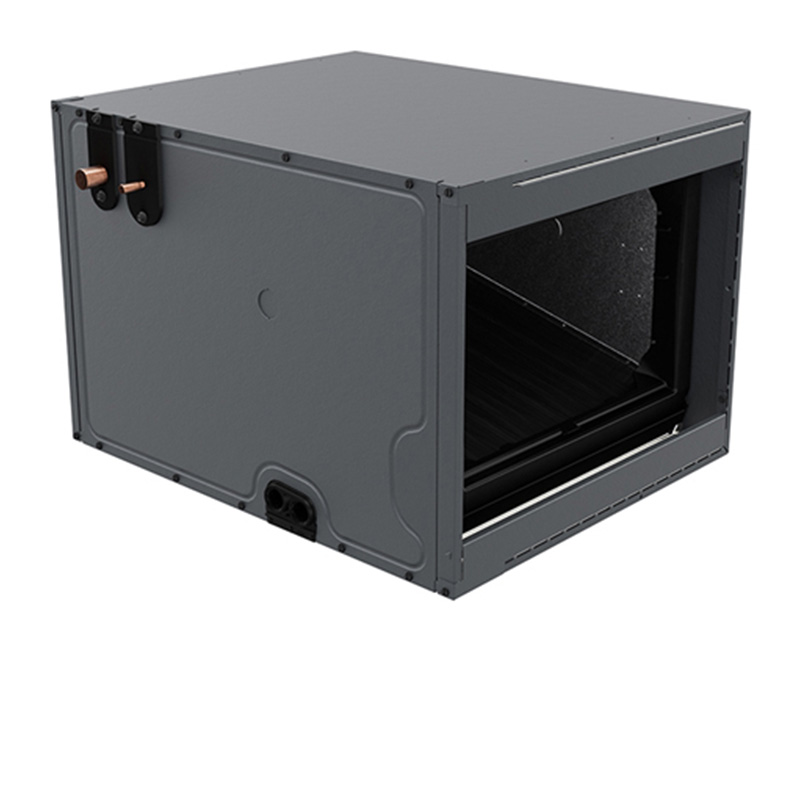
This specific cabinet is designed for horizontal installation only, which makes it well-suited for attic or platform installs where the airflow must discharge horizontally. If your application calls for upflow or downflow, you would need a different cabinet configuration, even within the same Goodman system family.
How does R-32 refrigerant affect service and future repairs compared to R-410A systems?
R-32 requires technicians to use slightly different handling procedures and recovery equipment compared to R-410A, but it is widely stocked and increasingly familiar to HVAC technicians as the industry transitions. For most homeowners the practical difference is minimal, and R-32 is a better long-term choice given regulatory trends moving away from R-410A.
What are the most likely repair calls I should budget for over a 10-year ownership period?
Based on documented Goodman failure patterns, dual-run capacitor replacement is the most common service call and typically costs between 300 and 600 dollars including labor. Evaporator coil leaks appear in a meaningful share of owner reviews and are a more costly repair. Setting aside a small annual service budget and committing to yearly maintenance will help catch capacitor wear early before it stresses the compressor.
Will the 80% AFUE furnace significantly raise my gas bills compared to a high-efficiency model?
An 80% AFUE furnace sends 20% of the heat it generates up the flue, while a 96% AFUE unit loses only 4%. In a mild climate where heat runs only a few months a year, the dollar difference may be modest. In colder regions with long heating seasons, the savings from a high-efficiency furnace can offset its higher upfront cost within a few years, making the 80% option less economical over time.
Does Goodman's warranty require registration, and what does it actually cover?
Goodman typically requires product registration within a set window after installation to receive the full parts warranty period, which can extend to 10 years on the compressor and covered components when registered. Labor is not covered under the manufacturer warranty, so a service agreement or labor warranty from your installing contractor is a worthwhile conversation to have at the time of purchase.
Specifications
| Cooling capacity | 2.5 Ton |
| Efficiency | 14.5 SEER2 |
| Furnace output | 60000 BTU |
| Furnace efficiency | 80% AFUE |
| Configuration | Horizontal |
| Refrigerant | R-32 |