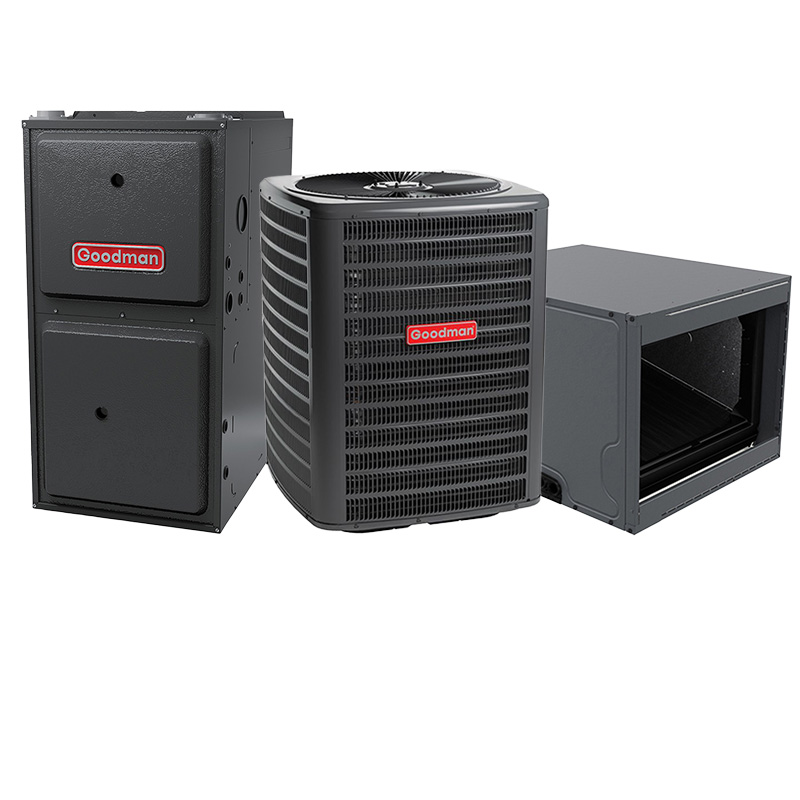
Goodman 2.5 Ton 14 SEER2 60000 BTU 96% AFUE Multi-Speed ECM Gas Furnace System – Horizontal | R32
View on AC Direct see your lowest price →Check current price on AC Direct →
Key features
- 14 SEER2 cooling efficiency meets federal minimums for most U.S. climate zones
- 96% AFUE condensing gas furnace keeps heating waste to roughly 4 cents per dollar of fuel
- Multi-speed ECM blower motor reduces electricity use and noise versus single-speed PSC motors
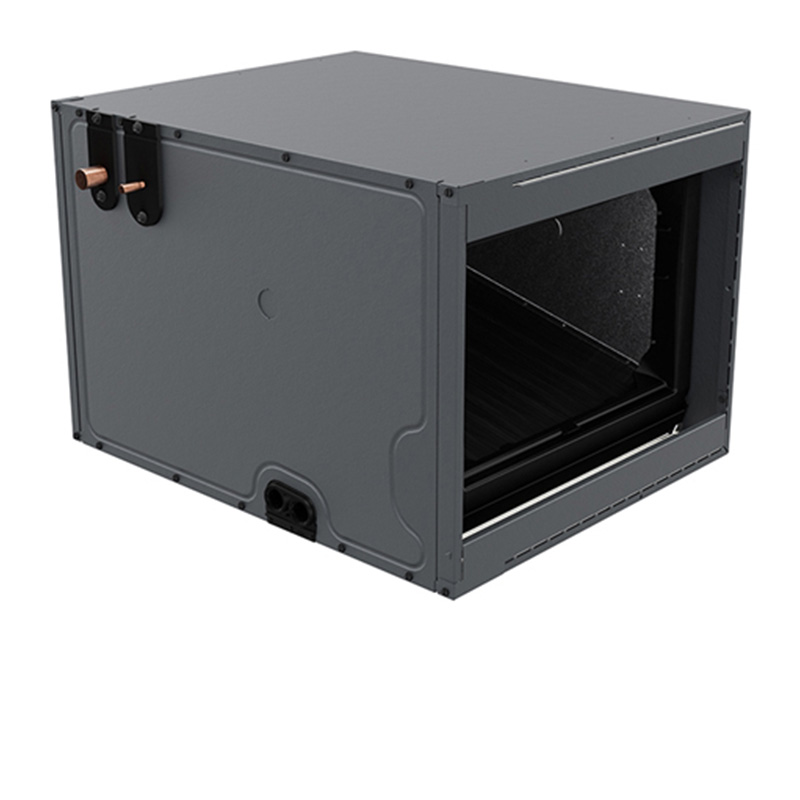
- Horizontal cabinet design for attic, crawlspace, or side-load utility installations
- R-32 refrigerant with lower global-warming potential than R-410A
- 60,000 BTU heating capacity sized for smaller to mid-size homes in moderate heating climates
About this system
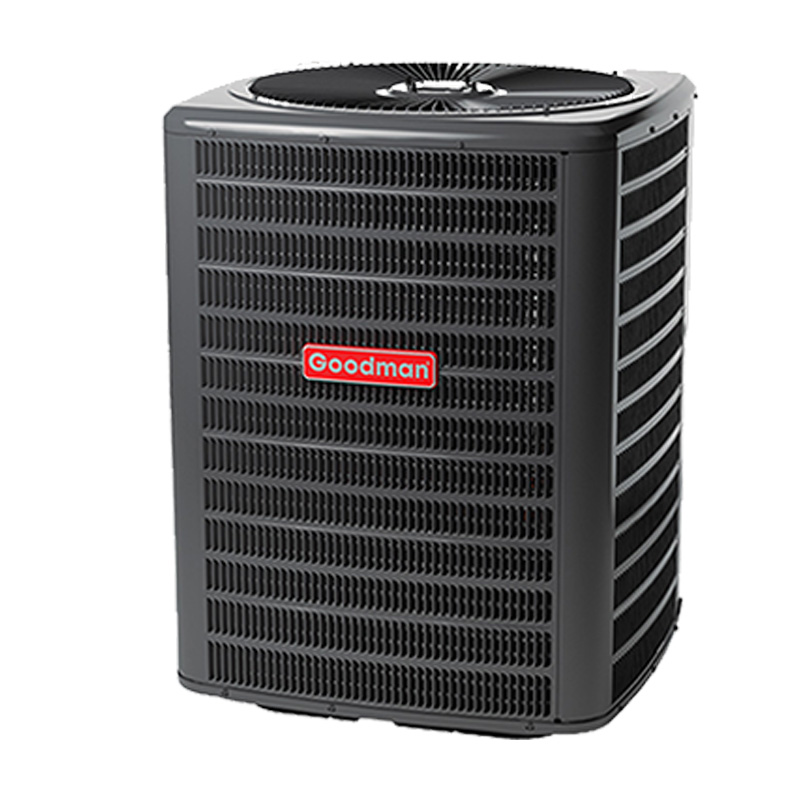
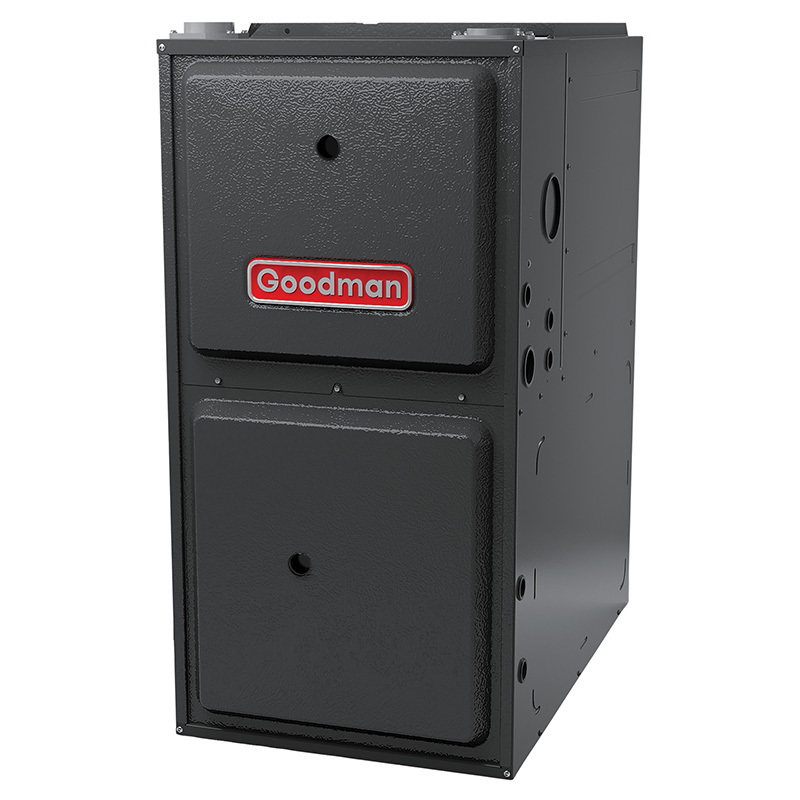
The Goodman 2.5-ton 14 SEER2 horizontal system pairs a 60,000 BTU, 96% AFUE multi-speed ECM gas furnace with a matched central air conditioner running on R-32 refrigerant. The horizontal cabinet orientation makes it the right fit for attic installations, crawl spaces, or utility rooms where vertical clearance is tight. At 14 SEER2, cooling efficiency clears the federal minimum for most U.S. regions without climbing into premium-tier pricing, and the 96% AFUE furnace sits at the high end of the condensing category, meaning roughly 96 cents of every gas dollar converts to usable heat rather than leaving through the flue.
The multi-speed ECM blower motor is a meaningful upgrade over single-speed alternatives. It ramps airflow up and down based on demand rather than running full-blast or off, which smooths out temperature swings, reduces blower noise, and lowers monthly electricity consumption compared to a PSC motor. R-32 refrigerant carries a lower global-warming potential than the R-410A it is replacing across the industry, and some efficiency gains are possible because of its better thermodynamic properties. This configuration suits smaller to mid-size homes in moderate climates where 2.5 tons is the correctly sized load, and especially suits homeowners who need a horizontal-mount solution that does not require a premium-brand budget.
This Goodman system delivers solid spec value for buyers who need a horizontal-mount configuration and want condensing-furnace efficiency without paying a premium-brand premium. The 96% AFUE furnace and ECM blower are genuine quality features, but long-term ownership costs depend heavily on installation quality and on being prepared for the brand's documented weak points after year seven.
Overall score is the average of the five ratings above.
What we like
- Priced 15 to 25 percent below comparable Trane, Lennox, and Carrier equipment
- 96% AFUE furnace is at the top tier of condensing efficiency and qualifies for federal and utility rebates in many areas
- Multi-speed ECM motor improves comfort consistency and lowers blower electricity draw versus single-speed units
- Horizontal configuration fills a real installation need that not every system addresses
- R-32 refrigerant is the industry's preferred low-GWP replacement for R-410A, positioning this unit for the coming regulatory environment
Trade-offs
- Dual-run capacitors are the most commonly reported failure point and, while the fix typically costs 300 to 600 dollars, it is a recurring expense some owners hit within a few years
- Compressor lifespan averages 10 to 14 years versus 15 to 20 years for premium brands, raising long-run replacement risk
- A minority of owners report refrigerant leaks in the first year, most often traced to installation or initial charge issues rather than the unit itself
- Evaporator coil leaks appear in a meaningful share of owner reviews and can be a costly mid-life repair
What homeowners and pros say about Goodman
Homeowners who have installed Goodman systems generally land in two camps. Those who had a skilled, attentive installer tend to report years of reliable service and point to the lower purchase price as a genuine win. Those who ran into problems often trace their frustration to repair bills that started arriving after the seven-year mark, which lines up with the pattern visible in Goodman’s roughly 2.5 out of 5 rating on ConsumerAffairs, where the comment threads lean heavily toward people dealing with unexpected costs. The 3.8 out of 5 score seen across Google dealer reviews tells a more balanced story, with affordability consistently cited as the main reason buyers chose the brand. Neither rating is fabricated praise or unfair condemnation; they reflect a value brand that performs well when conditions favor it and shows its limits when they do not.
HVAC technicians who service Goodman equipment tend to flag a few consistent weak points on this product line. Dual-run capacitors are the most frequently replaced part, usually a straightforward repair in the 300 to 600 dollar range but one that some owners encounter more than once over a system’s life. Evaporator coil leaks have also shown up in a meaningful share of owner accounts and represent a more costly mid-life repair. On compressor longevity, honest technicians will note that Goodman compressors typically average 10 to 14 years in the field, compared to the 15 to 20 years more commonly seen with Trane, Carrier, or Lennox compressors. A small but documented share of owners also report refrigerant leaks in the first year, almost always attributed to installation quality or an improper initial charge rather than a manufacturing defect in the unit itself. The consistent professional advice: invest in a qualified installer, keep up with annual maintenance, and treat capacitor replacement as a routine cost of ownership rather than a surprise.
Sources: ConsumerAffairs Goodman owner reviews, AHRI Directory of Certified Product Performance, U.S. DOE appliance and equipment efficiency standards, Goodman product specification sheets.
What it costs to run
At 14 SEER2, cooling this 2.5-ton system for a typical 1200-hour cooling season at the U.S. average electricity rate of $0.17/kWh works out to roughly $437 per year in cooling, about $20 less per year than a minimum-efficiency 13.4 SEER2 unit of the same size. Your real cost depends on your climate and local rate.
Method: (30,000 BTU/hr ÷ 14 SEER2) × 1200 hours ÷ 1000 × $0.17/kWh. Rate source: U.S. EIA average; cooling hours: moderate-climate estimate.
How it compares
| Brand | Comparable model | SEER2 | Stage | Price position |
|---|---|---|---|---|
| Goodman | 2.5 Ton 14 SEER2 / 96% AFUE Horizontal ECM System | 14 | Multi-speed | Value pick |
| Carrier | Comfort Series (24ACC / 58STA) | 14-15 | Single-stage | Typically 15 to 25 percent more than Goodman |
| Trane | XR14 / S9X2 Series | 14-15 | Single-stage | Typically 15 to 25 percent more than Goodman |
| Lennox | Merit Series (ML14 / SL280) | 14-15 | Single-stage | Typically 15 to 25 percent more than Goodman |
Competitor rows are comparable single-stage units at similar efficiency; price is relative position, not a quote.
Questions about this system
Why does this system use a horizontal cabinet and when do I actually need that?
Horizontal units are designed to lie on their side, making them the standard choice for attic installations, low-clearance crawlspaces, and some manufactured-home applications where a vertical or upflow cabinet simply will not fit. If your mechanical space has limited vertical height but adequate horizontal run, this configuration is often the only practical option.
What does multi-speed ECM mean in everyday use and is it worth the extra cost over a single-speed blower?
An ECM (electronically commutated motor) blower adjusts its speed in steps to match the heating or cooling load rather than running at one fixed high speed. In practice, this means quieter operation during mild weather, more even temperatures throughout the home, and meaningfully lower electricity bills over the life of the system compared to a single-speed PSC motor. For most buyers, the ECM upgrade pays for itself over several years of operation.
How does R-32 refrigerant affect service costs and availability compared to R-410A?
R-32 requires technicians to have specific training and equipment, though it is increasingly common as the industry transitions away from R-410A. Availability should improve over time, and R-32 systems can actually be more efficient because of its thermodynamic properties. In the near term, confirm your local HVAC service providers are already certified and equipped to handle R-32 before purchasing.
Goodman has mixed online reviews. Should that change my decision on this system?
Goodman scores roughly 2.5 out of 5 on ConsumerAffairs, a platform where dissatisfied owners are far more likely to post than satisfied ones, and around 3.8 out of 5 across Google dealer reviews. The recurring complaint pattern involves repair costs climbing after about year seven, with dual-run capacitor failures and evaporator coil leaks being the most cited issues. These are real trade-offs rather than outliers, and budgeting for a service plan or setting aside a repair fund is a reasonable step for any Goodman buyer.
Is a 2.5-ton unit the right size for my home, and what happens if it is too large or too small?
Sizing should be based on a Manual J load calculation performed by your installer, not on square footage rules of thumb. An oversized unit will short-cycle, meaning it turns on and off too frequently, which reduces dehumidification, increases wear on the compressor, and raises energy bills. An undersized unit will run continuously on the hottest or coldest days and may never fully condition the space. Ask your contractor to show you the load calculation before committing to any equipment size.
Specifications
| Cooling capacity | 2.5 Ton |
| Efficiency | 14 SEER2 |
| Furnace output | 60000 BTU |
| Furnace efficiency | 96% AFUE |
| Configuration | Horizontal |
| Refrigerant | R-32 |