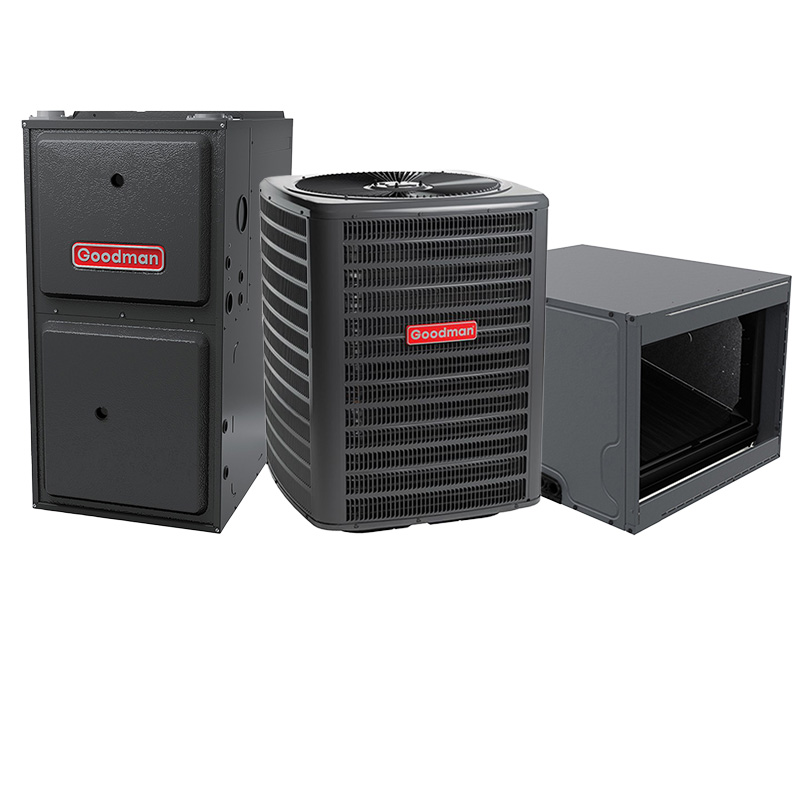
Goodman 2.5 Ton 14 SEER2 80000 BTU 96% AFUE Two Stage Multi-Speed ECM Gas Furnace System – Horizontal | R32
View on AC Direct see your lowest price →Check current price on AC Direct →
Key features
- 2.5-ton cooling capacity with 14 SEER2 efficiency rating
- 80,000 BTU two-stage gas furnace at 96% AFUE
- Multi-speed ECM blower motor for quieter, more consistent airflow
- Horizontal configuration designed for attic or crawl-space installs
- R-32 refrigerant with lower global warming potential than R-410A
- Two-stage heating for reduced temperature swings on mild-weather days
About this system
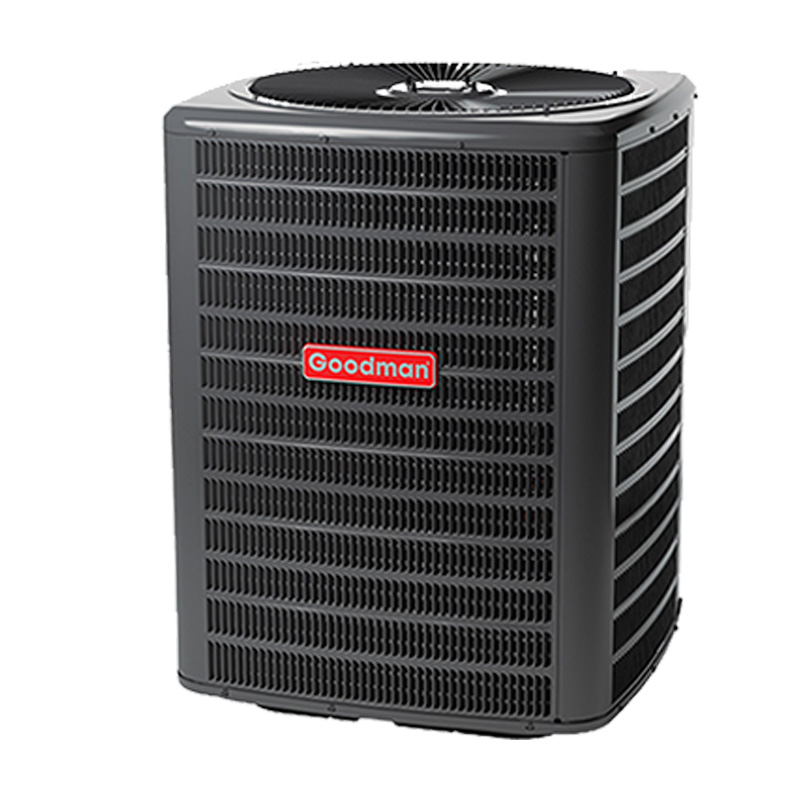
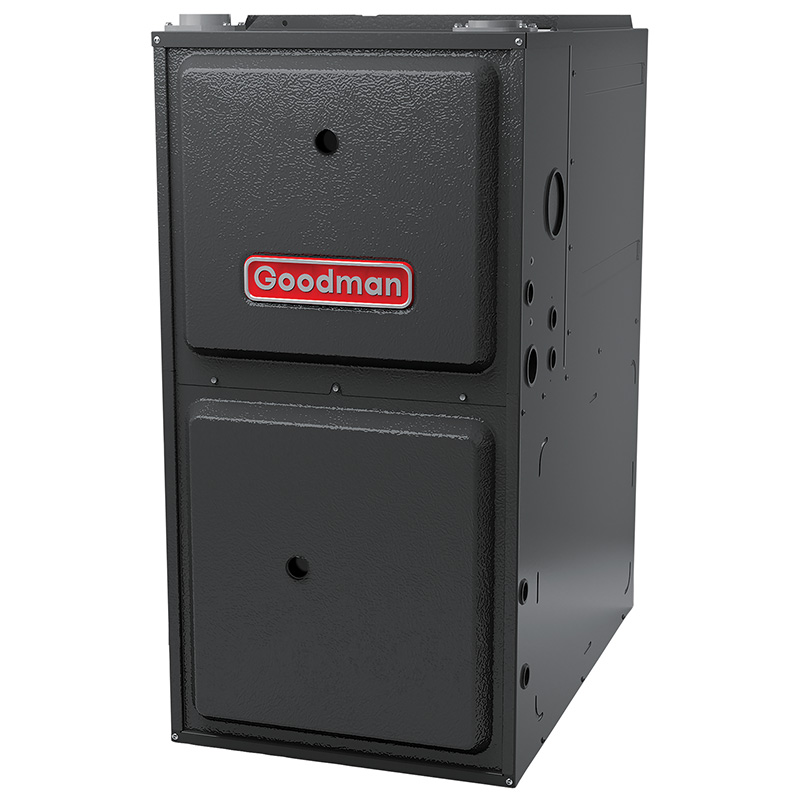
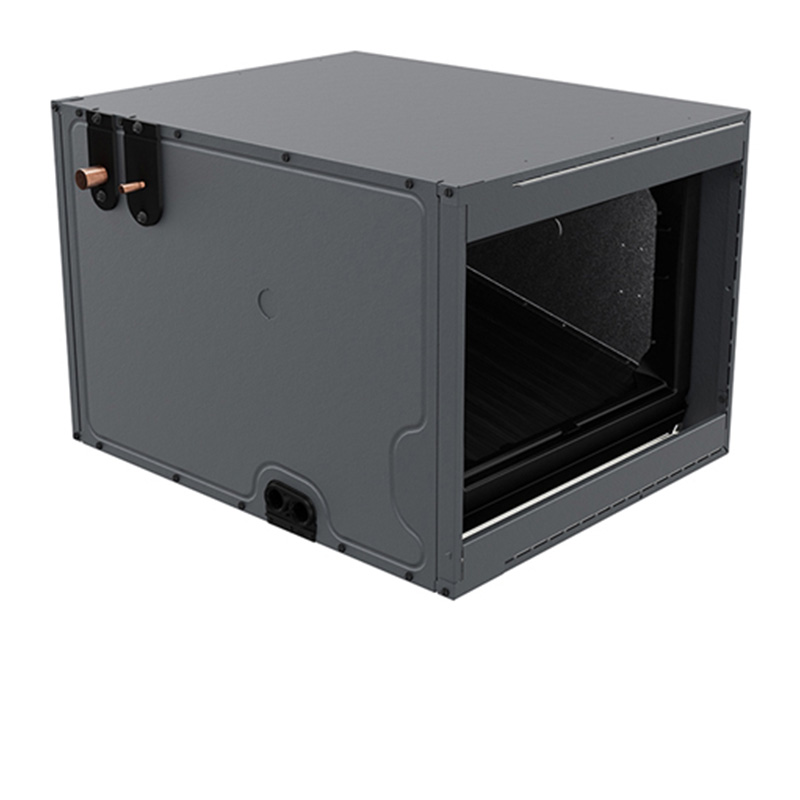
This Goodman bundle pairs a 2.5-ton, 14 SEER2 R-32 air conditioner with an 80,000 BTU, 96% AFUE two-stage gas furnace in a horizontal configuration, making it a practical fit for attic installs, crawl-space setups, or tight utility closets where a vertical unit simply will not fit. The 96% AFUE rating means only about four cents of every fuel dollar escapes as flue gas, which is squarely in the high-efficiency tier and a meaningful step above 80% AFUE entry-level furnaces. Two-stage heating and a multi-speed ECM blower let the system run at a lower, quieter output on mild days and ramp up only when the outdoor temperature demands it, which tends to reduce temperature swings and humidity spikes compared with a single-stage unit.
The R-32 refrigerant is worth noting: it has a lower global warming potential than the R-410A it replaces, and equipment built around it is positioned well ahead of ongoing refrigerant transition timelines. At 14 SEER2, efficiency is solid but not top-shelf. Homeowners in climates with moderate cooling loads will find it more than adequate; those in the Sun Belt running the AC four or five months a year might want to price out 16 or 17 SEER2 options before committing. The horizontal configuration does add some installation complexity compared with a standard upflow unit, so the quality of the installing contractor matters even more than usual here.
This Goodman system delivers genuinely high-efficiency heating and respectable cooling at a price point that typically runs 15 to 25 percent below comparable Trane, Lennox, and Carrier equipment. The two-stage furnace and ECM blower are real upgrades over entry-level bundles, but long-term ownership costs depend heavily on install quality and the luck of the draw on components that have documented failure histories. It is a reasonable buy for budget-conscious homeowners who vet their contractor carefully, not a worry-free set-it-and-forget-it purchase.
Overall score is the average of the five ratings above.
What we like
- 96% AFUE furnace keeps heating bills noticeably lower than 80% AFUE alternatives
- Two-stage operation reduces short-cycling and improves indoor comfort on mild days
- ECM blower motor is more energy-efficient and quieter than PSC motors
- R-32 refrigerant is forward-compatible with evolving environmental regulations
- Significantly lower upfront cost than premium-brand equivalents at similar efficiency
Trade-offs
- Dual-run capacitors are the most commonly reported failure point, typically appearing after year 5 to 7 and running $300 to $600 to repair
- Evaporator coil leaks appear in a meaningful share of owner reviews and can be a costly mid-life repair
- Compressor lifespan averages 10 to 14 years, shorter than the 15 to 20 years typical of premium brands
- Horizontal configuration is more complex to install and service than upflow units, increasing the risk of setup errors that hurt long-term reliability
What homeowners and pros say about Goodman
Homeowners who track their Goodman systems online tend to split into two camps fairly quickly. Those who had a skilled contractor handle the install often report years of trouble-free operation and point to the lower purchase price as a win. Those who ran into problems generally flag issues that align with the documented failure history: dual-run capacitors going out somewhere in the mid-life of the system (a repair that typically runs $300 to $600), evaporator coil leaks that show up in a meaningful share of owner accounts, and compressors that tend to reach the end of their useful life between 10 and 14 years rather than the 15 to 20 years common with premium brands. ConsumerAffairs scores Goodman at roughly 2.5 out of 5, though that platform skews toward people who are frustrated enough to write a review, so the sample is not fully representative. Google dealer reviews across multiple locations average closer to 3.8 out of 5, and affordability is far and away the most common reason cited for a positive experience.
HVAC technicians tend to view Goodman as workable but install-dependent. The recurring professional observation is that the equipment performs close to spec when set up correctly and maintained on schedule, but leaves less margin for error than Trane or Carrier hardware. For this specific horizontal bundle, that install-quality point is amplified: horizontal configurations are less forgiving of drainage slopes, refrigerant charge errors, and improper duct connections than standard upflow units. Pros who specialize in attic and crawl-space work are generally comfortable with Goodman in this orientation; general HVAC contractors with less horizontal experience introduce more risk. If you are buying this system, the contractor conversation matters at least as much as the brand choice.
Sources: ConsumerAffairs Goodman owner reviews, AHRI Directory of Certified Product Performance, U.S. DOE appliance and equipment efficiency standards, Goodman product specification sheets.
What it costs to run
At 14 SEER2, cooling this 2.5-ton system for a typical 1200-hour cooling season at the U.S. average electricity rate of $0.17/kWh works out to roughly $437 per year in cooling, about $20 less per year than a minimum-efficiency 13.4 SEER2 unit of the same size. Your real cost depends on your climate and local rate.
Method: (30,000 BTU/hr ÷ 14 SEER2) × 1200 hours ÷ 1000 × $0.17/kWh. Rate source: U.S. EIA average; cooling hours: moderate-climate estimate.
How it compares
| Brand | Comparable model | SEER2 | Stage | Price position |
|---|---|---|---|---|
| Goodman | 2.5T 14 SEER2 / 96% AFUE Two-Stage Horizontal Bundle | 14 | Two-stage | Value pick |
| Carrier | Performance 14 / 96% AFUE (58TP/24ACC series) | 14 | Single-stage | Typically 15 to 25 percent more than this Goodman bundle |
| Trane | XR14 / S9X1 96% AFUE | 14 | Single-stage | Typically 15 to 25 percent more than this Goodman bundle |
| Lennox | Merit 14ACX / ML96 96% AFUE | 14 | Single-stage | Typically 15 to 25 percent more than this Goodman bundle |
Competitor rows are comparable single-stage units at similar efficiency; price is relative position, not a quote.
Questions about this system
Is a horizontal configuration harder to service than a standard upflow furnace?
Yes, in most cases. Access to the heat exchanger, blower, and coil is more restricted in a horizontal orientation, which can increase labor time and cost for routine maintenance or repairs. Make sure the contractor you hire has specific experience with horizontal installs before signing anything.
What does two-stage heating actually mean for my comfort and energy bill?
Two-stage means the furnace fires at a lower output (typically around 65% capacity) during mild weather and only runs at full 80,000 BTU output when it is genuinely cold. This reduces the on-off cycling that causes temperature swings, and it tends to lower fuel consumption compared with a single-stage unit running at full blast every time it starts.
R-32 refrigerant is listed here. Will I have trouble finding a technician who can service it?
R-32 is becoming standard across the industry as the R-410A phase-down continues, so most HVAC technicians are already familiar with it or are being certified. Within a year or two it will be the norm, so this is not a concern for most buyers.
Goodman has mixed online reviews. Should I be worried about reliability?
The concern is legitimate. ConsumerAffairs scores Goodman around 2.5 out of 5, driven largely by repair complaints after year 7, and the documented failure modes (dual-run capacitors, evaporator coil leaks, and compressors averaging 10 to 14 years) are real. That said, many of those issues are manageable with a good maintenance contract, and the lower upfront cost can offset one or two mid-life repairs. Google dealer reviews average around 3.8 out of 5, with affordability as the most repeated positive.
Does Goodman's warranty cover the R-32 refrigerant charge if I have a leak in the first year?
Goodman's registered parts warranty generally covers the components themselves, not refrigerant labor or the refrigerant charge. A minority of owners have reported refrigerant leaks in year one, which is typically traced to an install or charge issue rather than a factory defect. Confirm with your contractor whether their labor warranty covers that scenario before the install.
Specifications
| Cooling capacity | 2.5 Ton |
| Efficiency | 14 SEER2 |
| Furnace output | 80000 BTU |
| Furnace efficiency | 96% AFUE |
| Configuration | Horizontal |
| Refrigerant | R-32 |