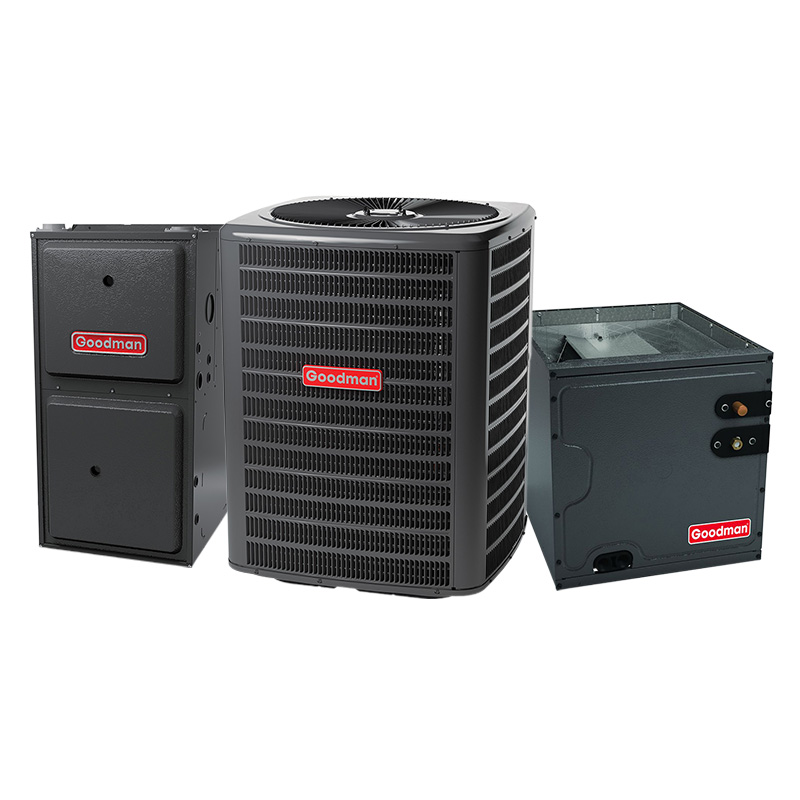
Goodman 2.5 Ton 14 SEER2 AC & Gas Furnace System – Multi-Speed, 60000 BTU Gas Furnace, 92% AFUE, Upflow, R32
View on AC Direct see your lowest price →Check current price on AC Direct →
Key features
- 2.5-ton single-stage AC rated at 14 SEER2 efficiency
- 60,000 BTU upflow gas furnace with 92% AFUE rating
- Multi-speed blower motor for more consistent airflow than single-speed
- R-32 refrigerant, a lower-GWP alternative to R-410A
- Upflow configuration suits most standard basement and closet installations
- Value-tier pricing typically 15 to 25 percent below Trane, Carrier, and Lennox equivalents
About this system
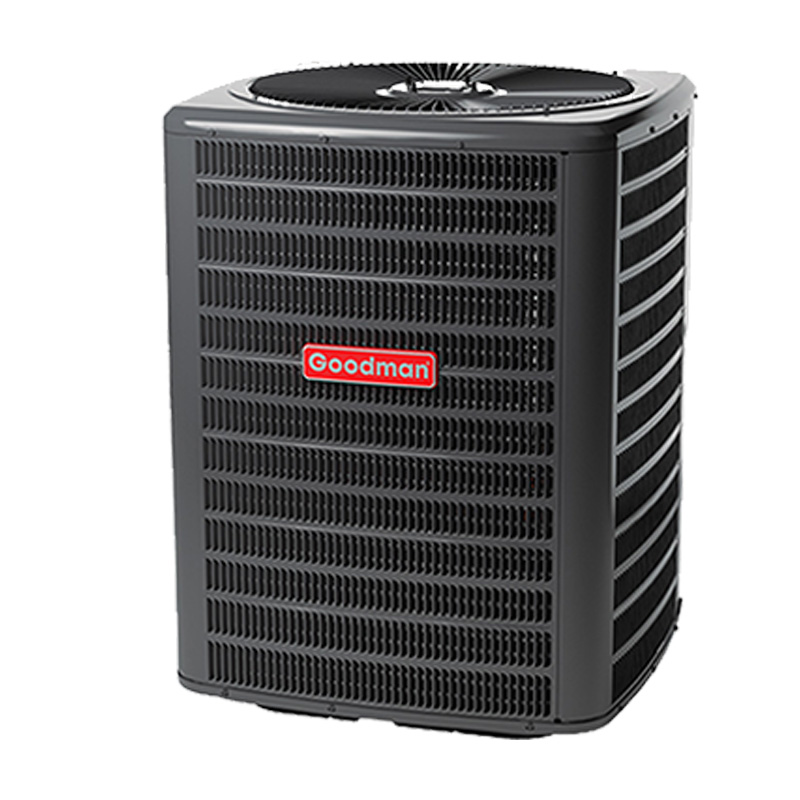
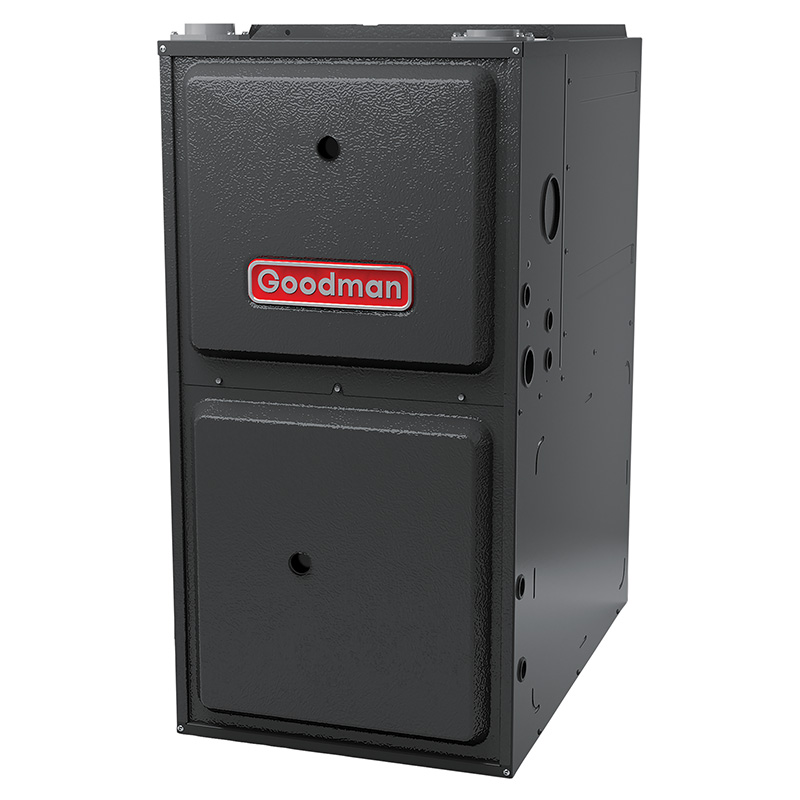
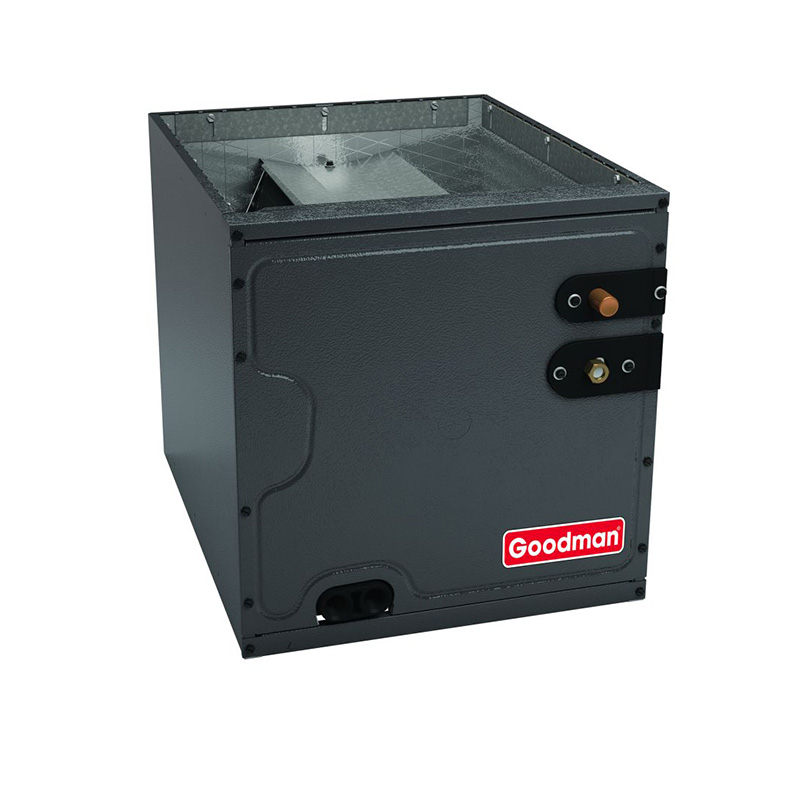
The Goodman GLXS3BN3010D pairs a 2.5-ton, 14 SEER2 single-stage air conditioner with a 60,000 BTU upflow gas furnace rated at 92% AFUE. That combination makes it a practical choice for moderately sized homes in the 1,200 to 1,800 square foot range, particularly in mixed climates where heating efficiency matters as much as cooling. The 92% AFUE rating means roughly 92 cents of every dollar spent on gas goes toward usable heat, which puts this furnace solidly in the mid-efficiency tier without crossing into the higher cost and complexity of condensing units that require PVC venting.
The system uses R-32 refrigerant, a lower global-warming-potential refrigerant that is increasingly common as the industry moves away from R-410A. The multi-speed furnace blower helps even out airflow across zones and can improve comfort compared to a fixed-speed motor, though it is worth understanding this is not the same as a variable-speed or communicating system. At 14 SEER2, the AC sits at the current federal minimum efficiency threshold for many regions, which keeps upfront cost down but means energy bills will run higher over time compared to 16 SEER2 or better equipment. This is a straightforward, no-frills system built for buyers who prioritize initial cost savings and want a functional, serviceable setup without premium features.
The Goodman GLXS3BN3010D delivers a workable, code-compliant heating and cooling system at a price point that is hard to argue with for budget-conscious buyers. Performance over the long haul depends heavily on installation quality and early maintenance, and owners should budget for potential component repairs, particularly capacitors, after the seven-year mark. It is a reasonable choice when cost is the primary driver and expectations are set accordingly.
Overall score is the average of the five ratings above.
What we like
- Purchase price is typically 15 to 25 percent below comparable Carrier, Trane, and Lennox systems
- 92% AFUE furnace provides solid mid-efficiency heating without the venting complexity of 96%+ condensing units
- R-32 refrigerant is more environmentally responsible than R-410A and is increasingly supported by technicians
- Multi-speed blower improves comfort and humidity control compared to a basic single-speed setup
- Dual-run capacitor failures, the most common documented issue, are a low-cost repair in the $300 to $600 range and widely serviceable
Trade-offs
- 14 SEER2 is the current minimum efficiency tier, meaning ongoing energy costs will be higher than with a 16 SEER2 or better unit
- Compressor lifespan averages 10 to 14 years versus 15 to 20 years typical of premium brands, increasing long-term replacement risk
- Evaporator coil leaks are a documented failure mode in owner reviews, and repairs can be costly once out of warranty
- A minority of owners report refrigerant leaks within the first year, most often tied to installation or initial charge issues rather than the equipment itself
What homeowners and pros say about Goodman
Homeowners who report satisfaction with Goodman equipment most often point to the lower purchase price as the deciding factor, and Google dealer reviews around 3.8 out of 5 reflect that affordability is real. Where opinions diverge is in the years after the initial install. On ConsumerAffairs, where Goodman scores roughly 2.5 out of 5, the pattern that emerges is not immediate failure but rather repair costs that start climbing after about year seven. The two failure modes that come up most consistently are dual-run capacitor failures, which are genuinely minor repairs in the $300 to $600 range, and evaporator coil leaks, which are a more serious and costly problem. HVAC technicians who work on many brands note that compressor longevity on Goodman equipment tends to average 10 to 14 years, a shorter window than the 15 to 20 years more commonly associated with Trane, Carrier, or Lennox compressors.
Installers who work with Goodman regularly make the point that install quality matters more with this brand than with premium equipment that has tighter factory tolerances and more forgiving components. A small share of first-year owners report refrigerant issues, and technicians generally attribute those to charge or connection problems at installation rather than factory defects in the unit itself. The honest takeaway is that this system can perform reliably for many years under the right conditions, but it benefits more than most from a careful installation, prompt attention to early warning signs, and a maintenance schedule that catches small problems, like a weakening capacitor, before they cascade into larger ones.
Sources: ConsumerAffairs Goodman owner reviews, AHRI Directory of Certified Product Performance, U.S. DOE appliance and equipment efficiency standards, Goodman product specification sheets.
What it costs to run
At 14 SEER2, cooling this 2.5-ton system for a typical 1200-hour cooling season at the U.S. average electricity rate of $0.17/kWh works out to roughly $437 per year in cooling, about $20 less per year than a minimum-efficiency 13.4 SEER2 unit of the same size. Your real cost depends on your climate and local rate.
Method: (30,000 BTU/hr ÷ 14 SEER2) × 1200 hours ÷ 1000 × $0.17/kWh. Rate source: U.S. EIA average; cooling hours: moderate-climate estimate.
How it compares
| Brand | Comparable model | SEER2 | Stage | Price position |
|---|---|---|---|---|
| Goodman | GLXS3BN3010D | 14 | Single-stage | Value pick |
| Carrier | Comfort 14 (24ACC4) | 14 | Single-stage | Typically 15 to 25 percent more than Goodman |
| Trane | XR14c | 14 | Single-stage | Typically 15 to 25 percent more than Goodman |
| Lennox | Merit 14ACX | 14 | Single-stage | Typically 15 to 25 percent more than Goodman |
Competitor rows are comparable single-stage units at similar efficiency; price is relative position, not a quote.
Questions about this system
Is 14 SEER2 going to cost me significantly more to run than a higher-efficiency unit?
Yes, in a meaningful way over time. A 16 SEER2 unit uses roughly 12 to 15 percent less electricity for the same cooling output. For a 2.5-ton system running several hundred hours per season, that gap adds up over years, so if you expect to own the home long term, the payback math on a higher-efficiency unit is worth running before you commit.
What does the multi-speed blower actually do, and is it the same as variable speed?
The multi-speed blower can operate at more than one fixed speed, typically adjusting between heating, cooling, and fan-only modes for better airflow balance. It is not the same as a true variable-speed or ECM motor, which ramps continuously and is significantly more energy efficient and quiet. Multi-speed is a step up from single-speed but not the top tier.
Does this system use R-32 refrigerant, and will technicians in my area be able to service it?
Yes, the AC uses R-32. Adoption is growing rapidly since the industry began moving away from R-410A, and most established HVAC contractors now stock or can source R-32. It is worth confirming with your installer that they are equipped to handle it before signing a service agreement.
Goodman has mixed reviews online. Should I be worried about buying this brand?
Goodman scores around 2.5 out of 5 on ConsumerAffairs, a channel that skews toward complaints, and around 3.8 out of 5 on Google dealer reviews where affordability is frequently cited positively. The documented weak points are dual-run capacitors (cheap to fix), evaporator coil leaks, and a compressor lifespan that trends shorter than premium brands. A professional installation and a solid maintenance plan reduce but do not eliminate those risks.
What warranty comes with this system, and what does it actually cover?
Goodman typically offers a 10-year parts warranty on registered equipment, which covers major components including the compressor and heat exchanger. Registration within a set window after installation is required to get the full term; unregistered units default to a shorter coverage period. Labor is not included in the manufacturer warranty, so a separate labor warranty from your installer is worth negotiating at purchase.
Specifications
| Cooling capacity | 2.5 Ton |
| Efficiency | 14 SEER2 |
| Furnace output | 60000 BTU |
| Furnace efficiency | 92% AFUE |
| Configuration | Upflow |
| Refrigerant | R-32 |
| Model | GLXS3BN3010D |