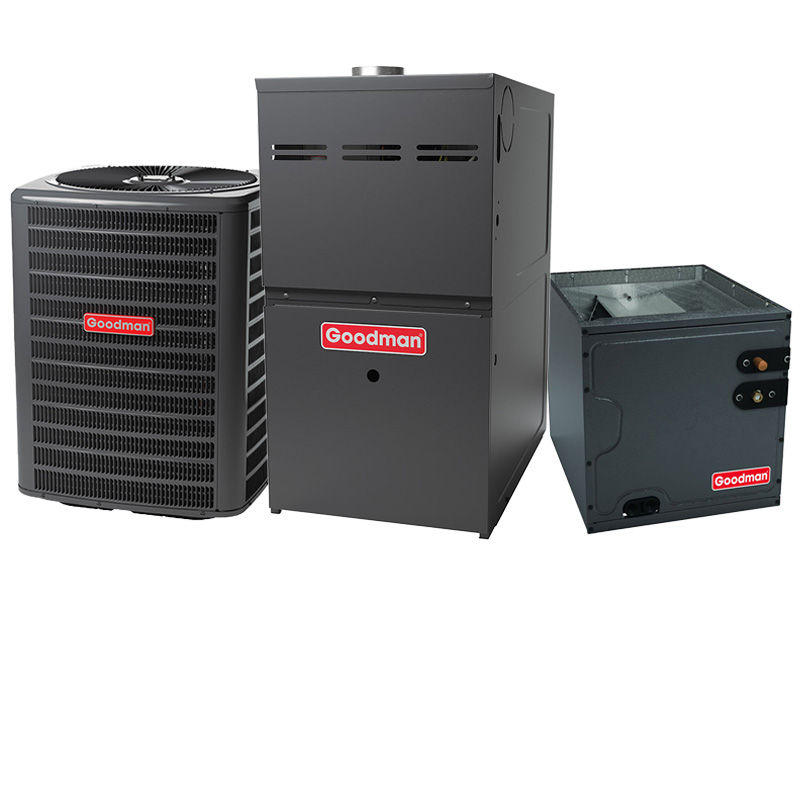
Goodman 2.5 Ton 15.2 SEER2 60000 BTU 80% AFUE Multi-Speed ECM Gas Furnace System – Upflow | R32
View on AC Direct see your lowest price →Check current price on AC Direct →
Key features
- 15.2 SEER2 cooling efficiency meets current federal minimum standards for most U.S. regions
- R-32 refrigerant with lower global warming potential than R-410A
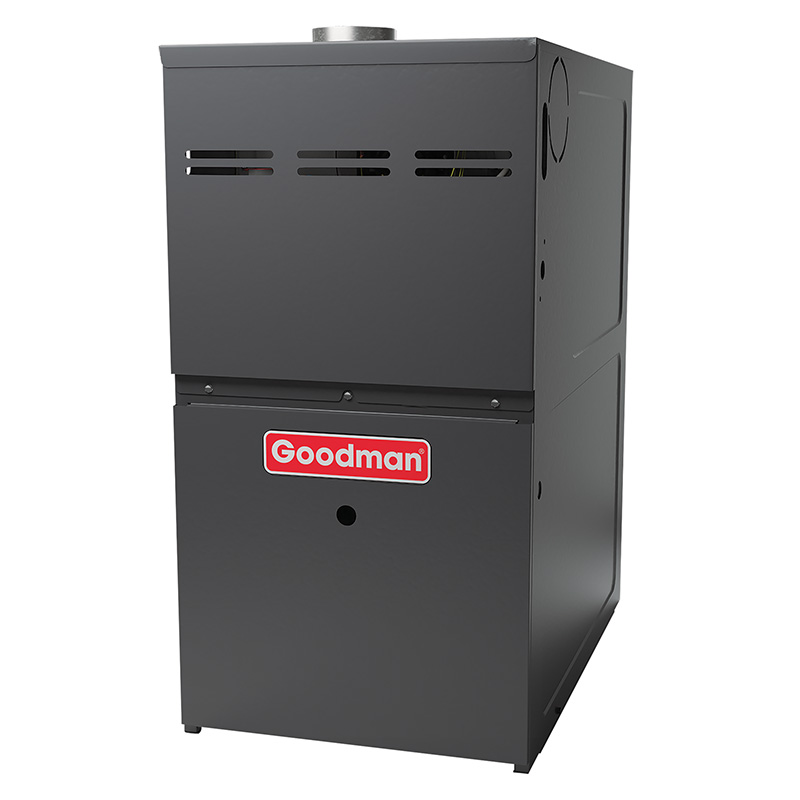
- 60,000 BTU, 80% AFUE gas furnace for moderate heating climates
- Multi-speed ECM blower motor reduces electricity use and improves airflow consistency
- Upflow configuration designed for installations where air discharges through the top
- Goodman price point typically 15 to 25 percent below comparable Trane, Lennox, and Carrier systems
About this system
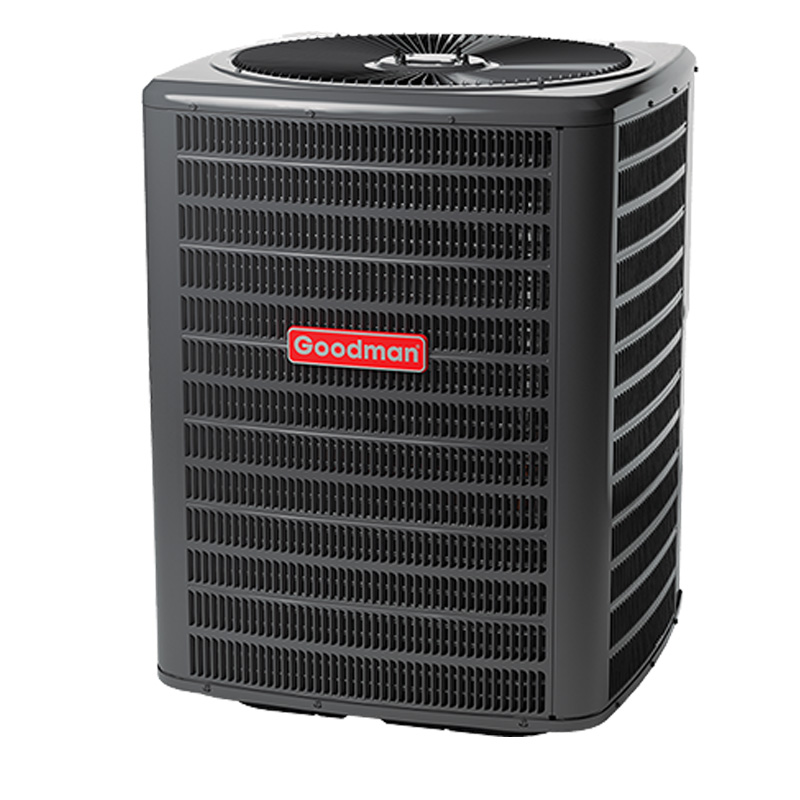
The Goodman 2.5-ton upflow system pairs a 15.2 SEER2 R-32 air conditioner with a 60,000 BTU, 80% AFUE multi-speed ECM gas furnace. At 2.5 tons, this configuration is sized for homes roughly in the 1,200 to 1,800 square foot range, though proper Manual J load calculations should always drive the final sizing decision. The R-32 refrigerant charge is a meaningful modern choice: R-32 has a lower global warming potential than the R-410A it replaces and operates at slightly higher efficiency, so this unit is current with where the industry is headed rather than running on legacy refrigerant.
The 15.2 SEER2 rating clears the federally mandated minimums for most U.S. climate regions and sits at the entry tier of mid-efficiency territory. It will outperform older 13 or 14 SEER equipment in operating costs, but it is not the efficiency ceiling available in the market. The 80% AFUE furnace is honest about what it is: a single-stage efficiency option that converts 80 cents of every dollar of gas into heat. Homeowners in mild to moderate heating climates who do not have a condensate drain or venting setup for a 90%+ unit will find the 80% furnace simpler to install and maintain. The ECM blower motor is a genuine advantage over PSC motors, delivering quieter operation and meaningfully lower blower electricity costs across the year.
This Goodman system offers a competitive entry price and respectable mid-range efficiency that will suit budget-conscious homeowners who prioritize upfront savings over long-term premium performance. The ECM motor and R-32 refrigerant are genuine positives, but prospective buyers should factor in Goodman's documented repair frequency after year seven and the brand's strong dependence on installation quality. It is a reasonable buy when installed correctly by an experienced technician, and a risky one when it is not.
Overall score is the average of the five ratings above.
What we like
- Upfront cost typically 15 to 25 percent less than comparable Carrier, Trane, or Lennox systems
- ECM blower motor lowers annual electricity consumption compared to standard PSC motors
- R-32 refrigerant is forward-compatible with current and near-future regulatory direction
- 15.2 SEER2 delivers real energy savings over older sub-14 SEER equipment
- Widely serviced nationwide, with parts broadly available through HVAC distributors
Trade-offs
- Compressor lifespan averages 10 to 14 years, notably shorter than the 15 to 20 years reported for premium brands
- Dual-run capacitor failures are the most commonly reported repair, typically surfacing within the first decade
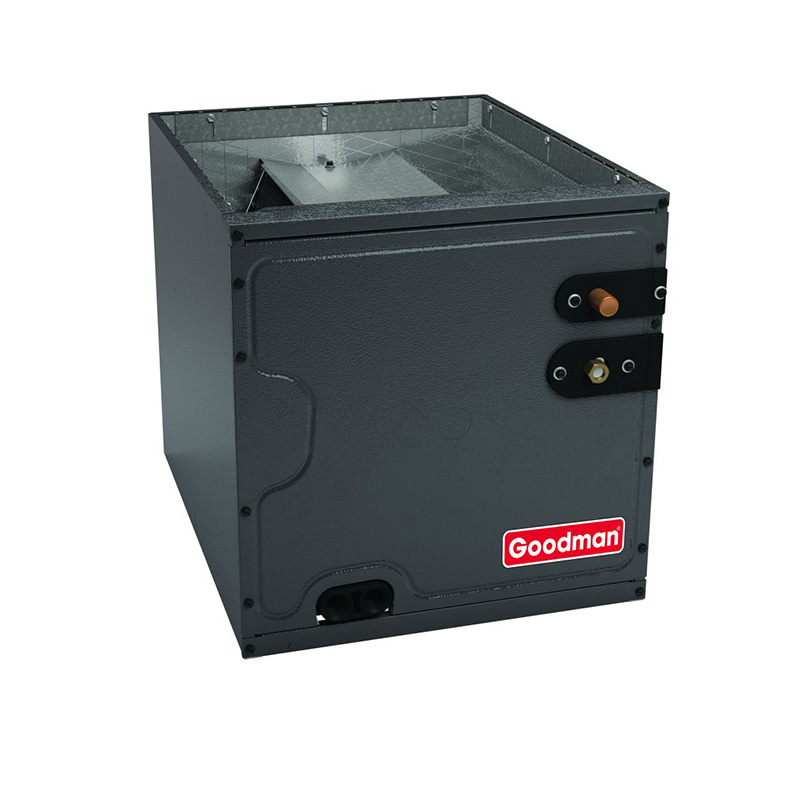
- Evaporator coil leaks appear in a meaningful share of owner reviews, a cost and hassle risk post-warranty
- 80% AFUE is the lowest efficiency tier for gas furnaces, leaving meaningful gas savings on the table compared to 96%+ two-stage units
What homeowners and pros say about Goodman
Homeowners who review Goodman equipment on ConsumerAffairs give the brand roughly 2.5 out of 5, a score pulled down by a channel that disproportionately captures frustrated owners. The recurring complaint pattern is telling: systems often run without notable issues for the first several years, then repair costs begin climbing around year seven or beyond. Google dealer reviews tell a more balanced story, averaging around 3.8 out of 5 across hundreds of reviews per location, where affordability is consistently the most praised attribute. Neither score reflects a brand that inspires strong confidence in long-term reliability, but both align with what the price point honestly promises.
HVAC technicians who service Goodman equipment frequently point to dual-run capacitor failures as the most predictable maintenance item, a repair that is usually inexpensive but signals that other components may follow. Evaporator coil leaks appear in enough owner accounts to be a real budget consideration once the warranty lapses, and compressor longevity averaging 10 to 14 years falls short of the 15 to 20 years associated with premium brands. For this specific upflow system with its ECM motor and R-32 charge, pros tend to say the equipment is serviceable when installed with care, and frustrating when it is not. The R-32 refrigerant requires technicians to hold specific certifications and use compatible equipment, so confirming your installer is current on R-32 handling before signing a contract is a practical step, not a minor detail.
Sources: ConsumerAffairs Goodman owner reviews, AHRI Directory of Certified Product Performance, U.S. DOE appliance and equipment efficiency standards, Goodman product specification sheets.
What it costs to run
At 15.2 SEER2, cooling this 2.5-ton system for a typical 1200-hour cooling season at the U.S. average electricity rate of $0.17/kWh works out to roughly $403 per year in cooling, about $54 less per year than a minimum-efficiency 13.4 SEER2 unit of the same size. Your real cost depends on your climate and local rate.
Method: (30,000 BTU/hr ÷ 15.2 SEER2) × 1200 hours ÷ 1000 × $0.17/kWh. Rate source: U.S. EIA average; cooling hours: moderate-climate estimate.
How it compares
| Brand | Comparable model | SEER2 | Stage | Price position |
|---|---|---|---|---|
| Goodman | 2.5 Ton 15.2 SEER2 / 60K BTU 80% AFUE ECM Upflow R-32 | 15.2 | Multi-speed | Value pick |
| Carrier | Comfort 15 Series (24ACC6) | 15+ | Single-stage | Typically 15 to 25 percent more than Goodman |
| Trane | XR15 Series | 15+ | Single-stage | Typically 15 to 25 percent more than Goodman |
| Lennox | Merit ML15 Series | 15+ | Single-stage | Typically 15 to 25 percent more than Goodman |
Competitor rows are comparable single-stage units at similar efficiency; price is relative position, not a quote.
Questions about this system
Is 15.2 SEER2 enough to meet current regulations, and will I need to upgrade soon?
Yes, 15.2 SEER2 meets or exceeds the federal minimum efficiency standards currently in effect for most U.S. climate zones. There is no pending regulation that would require you to replace a compliant system, so this unit should remain legal to operate through its expected service life.
Can my existing R-410A line set be reused with this R-32 system?
In many cases the copper line set can be reused if it is properly flushed, leak-free, and sized correctly for the new system, but R-32 operates at higher pressures than R-410A. Your installing technician should inspect and pressure-test the existing lines before reuse, and any fittings or valves rated only for R-410A pressure ranges may need replacement.
What are the most likely repairs on this system after the warranty period?
Based on documented owner experience with Goodman equipment, the dual-run capacitor is the most common failure point and is generally a low-cost repair in the 300 to 600 dollar range. Evaporator coil leaks are reported in a meaningful share of units and can be more expensive, and compressor replacement becomes a realistic risk after 10 to 14 years of service.
Why does this furnace use 80% AFUE instead of a higher-efficiency condensing furnace?
An 80% AFUE furnace uses a conventional flue vent and does not produce condensate, making it easier and less expensive to install in homes with existing B-vent or metal flue systems. Upgrading to a 96%+ condensing furnace requires PVC venting and a condensate drain line, which adds installation complexity and cost. If your home already has those provisions, a high-efficiency furnace is worth pricing out.
How important is technician selection for a Goodman system specifically?
Very important. HVAC professionals consistently cite installation quality as the single biggest factor in how long a Goodman unit lasts and how reliably it runs. A minority of owners also report refrigerant leaks within the first year, which are typically traced back to installation or charge issues rather than the equipment itself. Selecting an experienced, licensed technician and verifying they perform a proper startup checklist is not optional with this brand.
Specifications
| Cooling capacity | 2.5 Ton |
| Efficiency | 15.2 SEER2 |
| Furnace output | 60000 BTU |
| Furnace efficiency | 80% AFUE |
| Configuration | Upflow |
| Refrigerant | R-32 |