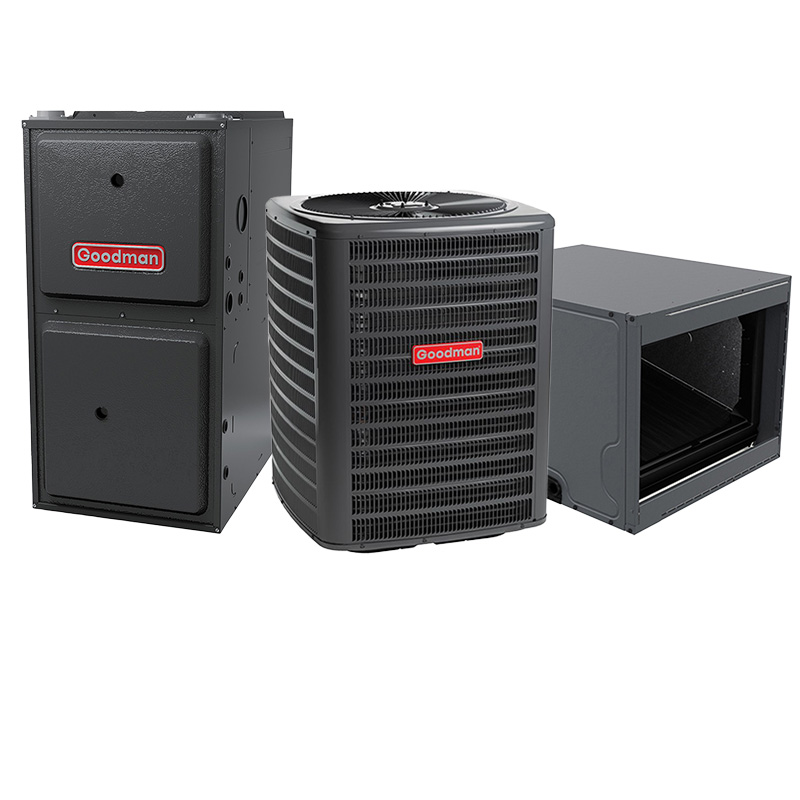
Goodman 2.5 Ton 15.2 SEER2 60000 BTU 80% AFUE Two Stage Multi-Speed ECM Gas Furnace System – Horizontal | R32
View on AC Direct see your lowest price →Check current price on AC Direct →
Key features
- 15.2 SEER2 cooling efficiency meets 2023 federal minimum standards with room above the floor
- Two-stage gas furnace at 60,000 BTU and 80% AFUE for steadier heat distribution
- Multi-speed ECM blower motor reduces energy use and improves humidity control vs. PSC motors
- R-32 refrigerant with lower global-warming potential than R-410A
- Horizontal-discharge configuration designed for attic, crawlspace, or side-access installs
- Factory-matched system tested together for rated efficiency and warranty compliance
About this system
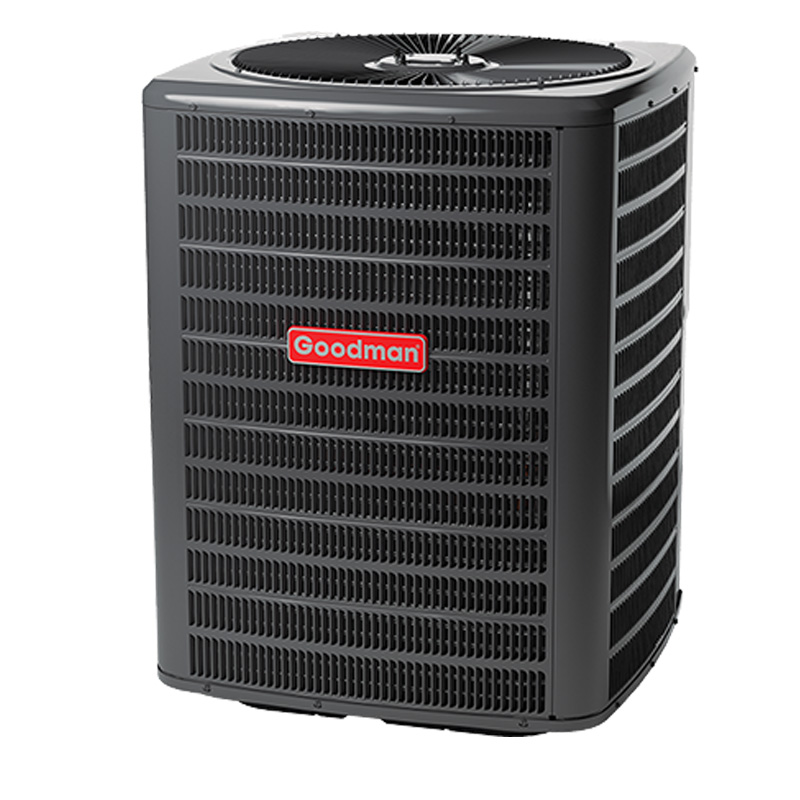
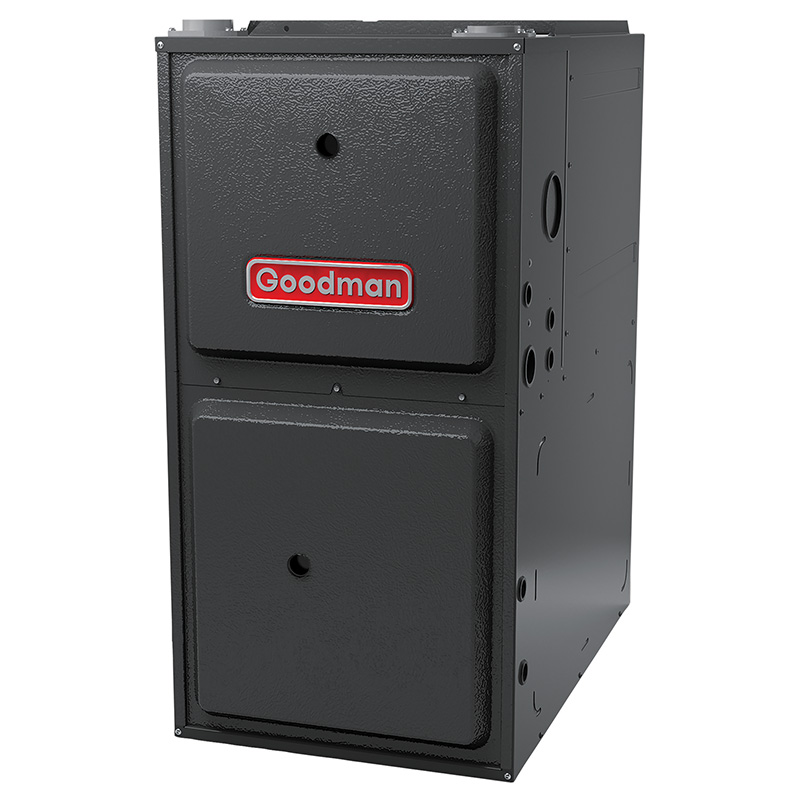
The Goodman GLXS4BA3010 packages a 2.5-ton, 15.2 SEER2 split system with a 60,000 BTU, 80% AFUE two-stage gas furnace in a horizontal configuration, making it a practical fit for homes where attic or crawlspace installation is the only option. The R-32 refrigerant charge runs at lower global-warming potential than older R-410A systems, and the multi-speed ECM blower motor adjusts airflow more precisely than a standard PSC motor, which helps with humidity control and quieter part-load operation. At 15.2 SEER2 the cooling efficiency clears the 2023 federal minimum for most U.S. regions without reaching into premium-tier pricing, so you get a real efficiency step up from builder-grade equipment without paying for features you may not need.
Two-stage heating means the furnace runs on the lower stage the majority of the time, cycling to full capacity only on the coldest days. That longer, steadier run time distributes heat more evenly, reduces temperature swings near the thermostat, and tends to produce lower utility bills compared with a single-stage furnace of the same AFUE. The 80% AFUE rating does mean 20 cents of every fuel dollar goes up the flue, so homeowners in very cold climates or with high gas costs may want to price out a 96% AFUE option before committing. For moderate climates or homes with existing 80% venting infrastructure, this system hits a reasonable balance of cost and performance.
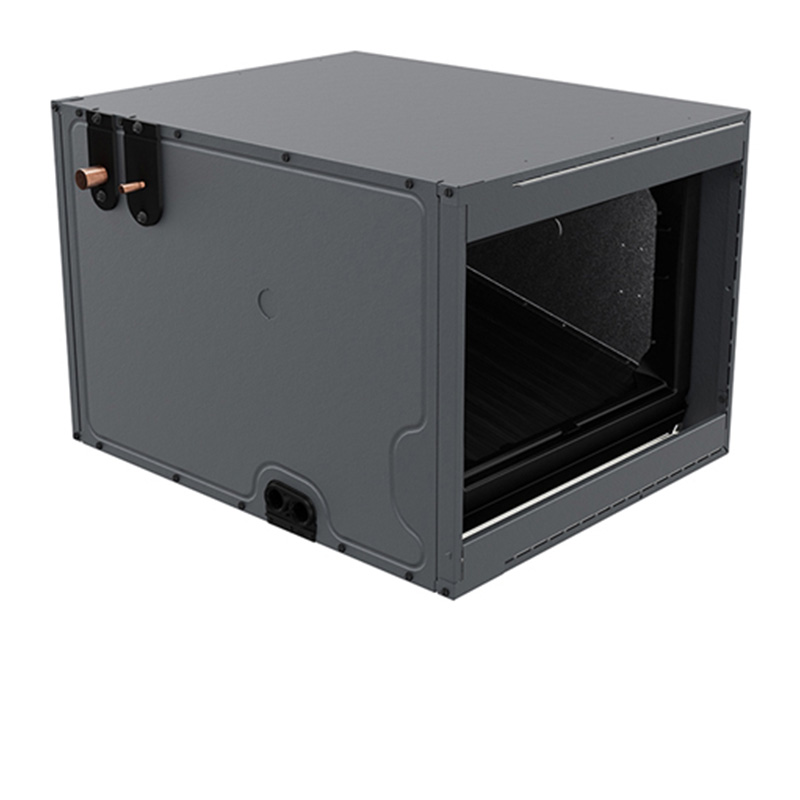
This is a horizontal-discharge configuration, which limits where it can be installed. Attic platforms, crawlspaces, and certain closet or utility room setups can accommodate horizontal units, but the orientation requires correct pitch for condensate drainage and makes some service tasks more involved than on an upflow unit. Buyers should confirm their installer has horizontal experience, as improper pitch is one of the more common setup errors on this style of equipment.
The Goodman GLXS4BA3010 delivers honest mid-tier performance at a price point that sits noticeably below Carrier, Trane, and Lennox equivalents, making it a workable choice for budget-conscious buyers who can secure a skilled installer. The two-stage furnace and ECM blower add real comfort value, but the 80% AFUE furnace and Goodman's documented repair history after year seven mean total-cost-of-ownership is closer to premium brands than the sticker price alone suggests. It rewards buyers who plan ahead on maintenance and go in with clear eyes about the brand's track record.
Overall score is the average of the five ratings above.
What we like
- Purchase price runs roughly 15 to 25 percent below comparable Carrier, Trane, and Lennox systems
- Two-stage heating reduces temperature swings and supports longer, more efficient run cycles
- ECM multi-speed blower cuts fan energy use and handles humidity better than single-speed motors
- R-32 refrigerant has a lower environmental impact and is increasingly supported by technicians
- Factory-matched system simplifies warranty claims and efficiency verification
Trade-offs
- 80% AFUE leaves meaningful heating efficiency on the table versus 96% AFUE alternatives, especially in cold climates
- Dual-run capacitors are the most commonly reported failure point, with repair costs typically in the 300 to 600 dollar range
- Compressor lifespan averages 10 to 14 years versus 15 to 20 years for premium-brand compressors
- Horizontal configuration requires precise condensate pitch and generally makes service access more involved than upflow installs
What homeowners and pros say about Goodman
Owner feedback on Goodman equipment tends to split along a clear fault line: buyers who got a careful install from an experienced contractor and maintain the system annually report years of trouble-free operation and praise the upfront savings, while buyers who had a rushed install or skipped maintenance often encounter the brand’s documented weak points sooner than expected. On ConsumerAffairs, Goodman scores around 2.5 out of 5, but that channel skews toward people who have had a problem, and the recurring theme in the negative reviews is repair costs climbing after roughly year seven rather than early catastrophic failure. Google dealer reviews tell a more balanced story, sitting around 3.8 out of 5 across locations, where affordability and the straightforwardness of getting parts are the most common positives cited.
HVAC technicians who work on Goodman equipment regularly point to dual-run capacitors as the most routine service call on these units, a failure that is generally inexpensive and quick to fix in the 300 to 600 dollar range but does show up more often than on premium-brand equipment. Evaporator coil refrigerant leaks also appear in a notable share of owner accounts, and a smaller group of owners have reported refrigerant leaks in the first year, which technicians typically attribute to install or charge issues rather than a manufacturing defect in the coil itself. Compressor longevity is the longer-term consideration: Goodman compressors average roughly 10 to 14 years in real-world use versus 15 to 20 years commonly seen with Trane, Carrier, or Lennox compressors. For this specific horizontal system, installers familiar with attic and crawlspace work emphasize that proper condensate pitch and securing the unit against vibration are non-negotiable steps that have an outsized effect on how well the system holds up over time.
Sources: ConsumerAffairs Goodman owner reviews, AHRI Directory of Certified Product Performance, U.S. DOE appliance and equipment efficiency standards, Goodman product specification sheets.
What it costs to run
At 15.2 SEER2, cooling this 2.5-ton system for a typical 1200-hour cooling season at the U.S. average electricity rate of $0.17/kWh works out to roughly $403 per year in cooling, about $54 less per year than a minimum-efficiency 13.4 SEER2 unit of the same size. Your real cost depends on your climate and local rate.
Method: (30,000 BTU/hr ÷ 15.2 SEER2) × 1200 hours ÷ 1000 × $0.17/kWh. Rate source: U.S. EIA average; cooling hours: moderate-climate estimate.
How it compares
| Brand | Comparable model | SEER2 | Stage | Price position |
|---|---|---|---|---|
| Goodman | GLXS4BA3010 (this system) | 15.2 | Two-stage | Value pick |
| Carrier | Performance 15 (24ACC636A / 58TP series bundle) | 15.2 | Two-stage | Typically 20 to 25 percent higher than this system |
| Trane | XR15 / S8X2 series bundle | 15.0 | Two-stage | Typically 20 to 30 percent higher than this system |
| Lennox | Merit ML15 / ML196 series bundle | 15.2 | Two-stage | Typically 15 to 25 percent higher than this system |
Competitor rows are comparable single-stage units at similar efficiency; price is relative position, not a quote.
Questions about this system
What does the horizontal configuration actually mean for my install, and can it go in my attic?
Horizontal means the air handler section discharges air out the side rather than the top or bottom, which is designed specifically for spaces like attics, crawlspaces, and certain closet builds where vertical clearance is limited. It can absolutely go in an attic, but the installer must set the unit on a properly leveled platform with a slight pitch toward the condensate drain to prevent standing water. Get confirmation from your contractor that they have installed horizontal units before, since improper pitch is one of the more common setup errors on this configuration.
Is 80% AFUE going to cost me noticeably more to run than a higher-efficiency furnace?
On a mild to moderate climate, the difference between 80% and 96% AFUE on a 60,000 BTU furnace is real but not dramatic for most households, typically a few hundred dollars per heating season depending on gas prices and run hours. In colder climates with long heating seasons, that gap widens, and the payback on a higher-efficiency unit can come within five to eight years. If your existing flue infrastructure already supports 80% venting and upgrading would require re-piping, the savings case for 96% weakens somewhat.
What are the most likely repairs I should budget for over the first ten years?
The dual-run capacitor is the most commonly reported failure on Goodman condensing units and is generally a straightforward repair in the 300 to 600 dollar range when it happens. Evaporator coil refrigerant leaks also appear in a meaningful share of owner accounts, and a minority of owners have reported refrigerant leaks within the first year, most often traced to install or initial charge issues rather than equipment defects. Setting aside a small annual maintenance reserve and scheduling yearly tune-ups catches most of these early.
Does this system come with a warranty, and what does it actually cover?
Goodman typically offers a 10-year parts limited warranty when the equipment is registered within a set window after install, covering components including the compressor, heat exchanger, and coil. The warranty is voided if the system is not installed by a licensed contractor or if refrigerant type or charge deviates from spec. Read the registration terms carefully and register promptly after install, as missing the window drops coverage significantly.
Will this system work with my existing thermostat and ductwork?
The two-stage furnace and multi-speed ECM blower can technically work with a basic single-stage thermostat, but you will not get full benefit from the two-stage operation without a compatible two-stage or communicating thermostat. On ductwork, a 2.5-ton system assumes ducts sized for roughly 1,000 square feet of well-insulated conditioned space, though actual sizing depends on Manual J load calculation for your home. Undersized or leaky ductwork is one of the most common reasons a correctly spec'd Goodman system underperforms, so duct inspection before install is worth the time.
Specifications
| Cooling capacity | 2.5 Ton |
| Efficiency | 15.2 SEER2 |
| Furnace output | 60000 BTU |
| Furnace efficiency | 80% AFUE |
| Configuration | Horizontal |
| Refrigerant | R-32 |
| Model | GLXS4BA3010 |