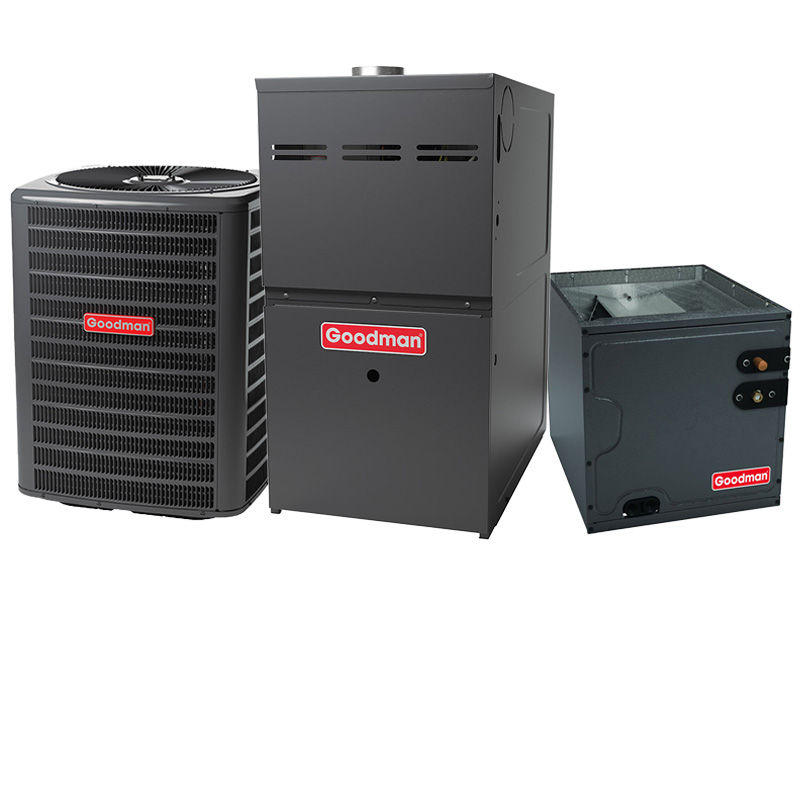
Goodman 2.5 Ton 15.2 SEER2 80000 BTU 80% AFUE Multi-Speed ECM Gas Furnace System – Upflow | R32
View on AC Direct see your lowest price →Check current price on AC Direct →
Key features
- 15.2 SEER2 cooling efficiency meets 2023+ federal standards for most U.S. regions
- 80,000 BTU 80% AFUE non-condensing furnace, compatible with standard B-vent or metal flue
- Multi-speed ECM blower motor reduces electricity use and improves airflow consistency
- R-32 refrigerant with lower global warming potential than outgoing R-410A
- Upflow configuration suits basement, closet, or utility room installs where supply air rises
- 2.5-ton capacity sized for approximately 1,200 to 1,600 sq ft depending on climate and insulation
About this system
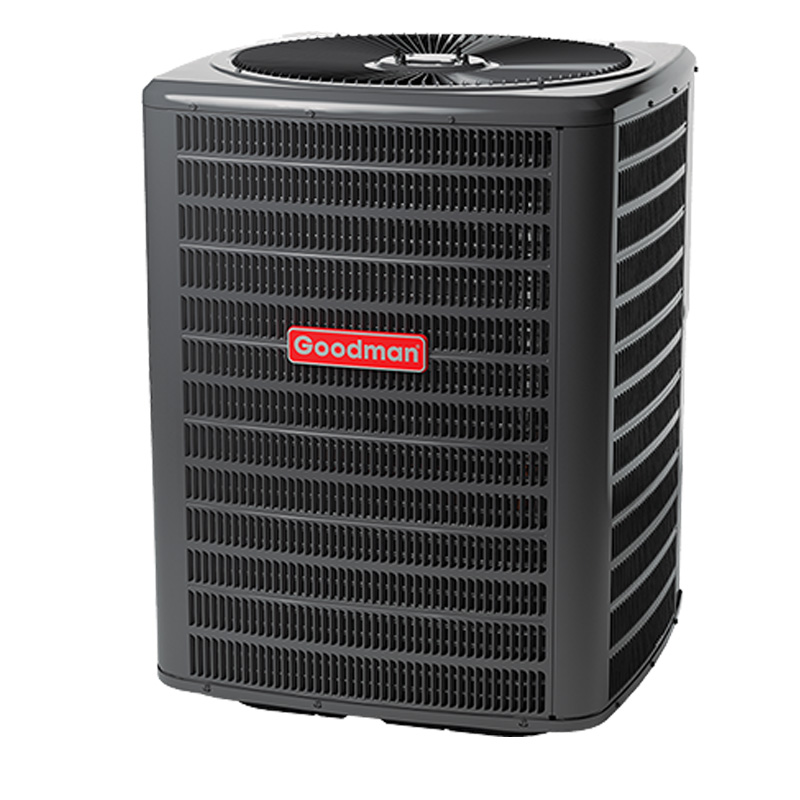
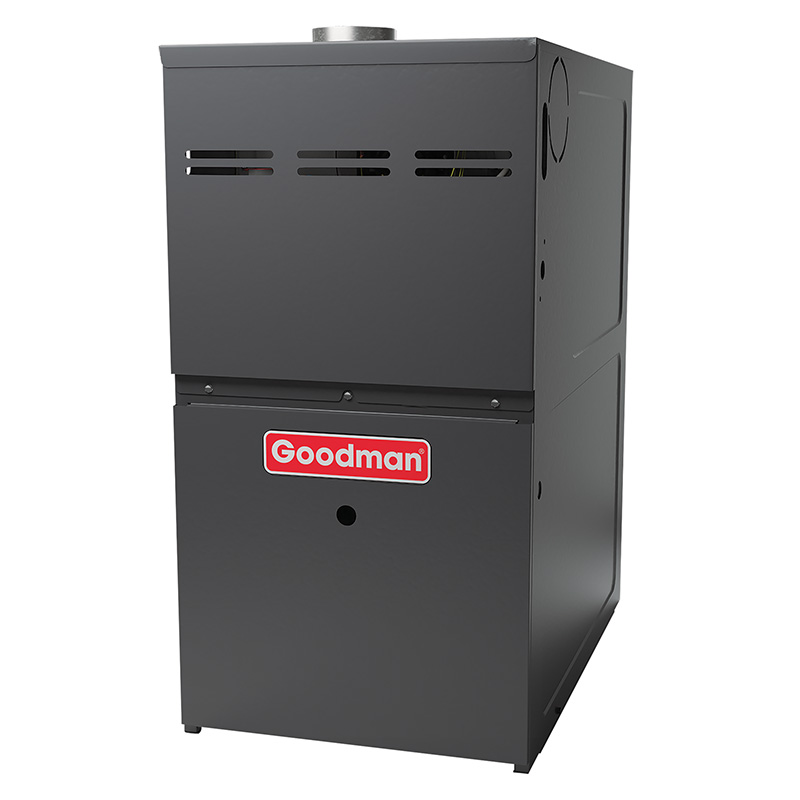
The Goodman 2.5-ton 15.2 SEER2 upflow system pairs a mid-efficiency split-system air conditioner with an 80,000 BTU, 80% AFUE multi-speed ECM gas furnace. The 15.2 SEER2 rating clears the federal minimum in most U.S. regions and lands in the entry-to-mid efficiency tier, meaning cooling costs will be noticeably lower than an older 13 SEER unit but not as low as a 17+ SEER2 variable-speed system. The 80% AFUE furnace is a standard-efficiency, non-condensing design, which means it does not require a secondary PVC condensate drain and is straightforward to vent through an existing flue, making it a natural replacement candidate in homes that already have a conventional gas furnace.
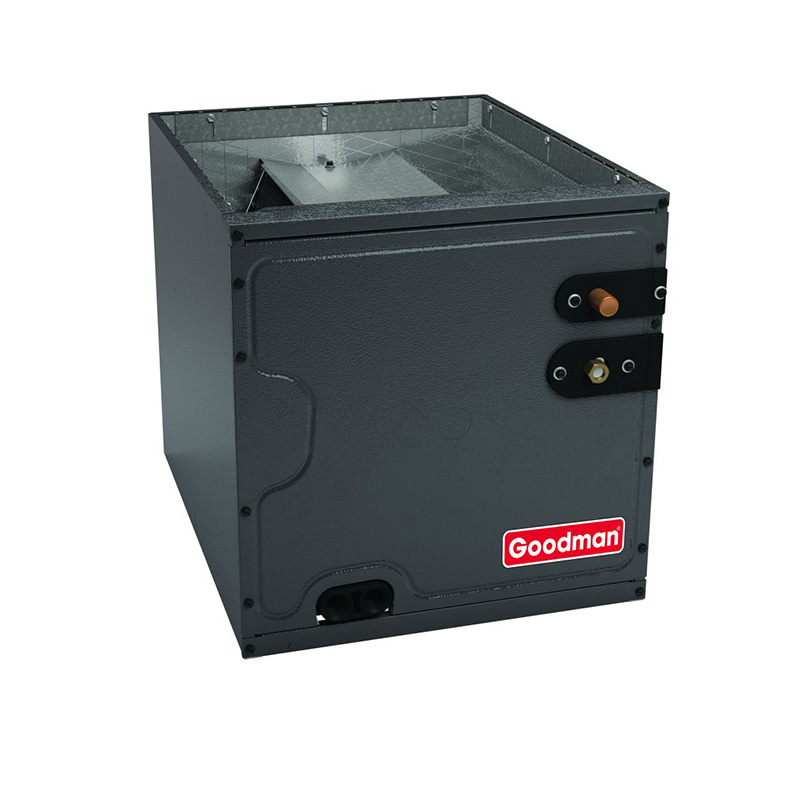
The 2.5-ton capacity targets roughly 1,200 to 1,600 square feet of conditioned space in average climates, though proper Manual J load calculations should always drive the final sizing decision. R-32 refrigerant is the forward-looking choice here: it has a lower global warming potential than R-410A, and the industry is moving toward it broadly, so parts and service availability should improve over time rather than shrink. The multi-speed ECM blower motor is the standout feature on the air handler side, improving airflow consistency and reducing electricity draw compared to a single-speed PSC motor, which adds modest long-term energy savings on top of the SEER2 rating.
This Goodman system is a competent, no-frills entry that delivers code-compliant efficiency and a useful ECM motor upgrade at a price point 15 to 25 percent below comparable Carrier, Trane, and Lennox equipment. The trade-off is a brand track record that shows more repair calls after year 7 than premium competitors, and compressor longevity that tends to trail the top tier. For budget-conscious buyers who prioritize upfront savings and are comfortable with the possibility of earlier component service, it makes a reasonable case for itself.
Overall score is the average of the five ratings above.
What we like
- Priced 15 to 25 percent below comparable premium-brand systems, lowering the upfront barrier
- ECM multi-speed motor adds efficiency and comfort beyond what a basic single-speed furnace offers
- R-32 refrigerant is the forward-looking standard, reducing future refrigerant-sourcing concerns
- Non-condensing 80% AFUE furnace installs cleanly as a direct replacement in existing flue setups
- 15.2 SEER2 is sufficient for meaningful cooling cost savings over aging 13-SEER equipment
Trade-offs
- Compressor lifespan averages 10 to 14 years versus 15 to 20 years for premium brands, raising long-term replacement risk
- Evaporator coil leaks appear in a meaningful share of owner reports, a known weak point
- Dual-run capacitor failures are the most common service call, typically after year 5 to 7
- 80% AFUE furnace wastes 20 cents of every heating dollar, a real cost in cold climates where a 96% AFUE unit would pay back the price gap
What homeowners and pros say about Goodman
Homeowners who have lived with Goodman equipment tend to land in two camps. Those with a skilled installer and a proactive annual maintenance habit often report years of unremarkable, cost-effective service and credit the upfront savings as money well spent. Those who hit problems often point to years 7 through 10, when repair costs begin to accumulate, a pattern consistent with the brand’s roughly 2.5 out of 5 rating on ConsumerAffairs, a channel that skews toward frustrated owners. The documented weak points on Goodman equipment are specific: dual-run capacitors are the most commonly reported failure and are a relatively affordable fix, but evaporator coil leaks and compressor wear showing up earlier than premium alternatives are harder to absorb. A minority of owners have also reported refrigerant leaks within the first year, a signal that points to installation or initial charge issues more than the equipment itself.
HVAC technicians who work on Goodman equipment regularly tend to describe it as serviceable hardware that rewards clean installs and punishes shortcuts. Google dealer reviews for Goodman-selling contractors average around 3.8 out of 5, with affordability the most consistent point of praise. Pros note that the move to R-32 refrigerant on newer Goodman units is a legitimate improvement, and the ECM blower motor on this furnace is a step up from the basic PSC motors found on the brand’s entry-level equipment. The honest professional consensus is that a Goodman system installed carefully by a competent technician, with a maintenance agreement in place, is a reasonable value for budget-conscious buyers who understand the trade-offs in reliability compared to Trane, Carrier, or Lennox at similar efficiency ratings.
Sources: ConsumerAffairs Goodman owner reviews, AHRI Directory of Certified Product Performance, U.S. DOE appliance and equipment efficiency standards, Goodman product specification sheets.
What it costs to run
At 15.2 SEER2, cooling this 2.5-ton system for a typical 1200-hour cooling season at the U.S. average electricity rate of $0.17/kWh works out to roughly $403 per year in cooling, about $54 less per year than a minimum-efficiency 13.4 SEER2 unit of the same size. Your real cost depends on your climate and local rate.
Method: (30,000 BTU/hr ÷ 15.2 SEER2) × 1200 hours ÷ 1000 × $0.17/kWh. Rate source: U.S. EIA average; cooling hours: moderate-climate estimate.
How it compares
| Brand | Comparable model | SEER2 | Stage | Price position |
|---|---|---|---|---|
| Goodman | 2.5T 15.2 SEER2 / 80K BTU 80% AFUE ECM Upflow R-32 | 15.2 | Multi-speed | Value pick |
| Carrier | Comfort Series (24ACC / 58SC pairing) | 15.2 | Single-stage | Typically 15 to 25 percent more than this Goodman system |
| Trane | XR15 / S8X1 pairing | 15.0 | Single-stage | Typically 15 to 25 percent more than this Goodman system |
| Lennox | Merit Series (14ACX / ML180 pairing) | 15.1 | Single-stage | Typically 15 to 25 percent more than this Goodman system |
Competitor rows are comparable single-stage units at similar efficiency; price is relative position, not a quote.
Questions about this system
Is 15.2 SEER2 good enough, or should I spend more to get a higher-efficiency unit?
15.2 SEER2 meets current federal minimums and will cut cooling costs compared to a pre-2006 system, but it will not save as much as a 17 to 20 SEER2 variable-speed unit. In a mild climate or a smaller home, the payback period for a higher-efficiency upgrade can stretch past 10 years, so this tier is often the practical choice. In a hot climate where the AC runs heavily, running the numbers on a 17+ SEER2 system is worth the time.
What does the 80% AFUE rating actually mean for my heating bill?
80% AFUE means 80 cents of every dollar of gas goes into usable heat and 20 cents exits through the flue. A 96% AFUE condensing furnace would recover most of that 20 cents. In a mild or mixed climate the annual dollar difference may be modest, but in a cold region with long winters the fuel savings from a high-efficiency unit can close the price gap in 5 to 8 years.
Will R-32 refrigerant be easy to service in my area?
R-32 availability is growing steadily as the HVAC industry moves away from R-410A, and most major distributors now stock it. Your technician does need R-32-specific recovery equipment and certification, so confirm that any service company you call is already equipped for it before booking a repair.
What are the most common repairs I should budget for over the life of this system?
Dual-run capacitor replacement is the most frequently reported Goodman service call and typically runs 300 to 600 dollars when it occurs, often after years 5 to 7. Evaporator coil leaks have also shown up in a meaningful share of owner reports, which is a more expensive repair. Setting aside a modest annual service budget and getting the capacitor checked at each tune-up is a practical way to stay ahead of the most common failure.
Does the upflow configuration work if my furnace is in a closet on the main floor?
An upflow furnace pulls return air from the bottom and discharges conditioned air upward into the supply plenum, which works well when the air handler sits below the duct system, as in a basement, ground-floor closet, or utility room. If your ductwork runs beneath the unit or your closet has return air coming from the top, a downflow or horizontal configuration would be needed instead. Confirm the existing duct orientation with your installer before ordering.
Specifications
| Cooling capacity | 2.5 Ton |
| Efficiency | 15.2 SEER2 |
| Furnace output | 80000 BTU |
| Furnace efficiency | 80% AFUE |
| Configuration | Upflow |
| Refrigerant | R-32 |