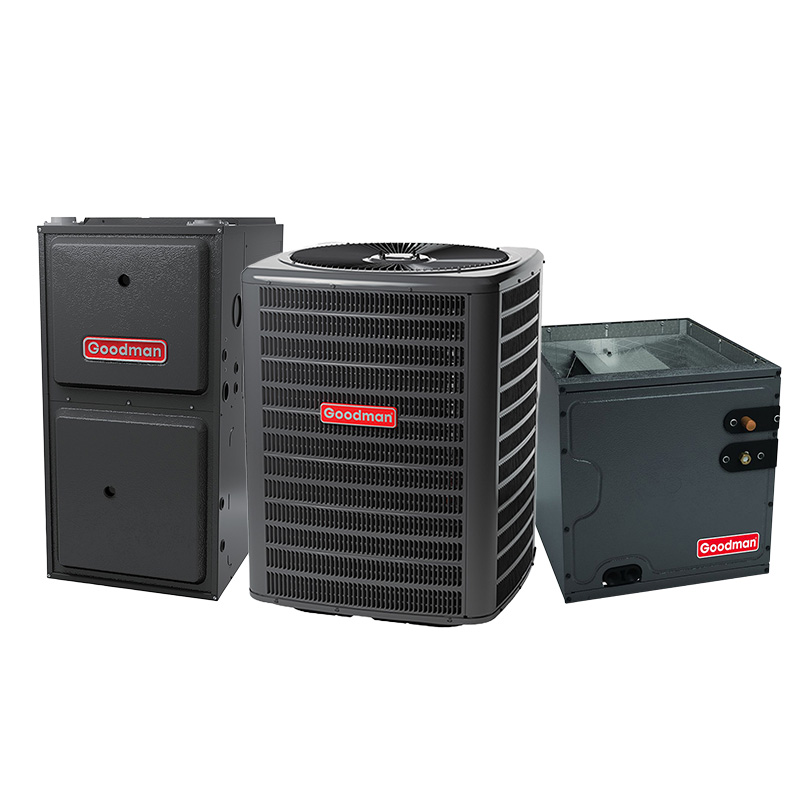
Goodman 2.5 Ton 15.2 SEER2 AC & Gas Furnace System – Modulating Variable-Speed, 100000 BTU Gas Furnace, 97% AFUE, Upflow, R32
View on AC Direct see your lowest price →Check current price on AC Direct →
Key features
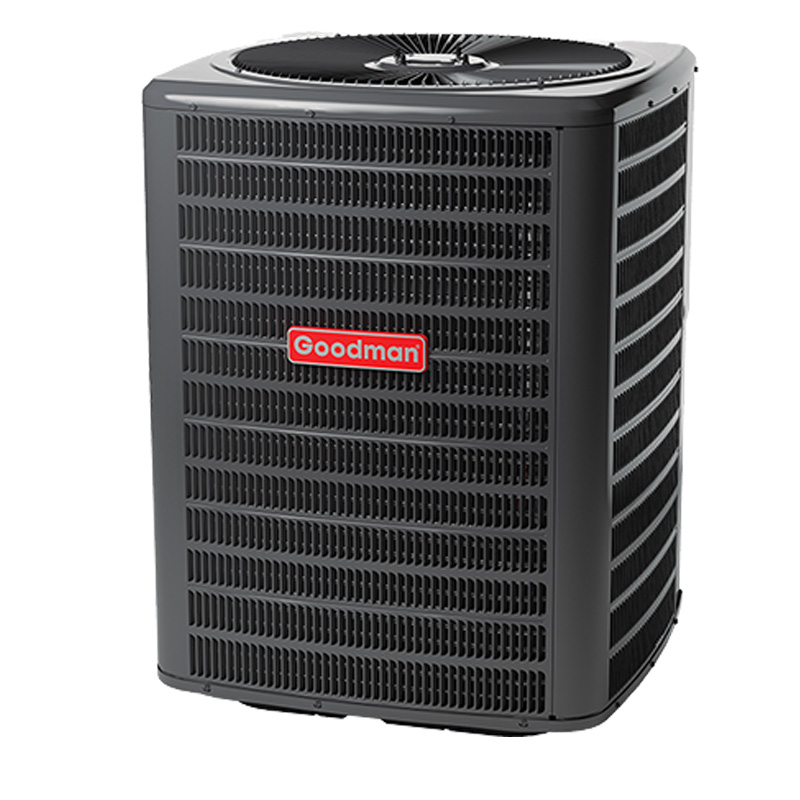
- 15.2 SEER2 variable-speed outdoor unit for above-baseline cooling efficiency
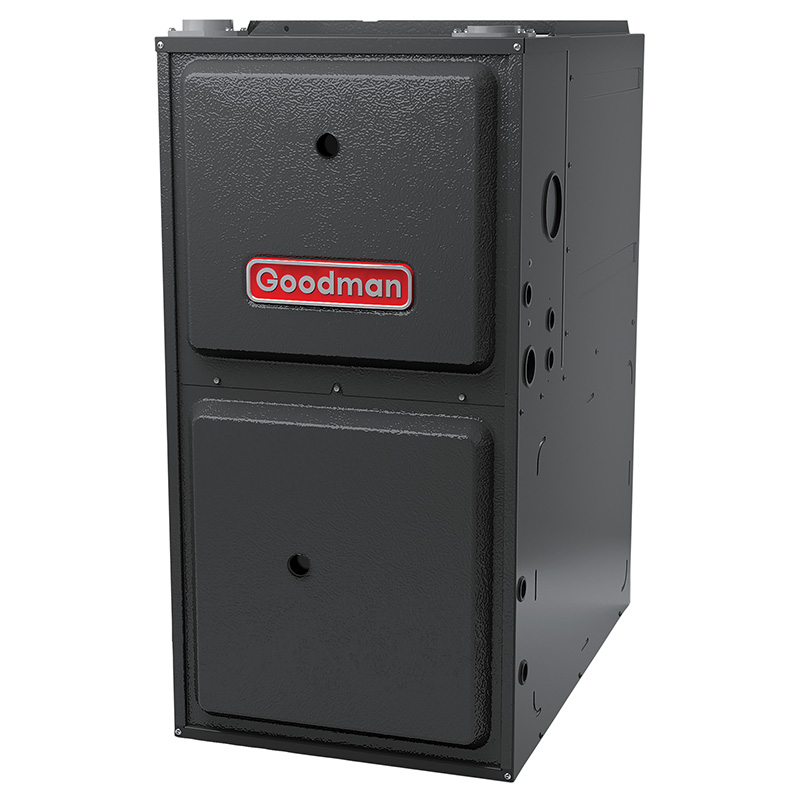
- 97% AFUE modulating gas furnace with 100,000 BTU capacity
- Modulating burner adjusts heat output in small steps to reduce temperature swings
- Variable-speed blower motor improves humidity control and reduces operating noise
- R-32 refrigerant with lower global-warming potential than R-410A
- Upflow configuration designed for basement or closet installations with overhead ductwork
About this system
The Goodman GLXS5BA3010D pairs a 2.5-ton, 15.2 SEER2 variable-speed air conditioner with a 100,000 BTU, 97% AFUE modulating gas furnace in an upflow configuration. That furnace efficiency rating sits near the top of what residential gas equipment can deliver, meaning roughly 97 cents of every dollar spent on gas goes toward heating your home rather than out the flue. The modulating burner and variable-speed blower work together to adjust output in small increments rather than cycling fully on and off, which smooths out temperature swings and tends to reduce humidity better than single-stage equipment.
This system uses R-32 refrigerant, a lower global-warming-potential refrigerant that is increasingly common as the industry moves away from R-410A. R-32 requires technicians who are familiar with its slightly higher operating pressures and flammability classification, so verifying your installer’s experience with R-32 equipment before signing a contract is worthwhile. The upflow configuration suits the most common residential installation scenario: a furnace in a basement or utility closet blowing conditioned air upward into overhead ductwork. At 2.5 tons, this system is typically sized for homes in the roughly 1,200 to 1,800 square foot range, though proper Manual J load calculation by your installer should confirm the right fit for your specific home.
This system delivers a genuinely high-efficiency furnace and a capable variable-speed air conditioner at a price point meaningfully below comparable Carrier, Trane, or Lennox configurations. The trade-off is a brand track record that shows more post-year-7 repair activity than premium competitors, and final performance depends heavily on how well the system is installed and charged. Buyers who prioritize up-front value and plan to maintain the equipment proactively will get solid use from it; those who want the longest possible service life and fewest repairs should weigh the premium alternatives seriously.
Overall score is the average of the five ratings above.
What we like
- 97% AFUE furnace is among the most efficient residential gas options available, cutting heating costs noticeably versus 80% AFUE equipment
- Modulating and variable-speed operation provides better humidity control and more even temperatures than single-stage systems
- Priced roughly 15 to 25 percent below comparable Carrier, Trane, and Lennox systems, reducing payback period
- R-32 refrigerant positions the system for regulatory longevity as R-410A phases out
- Upflow design fits the most common existing ductwork configurations with minimal modification
Trade-offs
- Goodman's ConsumerAffairs rating of about 2.5 out of 5 reflects a pattern of repair costs climbing after roughly year 7, more so than premium brands
- Compressor lifespan averages 10 to 14 years in documented owner experience, compared to 15 to 20 years for premium-brand compressors
- Dual-run capacitor failures are the most commonly reported issue and, while typically a low-cost repair, add to ownership hassle
- R-32 requires a trained installer familiar with its higher pressure and flammability classification, limiting your contractor pool and potentially raising labor costs
What homeowners and pros say about Goodman
Homeowners who have installed Goodman equipment tend to split into two groups: those who got a careful, well-commissioned installation and have run their system for years without major issues, and those who encountered problems and found the experience frustrating. On Google dealer reviews, Goodman equipment averages around 3.8 out of 5 across locations, with affordability as the most common reason buyers say they chose it. The ConsumerAffairs score tells a harder story, sitting at about 2.5 out of 5, a channel where owners who have had repair bills after year 7 are more motivated to leave feedback. Neither number tells the whole picture on its own.
HVAC technicians who work on Goodman units regularly point to two things: dual-run capacitor failures are the most common service call they see, typically a quick and relatively inexpensive fix but one that adds up if it recurs; and evaporator coil leaks appear in a meaningful share of owner accounts. Compressor longevity is the other honest conversation, with Goodman compressors averaging roughly 10 to 14 years in documented experience compared to 15 to 20 years for premium brands. Technicians are consistent that install quality is the single biggest predictor of how any Goodman unit performs, which means choosing an experienced, detail-oriented contractor matters at least as much as the equipment itself when buying in this segment.
Sources: ConsumerAffairs Goodman owner reviews, AHRI Directory of Certified Product Performance, U.S. DOE appliance and equipment efficiency standards, Goodman product specification sheets.
What it costs to run
At 15.2 SEER2, cooling this 2.5-ton system for a typical 1200-hour cooling season at the U.S. average electricity rate of $0.17/kWh works out to roughly $403 per year in cooling, about $54 less per year than a minimum-efficiency 13.4 SEER2 unit of the same size. Your real cost depends on your climate and local rate.
Method: (30,000 BTU/hr ÷ 15.2 SEER2) × 1200 hours ÷ 1000 × $0.17/kWh. Rate source: U.S. EIA average; cooling hours: moderate-climate estimate.
How it compares
| Brand | Comparable model | SEER2 | Stage | Price position |
|---|---|---|---|---|
| Goodman | GLXS5BA3010D | 15.2 | Variable-speed | Value pick |
| Carrier | Comfort 15 Series (24ACC6) | 15.2 | Single-stage | Typically 15 to 25 percent more than Goodman |
| Trane | XR15 Series | 15.0–15.6 | Single-stage | Typically 15 to 25 percent more than Goodman |
| Lennox | Merit ML15XC1 Series | 15.2 | Single-stage | Typically 15 to 25 percent more than Goodman |
Competitor rows are comparable single-stage units at similar efficiency; price is relative position, not a quote.
Questions about this system
What warranty does the Goodman GLXS5BA3010D come with, and are there any registration requirements?
Goodman typically offers a 10-year parts limited warranty when the system is registered within a set window after installation, and a lifetime heat exchanger limited warranty on the furnace. If you miss the registration deadline, coverage often drops to 5 years on parts. Confirm the current registration terms with your dealer at the time of purchase, as warranty conditions can change.
My installer mentioned R-32 is different from R-410A. What does that mean for me as a homeowner?
R-32 operates at somewhat higher pressures than R-410A and carries a mild flammability classification, which means not every technician is currently equipped to service it. For your first service call or any future refrigerant work, confirm your technician has the right certification and equipment for R-32. In practice, day-to-day ownership feels identical to any other system.
Is 100,000 BTU too much furnace for a 2.5-ton air conditioner?
Furnace and air conditioner sizing serve different loads in different climates, so mismatched tonnage numbers are common and not necessarily a problem. A 100,000 BTU furnace paired with a 2.5-ton AC makes sense in colder climates with high heating demand. Your installer should confirm sizing with a Manual J calculation for both heating and cooling loads specific to your home before installation.
How often do the dual-run capacitors on Goodman units actually fail, and what does it cost to fix?
Capacitor failure is the most frequently documented repair issue across Goodman owner reports. It tends to show up after several years of use and is generally a straightforward, low-cost repair in the 300 to 600 dollar range including a service call. Keeping up with annual maintenance visits gives a technician the chance to catch a weakening capacitor before it causes a no-cool situation in peak summer heat.
Will this system work with my existing thermostat and ductwork?
The variable-speed blower and modulating furnace communicate best with a thermostat that supports multi-stage or variable-speed equipment, so an older single-stage thermostat may not unlock the full comfort benefits. Your existing ductwork will generally work if it is in good condition and properly sized, but your installer should check static pressure to make sure the variable-speed blower can operate efficiently within your duct system.
Specifications
| Cooling capacity | 2.5 Ton |
| Efficiency | 15.2 SEER2 |
| Furnace output | 100000 BTU |
| Furnace efficiency | 97% AFUE |
| Configuration | Upflow |
| Refrigerant | R-32 |
| Model | GLXS5BA3010D |